
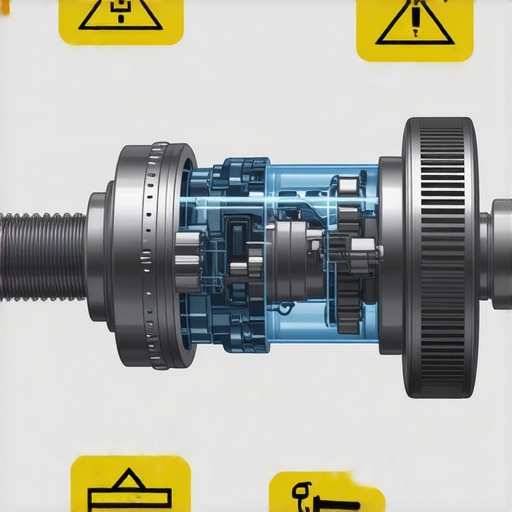
I remember the moment clearly. I was crouched beneath my car, trying to patch up a minor transmission leak, when I spotted the bottle of stop leak additive sitting on my workbench. It looked harmless enough—just a quick fix, right? But as I poured it in, a strange feeling crept in. Little did I know, I was about to learn a hard lesson about those mysterious stop leak additives that promise to save you time and money.
Why Stops Leak Additives Are More Than Just a Quick Fix
For years, I’ve seen fellow car owners and even some mechanics swear by these additives, claiming they can seal leaks and extend the life of your transmission. The truth? It’s not always as simple as pouring in a potion and hoping for the best. While they might seem convenient, these products can sometimes do more harm than good—especially if used without understanding their effects. In fact, according to industry experts, overuse or improper application of these additives can lead to clogging and damage, resulting in costly repairs down the line.
Is the Hype About Stop Leak Additives Justified?
Many skeptics, including seasoned mechanics like myself, advise caution. Early in my automotive journey, I made the mistake of trusting the buzz without doing proper research. I assumed that these products were universally safe and effective—turns out, that was a mistake. It’s essential to distinguish between genuine solutions and band-aid fixes that could compromise your transmission’s health.
Today, I want to help you decide whether these additives are worth risking your transmission or if there are better, more reliable ways to handle leaks. We’ll delve into the facts, share personal insights, and arm you with practical knowledge to keep your vehicle running smoothly. If you’ve ever faced that sinking feeling when discovering a transmission leak, stay tuned—your car’s health is worth the investment.
Start with a Precise Inspection
Before jumping into repair steps, visually inspect your transmission for obvious signs of leaks, damaged hoses, or loose fittings. Use a flashlight to examine the pan, gasket edges, and cooler lines. I remember a time when I spotted a small, dried transmission fluid residue on the pan lip, which led me to pinpoint a loose clamp. Addressing this early prevented a bigger problem later. For detailed inspection techniques, visit this guide.
Prepare Your Workspace and Tools
Safety first: park your vehicle on a level surface, engage the parking brake, and wear safety gear. Gather necessary tools—wrenches, screwdrivers, a drain pan, and gloves. Having the right tools, like a transmission fluid pump, makes the process smoother. Remember, rushing can cause mistakes, so prepare everything beforehand.
Drain the Old Transmission Fluid
Start the engine and let it run briefly to warm the fluid, which helps it drain faster. Raise the vehicle with a jack and secure it with jack stands. Locate the transmission drain plug, usually on the underside, and carefully loosen it with the correct wrench. Use a drain pan to catch the fluid—be cautious, as some cars can leak several liters. Draining fully is crucial before replacing any parts or adding new fluid.
Replace Damaged Components
Identify the leak source—common culprits are worn-out gaskets, cracked hoses, or faulty seals. For example, I once replaced a torn transmission pan gasket, which cured the leak entirely. Clean the mating surfaces thoroughly; use a gasket scraper if needed. For a comprehensive list of repair tips, check this resource. Also, ensure any damaged cooler lines are repaired or replaced to prevent future leaks.
Seal Without Overusing Additives
Instead of pouring cheap stop leak products that can clog your transmission, opt for proper sealing techniques. Use high-quality gasket sealants sparingly; apply a thin layer on gasket edges to ensure a proper seal. If you notice metallic shavings or clutch material in the fluid, it’s a sign of internal damage requiring professional service. Remember, flushes and replacements are more reliable than temporary fixes.
Refill with Correct Transmission Fluid
Locate the filler port and use a suitable pump to add manufacturer-recommended transmission fluid. Fill slowly to avoid overflows, and check the level with the dipstick periodically. Keep the engine running during this step to circulate fluid and verify no leaks are forming. A proper fill guarantees smooth shifting and engine performance, which you can verify through test drives.
Test Drive and Final Checks
Take your car for a short drive, shifting through all gears manually if possible. Monitor for abnormal noises, slipping, or leaks. Afterward, recheck fluid levels and top up if necessary. I once overlooked a slight leak that appeared after a test drive, which reminded me to perform a second inspection—small details prevent big problems later.
Need professional assistance? Don’t hesitate to contact experts at Collision Renew. For ongoing maintenance tips, explore this article. Proper diagnosis and repair are vital; avoid shortcuts that could lead to costly troubles in the future.
Many car owners believe that regular maintenance is a straightforward process, but in reality, there are subtle nuances that can significantly impact your vehicle’s longevity and safety. For example, a widespread myth is that all brake pads are created equal; however, the choice of brake pad material—ceramic, semi-metallic, or organic—can affect braking performance and noise levels dramatically. As I emphasize in this article, understanding these differences enables you to make informed decisions tailored to your driving habits.
One common mistake is neglecting the importance of a precise transmission fluid level. Many assume that simply topping up is sufficient, yet overfilling or underfilling can lead to shifting issues and transmission wear. Advanced technicians recommend verifying fluid levels with the engine at operating temperature and using manufacturer-specific procedures, as detailed in this guide. Overlooking such details often results in costly repairs that could have been prevented.
Moreover, a hidden trap lies in the use of generic or aftermarket parts during repairs. While these parts may seem cost-effective initially, they can cause long-term problems like poor fitment, issues with safety features, or accelerated wear. For instance, replacing OEM brake rotors with low-quality alternatives may save money upfront but compromise braking reliability. My recommendation is to prioritize OEM components or high-quality equivalents, especially for critical systems.
Have you ever fallen into this trap? Let me know in the comments.
A question that sophisticated car owners often ask is, “How can I tell if my repair shop truly understands my vehicle’s unique needs?” The answer lies in their diagnostic approach and attention to detail. True experts go beyond generic checklists—they consider the specific model nuances, factory service bulletins, and recent case histories. For instance, understanding that certain BMW models require specific coolant formulations to prevent cooling system failures can make a difference, as discussed in this comprehensive guide. Always seek mechanics who stay updated on the latest industry developments and who can provide tailored advice.
Finally, never underestimate the impact of environmental factors, such as road salt and humidity, on vehicle parts. Many overlook these aspects, leading to corrosion and early component failure. Regular inspections and applying protective treatments can mitigate these risks, a strategy championed by leading auto repair experts.
In essence, mastering the nuances of car maintenance involves more than routine checks; it requires an understanding of the different components, materials, and environmental influences. This knowledge ensures your vehicle remains reliable, safe, and efficient over its lifespan. For a detailed overview, visit this article. Remember, proactive and informed maintenance is the key to avoiding costly surprises down the road.
Tools I Recommend for Long-Term Vehicle Care
Maintaining your vehicle’s performance isn’t just about applying the right techniques—using the correct tools is crucial. I personally rely on a set of high-quality, specialized equipment that ensures precision and durability in every repair or maintenance task. For instance, an OBD-II scanner like the BlueDriver Pro has become indispensable for diagnosing hidden issues quickly, saving me both time and money. Its ability to read proprietary codes and provide real-time data has revolutionized how I approach auto diagnostics, especially for complex systems like transmissions and ABS modules.
Another must-have is a precision torque wrench. I swear by my Snap-on digital torque wrench because it guarantees that bolts—especially critical ones like transmission mounts or brake calipers—are tightened to manufacturer specifications. Over-tightening can damage components, while under-tightening risks safety. Ensuring proper torque is vital for the longevity of your repairs and maintaining safe operation.
Adopting Effective Maintenance Methods
Beyond tools, my approach involves following methodical procedures. I advocate for systematic inspections—regularly checking fluid levels, wear patterns, and physical damages—using mirror borescopes to peek into hard-to-see areas without disassembly. This proactive strategy helps catch issues early, preventing costly repairs down the line. For detailed inspection techniques suitable for different vehicle models, visit this resource.
Implementing short, scheduled maintenance intervals is another tactic I recommend. For example, changing transmission fluid every 30,000 miles—even if the manufacturer suggests longer intervals—can drastically improve transmission life, according to this guide. I also use a digital maintenance log to track service dates, fluid change dates, and component replacements, which helps to plan future work efficiently and avoid oversight.
The Trend: Remote Diagnostics and Predictive Maintenance
Looking ahead, I believe the automotive repair industry is headed toward integrating advanced software and sensor data for predictive maintenance. Vehicles equipped with IoT technology can now continuously monitor vital components and alert owners to potential failures before they happen. Imagine receiving a smartphone notification about declining transmission health, prompting you to schedule repairs proactively rather than waiting for symptoms to appear. This trend not only minimizes downtime but also extends the lifespan of critical systems.
How do I maintain optimal auto repair performance over time?
Consistently use specialized diagnostic tools like the BlueDriver, adhere to manufacturer-recommended maintenance schedules, and embrace new technologies for predictive diagnostics. Regularly inspecting key parts, maintaining the correct fluid levels, and staying informed through expert resources are your best bet for long-term vehicle reliability. For comprehensive professional advice tailored to your vehicle, contact Collision Renew.
Try implementing a preventive approach by leveraging tools like an OBD-II scanner to catch issues early. Regularly scheduled maintenance combined with advanced diagnostics will keep your car performing at its best now and in the future, safeguarding your investment and safety on the road.
The Hardest Lesson I Learned About Auto Repair
One eye-opening experience was realizing that rushing through repairs often leads to overlooked details, which can cost you more in the long run. Patience and thorough inspections are vital, especially when dealing with critical systems like transmissions and brakes.
Why Cheap Tools Can Cost You Dearly
Using low-quality diagnostic equipment or hand tools might save money initially, but it can cause inaccuracies and even damage components. Investing in reliable, professional-grade tools ensures safety and precision in every repair.
Trust Your Instincts Over Quick Fixes
If something feels off—like unusual noises or shifting issues—don’t ignore it. Temporary fixes such as stop leak additives might seem convenient, but they could hide underlying problems, leading to bigger repairs later on. Regular inspections and honest diagnostics always pay off.
What Professionals Keep Under Wraps About Transmission Care
Many seasoned mechanics emphasize that proper transmission maintenance involves more than just adding fluid; it requires precise procedures like flushing and component checks. Knowing when to replace rather than patch is key to extending your vehicle’s life, as discussed in this guide.
Stepping Into the Future of Car Care
Emerging technologies like remote diagnostics and predictive maintenance are transforming auto repair. Being proactive with these innovations can prevent breakdowns before they happen, saving time, money, and stress. Embracing advanced tools, such as the automotive diagnostic kit, keeps you a step ahead in vehicle health management.
My Advice for Reducing Repair Surprises
Build a habit of regular, detailed inspections and invest in quality tools and parts. Staying informed through expert resources like this comprehensive guide will enhance your ability to catch issues early, avoiding costly emergencies and prolonging your vehicle’s lifespan.
Take Action: Your Car Deserves Personalized Care
Remember, every vehicle is unique, and attentive maintenance tailored to your car’s needs can make a significant difference. Don’t hesitate to consult professionals at Collision Renew to keep your auto repair journey smooth and confident.