
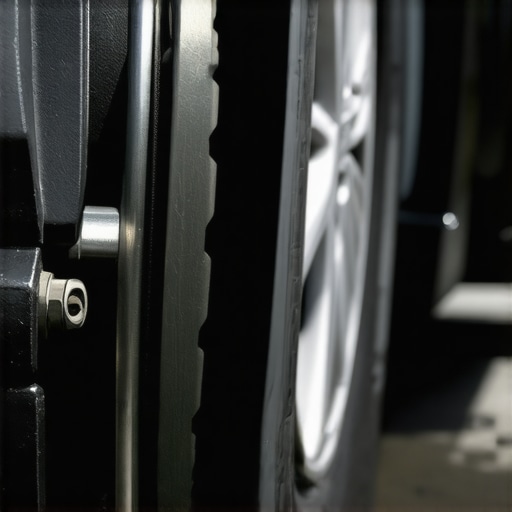
I remember the day I first heard that groaning noise when I gently released my brake pedal. It was a quiet Sunday morning, and I was just pulling out of my driveway. Suddenly, that unmistakable, harsh sound shattered the calm. My heart sank — I knew it wasn’t supposed to be like that. As a car owner, those little sounds can feel like warning sirens, and honestly, I felt a mix of frustration and worry.
Decoding the Groan: What’s Really Happening When You Release Your Brake Pedal?
I’ve come to realize that that groaning isn’t just annoying — it’s a sign that something in your brake system needs attention. Often, it’s related to your brake pads, rotors, or even your anti-lock braking system (ABS). This noise can be a precursor to more serious issues like uneven wear or, worse, brake failure. Understanding why your brakes groan can save you money, prevent dangerous situations, and extend the life of your vehicle.
Is It Worth Worrying Over, or Just Annoyance?
Trust me, early on, I made the mistake of ignoring that noise, thinking it was just a squeal that would go away. Spoiler alert: it didn’t. That was my mistake. Regular inspections and prompt repairs can address such issues before they escalate. A study shows that ignoring brake problems can lead to costly repairs or accidents, emphasizing the importance of paying attention to these sounds according to industry experts.
Have you ever experienced that groan when you’re in a hurry, or maybe just parking your car? If so, you’re not alone, and there’s definitely a way to fix it. But first, let’s talk about some common causes and how to identify them so you know exactly what to tell your mechanic.
Inspect Your Brake Pads and Rotors
Start by visually examining your brake pads for uneven wear or debris lodged between the pad and rotor. Remove the wheel for a clear view—think of it like cleaning a window to see if dirt’s causing the squeal. If the pads look worn down or glazed, replacing them can eliminate the groan. During my own experience, I used a brake cleaner spray to remove surface contaminants, which immediately quieted the noise. Always ensure the rotors are smooth and free of deep grooves; if they’re damaged, resurface or replace them for optimal performance. For detailed guidance, check out this repair guide.
Lubricate Brake System Components
Apply high-temperature brake grease to the back of brake pads and in the areas where metal parts slide against each other. This reduces metal-on-metal contact that causes noise. Use a silicone-based brake lube—think of it like giving your brakes a massage—they’ll thank you with quieter operation. I once applied lubricant to my caliper pins, which resolved a persistent groan during braking. Be cautious to avoid getting grease on the brake pads or rotors, as that can affect braking effectiveness. Proper lubrication prevents metal squeal and prolongs component life. When in doubt, consult this detailed technique.
Check Your Brake Hardware
Loose or corroded hardware can cause parts to rattle or groan during pedal release. Inspect retaining clips, b-handles, and caliper pins for signs of wear or corrosion. Tighten or replace any loose or damaged components. Imagine your brake hardware as the orchestra’s conductor—if it’s out of sync, the entire symphony (your braking system) suffers. I once fixed a sticking caliper pin that was causing a persistent groan; after replacement, the noise vanished almost immediately. Regularly maintaining hardware ensures your brake system performs smoothly and quietly, especially before the next long drive. For more on hardware inspection, visit these essential checks.
Schedule Professional Inspection
If you’ve tried these steps but still hear groaning, it’s time to see a mechanic. They can perform a thorough diagnosis, using specialized tools to detect issues like warped rotors or brake caliper malfunctions. Think of it as visiting a doctor for a chronic cough—you might need expert intervention. Making an appointment through this contact page ensures your brakes get the professional attention they need before the problem worsens, saving you money and ensuring safety.
Many car owners operate under misleading beliefs about vehicle maintenance, especially when it comes to transmission and brake service. One common myth is that all brakes are the same and always need replacing at the first sign of noise. However, seasoned mechanics recognize that diagnosing the root cause is vital — sometimes the noise stems from a simple lack of lubrication rather than worn-out pads. Jumping straight to replacement can lead to unnecessary expenses and overlooked underlying issues. In my experience, understanding the subtle differences in brake components and their wear patterns can significantly prolong your vehicle’s lifespan.
Do Most People Overlook Advanced Brake Issues and Fail to Prevent Major Failures?
Absolutely. A frequent mistake is believing that regular brake pad replacement suffices for maintenance. The truth is, issues like warped rotors or caliper malfunctions often develop slowly and require precise diagnosis. Relying solely on subjective noise inspection without proper tools can make you miss these hidden problems. Expert sources underline that advanced diagnostics, such as measuring rotor runout or caliper pressure, are crucial for accurate assessments according to industry specialists. To avoid costly repairs later, investing in professional inspections can save you money and ensure safety.
Another misconception involves transmission health. Many believe that transmission fluid only needs changing after extensive mileage. Yet, recent studies show that modern fluids can degrade faster under certain driving conditions, leading to early wear — especially if stop-and-go traffic or mountain driving dominates your routine. Using stop-leak additives or neglecting fluid quality can trap dirt and create varnish buildup, increasing the risk of transmission failure as explained by transmission experts. Knowing how and when to maintain transmission fluid properly, rather than relying on myths, safeguards your vehicle’s performance.
Let’s talk about collision repair. Many believe that minor dents and scratches are purely cosmetic and don’t impact vehicle safety. However, even small impacts can conceal structural damage or frame misalignments that compromise safety. Recognizing subtle signs like uneven tire wear or misaligned doors can serve as clues. Professional inspection and proper repair strategies are often necessary to prevent long-term issues as outlined in advanced repair techniques. Skipping these nuances might save money short-term but could put you at risk during an accident.
While these misconceptions persist, it’s vital for vehicle owners to go beyond surface-level fixes. Regular, nuanced diagnostics and expert advice are essential in preserving the longevity and safety of your car. I encourage you to question common beliefs and consult professionals for tailored maintenance plans — it’s the best way to avoid costly surprises. Have you ever fallen into this trap? Let me know in the comments, and share your experiences with vehicle maintenance mysteries or mistakes.
Keeping It Running with Expert-Recommended Tools and Methods
Maintaining your vehicle’s performance over time requires more than just routine visits to the mechanic. It’s about equipping yourself with precise tools and adopting effective techniques that ensure longevity and safety. From diagnosing transmission issues to fine-tuning your brake system, having the right equipment empowers you to handle many minor concerns before they escalate.
Why I Prefer Using a Digital Inspection Camera
Personally, I rely heavily on a compact digital inspection camera, such as the DEPSTECH Wireless Endoscope. Its high-resolution camera allows me to peer into tight spaces—like inspecting the inside of brake calipers or behind engine dashboards—without dismantling major parts. This easy visualization helps identify issues like corrosion or debris early. The ability to record footage also means I can show diagnostics to my mechanic, saving time and money. As technology advances, these tools are becoming more affordable and user-friendly, making regular self-inspection more feasible.
Utilizing Accurate Tire Pressure Monitoring Systems
Beyond visual checks, I recommend investing in a high-quality TPMS wireless sensor kit. Proper tire pressure is vital for brake efficiency, fuel economy, and overall safety. Modern TPMS kits can connect to your smartphone, providing real-time data on tire health. I find that keeping a close eye on tire pressure prevents uneven wear and can alert me to slow leaks that might cause dangerous blowouts. The key here is calibration and regular monitoring—not just relying on dashboard lights, which might be delayed or faulty.
Regular Software Updates for Vehicle Diagnostics
A game-changing habit is updating your car’s onboard diagnostic software using tools like the OBD-II scanner from companies like BlueDriver or FIXD. These devices sync with your smartphone app to read fault codes and even suggest fixes. Updating the software periodically ensures compatibility with manufacturer updates, helping to catch issues early in systems like transmission control modules or ABS units. Keeping diagnostic software current is essential as vehicles become more computerized.
Harnessing the Power of Routine Data Logging
I also recommend maintaining a digital log of your vehicle’s performance metrics. Apps like Fuelly or Car Scanner record miles driven, fuel efficiency, and error codes, giving you a comprehensive picture over time. This data helps spot patterns—like a gradual decline in braking performance or transmission responsiveness—that might not be obvious day-to-day. Regularly reviewing logs can inform you when it’s time for preventive maintenance, effectively extending your vehicle’s lifespan.
Predicting the Future of Auto Maintenance Tools
Looking ahead, I believe the integration of AI and machine learning with your vehicle’s onboard systems will revolutionize maintenance. Future tools will automatically diagnose issues and suggest repairs proactively, even ordering parts or scheduling appointments. Wearable tech may also enable mechanics to perform remote diagnostics with real-time video analysis, reducing downtime and costs. Embracing these innovations now can give you a substantial edge in maintaining your vehicle efficiently.
How do I maintain my vehicle’s systems over time?
The secret to long-term vehicle health is consistency. Regularly check and calibrate your diagnostic tools, keep software updated, and observe performance logs for early signs of trouble. Incorporate routine inspections of brake components and transmission fluid levels, using precise tools to assess their condition accurately. Remember, proactive maintenance with the right equipment not only saves money but also keeps you safe on the road. For tailored advice or professional assistance, don’t hesitate to reach out to experts.
Over the years, I’ve realized that paying attention to the tiniest sounds your car makes can be the difference between a smooth ride and costly repairs. That seemingly insignificant groan when releasing the brake pedal is more than just a nuisance—it’s a window into your vehicle’s health. By understanding and addressing these subtle clues early, you can extend your car’s lifespan and drive with confidence.
What My Experiences Taught Me About Handling Brake Anomalies
- Listening is Key: That faint squeal or groan often signals uneven brake pad wear or contamination. Ignoring it only worsens the problem, leading to expensive repairs or safety hazards.
- Prevention Saves Money: Regular inspections, even when your car feels fine, can catch issues before they escalate. Investing in preventive maintenance is always more cost-effective than emergency repairs.
- Tools Can Empower You: Using simple diagnostic tools like digital inspection cameras or quality brake lubricants can help you identify and address minor issues at home, saving both time and money.
- Knowing When to Seek Help: Even with DIY efforts, some problems require professional diagnosis. Don’t hesitate to schedule an expert inspection if noise persists or worsens, ensuring your safety and peace of mind.
Recommended Gear That Changed My Approach to Auto Care
- DEPSTECH Wireless Endoscope: This compact camera allows me to visually inspect hidden parts of my brake system and engine without dismantling large components. Its high-resolution footage gives me peace of mind and detailed visuals to show my mechanic.
- BlueDriver OBD-II Scanner: Reliable diagnostics are crucial. I trust this tool for accurate fault codes and ongoing performance logs, which help me spot patterns signaling early trouble.
- TPMS Wireless Sensors: Keeping tabs on tire pressure has prevented countless brake and suspension issues—plus, it improves fuel efficiency and safety.
- Regular Software Updates: Ensuring my vehicle’s ECU and diagnostic tools are current keeps me one step ahead of complex electronic issues that might cause brake or transmission problems.
Embrace the Future with Knowledge and Confidence
Navigating the world of auto maintenance can feel overwhelming, but it’s empowering to take control. Regularly leveraging these tools and insights means fewer surprises and safer journeys. Remember, the tiniest sounds and signs often hide the biggest opportunities for proactive care. Keep learning, stay curious, and don’t hesitate to reach out for professional guidance when needed. Your vehicle—and your wallet—will thank you.
What small change have you made that dramatically improved your vehicle’s performance? Share your stories below and let’s grow our auto care wisdom together.