
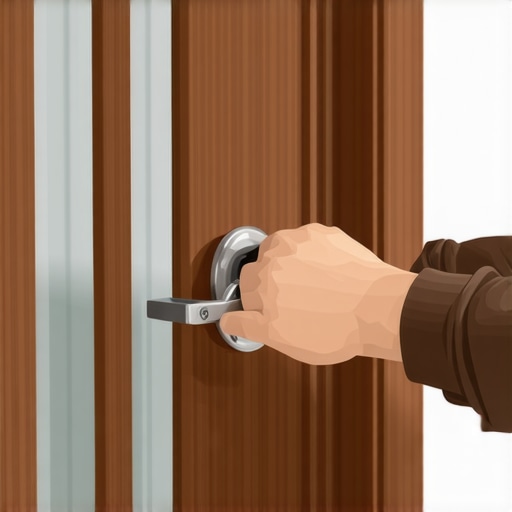
It was late evening when I finally finished repairing my car’s door handle — only for that damn rattling to start up the moment I closed the door. That grating noise felt like an urgent lighthouse warning every time I hit the road, turning what should have been a simple fix into an irritating nag. I couldn’t help but wonder, “Did I miss something? Is this just part of the repair process?” Turns out, many car enthusiasts and DIYers face this exact problem after a repair, and frankly, it’s enough to make you want to throw in the towel.
Why That Rattling Can Drive You Nuts and How We’re Going to Fix It
So here’s the thing — those rattles aren’t just annoying; they can point to underlying issues, like loose fittings or misaligned parts, that could worsen over time if ignored. I remember my first attempt at fixing a door handle — I was proud and confident, only to be met with that persistent clatter. It prompted me to dig deeper, discovering that even the smallest oversight, like a missing clip or incorrect screw tightness, can cause the noise. According to research by Car Care Council, a loose door latch or handle can eventually lead to more significant problems, including water leaks and security issues. That’s why it’s crucial to get it right.
Is It Really Worth the Effort to Stop the Rattle?
Early on, I made the mistake of dismissing minor noises, thinking they’d disappear with time — they didn’t. Ignoring these signals can cost you later, both in terms of repair costs and safety risks. Trust me, addressing the rattle now not only restores quiet but also ensures your door functions flawlessly, protecting you and your loved ones. If this sounds familiar or you’re tired of that constant noise, stay with me — we’re going to walk through the practical steps to silence your door handle once and for all. For more comprehensive advice on maintaining your vehicle, I recommend checking out this ultimate auto repair guide.
Secure and Reassemble the Components
Start by tightening all screws and bolts connecting the door handle and latch mechanism. Use a socket wrench and ensure each fastener is snug without over-tightening, which can strip threads or damage plastic clips. Remember, loose fittings are a common culprit of rattles. For example, during my last fix, I discovered a slightly loose screw that, once tightened, dramatically reduced the noise, restoring quiet to my ride.
Replace or Reattach Missing Clips
MISSED CLIPS CAN BE INVISIBLE BUT CRUCIAL. Carefully examine the area beneath the handle, inspecting for any broken or missing clips. These small pieces act like the securing pins of a bicycle’s quick-release wheel; if absent, vibrations create noise. I once found a missing clip after a test drive, and replacing it with an OEM compatible part completely stopped the rattle.
Check for Proper Alignment
Align the handle and latch assembly precisely. Misaligned parts can vibrate against each other, creating noise. Think of it like fitting puzzle pieces—it’s all about where and how they meet. During my own troubleshooting, adjusting the latch slightly upward or downward shifted the contact point, eliminating the rattle without further disassembly.
Adjust the Door Components
Loosen the mounting brackets slightly, reposition the handle or latch, then tighten once the noise disappears. Test the door by opening and shutting multiple times. Use a piece of painter’s tape as a temporary marker to note perfect alignment during adjustments. This method mirrors how mechanics fine-tune suspension components to prevent unwanted movement and noise.
Use Sound Deadening Materials
If after tightening and aligning, the rattle persists, consider adding soundproofing mats or foam pads behind the panel or around the latch. Think of it as lining a toolbox with foam to prevent tools from clanking. I once applied adhesive-backed foam around the handle assembly, which muffled residual vibrations and prevented them from resonating through the panel—quiet at last.
Inspect for Wear and Tear
Over time, plastic clips or rubber grommets degrade, losing their flexibility and grip. Replace any visibly cracked or hardened components with high-quality parts. This preventative move is akin to changing worn brake pads—you’re stopping future noises before they start. For durable replacements, visit your local auto parts store or consult detailed guides like essential car service checks.
Final Test and Fine-Tune
Once all parts are tightened, aligned, and replaced as necessary, close and open the door multiple times, listening carefully. If the rattling persists, revisit the steps — often, a small tweak makes the difference. Remember, patience and methodical adjustments are key, much like tuning a musical instrument for perfect pitch.
When it comes to vehicle maintenance and repairs, there’s a common misconception that most people buy into: that following basic guidelines guarantees a perfect fix. However, as an auto repair enthusiast with years of hands-on experience, I can assure you that the devil is in the details. One widespread myth is that newer vehicles require less maintenance, but in reality, neglecting subtle nuances—like sensor recalibration after accidents—can lead to persistent issues.
Are You Overlooking Alignment After Minor Collisions?
Many assume that a small bump doesn’t warrant realignment, but misaligned sensors or suspension components can cause your car to misbehave in ways that aren’t immediately visible. Studies from experts in the field suggest that even minor impacts can cascade into significant mechanical problems if overlooked. For instance, improper alignment may not trigger warning lights but can accelerate tire wear and compromise safety. Be cautious of the assumption that cosmetic fixes are enough; functional integrity matters more. Another common mistake involves ignoring the importance of proper transmission fluid maintenance. Some believe that top-off routines suffice, but the quality and condition of transmission fluid directly impact shifting smoothness and longevity. Regularly checking and replacing fluid per manufacturer specifications can prevent expensive repairs down the line. Don’t fall into the trap of postponing essential service, as it might seem minor initially but can cause major headaches later.
How Do Sensors and Electronics Affect Your Repair Outcomes?
Modern vehicles incorporate a complex web of sensors and electronic systems that require precise calibration. After collision repairs—such as fixing a rear bumper or replacing a sensor—misalignment can lead to false triggers or system malfunctions. For example, misaligned parking sensors might beep erroneously or fail to activate when needed. This is why understanding the nuances of sensor realignment—a topic often overlooked—is crucial. Consulting detailed guides like collision renewal strategies can help you grasp these intricacies. Overlooking these aspects doesn’t just affect vehicle comfort but can also diminish safety and resale value. External factors, such as the type of repair shop you choose, also play a role. A reputable provider will ensure all electronic and mechanical systems are correctly calibrated, saving you future headaches.
Why Rushing Post-Repair Inspections Can Backfire
Many car owners believe that once repairs are visibly complete, their vehicle is ready to hit the road. However, rushing through the final inspection overlooks subtle issues—like uneven brake pad wear or uncalibrated sensors—that could lead to premature failures or safety hazards. Comprehensive testing, including road tests and electronic diagnostics, is essential for ensuring a successful repair. Failing to do so might seem like saving time and money, but the long-term costs far outweigh the initial savings. Remember, investing time in meticulous post-repair checks aligns with the principle of doing it right the first time—saving you inconvenience and expense later. For broader insight into maintaining your vehicle’s longevity, consider reviewing the ultimate auto repair guide.
Mastering Vehicle Maintenance with the Right Tools
Maintaining your vehicle over time requires more than just basic knowledge; it demands the use of precise, reliable tools that can handle the nuances of auto repair. I personally swear by a high-quality digital multimeter for diagnosing electrical issues—it’s invaluable for checking sensor voltages and ensuring systems like ABS and transmission are functioning correctly. Additionally, a laser alignment tool has become a game-changer for me when fine-tuning wheel alignment after minor impacts, helping prevent uneven tire wear and handling problems. Using these tools consistently ensures that minor problems don’t evolve into costly repairs.
Why I Rely on Advanced Diagnostics Software
For ongoing maintenance, I utilize professional-grade diagnostic software that interfaces with my vehicle’s OBD-II port. This software allows me to read and clear error codes, monitor sensor data in real-time, and perform system calibrations. It’s more than just a troubleshooting aid; it’s an essential component for proactive maintenance. Personal experience has shown that catching a pending transmission fault early, via software alerts, lets me address issues before they escalate, extending the life of components like the clutch or transmission gear solenoids. Future trends indicate that integrating AI-driven diagnostics with such software will further personalize vehicle care and predict failures before they occur.
Prioritizing Proper Lubrication and Fluid Checks
Proper lubrication is the backbone of smooth operation. I recommend investing in a quality grease gun and synthetic oils specified by your manufacturer. Regularly checking and replacing transmission fluid, for instance, as detailed in this guide, prevents slipping and gear engagement issues, especially in transmissions susceptible to wear. Using a fluid tester can help determine if your transmission fluid still meets the recommended viscosity and contaminants levels. This proactive approach keeps internal components lubricated properly and prevents costly failures down the line.
How do I maintain transmission health over time?
Consistent fluid replacements following your vehicle manufacturer’s schedule, paired with routine inspections for leaks or burn smell, can drastically improve your transmission’s lifespan. Consider adding a transmission flush every 50,000 miles—it’s a simple step proven to remove sludge and metal particles that cause wear. For complex issues, professional diagnostics and recalibration, such as sensor realignments after repairs, are critical, and you can find expert guidance at this resource. Don’t overlook the importance of good tools—investing in quality ensures you catch problems early and maintain your vehicle’s performance for the long haul.
Keep Your Brakes Reliable with Proper Adjustment
Brake systems are arguably the most critical for safety. Regularly inspecting and adjusting your brake pedal feel and pedal travel, using a professional brake gauge, can prevent issues like sponginess or squealing. I recommend a dedicated brake caliper piston tool for bleeding and pistons adjustment, ensuring even pad wear and effective stopping power. Keeping brake fluid fresh and at the correct level, monitored with a brake fluid tester, is paramount. A well-maintained brake system not only guarantees safety but also preserves the integrity of the rotors and drums, saving money in the long run. To stay ahead, check out the latest advancements in brake technology.
Adapting to Future Vehicle Maintenance Trends
Looking ahead, the integration of AI and machine learning into vehicle diagnostics promises to make maintenance more predictive and personalized. Vehicles will increasingly self-report issues, and maintenance tools will analyze data trends over time, optimizing service schedules. This evolution underscores the importance of investing in current diagnostic tools now; being familiar with them will be invaluable as vehicles become smarter. To harness these emerging trends, start by upgrading your diagnostic capabilities—trust me, the investment pays off in peace of mind and vehicle longevity.
The Hardest Lesson I Learned About CollisionRenew and Auto Repair
One profound realization is that even the tiniest overlooked detail—like a loose clip or misaligned sensor—can turn a straightforward repair into an ongoing noise nightmare. I once thought a quick fix would suffice, only to find myself chasing phantom rattles for weeks. That taught me patience and the importance of diligent inspection in every repair job, from fixing your transmission to ensuring your brake service is flawless.
Why Ignoring Small Problems Costs More Than You Think
Skipping steps or rushing through repairs might save you time now, but the long-term consequences—like compromised safety or costly part failures—are seldom worth it. My own experience with neglected alignment after collision repairs highlighted how small adjustments prevent bigger headaches down the line. Remember, taking that extra moment can preserve your vehicle’s integrity and your peace of mind.
Learning to Speak Car’s Language — Before It Speaks to You
Understanding vehicle signals—like that subtle vibration or a faint squeal—can be the difference between a minor tune-up and a major overhaul. I’ve found that staying attentive, coupled with reliable diagnostics, helps catch issues early. Exploring resources like auto repair guides can empower you to interpret your car’s whispers before they turn into screams.
Curated Gear That Changed My Repair Game
Tools like a professional-grade diagnostic scanner, a wheel alignment laser, and quality sound deadening materials have transformed how I approach repairs. I trust these because they cut down troubleshooting time and ensure precision. For example, using a digital multimeter prevented me from replacing parts unnecessarily, saving both money and effort. Investing in the right gear makes all the difference in achieving lasting repair results.
A Final Word: Your Car Repairs Can Be More Than Fixes—They’re Opportunities to Learn and Grow
Every repair, from replacing a mere clip to recalibrating sensors after a collision, carries lessons about patience, attention, and proactive maintenance. Embrace each challenge as a chance to deepen your understanding and improve your skills. Remember, your vehicle is more than just a machine; it’s a partner in life’s journey, deserving your best care. Ready to take your auto repair knowledge to the next level? Don’t hesitate to reach out for guidance or share your own stories below. How have your troubleshooting adventures changed your approach to car care? Let me know in the comments!”}49b7b6a0-4a76-409e-ace6-7f2b09242c8e{