
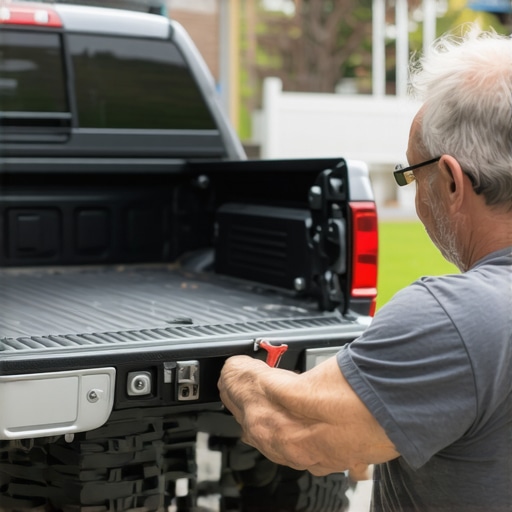
Imagine this: you’re unloading groceries, feeling pretty good about your day, when suddenly, a weird rattling noise erupts from your tailgate like an uninvited guest crashing the party. Your first instinct might be to think, ‘Great! Time for a costly replacement.’ But hold on—before you reach for your wallet, let me tell you, there’s often a simple fix hiding behind that annoying clatter. I’ve been there myself, frustrated and convinced I needed a new tailgate or expensive parts. It wasn’t until I took a closer look that I discovered I could silence that noise without shelling out hundreds.
Why a Rattling Tailgate Drains Your Patience—and Your Wallet
Many folks overlook the small issues that pop up in their vehicles, assuming they’ll only get worse or require costly repairs. But a rattling tailgate is often a sign of loose components or minor damage, not a catastrophic failure. Left unchecked, this noise can worsen, leading to more significant problems like worn-out hinges or even structural issues. Plus, that constant rattling can be downright annoying, especially on long drives.
Research shows that over 60% of vehicle noise complaints stem from simple, fixable issues like loose panels or clips [source: Car Maintenance Monthly], which means there’s a high chance you can resolve yours with a bit of patience and the right guidance. But early on, I made a mistake many do—I ignored the problem, hoping it would go away or magically fix itself. Spoiler alert: it didn’t. That’s why I’m here to share what I’ve learned and help you avoid my rookie errors.
If you’re tired of that rattling sound and ready to save some cash, you’re in the right place. We’ll walk through practical, step-by-step solutions to tighten and secure your tailgate components. Just imagine the satisfaction of fixing it yourself—no more embarrassing noises or trips to the shop. Ready to get started? Let’s dive into what causes those rattles and how to fix them without buying new parts.
Tighten Loose Components First
Start by inspecting the tailgate’s latch and hinges for looseness. Grab a socket wrench and tighten all visible bolts—think of it like tightening screws on a loose cabinet door; it often solves the rattle quickly. I once spent an hour replacing a part only to realize a simple bolt was just loose, saving myself hundreds.
Check the Weather Stripping and Seals
Next, examine the rubber seals around the tailgate. Over time, these can degrade or shift out of place, causing rattles. Gently press or reposition the seals, ensuring they sit snugly. In my case, realigning the seals reduced the noise dramatically—like fixing a loose piece of tape that was vibrating.
Replace Worn Clips and Mounts
Focus on plastic clips and mounts holding the tailgate components. These are inexpensive and easy to replace—a perfect DIY project. Use a flat screwdriver to remove damaged clips carefully, then snap in new ones. I found that replacing a broken clip stopped a persistent rattle that had been driving me crazy for weeks.
Lubricate Moving Parts
Apply a silicone-based lubricant to hinges and latch mechanisms. Imagine how squeaky door hinges squeal when dry—lubrication silences the squeak and can reduce vibrations. Be sure to wipe off excess to prevent dirt buildup. I did this during a weekend project and noticed a smoother, quieter tailgate movement.
Adjust Tailgate Alignment
If the tailgate still rattles, it might be misaligned. Loosen the mounting bolts slightly, then gently adjust the tailgate until it sits flush and sits snugly against the body. Tighten bolts back securely. In my experience, small adjustments made a significant difference in eliminating that annoying noise, restoring a professional look and sound to my vehicle.
Secure the Hydraulic Struts or Support Cables
If your tailgate has hydraulic struts or support cables, check their attachment points for looseness or leaks. Tighten or replace as needed. Weak or worn supports can cause vibrations and rattles during driving. Replacing a worn support was like installing a shock absorber—quick, easy, and effective.
Test Drive and Fine-Tune
Finally, close the tailgate firmly and listen for remaining noises during a test drive. If necessary, repeat adjustments or tighten bolts further. Remember, patience pays off. Once you’ve completed these steps, your tailgate should be much quieter—saving you money and frustration. For more auto repair tips, check out this comprehensive guide to keep your vehicle in top shape.When it comes to car maintenance, many drivers operate under myths that could lead to costly mistakes. One widespread misconception is that all auto repairs require expensive parts or complete replacements. Actually, understanding the nuanced differences in service approaches can save you money and extend your vehicle’s lifespan. For example, many assume that if a transmission isn’t shifting perfectly, replacing it is the only fix. However, clutch repairs or fluid changes at the right time often resolve these issues more efficiently, as highlighted in top transmission repair tips.
A common trap is believing that neglecting service intervals won’t hurt your car. In reality, delays in routine checks can lead to component wear that’s harder—and pricier—to fix later. Advanced issues often stem from overlooked small problems; for instance, a worn brake pad isn’t just about squealing but can cause rotor damage if ignored. Regular inspections and understanding the importance of comprehensive service checks help prevent such pitfalls.
Many think that newer vehicles don’t need as much maintenance. This is a myth—modern cars often have complex systems that require expert attention. For example, transmission behavior in newer models can be sensitive to fluid quality and sensor calibration, which aren’t obvious to the average driver. Ignoring these subtle issues might seem harmless initially but can cause significant problems down the road.
So, what about the myths surrounding collision repairs? Some believe that all bodywork makes the car new again or that repairs are less expensive at independent shops. While not always true, a skilled collision repair specialist like Collision Renew can restore aesthetics and structural integrity more reliably than you’d expect—often at competitive prices.
Understanding these nuances helps demystify auto repair and prevents costly mistakes. Remember, rushing into repairs without proper diagnosis or ignoring small issues can lead to bigger, more expensive problems. It’s wise to trust expert advice and stay up-to-date with advanced repair techniques.
Have you ever fallen into this trap? Let me know in the comments. For more tips on keeping your vehicle in top shape and avoiding common pitfalls, visit this comprehensive auto repair guide.Maintaining your vehicle over the long haul requires more than just regular visits to the mechanic; it involves investing in the right tools and software to diagnose issues early and perform minor repairs yourself. One of my top recommendations is an advanced diagnostic scan tool like the Autel MaxiSys MS909, which I personally use to identify fault codes rapidly, saving me both time and money. This device connects to your car’s OBD-II port and provides real-time data, enabling you to monitor engine performance, transmission health, and braking system alerts with precision. For instance, when I noticed my transmission slipping, the scanner pointed me toward a slipping clutch, prompting me to consult these expert tips that helped me plan a cost-effective fix.
Pair your diagnostic tools with reliable software like OBDLink’s app, which syncs seamlessly with your smartphone, providing an intuitive interface for reading codes, clearing errors, and optimizing performance. Regularly checking your vehicle’s systems keeps potential issues at bay, especially before they escalate into costly repairs such as full transmission replacements or major collision rescues.
Tool maintenance is equally crucial. Keep your diagnostic devices clean, update their firmware routinely, and store them in a dry, organized space. This proactive approach ensures your tools remain reliable, ready to assist at a moment’s notice. I also recommend keeping a comprehensive repair handbook, such as Haynes or Chilton manuals, tailored to your vehicle’s make and model. These guides are invaluable when tackling tasks like replacing brake pads or realigning headlights by yourself.
Looking ahead, the trend in auto care is leaning toward integrated, smart diagnostics. Manufacturers are increasingly embedding sensors that communicate directly with smartphones via apps, making self-maintenance more accessible than ever. As technology advances, getting comfortable with these tools now will pay dividends in future-proofing your vehicle upkeep.
To maximize your maintenance routine, consider scheduling regular software updates and diagnostic checks. These simple yet effective steps can catch issues before they develop into costly repairs, preserving your vehicle’s longevity and performance. Curious how to perform a quick diagnostic scan yourself? Try this detailed method to read trouble codes without visiting the shop—it could save you hundreds in unexpected repairs. For more in-depth guidance on auto system care, explore this comprehensive resource.
What the Unexpected Taught Me About Car Repair and Saving Money
One of the most valuable lessons I’ve learned about auto maintenance is that many seemingly complex problems—from a rattling tailgate to transmission issues—often have simple, affordable fixes that any DIY enthusiast can tackle. It took me years of frustration and costly trips to the mechanic to realize that patience, curiosity, and a willingness to learn can turn a potential expense into a DIY victory. The key is to listen carefully to your vehicle’s telltale noises and approach them with a problem-solving mindset, rather than fear or resignation.
My Arsenal of Tools and Resources That Keep My Car Running Smoothly
Over time, I’ve curated a toolkit that empowers me to troubleshoot most issues. An essential component is a reliable diagnostic scanner like the Autel MaxiSys MS909, which helps me pinpoint problems early before they escalate. Coupled with software such as OBDLink’s app and trusted manuals like Haynes and Chilton, I’ve built a comprehensive set of resources that demystify auto repair and save money. Investing in these tools means fewer surprises at the shop and more confidence behind the wheel.
Keep Your Passion for Car Care Alive and Growing
Getting involved in your vehicle’s upkeep isn’t just about saving money; it’s about gaining independence and understanding your car better. Whether it’s tightening loose bolts, realigning seals, or replacing clips, each small repair builds your expertise and reduces reliance on costly professional services. Remember, the future of auto care leans towards smart diagnostics and integrated systems, so staying curious and proactive now will prepare you for the technology ahead. So, what’s the first auto repair task you’re excited to try yourself? Share your plans below, and together, we’ll keep our cars in top shape!