
Picture this: You’re cruising down the road, enjoying your drive, when suddenly you hear it—the unmistakable squeak emanating from the back of your car. That sharp, squealing sound can turn a peaceful ride into a source of worry in an instant. I remember the first time I heard that noise; I stopped in my tracks, thinking, “Is this the beginning of a costly repair?” It’s a common concern among vehicle owners, and honestly, it can be pretty nerve-wracking if you’re not sure what to do.
Your Car’s Rear Suspension Might Be Sending a Cry for Help
That squeak isn’t just an annoyance—it’s a signal from your car’s suspension system, hinting that something might need attention. Ignoring it can lead to uneven tire wear, compromised handling, or even dangerous driving conditions. But here’s the good news: diagnosing that squeak doesn’t require a mechanic’s full inspection right away. In fact, with a little insider knowledge and some simple checks, you can identify the culprit quickly. Over the years, I’ve learned that most squeaks come from a few common sources, and understanding them has saved me hundreds in unnecessary shop visits. Want to save time and money on your next car repair? Stick around; we’re about to dive into the quick ways to figure out if your rear suspension is squeaking—and why it’s worth solving right now.
Is Your Squeak Worth the Hype or Just Noise?
Early in my journey, I once dismissed a squeak, thinking it was just a temporary issue. That mistake nearly led to a more severe problem. The key is knowing when a harmless squeak is a warning sign. According to automotive expert advice, recognizing early symptoms can prevent costly repairs down the line. For example, a persistent squeak from the rear could indicate worn bushings or a lack of lubrication, which, if left unchecked, might damage other parts of your suspension system. So, before you dive into complex diagnostics or spend money on unnecessary repairs, let’s look at how you can pinpoint the source of that irritating noise yourself.
If you’re tired of that squeak ruining your drives or just curious about how to spot serious issues early, you’re in the right place. We’ll explore straightforward, practical tests that anyone can do—no fancy tools required. Plus, I’ll share some common mistakes to avoid so you don’t waste time chasing ghosts. Ready to get started? Let’s make that squeak a thing of the past—and keep your ride smooth and safe. Curious if this applies to your car right now? Think about that persistent squeak—has it been bothering you for a while, or did it just start today? If so, you’re not alone, and the next steps could save you from a bigger headache down the road.
Begin with a Visual Inspection
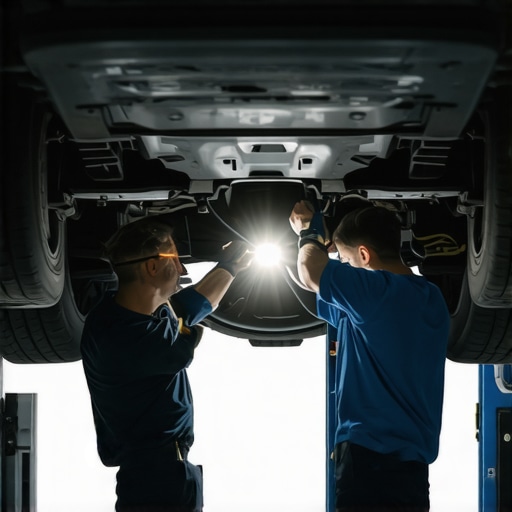
Park your car on a level surface, engage the parking brake, and turn off the engine. Look for any obvious signs of wear or damage in the rear suspension components, such as torn bushings or leaking shocks. Take a flashlight and inspect the springs, shocks, and bushings closely. I once found a cracked bushing on my rear left that was causing a squeak, which was a quick fix after replacement.
Check for Lubrication Issues
Squeaks often stem from dry or worn-out rubber parts. Spray a silicone-based lubricant on the bushings and moving joints in the suspension. Be cautious not to over-spray, and avoid getting lubricant on brake parts. Remember, this is a temporary measure, but it’s excellent for pinpointing the problem. After lubricating, test drive and listen for noise reduction. Previously, I applied lubricant to my sway bar bushings, which significantly diminished the squeak, confirming their dryness was the culprit.
Perform a Bounce Test
Carefully push down on the rear of your car with moderate force, then release. Observe how the suspension responds—if it bounces more than once or twice, the shocks might be worn out. A quick test I did revealed my shocks were failing after a noticeable excessive bounce, which prompted me to replace them and resolve the squeaking.
Test While Driving for Specific Sounds
Take your car for a smooth test drive over different road surfaces. Pay close attention to when the squeak occurs—whether over bumps or during turns. For me, the squeak intensified when I hit potholes, indicating that the shock absorbers or bushings were loose or broken. This information narrows down which parts need repair or replacement.
Identify Worn Bushings or Springs
If you notice cracks or deterioration, these should be replaced immediately. Worn bushings often cause squeaking during suspension movement. My experience involved replacing worn sway bar bushings, which eliminated the noise and improved handling. You can find detailed guidance on essential car service checks that also apply here.
Decide on Repair or Replacement
Based on your findings, determine if DIY fixing is feasible or if professional help is necessary. For stubborn parts, consulting a mechanic ensures proper installation and safety. Remember, neglecting suspension issues can lead to uneven tire wear or handling problems, so addressing squeaks promptly is essential to maintain your vehicle’s reliability. If replacing parts, ensure to check other suspension components for wear or damage—preventative maintenance saves money and hassle in the long run. For long-term vehicle health tips, visit auto repair guide.
Many car owners operate under assumptions about transmission, auto repair, and car servicing that can hinder proper maintenance and lead to costly mistakes. As an automotive enthusiast and experienced technician, I’ve seen how these misconceptions persist, often causing preventable damages.
Why Most People Overlook Transmission Maintenance Nuances
One prevalent myth is that transmission fluid lasts a lifetime. In reality, manufacturers recommend regular changes to prevent buildup of debris and transmission wear, as detailed in top transmission repair tips. Waiting for obvious signs of failure often results in irreversible damage, such as overheating and complete transmission failure. I warn clients that ignoring these nuances can lead to a cascade of problems that are much more expensive to fix.
Another misconception is that a slipping transmission only occurs when a problem is imminent. Actually, subtle hints like delayed engagement or rough shifts signal early warning signs, and proactive diagnosis can save thousands. Advanced diagnostic techniques, including mechanical testing and fluid analysis, reveal issues before they become catastrophic. Remember, neglecting early symptoms due to misinformation is an ‘oops’ that can cost you dearly in repairs.
Spotting the Common Pitfalls in Brake and Collision Service
Many assume that brake pads are the primary component to replace during brake service. While they are critical, overlooking the significance of rotor condition or brake fluid quality can compromise safety and braking performance. Proper brake service entails comprehensive checks—something often underappreciated—and understanding that every component works in tandem is vital for reliable stopping power.
Similarly, in collision repair, some believe that minor dents or scratches are purely cosmetic. However, even seemingly insignificant damage can conceal structural issues or underlying frame distortions, which, if left unaddressed, may compromise vehicle safety. Expert collisionRenew strategies emphasize meticulous inspection protocols to ensure the integrity of the repair process. Before accepting surface fixes, ask your service provider if they evaluate the frame and underlying components thoroughly.
Here’s a crucial tip: many auto repairs are complicated by the false sense of security that DIY fixes or superficial inspections provide. For instance, quickly replacing a worn bushing without checking related suspension parts can result in uneven wear and long-term handling issues. Always trust a professional for comprehensive evaluations—an investment that extends your vehicle’s lifespan, as underscored in essential car service checks.
Making Smarter Repairs: What Advanced Auto Experts Know
Paying attention to the nuances of auto repair isn’t merely about following the manual — it’s about understanding the interconnectedness of vehicle systems. For example, a minor coolant leak might seem insignificant, but neglecting it can lead to overheating and transmission stress, indirectly affecting transmission longevity. Recognized industry experts have highlighted that addressing these hidden factors is key to maintaining vehicle reliability over the long term.
Moreover, recent studies emphasize the importance of proactive maintenance based on real-time diagnostics rather than reactive repairs. Modern sensors and diagnostic tools can detect subtle shifts in performance, alerting you to potential issues before they escalate. Incorporating these insights into your maintenance routine makes all the difference in avoiding expensive breakdowns and extending your vehicle’s life. To get started, consider periodic comprehensive checks as described here.
Have you ever fallen into this trap? Let me know in the comments. Understanding these nuanced truths about auto repair can transform the way you care for your vehicle, saving you money and stress in the long run.
,
Maintaining your vehicle over time demands more than just periodic oil changes; it requires the right tools, precise methods, and a proactive mindset. As my experience in auto repair has shown, having a well-stocked toolkit and leveraging modern software can greatly enhance your ability to diagnose issues early and prevent costly repairs. One of my top recommendations is investing in a quality OBD-II scanner, such as the BlueDriver Bluetooth Professional OBD2 Scan Tool. This device allows me to easily read and clear trouble codes, monitor real-time sensor data, and track warning indicators without needing a trip to the mechanic. Using it regularly helps me catch transmission or brake problems before they escalate, aligning with expert advice from top transmission repair tips.
Additionally, I rely on software like AutoEngage diagnostics platform which integrates vehicle-specific repair data. This combination of hardware and software provides a comprehensive overview, ensuring I understand the root cause rather than just addressing symptoms. For instance, diagnosing a persistent squeak after a collision was streamlined using these tools, pointing me directly to worn suspension bushings rather than wasted effort on unrelated parts.
Beyond diagnostic equipment, maintaining components with proper techniques extends their longevity. Regularly lubricating suspension joints with high-quality silicone spray, like Permatex Silicone Spray, prevents dry rubber from causing squeaks and enhances performance. I personally apply this every six months to critical points like sway bar bushings, which drastically reduces noise and wear—saving me future headaches. Remember, consistent upkeep coupled with reliable tools forms the backbone of effective long-term vehicle management.
Looking ahead, the trend points toward greater adoption of AI-driven diagnostics and remotely connected tools. Vehicles will increasingly communicate their needs directly to us, making proactive maintenance easier than ever. In fact, experts like those at auto service checks highlight that embracing these technologies is vital for staying ahead of issues and ensuring safety.
How do I maintain my vehicle’s health over time?
The key is combining routine visual inspections, leveraging advanced diagnostic tools, and sticking to manufacturer-recommended maintenance schedules. For example, checking suspension components for wear periodically, or using a high-quality scan tool to monitor transmission health, can prevent minor issues from becoming major repairs. I highly recommend trying out an OBD-II scanner like BlueDriver to see firsthand how it can alert you to potential problems early. Small investments in proper tools and knowledge now can extend your vehicle’s lifespan significantly, giving you peace of mind on the road while saving money in the long run.
The Hardest Lesson I Learned About Transmission and Car Service
- Patience matters—fixing a squeak isn’t just about immediate silence, but understanding the root cause to prevent future damage. Rushing repairs often leads to overlooking critical issues, making problems worse in the long run.
- Tools are your best friends—investing in reliable diagnostics like a quality OBD-II scanner can reveal problems early, saving money and stress. I realized that a little upfront effort with the right equipment pays off significantly over time.
- Don’t ignore small signs—early warning noises or minor handling quirks are often precursors to bigger failures. Addressing them promptly can extend your vehicle’s lifespan and keep you safe.
- Knowledge is power—reading reputable guides and staying informed about common auto repair misconceptions can prevent costly mistakes. Familiarity with vehicle systems turns you from a passive owner into a proactive caretaker.
- Regular maintenance beats reactive fixes—follow manufacturer schedules and perform routine inspections. Preventative care is more affordable and effective than waiting for a breakdown or warning light.
My Go-To Resources for Trusted Auto Guidance
- AutoEngage Diagnostics Platform: This software provides detailed, vehicle-specific repair data, empowering me to make informed decisions during repairs or maintenance. It’s reliable and user-friendly, making complex diagnostic info accessible.
- BlueDriver Bluetooth Professional OBD2 Scanner: An affordable yet powerful tool that helps me read trouble codes, monitor sensors, and clear warnings from my smartphone. It’s become indispensable for early problem detection.
- CollisionRenew’s Essential Car Service Checks: Their comprehensive guides and expert insights help me understand critical maintenance routines, ensuring I don’t overlook key components that affect safety and performance.
- Expert Articles and Community Forums: Staying connected with trusted automotive experts through forums keeps me updated on emerging issues and best practices, fostering continuous learning.
Your Turn to Keep Your Car in Tip-Top Shape
Taking an active role in vehicle maintenance isn’t reserved for professionals— with the right knowledge and tools, you can become your car’s best ally. Regular inspections, proactive diagnostics, and a curiosity for how your car works will pay dividends in reliability and safety. Remember, understanding the nuances of auto repair—especially when it comes to transmission and suspension—can save you money and prevent headaches down the road. Ready to take control and make smarter decisions about your vehicle? The journey towards a smoother, more reliable ride starts now.