
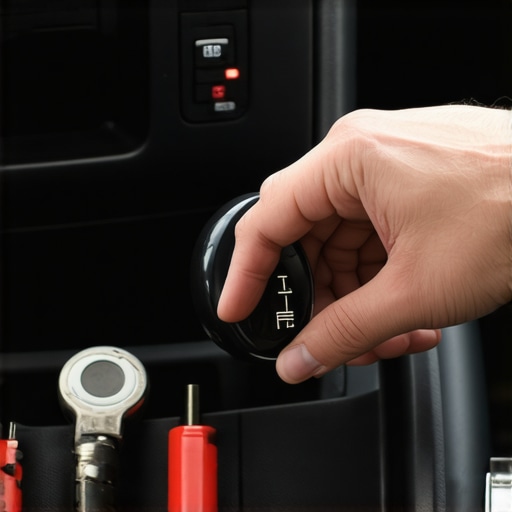
Have you ever been in a rush, ready to hit the road, only to find your automatic shifter’s button sticking stubbornly? Maybe you’re trying to switch gears, and suddenly, the button refuses to press down or releases slowly, making every drive feel like a gamble. I remember the frustrating moment when I was late for an important appointment, and my car’s shifter wouldn’t cooperate. That lightbulb moment taught me that sometimes, the fix is surprisingly simple—and only takes about ten minutes.
Why a Sticky Shift Button Can Ruin Your Day
This small issue might seem benign at first, but it can quickly turn into a larger headache. A malfunctioning shift button can compromise your safety by making it harder to shift gears smoothly, especially in emergency situations. Additionally, if the button gets stuck, it could lead to unintended gear shifts or ignition problems. Not to mention, the inconvenience of trying to maneuver your vehicle with a stubborn shifter that refuses to cooperate.
Over the years, I’ve seen folks struggle with this problem, often wasting time and money on complex repairs when the solution is much more straightforward. Sometimes, the root cause is just dirt, grime, or a worn-out release mechanism that can be fixed in a matter of minutes—and with just a few tools. If you’re tired of wrestling with that sticky button, I’ve got good news: there’s an easy, proven fix that I’ll share in just a moment.
Is a 10-Minute Fix Really That Simple?
Early on, I made the mistake of thinking this was a major issue requiring professional service or expensive replacement parts. Turns out, I only needed to clean and lubricate the component—a realization that saved me hundreds of dollars and plenty of frustration. This experience taught me that the key to fixing minor auto problems often lies in understanding how the parts work and performing a few simple steps. If you’re wondering whether this quick fix can really work for you, stick around. You might be surprised how much can be done in just ten minutes without any special tools.
If you’re curious about other car repair tips or want to prevent future issues, check out our comprehensive ultimate guide to auto repair. But first, let’s dive into how you can resolve that sticky shift button once and for all, starting today.
Prepare Your Workspace and Gather Tools
Start by parking your car on a level surface and engaging the parking brake. You’ll need a few basic tools: a Phillips head screwdriver, a flat-head screwdriver or plastic pry tool, and possibly a flashlight. Wear gloves if you prefer to keep your hands clean and to prevent any accidental scratches. I learned this step the hard way when I accidentally gouged my dashboard while trying to get a better grip.
Access the Shift Button Assembly
Remove the Center Console or Cover Panel
Depending on your vehicle, the shift button might be integrated into the gear shift assembly or a surrounding panel. Use the screwdriver or pry tool to carefully loosen screws or clips securing the panel. Think of this step like disassembling a Lego set—you want to be gentle to avoid breaking clips or damaging tabs. During my repair, I accidentally snapped one clip; luckily, I had a spare and was able to reassemble everything without extra cost.
Locate the Release Mechanism
Once the panel is removed, you’ll see the shift button’s internal components. The release mechanism often involves a spring and a small plastic latch. Check for signs of dirt, grime, or corrosion. If crusted with debris, it’s similar to a door latch jammed with rust—you need to free and clean it for smooth operation.
Clean and Lubricate the Components
Spray a small amount of electrical contact cleaner onto the moving parts, then wipe away dirt with a lint-free cloth. For the spring and latch, apply a tiny drop of multi-purpose lubricant or silicone spray. Don’t overdo it—think of this like applying eye drops: just enough to loosen sticking points without over-lubricating. I once used excessive oil, which attracted more dust, making the problem worse.
Reassemble and Test
Carefully snap everything back into place, ensuring all clips and screws are secure. Once assembled, test the shift button multiple times—press, release, and try shifting gears. If smooth, you’ve successfully fixed the issue. If it still sticks, double-check for proper alignment or residual debris. In my case, reassembling took a quick extra minute, and I was thrilled when the button pressed smoothly afterward.
Prevent Future Sticky Buttons
Regularly clean the area around your shifter to prevent dirt buildup. Applying a light lubricant every few months keeps parts moving freely. Think of it like oiling door hinges—it prevents squeaks and jams before they start. This simple maintenance extends the longevity of your shifter mechanism and saves you from future headaches.
Need more tips on auto maintenance? Check out our ultimate guide to auto repair. Remember, most minor issues like this are manageable with a bit of patience and the right approach. Happy fixing!

Many car owners operate under misconceptions about common auto services like brake repairs or transmission work, often believing they know the essentials. However, as an auto repair enthusiast with years of hands-on experience, I can tell you that some of the most widespread beliefs are actually myths or oversimplifications. Understanding these nuances can dramatically improve your maintenance choices and help you avoid costly mistakes.
Myth: All Brake Services Are Created Equal
Everyone assumes that going to a local chain for brake pad replacement is sufficient, but this overlooks critical details. Premium brake service involves inspecting rotors, calipers, and brake fluid, not just swapping pads. An overlooked nuance is the importance of rotor resurfacing or replacing cracked rotors, which can compromise safety.
Furthermore, many neglect to consider the quality of brake fluid and its moisture content. As per automotive safety studies, contaminated brake fluid can reduce brake effectiveness and lead to ‘spongy’ feel or even brake failure over time. Regularly checking and replacing brake fluid extends the lifespan of brake components and ensures optimal performance.
Why You Shouldn’t Overlook the Transmission Filter and Fluid Flushing
A common mistake is assuming that transmission fluid change is unnecessary or too complicated. However, neglecting this service can lead to sludge buildup, which hampers transmission operation. Modern transmissions are sensitive to fluid quality, and a good transmission service can prevent costly repairs down the line. For comprehensive insights, check out our top transmission repair tips.
Dangerous Oversights in Collision and Body Work
Many believe that fixing a dent or scratch is purely aesthetic, but improper collision repair can weaken structural integrity. One trap to avoid is rushing to repaint without checking for underlying frame damage or rust. Modern repair strategies involve precise alignment and corrosion prevention, ensuring safety isn’t sacrificed for appearance.
Additionally, mismatched paint or improper sealing can lead to paint peel or interior moisture intrusion—compromising vehicle longevity. Collaborating with certified repair shops like Collision Renewal ensures restoration covers all critical aspects, including sensor recalibration and frame realignment. Learn more about our restoration strategies.
Transmissions: Beware of the False Comfort of Lifetime Fluids
Many cars now tout ‘lifetime’ transmission fluid, leading owners to believe they can ignore fluid changes. However, this can be a costly misconception. Studies indicate that even sealed systems benefit from regular inspection and fluid replacement, especially in high-mileage vehicles. Neglecting this can cause slipping, overheating, and eventual hardware damage.
Advanced diagnostics, such as fluid condition analysis, help determine the proper service intervals. To learn more about maintaining your transmission, visit our essential car service checks.
Have you ever fallen into this trap? Let me know in the comments! Remember, understanding the nuances and avoiding common misconceptions in auto repair saves you money and keeps your vehicle safer on the road. For comprehensive guidance, browse our auto repair guide.
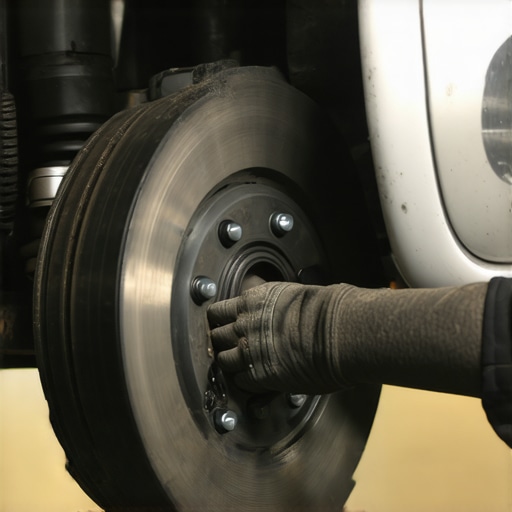
Investing in Quality Equipment for Auto Repairs
When it comes to keeping your vehicle in top shape, having the right tools is non-negotiable. I personally rely on a high-quality digital multimeter from Fluke for diagnosing electrical issues because of its precision and durability. Unlike cheap, analog testers, this device provides accurate readings of voltage, resistance, and continuity, saving me time and preventing misdiagnoses. For fluid checks, I recommend a mechanical oil filter wrench, which simplifies the process of replacing oil filters during routine maintenance—trust me, struggling with a flimsy tool leads to messes. As vehicle systems become more complex, investing in a scan tool compatible with your car’s make and model, like the Autel MaxiCom, allows for real-time data readings and error code clearings, streamlining diagnostics.
Automating Maintenance Tracking with Software
Staying on top of regular service intervals is crucial for long-term reliability. I use vehicle maintenance software like Drivvo or AutoMate for scheduling oil changes, fluid replacements, and inspections. These apps remind me when upcoming services are due, preventing neglected maintenance that can cause costly repairs later. Integrated apps often interface with OBD-II adapters—compact devices plugged into your car’s port—that feed data directly to your phone. This combination ensures you can monitor vital stats like transmission fluid temperature or brake system health without expensive diagnostic visits. As technology advances, I believe we’ll see even smarter systems, perhaps integrated directly into digital dashboards, making proactive maintenance more accessible than ever.
Streamlining Repairs with Proper Tools and Methods
Efficiency during repairs hinges on the right techniques and equipment. For transmission work, I swear by a quality transmission jack from Powerbuilt—the design makes it safer and easier to lift heavy components without strain. When replacing a transmission filter or fluid, using a friction-fitted drain pan avoids messy spills. Additionally, a vacuum pump designed for brake bleeding speeds up the process, ensuring no air pockets remain in the system. Using infrared thermometers helps me detect unusual heat in components like alternators or wheel hubs, indicating potential issues before failure occurs. Embracing these tools transforms complex repairs into manageable tasks and extends the lifespan of critical parts.
Planning for Future Repairs and Scaling Up
As your vehicle ages, planning for ongoing maintenance becomes essential. Modular tools that can adapt to different makes and models, such as universal wheel bearing pullers or adjustable torque wrenches, provide flexibility. For instance, a digital torque wrench ensures fasteners are tightened to manufacturer specifications, preventing over- or under-tightening, which could cause future problems. Additionally, maintaining a detailed repair log—either digitally or on paper—helps track recurring issues like transmission slipping or brake wear patterns. Staying organized allows you to anticipate needs and allocate budget for major components like the transmission or suspension system. Looking ahead, as electric and hybrid vehicles become commonplace, investing in specialized diagnostic and repair tools will be vital for ongoing reliability.
How do I keep my auto systems functioning smoothly over time?
Regular inspections, using the right diagnostic tools, and performing scheduled maintenance like fluid changes and component replacements are key to long-term performance. For example, regularly checking transmission fluid condition with a dipstick or sensor helps catch problems early—saving you from expensive repairs. Refer to our essential car service checks for a comprehensive maintenance plan tailored to your vehicle’s needs. Additionally, staying informed about advancements, such as diagnostic software updates, ensures your tools stay effective. One innovative approach is calibrating sensors after repairs, which can be facilitated by software like the Autel MaxiPro—a step critical for safety systems like parking assist or collision sensors. I highly recommend trying out these advanced diagnostic strategies to maintain your vehicle’s performance and dependability over the years.
Reflecting on my auto repair journey, I’ve learned that the tiniest overlooked detail—like a sticky shift button—can cascade into major headaches if neglected. One revelation was discovering how regular cleaning and lubrication can preempt many issues, saving time and money. It’s akin to caring for your health; consistent, simple steps maintain peak performance and prevent costly emergencies. Additionally, understanding the importance of using the right tools and diagnostics has empowered me to tackle problems confidently, transforming anxiety into assurance. Finally, embracing continuous learning—through trusted resources and hands-on experience—has been the cornerstone of my evolution from a novice to a proactive car owner who’s ready for nearly any challenge on the road ahead.