
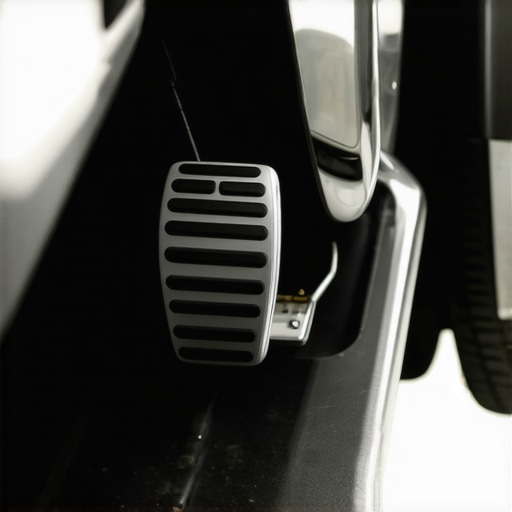
Last week, I was creeping through my driveway, gently pressing the brake to come to a stop. Suddenly, I felt that unsettling shake in my foot—like I was stepping on a tiny jackhammer. It wasn’t enough to cause panic, but enough to mess with my confidence every time I slowed down. This little vibration might seem insignificant, but trust me, it’s often a sign that something’s not quite right with your braking system, and ignoring it could lead to bigger issues down the road.
Diagnosing That Weird Vibration When Braking Just Enough
Is this problem even worth fixing?
If you’ve experienced this sensation, you know how frustrating it can be—especially because it only happens during very light deceleration, like when you’re creeping to a stop or gently pressing the brake pedal. I’ve made the mistake early on of dismissing such symptoms as minor quirks, only to find out later that they hint at underlying problems like warped rotors or uneven brake pads. My advice? Don’t ignore the signs. This isn’t just a petty annoyance; it’s a potential sign of wear that requires attention. In my own experience, addressing this early saved me from more costly repairs later, and I’ve come to trust that understanding these little clues keeps my car running smoothly.
Today, I’ll walk you through the common causes behind that pesky vibration during light braking, and how you can troubleshoot or even fix it yourself. No need to be a mechanic—just a helpful neighbor sharing what I’ve learned from years of tinkering and a few missteps. Want to avoid the feeling of helplessness I once had at the mechanic’s shop? Keep reading, because solving this problem might be simpler than you think.
FAQs and Common Skeptics
Now, I know what some of you might be thinking—“Is this really fixable at home?” or “Am I just wasting my time?” I’ve been there. Early in my car repair journey, I tried to tackle brake issues with just basic tools and half the knowledge, which led to more headaches. But I’ve also learned that many of these vibrations stem from straightforward causes like uneven brake pad wear or minor rotor warping, which can often be remedied without a full overhaul. For more professional insights, you might find helpful tips in this article on choosing quality brake services. So, yes—you can often handle these pesky vibrations yourself, saving time and money, if you approach with patience and the right info.
Ready to dive into the practical steps to diagnose and fix that very light deceleration shake? Let’s get into what might be causing it and how you can set things back to smooth braking again.
.
Assess Your Brake Components for Warped Rotors and Uneven Pads
Start by safely elevating your vehicle using a jack and securing it with jack stands. Remove the wheels to access the brake rotors and pads. Visually inspect for signs of warping — look for uneven surface areas or grooves. I once had a stubborn vibration; after removing the rotor, I noticed it was slightly warped, which caused the shaking during light braking. Replacing or resurfacing the rotors fixed the issue immediately. Consider measuring rotor thickness with a micrometer for precision, ensuring they are within manufacturer specifications.
Check for Brake Pad Wear and Improper Alignment
Examine brake pads for uneven wear patterns or embedded debris. Worn-out pads can cause uneven contact, leading to vibrations. In my experience, replacing just the pads relieved the shake when braking lightly. When installing new pads, make sure they are properly aligned with the rotor surface. Use a brake caliper piston tool to properly seat the pads, ensuring even pressure distribution.
Test the Brake System’s Hydraulic and Mechanical Parts
Inspect brake lines for leaks, cracks, or clogs that might cause inconsistent braking pressure. Also, verify that the calipers move freely; stuck calipers can cause uneven pad pressure. I once found a caliper piston slightly seized, which resulted in vibration. Cleaning and lubricating the slide pins with high-temperature brake grease restored smooth movement. When bleeding the brake system, ensure no air bubbles remain, as air can cause spongy pedal feel and inconsistent braking.
Consider the Role of Wheel Bearings and Suspension
Sometimes, vibrations wrongly attributed to brakes originate from wheel bearings or suspension issues. Spin each wheel while elevated to listen for roughness or play. A worn wheel bearing produces a humming or rumbling sound and can cause vibrations. Replacing worn bearings or worn suspension components like bushings and control arms can greatly improve braking stability. I replaced a failing wheel bearing that was causing the pedal shake, and it transformed the braking experience.
Test After Each Step and Confirm the Fix
After performing repairs or replacements, it’s crucial to test drive your vehicle on a safe area. Apply light braking at various speeds to check if the vibration persists. If the shake remains, revisit earlier steps or consider having a professional inspection. Remember, uneven road surfaces can also cause similar vibrations, so test on different roads to confirm the cause.
Prevent Future Vibration Issues with Regular Maintenance
Schedule periodic inspections of your brake system, especially before long trips or after rough driving conditions. Keep the brake fluid clean and at the recommended level. Regularly check for uneven tire wear and maintain proper tire pressure, as these factors influence braking performance. For comprehensive tips on maintaining your vehicle’s health, explore essential car service checks.
In the world of automotive maintenance, many misconceptions persist despite advances in technology and repair techniques. A common trap is the belief that all car problems are obvious and require immediate professional attention, but this oversimplification can lead to unnecessary expenses or overlooked issues. Understanding the nuances of car service is critical for both your safety and your wallet.
One pervasive myth is that more frequent repairs always mean better vehicle health. In fact, over-maintaining your car with unnecessary services can accelerate wear or create new issues, especially if procedures are performed without understanding the root cause. To truly optimize maintenance, you should focus on essential checks that extend your vehicle’s lifespan. Regular monitoring tailored to your driving habits yields better results than a rigid, one-size-fits-all schedule.
Another common misconception concerns the severity of symptoms. Many assume that a minor vibration during braking indicates a simple pad wear, but it could be the warning sign of warped rotors or even more complex issues within the hydraulic system. Rushing into a quick fix without proper diagnosis might mask the problem temporarily, only to worsen over time. Developing an understanding of these subtleties helps you avoid costly repairs later.
Now, let’s address a question that often puzzles even seasoned car enthusiasts:
How can I tell if my transmission issues are serious or just minor glitches?
In many cases, minor slipping or delayed engagement isn’t immediately alarming; however, ignoring persistent symptoms can lead to complete transmission failure. Advanced diagnostic tools and a keen observation of driving patterns are essential—sometimes, a simple fluid exchange can restore long-term reliability. For detailed insights into maintaining your transmission’s health, check out top transmission repair tips. Recognizing early warning signs and understanding the difference between minor hiccups and critical failures is key to avoiding unexpected breakdowns.
Be cautious of common pitfalls such as relying solely on warning lights or ignoring unusual noises. The fault often lies in the hidden nuances of your vehicle’s systems—like a subtle misalignment causing uneven tire wear, which affects brake performance. Consistent, educated maintenance practices based on actual vehicle condition rather than assumptions will save you money and ensure safety.
Remember, the true expertise comes from awareness of these complex interrelations. Regularly visiting trusted sources and consulting professional mechanics can refine your knowledge—ultimately fostering smarter decisions. Want to avoid the trap of misunderstanding your car’s true needs? Dive into expert-recommended strategies and stay ahead of potential issues.
What’s the biggest misconception you’ve encountered about car maintenance? Share your experience in the comments—I’d love to hear your stories!
Maintaining your vehicle effectively requires not just knowledge but also the right tools and a strategic approach. Over the years, I’ve refined my toolkit to include specific equipment that saves time and ensures precision, especially when dealing with critical systems like brakes and transmissions.
Invest in a Quality OBD-II Scanner
If you want to stay ahead of potential issues, a reliable OBD-II scanner is indispensable. I personally use the BlueDriver Bluetooth Professional Scanner because it connects seamlessly to my smartphone and provides detailed diagnostic trouble codes. This allows me to pinpoint problems without guesswork, saving money on unnecessary repairs. As vehicle electronics become more sophisticated, having a scanner that updates regularly with manufacturer-specific data ensures you’re diagnosing with the latest info, which is crucial when maintaining systems like transmission controls or ABS modules. For a comprehensive guide on interpreting these codes, check out this resource on car diagnostics.
Precision Tools for Brake Maintenance
When it comes to brake repair, I recommend using a brake caliper piston reset tool tailored to your vehicle’s specific make and model. I prefer the Powerbuilt Brake Caliper Tool Set because it allows me to retract pistons evenly and avoid damaging the caliper or seal. Proper piston retraction is essential, especially when replacing pads and rotors, to prevent uneven wear or piston seizure. Additionally, a high-quality digital micrometer helps verify rotor thickness after resurfacing, ensuring it stays within manufacturer specifications. Precise measurement prevents unnecessary rotor replacements and prolongs component lifespan. If you’re unsure how to use these tools effectively, professional guidance is available with a quick consultation through our contact page.
The Future of Auto Maintenance Equipment
Looking ahead, the integration of smart diagnostics and AI-powered tools promises to revolutionize vehicle maintenance. Predictive maintenance systems will notify drivers of potential issues before symptoms appear, relying on data analytics and real-time monitoring. For example, upcoming transmission sensors will detect early signs of wear, prompting preemptive fluid changes or part replacements, minimizing downtime and repair costs. As these innovations become more accessible, upgrading your toolkit with compatible devices will be essential for DIY enthusiasts and professionals alike. Embracing technology now ensures you’re prepared for this shift and can extend the longevity of critical car components.
How do I maintain tools and systems over time?
Regular calibration and cleaning are vital to keep diagnostic tools and mechanical instruments functioning accurately. For electronic equipment like scanners, keep firmware updated and store them in protective cases to prevent damage. Mechanical tools should be lubricated and inspected periodically for wear, replacing any defective parts promptly. Additionally, staying informed about the latest advancements by following reputable automotive repair resources ensures your tools and techniques stay current. An investment in quality tools and maintenance not only enhances your repair accuracy but also extends their service life, ultimately saving you money and trouble in the long run. Interested in learning more about sustaining your auto repair toolkit? Dive into this article on essential vehicle maintenance for detailed strategies.
What My Wake-Up Call Taught Me About Car Precision
It took that subtle foot-shaking to realize how critical every little nuance is in vehicle maintenance—sometimes, the smallest vibration hides a bigger story about safety and longevity. My light brake shake was more than just a discomfort; it was a wake-up call that paying attention to ride sensations can prevent costly repairs later on. This lesson extended beyond my immediate problem, reminding me that proactive, informed care is the best strategy for keeping my car reliable and safe for years to come. Such personal insights underscore the importance of listening carefully to your vehicle’s whispers and not dismissing small signs as insignificant.
Clever Tips I Use to Keep My Brakes in Check
From using a quality micrometer to measuring rotor thickness accurately to investing in a good OBD-II scanner, these tools help me stay ahead of problems. Regular visual inspections, proper pad and rotor installation, and understanding the impact of suspension and wheel bearings have made a world of difference. Plus, following trusted resources like this guide on essential car checks ensures I don’t overlook critical maintenance steps. Combining personal experience with reliable information creates a safeguard against unexpected issues and keeps my vehicle running smoothly.
The Power of Small Steps and Honest Diagnoses
Early inspection, patience, and willingness to learn are my best allies. Instead of jumping straight to expensive repairs, I test each part, replace only what’s worn, and verify improvements through cautious test drives. This approach isn’t just cost-effective; it fosters confidence in managing my vehicle’s health without unnecessary reliance on mechanics. Remember, embracing small, consistent efforts and honest assessments often turn potential breakdowns into manageable maintenance, giving you peace of mind and prolonging your car’s lifespan.