
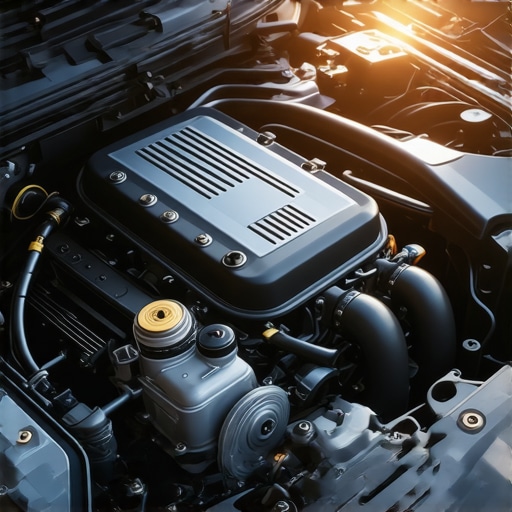
It was a scorching summer afternoon when I first experienced that dreaded moment — I pressed the gas pedal, and instead of the smooth response I was used to, my car hesitated, shuddered, and sluggishly moved forward. That uncomfortable feeling of uncertainty made me wonder if my vehicle was about to leave me stranded. At first, I thought it was just a minor glitch, but soon I realized this was a recurring problem, especially on warm days. That lightbulb moment got me digging deeper into why this happens and how to fix it.
Understanding the Cause of Hesitation on Hot Days
Have you ever noticed your car acting up just when the weather turns up the heat? It’s not your imagination. Many drivers face this strange hesitation phenomenon, and surprisingly, it’s often linked to temps affecting your car’s vital components. When the engine is hot, certain parts like sensors, fuel injectors, or the transmission fluid can behave differently, leading to sluggish response. I learned early on that neglecting proper maintenance only worsens this condition.
One mistake I made was ignoring the importance of regular check-ups — thinking I could just wait until something broke. That was a costly oversight. Keeping an eye on your coolant system, fuel system, and transmission can prevent many surprises. Did you know that heat can cause fuel vapor lock or sensor glitches? It’s true. According to a study from the Department of Energy, engine performance can drop significantly if components are not properly maintained during temperature swings.
Thinking back, if I had addressed these issues proactively, I could have avoided that frustrating summer day paralysis. So, today, we’re going to tackle exactly how to diagnose and fix these heat-related hiccups to keep your vehicle running smoothly, no matter how high the mercury climbs.
Start with a Visual Inspection of Critical Components
Before diving into complex fixes, perform a quick visual check of essential parts like the coolant reservoir, air filters, and wiring harnesses. I recall the time I discovered a cracked coolant hose while inspecting under the hood, which was causing overheating and engine hesitation. Replacing the damaged hose immediately restored smooth acceleration on hot days, illustrating the importance of routine visual checks. For a detailed guide on performing comprehensive vehicle inspections, visit this resource.
Test and Clean Sensors That Respond to Temperature Changes
Engine sensors, like the coolant temperature sensor and throttle position sensor, are sensitive to heat and can give false readings. To test them, disconnect the sensor and use a multimeter to check resistance against manufacturer specs. I once cleaned a faulty intake air temperature sensor with electronics cleaner, which improved my car’s response during high temperatures. If sensors are faulty beyond cleaning, replacement is necessary. For sensor calibration and replacement procedures, see this guide.
Upgrade Fuel System Components for Better Heat Resilience
Fuel vapor lock and injector issues are common culprits of hesitation on hot days. Installing a high-quality fuel filter and ensuring fuel lines are free of leaks can prevent fuel delivery issues. I installed a new fuel filter myself, which resulted in more consistent performance during summer. Regularly changing your fuel filter can be vital; learn how to do this effectively at this link.
Ensure Proper Transmission Fluid Condition
Overheated transmission fluid can cause sluggish shifting and hesitation. Check the level and color of your transmission fluid; it should be pink and clean. During a hot spell, I noticed my car hesitated during gear shifts until I replaced old, dark transmission fluid. This simple step can prevent more severe transmission issues later. For detailed procedures on inspecting and replacing transmission fluid, see this resource.
Maintain Cooling System Efficiency
An ineffective cooling system leads to engine overheating, directly causing hesitation. Flush and refill your radiator with fresh coolant; ensure the radiator cap, thermostat, and radiator fan are functioning properly. I once found a stuck radiator fan relay which, when replaced, prevented engine overheating on summer drives. Regular maintenance of your cooling system ensures optimal temperatures and smooth engine response. For step-by-step coolant system maintenance, visit this guide.
Replace or Repair Air Intake and Exhaust Components
Blocked or clogged air filters and exhaust systems can cause poor airflow, leading to hesitation. I discovered a clogged air filter during a summer road trip; replacing it instantly improved throttle response. Regular checks and replacements of air filters and mufflers are essential. For guidance on cleaning or replacing these parts, see this article.
Implement Preventive Maintenance to Avoid Future Hassles
Consistent maintenance schedules, including engine tuning, spark plug replacements, and fluid changes, keep your vehicle responsive. I set reminders to check and replace these components before summer hits, which has saved me from unexpected breakdowns. Proper upkeep is your best defense against heat-induced issues. For a comprehensive service checklist, explore this page.
When it comes to car maintenance, there’s a common misconception that more frequent brake pad replacements or quick fixes are always the best route. In reality, understanding the nuanced aspects of auto repair, like the importance of proper calibration and avoiding superficial fixes, can save you time and money. Many drivers believe that braking issues are solely due to worn pads, but often, the real culprit lies beneath the surface, such as caliper misalignment or brake fluid contamination. A frequently overlooked mistake is neglecting to consider the entire brake system’s health, leading to premature component failure. For example, a worn hydraulic system can cause uneven braking, even if your pads appear fine. To dig into comprehensive solutions and avoid these pitfalls, explore this guide. Additionally, some think that simply replacing parts like rotors or calipers will fix braking problems, but without addressing underlying causes, symptoms quickly return. Moreover, the misleading notion that lifetime brake fluids negate regular flushing is a trap that many fall into; studies highlight the importance of fresh brake fluid to prevent corrosion and improve performance. Want to enhance your understanding? Consider the importance of precise calibration of sensors and components; a tiny misalignment can significantly impair braking efficiency. This is why consulting with specialists who understand the details, rather than just replacing parts, is essential.
Why do some high-mileage transmissions still perform flawlessly while others fail early?
The secret often lies in proactive maintenance, fluid quality, and avoiding advanced mistakes like neglecting to replace worn seals or improperly flushing systems. According to top transmission repair tips, regular, expert-led service can dramatically extend transmission lifespan. So, next time you think about your brake or transmission system, remember that superficial fixes might mask deeper issues. Spending a little more time on diagnostics, maintenance, and understanding the system’s nuances will pay off in longevity and safety.Maintaining your vehicle’s performance over time requires the right tools and a disciplined approach. One essential device I rely on is a high-quality OBD-II scanner, like the Launch CRP129X. It provides real-time data, trouble codes, and sensor readings, allowing me to diagnose issues early before they escalate. I also invest in a digital multimeter for testing sensors and electrical connections, which ensures that small problems don’t turn into costly repairs. Regularly updating your car’s software with manufacturer-approved diagnostic tools keeps your vehicle’s systems calibrated and responsive.
How do I maintain my car’s health over the years?
Beyond tools, developing a routine that includes checking fluid levels, inspecting belts and hoses, and monitoring tire pressure is vital. I set scheduled reminders based on the manufacturer’s recommendations—often found in this guide—to perform these tasks. An often-overlooked aspect is keeping the cooling system in top shape; I use a coolant refractometer to verify mixture ratios, ensuring optimal engine temperature and preventing overheating.
Embracing future technology for auto care
Technology is advancing rapidly, with predictive maintenance becoming more accessible. AI-driven diagnostic systems can now analyze data trends to forecast potential failures, minimizing downtime. Electric and hybrid vehicles demand specialized tools—such as high-voltage detectors—which I’ve added to my toolkit to handle these modern powertrains safely. As we look ahead, integrating these smart tools into daily maintenance routines will become standard practice, making auto care more proactive than ever. The trend points toward more connected, software-based diagnostics that learn from your vehicle’s unique behavior, ultimately extending its lifespan and reliability. If you’re eager to refine your approach, start by investing in a trusted diagnostic scanner and learning how to interpret its insights. The sooner you implement these practices, the longer your vehicle will serve you reliably. Want expert-recommended tips? Check out this comprehensive repair guide to get started.
What I Wish I Knew Before Ignoring Small Signs
One of the biggest lessons I learned was that patience and routine checks can save you from costly repairs. Small signs, like a slight delay in throttle response on hot days, are often your car’s way of signaling underlying issues. Recognizing these early can make all the difference, preventing breakdowns and ensuring safety. Taking the time to understand your vehicle’s needs not only saves money but also builds confidence behind the wheel.
The Art of Listening to Your Vehicle’s Voice
Listening carefully to unusual sounds or shifts in performance can reveal secrets about your car’s health. I discovered that when my transmission hesitated during summer, it was a sign to inspect the fluid and seals. Developing an ear for these cues transforms maintenance from reactive to proactive, empowering you to address problems before they escalate. This attentive approach cultivates a deeper connection with your vehicle, leading to more reliable drives.
Curating Your Garage Toolbox for Long-Term Savings
Having the right tools, like a quality OBD-II scanner and multimeter, has been a game-changer in diagnosing issues early. I trust brands like Launch CRP129X because they offer comprehensive insights and user-friendly interfaces. These tools equip you to troubleshoot minor problems yourself, saving time and money. Building a well-stocked toolkit tailored to your vehicle’s specific needs turns maintenance into an empowering routine rather than a dreaded chore.
Breaking Free from Superficial Fixes
Experience taught me that quick fixes often only mask deeper issues. Prioritizing proper calibration and thorough repairs ensures lasting results. For example, replacing a sensor without checking the entire system can lead to recurring problems. Adopting a mindset of comprehensive care and continuous learning helps avoid repeating mistakes, extending your vehicle’s lifespan and maintaining its performance under every temperature condition.
Your Next Steps in Car Care Mastery
Embrace a cycle of regular inspections, updates, and learning. Stay informed with resources like this guide, which offers practical tips to keep your vehicle responsive, especially during the heat of summer. Remember, the journey to reliable car ownership is ongoing, and each proactive step you take builds confidence and safety for all your adventures. How will you start integrating these insights into your maintenance routine today?
**What regular check do you find most helpful to keep your car running smoothly in extreme weather? Share your thoughts below!**