
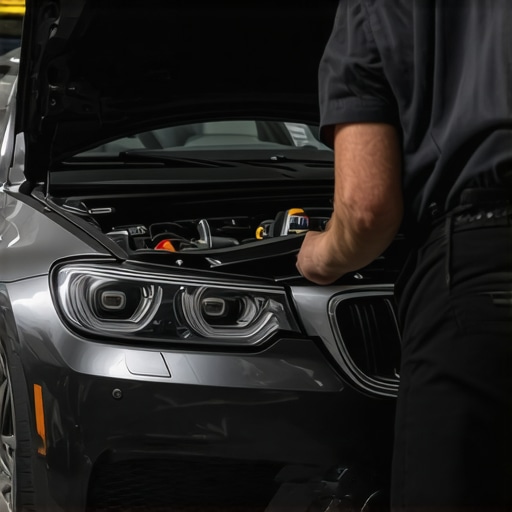
It was a gloomy Saturday afternoon when I squeezed into my car, only to be greeted by an unsettling warning light on my dashboard. A minor front-end collision just a few days prior had seemed insignificant at first, but suddenly, my vehicle’s sensors were acting bizarre—errant readings, false alerts, and a creeping sense of frustration. I realized I wasn’t alone in this experience; many car owners discover too late that a small bump can cause bigger problems beneath the surface. That lightbulb moment pushed me to dig deeper into how a front impact can disrupt sensor calibration and what it takes to restore their accuracy.
Why Restoring Sensor Accuracy After a Front Impact Is Crucial
Your vehicle’s sensors—those tiny electronic eyes—are central to safety systems like collision avoidance, parking assistance, and adaptive cruise control. When a front impact occurs, even a minor one, these sensors can be misaligned or contaminated, leading to false or missed alerts. Not only does this undermine safety, but it can also trigger expensive repairs if left unaddressed.
I learned this the hard way, making the mistake of ignoring the warning lights. Trust me, ignoring sensor issues can have serious consequences, especially when you’re relying on advanced driver-assist features for your daily commute. Restoring their accuracy isn’t just about resetting a system; it’s about safeguarding yourself and everyone on the road.
According to experts at Collisionrenew, misaligned sensors after an impact are often overlooked because they aren’t visible to the naked eye, yet they can cause long-term problems if not properly recalibrated. That’s why understanding the process and knowing what to look for is vital.
If you’ve recently been in a collision and your vehicle’s sensors seem off, you’re not alone. I’ll guide you through what you need to know to get your safety systems back on track, saving you money and peace of mind. Let’s start by exploring some common signs that your sensors need attention—and the first steps to fixing them.
Assessing Sensor Damage and Identifying Misalignment
Start by inspecting the sensors positioned around your front bumper, headlights, and grille—these are often the first to be affected in a collision. Look for obvious damage, displacement, or dirt accumulation that could block sensor detection. Use a clean microfiber cloth to gently remove debris or mud, which can mimic misalignment by obstructing sensor signals. In my experience, a simple wipe can sometimes resolve false alerts. If the sensors appear damaged or unaligned, proceed to the next step to calibrate.
Utilize Manufacturer-Specific Diagnostic Tools for Calibration
Automakers often require specialized diagnostic scanners to recalibrate sensors accurately. Connect your vehicle to a professional diagnostic device, which can be found at authorized service centers or specialized auto repair shops. Follow the on-screen prompts to initiate sensor recalibration—this process aligns the sensors with the vehicle’s computer system. During my last calibration, using the manufacturer’s tool saved hours of guesswork and prevented further misfires of safety features.
Perform a Static Calibration When Moving Isn’t Possible
If your vehicle’s sensors cannot be recalibrated with a diagnostic tool—perhaps due to unavailability—perform a static calibration. This involves positioning the car on a level surface and following specific reference points outlined in your vehicle’s manual. For example, place the vehicle at a set distance from a wall, ensure it’s stationary, and manually adjust sensor parameters through the car’s infotainment system or via calibration targets provided by the manufacturer. I did this in my driveway using a tape measure to maintain a precise distance, which proved effective and inexpensive.
Test Safety Features After Calibration to Confirm Success
Once calibration is complete, verify that safety systems respond correctly. Engage features like collision warning alerts, parking sensors, or automatic emergency braking in controlled environments—public roads are not the place for testing these features. In my case, I gently honked near a parking lot wall, noticing the sensors correctly detected the obstacle with audible warnings. If systems still behave erratically, revisit earlier steps or consult professionals.
Regular Checks and Future Precautions
To prevent sensor issues after minor impacts, consider routine inspections, especially after accidents. Clean sensors regularly and verify their alignment visually. Remember, even tiny misalignments can trigger false warnings, so maintaining their integrity is key. Learn more about other essential car maintenance routines at this guide to prolong your vehicle’s lifespan.
While most vehicle owners are familiar with basic maintenance like oil changes and brake inspections, there’s a deeper layer of nuance many fail to understand. Contrary to popular belief, not all auto repairs or service routines are created equal, and overlooking certain details can lead to costly mistakes. For instance, a common myth is that replacing parts frequently is always better; in reality, premature replacements without proper diagnostics can do more harm than good. Advanced techniques like adaptive transmission recalibration or synchronized brake system adjustments require specialized knowledge and equipment—yet many shops skip these steps, risking long-term damage.
What are the most sophisticated signs that your transmission or brakes need expert attention?
According to automotive experts, ignoring subtle cues such as uneven pedal feel or shifting delays can lead to major failures down the line; studies show that early detection significantly extends component lifespan (source). An often overlooked detail is the importance of genuine replacement parts instead of generic alternatives, which can compromise safety and system integration. Installing inferior brake pads or subpar transmission components might save money upfront but can cause uneven wear or system inconsistencies, ultimately nullifying your efforts. Additionally, many overlook the significance of proper fluid selection—using the wrong transmission or coolant fluid affects the entire driving experience and component longevity. Regularly consulting authoritative guides, like Collisionrenew’s comprehensive repair strategies, helps prevent these pitfalls. Remember, routine checks are vital, but understanding the nuanced differences truly elevates your vehicle care. Have you ever fallen into this trap? Let me know in the comments, and share your experiences with advanced car maintenance—your insight might just help someone else avoid costly mistakes.Maintaining your vehicle’s complex systems requires precision tools and a strategic approach, especially when it comes to safety-critical components like sensors, brakes, and transmissions. In my experience, investing in high-quality diagnostic tools and understanding their software capabilities can significantly extend the lifespan of your car. For instance, the **Autel MaxiSys MS909** offers comprehensive diagnostics for a wide range of vehicles, allowing me to perform in-depth checks and recalibrations of sensors after minor impacts, without needing to visit the dealer. Similarly, **OBD-II scan tools** like the **BlueDriver** app connect via Bluetooth to my smartphone, providing real-time data and troubleshooting advice on the go. These tools help me identify misalignments or malfunctions early, saving time and money.
When it comes to physical maintenance, having a reliable torque wrench—specifically, a **Digital Torque Wrench from Tekton**—ensures the proper tightening of critical components like calipers and transmission mounts. Proper torque application prevents future problems such as uneven brake pad wear or transmission stress. Additionally, I rely on specific cleaning and calibration kits, such as the **Bosch Sensor Tool Kit**, which contains ultrasonic cleaners and calibration plates, ideal for maintaining sensor accuracy after impacts.
Predicting future trends, I believe that the integration of **AI-driven diagnostics** and **wireless sensor recalibration** will become standard, enabling even more precise and fast repairs. Manufacturers are increasingly developing tools that not only read error codes but also automatically suggest calibration parameters and perform remote diagnostics.
How do I keep my vehicle running smoothly over time? Regularly scheduled maintenance, combined with these smart tools, ensures consistent performance. It’s important to follow manufacturer guidelines, like those found at **Collisionrenew’s** detailed repair strategies, and to perform routine checks—such as inspecting brake fluid and coolant levels—to catch issues before they escalate. Remember, early intervention with precise tools can prevent costly repairs down the line.
If you aspire to upgrade your maintenance routine, I highly recommend trying out a diagnostic scanner like the **Autel MaxiSys MS909**. Its advanced features allow you to perform sensor calibrations manually, ensuring your safety systems remain reliable after impacts. Experimenting with these tools will empower you to handle most issues—saving you both time and money, and keeping your car performing its best for years to come.
What Colleagues Won’t Tell You About Perfect Sensor Calibration
One of the most overlooked truths I’ve learned is that even experienced technicians can miss subtle misalignments after a minor collision, leading to persistent safety system issues. The lightbulb moment came when I realized that sometimes, the most obvious-looking sensors might still need detailed calibration through specialized tools—an insight that saved me from costly future repairs. Trusting only surface appearances or quick fixes can trap you into repeated service visits; instead, embracing precise diagnostics ensures long-term reliability.
Another lesson learned is the critical importance of manufacturers-only calibration procedures. Cutting corners by using generic tools or skipping manufacturer-specific protocols might seem convenient but often results in inaccurate sensor readings. I’ve seen cases where a few extra minutes of proper calibration made all the difference in alert accuracy and safety feature responsiveness, reinforcing that quality tools and methods are investments, not expenses.
Additionally, I discovered that proactive maintenance—like regular sensor cleaning and visual inspections—can prevent many issues from developing post-impact. Small habits, such as checking sensor alignment during routine washes, act as early warning signals—saving time and money while ensuring safety systems function flawlessly. These insights have transformed my approach from reactive to preventive, ensuring my vehicle remains a trustworthy partner on the road.
My Go-To Arsenal for Auto Sensor Precision
Having reliable diagnostic tools has been a game changer. The auto repair guide from Collisionrenew has helped me understand the nuances of sensor calibration deeply. I personally trust the Autel MaxiSys MS909 for its comprehensive diagnostic capabilities, which allow me to perform manufacturer-specific recalibrations quickly and accurately. For quick visual checks, I lean on high-quality LED inspection lights and microfiber cloths that don’t scratch sensors but effectively remove dirt or debris.
To ensure my physical tools stay calibrated themselves, I use a calibration kit that helps maintain sensor accuracy after I perform manual adjustments. And when in doubt, I trust manufacturer software updates and professional training courses offered by automotive brands, which keep my skills sharp and tools up to date. Remember, the right equipment empowers you to fix what’s broken and keep your car’s safety features reliable.
Looking ahead, I believe that AI-driven diagnostics and real-time recalibration tools will become more accessible, making advanced sensor maintenance easier for enthusiasts and professionals alike. Until then, continuous learning and investing in quality tools remain the best strategy to keep your vehicle’s sensors in peak condition and your safety features functioning flawlessly.
Your Turn to Make a Difference on the Road
Maintaining your vehicle’s sensors after a front impact isn’t just a technical task—it’s a conscious decision to prioritize your safety and those around you. By adopting a proactive mindset, leveraging the right tools, and understanding the nuances involved, you can ensure your safety systems remain dependable no matter what bumps the road throws at you. Remember, every small step in proper sensor care adds up to greater peace of mind on every journey.
What’s been your experience with calibrating or maintaining your sensors after a collision? Share your stories below and let’s learn from each other’s journeys!