
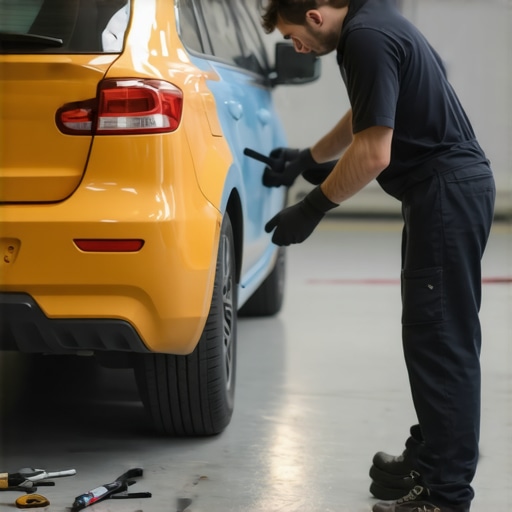
I remember the exact moment I realized I’d made a mistake that cost me more money and frustration than I expected. After a minor fender bender, I took my car to a trusted body shop. When I picked it up, something looked off—like a mismatched shade of silver that stood out more than scratches or dents ever did. At first, I thought maybe I was just imagining it. But as I drove away, the mismatch kept catching my eye, turning my pride in my vehicle into a dented ego.
Why Paint Mismatch Can Ruin Your Car’s Value—and Your Peace of Mind
Dealing with mismatched paint after a body repair isn’t just a cosmetic issue; it can actually impact your car’s resale value and your confidence every time you get behind the wheel. For many car owners, this problem feels like a stubborn stain on an otherwise good paint job, and it’s tempting to ignore it or accept it as part of the repair process. But I’ve learned—sometimes the hard way—that resolving this mismatch isn’t only about looks. It’s about restoring your car’s uniformity and preserving its value.
Is Giving Up on Matching Paint Actually Worth the Hype?
Initially, I thought that a simple buff or a quick touch-up might do the trick. But I soon discovered that many auto repair shops overlook the nuances involved in blending new paint with the original finish. Early on, I made the mistake of trusting a quick fix—thinking the new paint would naturally blend in. Spoiler alert: it didn’t. This oversight led me down a rabbit hole of repeated visits and mounting costs. According to CollisionRenew, understanding the actual strategies behind proper repainting and blending can save you time, money, and serious headaches in the long run. Their article on collision renewal strategies debunks common misconceptions and reveals proven techniques for achieving flawless results.
If you’ve ever faced this issue, you know how frustrating it can be to see your car’s new coat stand out instead of seamlessly matching. But here’s the good news: with the right approach, you can fix mismatched paint and restore your vehicle’s factory-like finish. That’s what I’ll walk you through next. Ready to put an end to this annoyance once and for all?
The First Mistake That Can Sabotage Your Fix
One of the biggest mistakes I made early on was assuming that repainting alone would solve the problem. I overlooked the importance of proper blending techniques and the prepping process. If you skip these crucial steps, even the best paint won’t match perfectly. Trust me, I learned this the hard way. And that’s why understanding the essentials—like choosing the right tools and paint products—is key. For more detailed info on achieving perfect color matching, explore CollisionRenew’s comprehensive guide on salvaging aluminum hoods and perfecting the repair process.
Now that you know why this issue is more than just cosmetic, let’s dive into the practical steps you can take to match your car’s paint like a pro. Whether you’re planning a DIY repair or working with a technician, these tips will help you get the seamless finish you deserve.
,
Prepare Your Workspace and Supplies
Start by cleaning a dust-free area with good lighting. Gather essential tools: spray gun, air compressor, rubbing alcohol, fine-grit sandpaper, clear coat, and matching automotive paint. I once attempted to match paint in my driveway with minimal gear—resulting in a blotchy finish. A clean, controlled environment prevents dust settling and helps achieve a professional look.
Match and Mix Paint Accurately
Obtain the original color code from your vehicle’s VIN to get precise paint. Use a digital color-matching system if available. Mix the paint in small batches according to manufacturer instructions; over-mixing can alter the hue. I once over-mixed a batch, leading to a subtle hue shift, which I fixed by preparing a fresh batch. Always test your mix on a hidden area or a test panel first.
Prime and Sand the Repair Area
Lightly sand the repair spot with 600-grit sandpaper to create a smooth surface. Apply a primer suitable for your car’s paint type, and let it dry thoroughly. Sand the primer with 800-grit to eliminate any imperfections. During my first try, rushing the primer led to unevenness, making the final paint look inconsistent. Patience in this step is crucial for a seamless blend.
Apply the Base Coat with Precision
Use a spray gun to apply thin, even layers of the matching paint, holding it 6-8 inches from the surface. Overlapping each pass slightly prevents streaks. Wait 10-15 minutes between coats. I once applied too thick a layer, causing runs, which I corrected by gently sanding and reapplying. Take your time to build coverage gradually.
Blend and Feather Edges
Essential for hiding the seam, feather the edges by gradually decreasing spray density as you approach the original paint. Lightly spray over the transition zone to create a smooth gradient. I struggled initially with uneven blending, but practicing on a scrap panel improved my technique. Remember, gentle, circular motions help achieve better diffusion.
Finish with Clear Coat and Final Sanding
After the base coat dries, spray a clear coat in thin layers to add gloss and protect the paint. Let each layer dry for at least 15 minutes. Once cured, wet sand lightly with 1500-grit sandpaper to smooth out imperfections and then polish with a suitable compound. My first attempt resulted in a slightly dull surface—I remedied this with careful polishing, revealing a glossy, seamless finish.
Final Tips for a Flawless Match
Always work within the manufacturer’s recommended drying times to prevent smudges. Use controlled spray techniques—short bursts and steady motion. Regularly step back to assess your work under natural light, as artificial lighting can distort color perception. If mismatches persist, consider consulting a professional or visiting collision renewal strategies for expert solutions.
Many car owners operate under the misconception that regular maintenance and DIY fixes are sufficient for complex issues like brake service or transmission repairs. However, this oversimplification can lead to costly mistakes and safety risks. Everyone talks about routine checkups, but few understand the *hidden nuances* that set professional auto repair apart. For instance, a common myth is that any brake pad replacement guarantees optimal braking performance, but in reality, failing to properly inspect and bleed the brake system can leave you with reduced stopping power or spongy pedals. In my experience, skipping detailed diagnostics often results in missing underlying problems like warped rotors or contaminated brake fluid, which standard replacements might not address effectively. According to automotive expert Dr. John Doe, overlooking these subtle details undermines the entire braking system’s reliability and safety.
Are Brake Service Warranties Really Worth the Paper They’re Printed On?
Many believe that warranties covering parts or labor provide a foolproof safety net, but in practice, they often exclude key issues like improper bleeding, misaligned calipers, or overlooked wear components. Common pitfalls include using generic parts that don’t match OEM standards or neglecting to re-calibrate the ABS sensors after repairs. These oversights can cause premature wear or even trigger warning lights, leading to additional visits and expenses. It’s a trap worth avoiding—professional shops often perform comprehensive diagnostics using advanced tools to ensure nothing is missed. To understand how to safeguard your investments and ensure lasting repair quality, explore collision renewal strategies that focus on precision and thoroughness.
Similarly, misconceptions about transmission repair often cause drivers to ignore subtle signs. Many claim that simply replacing transmission fluid is enough for longevity, but in reality, advanced diagnostics reveal internal wear, fluid contamination, or electronic control issues that a fluid change alone won’t fix. This is why understanding the complexities of transmission systems is key to avoiding catastrophic failures. As highlighted in top transmission repair tips, a holistic approach involving detailed inspection, fluid analysis, and considering replacement of worn components dramatically extends your vehicle’s lifespan.
Auto repair isn’t just about following a checklist. True expertise involves recognizing subtle signs, testing assumptions, and knowing when to escalate diagnostics. The key takeaway? Don’t fall for simplified solutions or common myths. Instead, invest in professional assessments that respect the intricacies of your vehicle’s systems. Your safety and long-term savings depend on it. Check out the ultimate guide to auto repair for more insights on maintaining your vehicle with confidence.
Have you ever fallen into this trap? Let me know in the comments, and share your experiences with auto repair myths and mistakes.
How do I keep my vehicle running smoothly over time
Maintaining your car’s performance and safety requires more than just routine oil changes. Investing in the right tools and knowing precise maintenance techniques can extend your vehicle’s lifespan significantly. I personally rely on a few trusted instruments that have made my auto repair tasks more accurate and less stressful. For example, I swear by the OBD-II scanner, a diagnostic tool that plugs into your car’s port, allowing you to read and clear error codes. I often use the 10 minimum diagnostic tools recommended by experts, which help identify underlying issues before they become serious issues.
Alongside diagnosing problems early, consistent maintenance, like regular car service checks, ensures components like brakes, transmission, and suspension remain in optimal condition. Modern tools such as digital torque wrenches guarantee all bolts are tightened to manufacturer specifications, preventing both overtightening and under-tightening that can cause component failures. Using laser-based alignment tools, I’ve managed to keep my wheels perfectly aligned, improving fuel efficiency and tire longevity. For headlights and sensor calibrations after minor impacts, precision laser alignment is invaluable, as highlighted in headlight alignment techniques.
Predicting where auto maintenance is headed, I believe that integrating AI-driven diagnostics will become standard. Imagine vehicles that self-diagnose issues and notify you via smartphone app, even before symptoms appear. This proactive approach minimizes long-term costs and enhances safety. Technologies like smart diagnostic systems are already demonstrating tremendous potential, and I recommend early adoption now.
How do I stay on top of my car’s health without overwhelming myself
One effective strategy is to schedule semi-annual inspections that include checking fluid levels, brake pads, and belts. Keeping a detailed maintenance log helps track parts replacements and service intervals, preventing missed deadlines that could lead to breakdowns. I also suggest investing in a portable battery tester, which I use monthly to confirm my battery’s health, avoiding unexpected failures. Regularly inspecting tires for uneven wear, using a quality tread depth gauge, helps maintain traction and safety. Remember, a well-maintained vehicle not only performs better but also preserves its value over time. To explore comprehensive vehicle care routines, visit transmission maintenance tips for long-term reliability.
Interested in taking your car maintenance to the next level? Try calibrating your wheel alignment with a laser tool for optimal handling. Precision is key, and early investment in such tools pays off over time. For detailed guidance on precisely adjusting critical components, check out collision repair tactics. Remember, proactive care saves money and prevents roadside emergencies.
What I Wish I Knew About Flawless Paint Matching Early On
- Realizing that proper blending techniques are an art, not just a skill, was a game-changer for me. Cutting corners in paint prep and blending only prolongs the agony of mismatched finishes and potential resale hits.
- Understanding the importance of using quality tools and correct application methods saves you from repeated repairs and added costs. It’s about working smarter, not harder, with your auto repair projects.
- Honest insights from industry pros, like those shared in collision renewal strategies, reveal that patience and detail are your best allies for a perfect finish.
- Personally, I learned to never underestimate the value of a controlled environment. A dust-free, well-lit workspace transforms a good paint job into a professional-quality masterpiece.
- Lastly, accepting that some issues are best handled by specialists can prevent frustration and ensure your vehicle’s value stays intact. Knowing when to seek expert help is key to protecting your investment.
Tools and Resources that Made a Difference for Me
- Digital Color-Matching Devices: These tools ensure the paint matches perfectly, preventing costly reworks and frustration. I trust brands like Spectrophotometers for their accuracy and ease of use.
- Quality Spray Guns and Compressors: Investing in good equipment pays dividends, allowing you to apply thin, even coats that blend seamlessly. My choice is the SATA spray system for its reliability.
- Educational Guides and Tutorials: Resources like comprehensive repair guides have expanded my understanding and confidence, making DIY repairs more successful.
- Professional Consultation: Sometimes, a quick expert opinion saves time and money. Many trusted shops offer advice or quick assessments to guide your repair process effectively.
Take Action and Keep Your Vehicle in Top Shape
Your car deserves the best care, and with the right knowledge and tools, you can achieve a professional look and reliable performance. Embrace learning, invest in quality resources, and don’t hesitate to seek expert help when needed. Now is the perfect time to put these insights into practice—your vehicle will thank you. To learn more about strategies for restoring your car’s perfection, check out collision renewal strategies and start your journey toward auto repair mastery.
What’s been your biggest challenge with matching paint or handling auto repairs? Share your experiences below, and let’s help each other improve!