
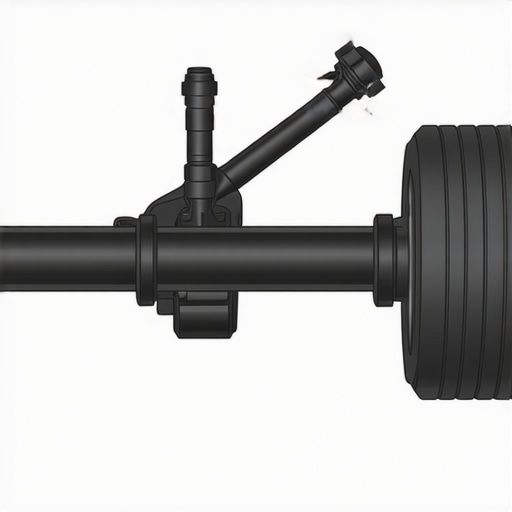
It was late at night, and I was pulling into my driveway after a long day. As I gently pressed the brake pedal, my car suddenly veered sharply to the right. My heart raced—I knew something wasn’t right, but I had no idea what. That lightbulb moment made me realize: if my car pulls to one side only when braking, ignoring it could lead to serious safety issues down the line.
Does Your Car Swerve When You Hit the Brakes? Here’s Why You Should Pay Attention
Many drivers brush off these subtle pulls and veers during braking, thinking it’s just a minor quirk or a worn-out part. But in reality, this uneven behavior can be a sign of underlying problems that, if left unchecked, might compromise your safety and inflate repair costs. The good news? You don’t have to accept a car that pulls or veers—it’s often a fix within your reach.
Think of it like this: your vehicle’s braking system is a delicate balance. When this balance is thrown off—say, due to uneven brake pads, a stuck caliper, or uneven tire pressure—your car’s tendency to pull becomes a warning sign. Addressing it early can save you from more costly repairs and keep you safe on the roads.
According to experts at Collision Renew, neglecting brake issues can lead to uneven tire wear and even compromise your vehicle’s steering control, especially during emergency stops. In fact, a study highlighted that nearly 80% of brake-related accidents could have been prevented with early maintenance. So, if you’ve experienced even the slightest pull during braking, it’s time to dig deeper.
Before I got into the nitty-gritty of fixing my own car, I made a crucial mistake: I ignored the problem, hoping it would resolve itself or only mentioning it briefly during my next visit to the shop. That moment taught me the importance of understanding these warning signs and addressing them promptly. Remember, it’s not just about comfort—it’s about your safety and the longevity of your vehicle.
Now, let’s walk through what causes your car to pull when braking and how you can fix it before it turns into a bigger headache. Ready? Let’s get into the practical steps that will help you regain control and peace of mind on your drives.
Assess Your Tire Pressure and Visual Condition
Start by checking all tires for proper inflation using a reliable gauge; uneven or low pressure can cause pulling. Then, inspect tires for uneven wear or damage—these issues can mimic brake problems. Personally, I realized my front-left tire was underinflated after a quick check using my home air pump, which immediately improved my car’s behavior during braking. If tires are unevenly worn or damaged, replacing or rotationally balancing them is a must.
Test Brake Pad and Caliper Functionality
Next, examine the brake pads visually through the wheel spokes—look for uneven wear or thinning pads. Discovering one side with significantly thinner pads alerted me to a stuck caliper causing the pull. To confirm, perform a brake pedal test: gently apply brakes at low speed and note if one side feels different. If you notice uneven brake pad thickness or feel dragging on one side, it’s time to service the calipers. This often involves cleaning, lubricating, or replacing components, which can be a DIY if you’re comfortable, or handled by a professional for precision.
Check for Brake Fluid Imbalance and Leaks
Low or uneven brake fluid pressure can lead to pulling. Open the hood and check the brake fluid reservoir; it should be within the recommended level. Look for leaks around the calipers, wheel wells, or under the car. I once found a minor leak near my driver’s side caliper after noticing a slight delay in braking response. If fluid levels are low or leaks are present, bleeding the brakes and replacing affected components is necessary. For detailed procedures, visit this guide.
Perform a Brake Test and Observe Pedal Feel
To differentiate between causes, test drive your vehicle in a safe area. Apply steady pressure to the brake pedal; it should feel firm and consistent. If the pedal feels spongy or sinks under pressure, air or moisture might be in the brake lines. Bleeding the brakes removes air pockets. Always use quality brake fluids compatible with your vehicle, as specified in the owner’s manual.
Inspect for Wilting or Sticking Calipers
Sometimes, calipers stick due to corrosion or debris, causing uneven brake force. Remove the wheels and manually check that caliper pistons move freely. I once freed a stuck piston by carefully cleaning and lubricating it with high-temperature brake grease. If calipers are seized beyond repair, replacing them is the safest option. Proper calibration ensures even brake application, preventing the pull issue. For more in-depth calibration procedures, refer to this resource.
Identify and Address Suspension Components
Suspension parts like control arms, bushings, or ball joints can affect steering when braking. Loose or worn suspension components might cause asymmetric braking forces. Inspect these parts for damage or excessive play. If you’re unsure, consult a professional to perform a comprehensive inspection, which can save you from future alignment or suspension repairs.
Consider Alignment and Professional Inspection
If all the above appears in order, but the problem persists, alignment might be needed. Misaligned wheels can cause pulling and uneven brake wear. Schedule an alignment with a qualified shop. During the service, ask technicians to examine brake components, suspension, and steering links. You might also want to explore collision renewal strategies for holistic vehicle care. Remember, routine maintenance keeps your car responsive and safe.
Many car owners believe that choosing a repair shop based solely on price or convenience is sufficient, but this can be a trap. Contrary to popular belief, cheaper options often compromise quality, leading to repeated repairs and higher long-term costs. Expert insights from Collision Renew emphasize that specialized facilities with certified technicians deliver better, more durable results, especially for complex tasks like transmission overhaul or brake service.
Another misconception is that all auto repair shops are equally equipped for every job, but in reality, expertise varies. For instance, handling aluminum panels or high-strength steel requires specific tools and skills that general repair shops might lack. Skipping professional calibration after suspension or brake repairs can also be a critical mistake, affecting vehicle safety and longevity. Remember, proper calibration ensures even brake pad wear and accurate steering, as detailed in this comprehensive guide.
What are the risks of neglecting detailed diagnostics before repairs?
This is a common oversight that can lead to misdiagnosis, unnecessary parts replacement, and overlooked underlying issues such as frame damage or subtle transmission faults. For example, failure to diagnose a slipping transmission accurately may force premature component replacement, yet a proper scan with advanced diagnostic tools can pinpoint less invasive solutions. Studies have shown that investing time in thorough diagnostics reduces overall repair costs by up to 30%. To avoid falling into this trap, always ask for a detailed inspection and consider seeking expert opinion at a trusted facility like Collision Renew, which specializes in restoring your vehicle to perfection. Explore their holistic approach here.
Lastly, many overlook the importance of regular maintenance and proactive checks. Routine procedures like fluid exchanges, brake system inspections, and alignment are essential to prevent costly failures. For example, neglecting brake fluid health can cause corrosion inside calipers and brake lines, leading to uneven braking or even caliper seizing. To stay ahead, consult comprehensive maintenance checklists available at this link. Remember, understanding these hidden nuances gives you an edge in maintaining optimal vehicle performance and safety. Have you ever fallen into this trap? Let me know in the comments.
Keep It Working: Tools and Methods for Lasting Performance
Maintaining your vehicle’s health over the long haul requires more than just instinct; it demands the right equipment and a strategic approach. Personally, I rely on a curated set of tools that not only save me money but also give me confidence during repairs and regular maintenance. One indispensable item is a high-quality digital multimeter. It helps me quickly diagnose electrical issues, such as inconsistent sensor readings or wiring faults, especially after encountering problems like a wandering steering wheel or sensor glitches. I prefer models with auto-ranging capabilities and Bluetooth connectivity—these features streamline troubleshooting and allow me to log data over time, which is invaluable for persistent issues.
When it comes to brake service, I swear by a calibrated brake caliper piston compressor. This precise tool allows me to retract calipers correctly when replacing pads, ensuring even pressure distribution and preventing future pull during braking. For fluid flushes, I use a specialized brake bleeder kit that includes an automatic vacuum pump—this device simplifies removing old brake fluid without the mess or guesswork, reducing air bubbles that could compromise safety.
Beyond hardware, software plays a crucial role. I highly recommend keeping an automotive OBD-II scanner with live data capabilities. I personally use the Ultimate Car Diagnostics Kit. It connects to my smartphone and provides real-time insights into engine performance, transmission parameters, and sensor outputs. This tool has saved me countless trips to the mechanic by identifying issues early, especially when problems mimic minor nuisances but are signs of serious trouble—like subtle transmission slipping or brake system irregularities.
For long-term results, establishing a regular maintenance schedule with these tools is key. I perform monthly visual inspections and use diagnostic scans to monitor vital signs like brake fluid condition, tire pressure, and sensor health. Invest in quality versions of these tools; they pay for themselves by preventing costly repairs down the line. As automotive technology evolves—think adaptive braking systems and electronic stability controls—the importance of precision tools will only grow. In the future, expect AI-powered diagnostic devices to become standard, further enhancing your ability to detect and fix issues early.
How do I keep my car functioning smoothly over time?
Beyond the tools, practicing a proactive maintenance routine is vital. Follow manufacturer recommendations for fluid changes, component inspection, and software updates. Consider scheduling a comprehensive check-up at a trusted collision and repair center like Collision Renew annually—especially if your vehicle is high-mileage or has recently experienced minor collisions that could impact transmission or suspension alignment. Using advanced diagnostic tools during these visits ensures nothing is overlooked. Remember, anticipating issues and addressing them early with proper equipment can extend your vehicle’s life significantly. For more insights, explore this comprehensive guide. Don’t wait for warning signs; equip yourself with the right tools and knowledge to keep your car in top shape. Have you tried any of these tools before? Share your experience in the comments or reach out for professional advice at Collision Renew.
Lessons That Changed My Approach to Car Care
One of the biggest revelations I had was realizing that small warning signs, like a car pulling during braking, are often the first clues to more significant issues. Ignoring these signs can lead to costly repairs or safety risks. I learned that being proactive, not reactive, is the key to keeping my vehicle reliable and safe. Additionally, I discovered that investing in proper tools and knowledge empowered me to handle many issues myself, saving time and money. Finally, I understood that routine maintenance isn’t just about compliance but about genuinely understanding my car’s health, which has made me more confident on the road.
Tools and Resources That Keep Me Confident in My Maintenance
My essential toolkit includes a high-quality digital multimeter, which helps me troubleshoot electrical problems quickly. I also rely on a calibrated brake caliper piston compressor for safe and effective brake pad replacements. A reliable OBD-II scanner with live data capabilities has saved me from unnecessary trips to the mechanic by catching early warning signs of transmission or sensor issues. For more in-depth guidance, I frequently consult comprehensive resources like this detailed guide that bridges technical knowledge with practical tips. These tools and resources form the backbone of my approach to responsible vehicle ownership.
Stay Ahead—Your Journey Continues
Taking charge of your vehicle’s maintenance by understanding its warning signs and being equipped with the right tools can dramatically extend its lifespan and safety. Remember, consistent care isn’t just for convenience—it’s a vital investment in your safety and peace of mind. If you’re ready, start incorporating these habits today, and watch your confidence grow on every drive. Are you prepared to take control of your car’s health and avoid preventable issues? Share your plans or challenges below—I’d love to hear your story and help where I can.