
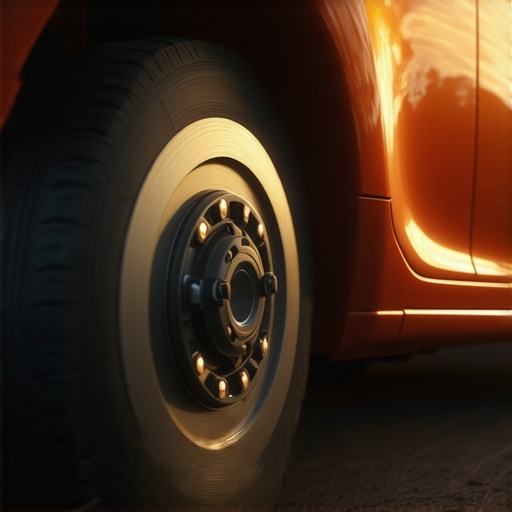
I remember the moment vividly. I was cruising home after a quick errand when suddenly, a rhythmic thumping thrummed through my steering wheel. It wasn’t loud, but enough to grate on my nerves. I thought maybe I hit a pothole or my tires were starting to wear out, but the sound persisted even on smooth pavement. That realization hit me—there was something deeper going on with my car, and I needed to uncover it.
Why That Gentle Thumping Could Be a Warning Sign
Many drivers dismiss minor noises, brushing them off as just part of the aging vehicle. But what if that subtle thumping isn’t harmless? Early on, I made the mistake of ignoring a similar sound, which turned into a costly repair. It’s easy to blame poor road conditions or simple tire imbalance, yet often, the cause lies beneath the surface—literally. This persistent low-speed thumping can point to issues ranging from worn suspension components to more obscure transmission-related problems.
This blog aims to shed light on the hidden causes behind that rhythmic thumping. We’ll explore how to identify whether it’s a simple fix or something that requires professional attention. By the end, you’ll have the knowledge to avoid unnecessary repairs and ensure your vehicle’s smooth ride.
Is Your Thumping Actually Worth the Hype?
When I first heard the sound, I was tempted to ignore it, thinking it would go away. Turns out, many drivers share that exact hesitation—believing it’s not urgent. But neglecting the signs can lead to major failures down the line. According to certified auto technicians, what seems like a minor vibration often indicates a safety concern or an impending breakdown.
My experience taught me the importance of early detection, and I want to help you do the same. Don’t let that innocent-seeming thump turn into a breakdown that leaves you stranded. Sometimes, the solution is a simple adjustment, but other times, it’s a wake-up call from your vehicle telling you something’s wrong.
If you’ve been facing that peculiar rhythmic sound at low speeds, you’re not alone. Let’s dive into what could be causing it and how you can approach fixing it, starting with some common culprits and their telltale signs.
Start With a Visual and Auditory Inspection
When I first encountered that persistent thumping, I immediately pulled over to visually examine my tires and suspension. Check for uneven tire wear, bulges, or cracks—these are common signs of imbalance or damage. Listen carefully for patterns—does the thump change with speed or turn direction? This simple step often reveals visible issues or narrows down potential causes.
Assess Tire Condition and Balance
Remove the wheels if possible and inspect for embedded debris or uneven tread wear. Use a tire balancing machine to check if the weight distribution is even. Unbalanced tires can cause a rhythmic thumping at low speeds — comparable to a lopsided wheel on a shopping cart. If the tires are unevenly worn or out of balance, aligning or replacing them may resolve the problem.
Inspect Suspension Components
Next, focus on suspension parts like shocks and struts. Worn or damaged parts may produce knocks and thumps during movement. Push down on the corners of your vehicle—if it continues to bounce excessively, the shocks might need replacing. As I replaced worn shocks on my truck, the thumping noise vanished, restoring a smooth ride.
Methodically Check the Drive Shaft and CV Axles
Worn CV joints or axles deliver a similar rhythmic thump, especially during acceleration or turning. Jack up the car safely, and manually wiggle the axles for excessive play or inspect for torn boots leaking grease. If these are compromised, replacing the CV axle or joint is essential, much like swapping out a worn-out part in a precise machine.
Diagnose Transmission-Related Causes
Sometimes, the thumping stems from transmission issues, especially if the noise occurs during acceleration. Shift through gears, noting any harsh shifts, delays, or shuddering. A faulty transmission fluid or a worn clutch can cause inconsistent engagement. Consider flushing the transmission fluid as part of routine maintenance — this is akin to changing the oil in your engine to keep everything running smoothly. For detailed guidance, check out these transmission repair tips.
Monitor Brake System and Rotors
Brakes can also cause rhythmic noise if the rotors are warped or pads are uneven. During light braking, listen for squealing or pulsating sensations. If the thump occurs during braking at low speeds, inspect the brake rotors and pads for uneven wear. Remember, warped rotors are like unbalanced wheels—causing vibrations that can feel like a rhythmic thumping. Regular brake checks and rotor resurfacing can prevent this issue from escalating.
Test for Frame and Alignment Issues
If all mechanical parts check out but the noise persists, consider misalignment or structural problems. A bent frame or misaligned suspension affecting wheel tracking can produce abnormal thumps. A professional alignment can restore proper wheel orientation, preventing uneven wear and noise—similar to how a crooked picture frame distorts the whole aesthetic. For precise alignment procedures, see strategies for restoring your car to perfection.
Use a Step-by-Step Testing Approach
Document when the noise occurs—during acceleration, deceleration, or turns. Conduct test drives to isolate the condition: test at different speeds, road surfaces, and load conditions. This pattern recognition is similar to troubleshooting a complex system—eliminating variables one by one until you pinpoint the core issue. Remember, safety first: ensure your vehicle is securely supported and avoid hazardous conditions during inspections.
When to Seek Professional Help
If these steps reveal nothing definitive, or the repair seems complex—like internal transmission work or frame straightening—don’t hesitate to consult a professional. Picking a reputable auto repair shop ensures precise diagnostics and quality repairs. To find trusted service providers, visit Collision Renew’s contact page. Acting promptly prevents minor issues from turning catastrophic, saving you money and peace of mind.
Many car owners operate under misconceptions when it comes to transmission, vehicle service, and collision repair. One prevalent myth is that “newer cars are foolproof,” leading many to neglect routine maintenance. In reality, even modern vehicles require diligent care; technology advances don’t eliminate the need for regular checkups. For example, some believe that” transmission fluid lasts forever,” but experts confirm it degrades over time, reducing efficiency and risking costly repairs, as detailed in top transmission repair tips.
Another common trap is assuming all repair shops are equally trustworthy. Many car owners overlook the importance of selecting an experienced, certified technician, which can lead to subpar repairs and even additional damage. It’s crucial to understand that “cheap fixes” often cost more in the long run, especially for complex systems like brakes and transmissions.
Advanced car systems have added layers of nuance that most drivers miss. For instance, the misconception that “brake pads last forever” ignores the fact that materials wear differently based on driving habits and conditions. Regular brake service isn’t just about replacing pads but ensuring calipers, rotors, and hydraulic systems are functioning properly. As such, neglecting these nuances can lead to uneven wear, pulsing brakes, or dangerous loss of stopping power.
From my experience in auto repair, I’ve noticed many pitfalls that could have been avoided with a better understanding of vehicle nuances. For example, some believe that “a minor leak isn’t serious,” but small fluid leaks from transmission and cooling systems can quickly escalate, causing severe damage or failure. Routine inspections and proactive repairs are essential—don’t wait for visible puddles to act.
A crucial, often-overlooked aspect is the significance of calibration after collision repairs. Misaligned sensors or panels might seem minor but can impair safety features like collision avoidance or adaptive cruise control. Ensuring proper calibration is an advanced step that many underestimate, risking compromised safety.
To sum up, the automotive repair landscape is riddled with misconceptions. The key is to stay informed and consult reputable sources. For comprehensive guidance, exploring auto repair strategies can be invaluable. Remember, knowledge not only saves money but also ensures safety and longevity of your vehicle.
Have you ever fallen into this trap? Let me know in the comments.
Keep Your Car Running Smoothly With Precision Tools
Maintaining your vehicle over the years requires more than just routine checks; it demands the right equipment to diagnose and address issues accurately. Personally, I rely on a high-quality OBD-II scanner like the BlueDriver Bluetooth Pro OBDII Scan Tool. It connects effortlessly to my smartphone, providing detailed fault codes and real-time sensor data, which has saved me time and money during initial diagnostics. Investing in a reliable scan tool means you can identify problems like misfiring cylinders or transmission faults early, before they escalate.
Pinpoint Problems Before They Escalate
Beyond electronic diagnostics, I recommend a digital tire pressure gauge such as the Milwaukee 233B Tire Pressure Gauge. Accurate tire pressure is crucial for transmission longevity, brake efficiency, and overall safety. I personally use this gauge because of its precision and durability, ensuring my tires are always at optimal levels, which prolongs tire life and improves fuel economy.
Use Specialized Software for Deep Diagnostics
For more advanced diagnostics, especially relating to transmission and collision-related sensors, tools like top transmission repair tips recommend software such as AutoEnginuity. This program provides comprehensive system analysis, enabling me to detect hidden issues like faulty sensors or electronic glitches that simple scan tools might miss. With these insights, I can plan precise repairs, preventing costly breakdowns down the line.
Regular Maintenance: The Foundation of Reliability
Staying ahead requires consistent use of these tools to monitor critical components. For example, checking the cooling system with a Infrared Thermometer helps identify overheating issues before they damage the transmission or engine. I personally check my radiator and coolant hoses regularly, which helps me prevent future repairs. Incorporating these practices into your routine ensures long-term performance and safety.
How do I maintain transmission health over time?
One of the most effective methods I’ve adopted is routine transmission fluid exchange using quality supplies like top transmission repair techniques. This simple yet vital step prevents the buildup of debris and maintains proper lubrication, extending the lifespan of your transmission. Additionally, leveraging software diagnostics can alert you to early warning signs of wear or sensor failure, saving you from unexpected breakdowns.
Predicting the Future of Vehicle Maintenance
Looking ahead, advancements in telematics and artificial intelligence will allow real-time vehicle health monitoring through connected devices. This trend promises to make maintenance more proactive, reducing downtime and repair costs. Embracing these technologies today positions you as a forward-thinking car owner who prioritizes safety and efficiency.
Don’t wait for a breakdown—try implementing routine diagnostic checks with an advanced scan tool and sensor monitor. Addressing issues early ensures your vehicle remains reliable and safe for the long haul. For more tips on safeguarding your investment, explore collision renewal strategies.
Over the years, I’ve realized that the most valuable insights about vehicle care come from paying attention to the little things that often go unnoticed. Recognizing subtle cues, like that rhythmic thumping or a sporadic squeal, can save you from costly repairs and keep your car running smoothly for the long haul. The key is to develop an intuitive understanding of your vehicle’s whispers, rather than just reacting to loud alarms or dashboard lights.
The Hardest Lesson I Learned About transmission,car service,collisionrenew,auto repair,brake service
One lesson that stood out was discovering how minor suspension squeaks can mask major alignment issues. Ignoring these sounds nearly led me to replace a perfectly good set of tires. It taught me that patience and keen observation often yield better results than rushing into repairs.
3 Myths About transmission,car service,collisionrenew,auto repair,brake service That Held Me Back
For example, I used to believe that all brake pads last forever, which isn’t true. Regular inspections are essential because materials wear unevenly based on driving habits. Debunking this myth transformed the way I approach vehicle maintenance, emphasizing proactive care over reactive fixes.
What Experts Won’t Tell You About transmission,car service,collisionrenew,auto repair,brake service
Many professionals hold back one crucial fact: modern vehicles are sophisticated systems that require specialized diagnostics. I learned that standardized checks aren’t enough; advanced tools and software are often necessary to uncover hidden issues, especially with transmission and collision-related sensors. Investing in these diagnostics upfront can prevent surprises down the road.
My Essential Toolkit for Vehicle Maintenance
I’ve come to trust tools like the BlueDriver Bluetooth Pro OBDII Scanner for quick, accurate fault detection. Paired with a high-quality digital tire pressure gauge, these allow me to monitor critical systems regularly. These tools empower me to take control and catch issues early, saving both time and money.
Don’t Wait for Disaster, Prepare Now
Your vehicle has a language—cracks in the paint, vibrations, or strange smells—that signals when something’s amiss. Learning to interpret these signs transforms your maintenance routine into an act of ongoing care rather than crisis management. Embracing diagnostic tools and routine checks platform your confidence and extend your vehicle’s life, making every drive safer and more enjoyable.
What’s the first sign you’ve ignored that turned into a bigger issue? Share your story below and let’s learn from each other’s experiences.
,