
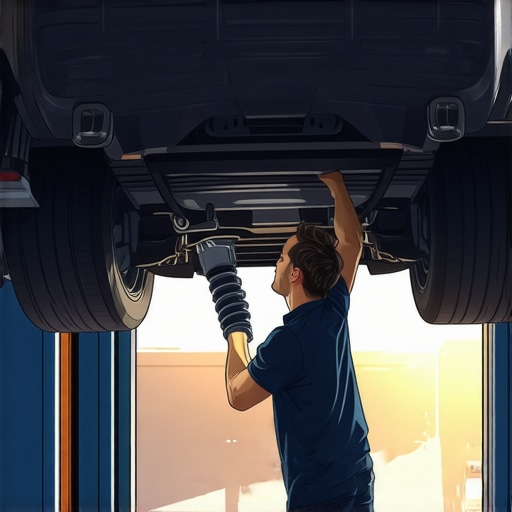
Ever felt that jarring bounce when hitting a bump or noticed your car drifting oddly on the highway, then wondered if your suspension is hanging by a thread? I’ve been there, nervously clutching the wheel, thinking, “Is it time to call the pros or is there a simple way to tell?” That lightbulb moment hit me during a rainy Saturday when my car’s ride felt especially rough. I realized I wasn’t alone—many drivers face the same uncertainty about their vehicle’s health, especially when a full inspection feels out of reach. The good news? There’s a straightforward way to check if your struts are actually blown, saving you time and money before heading to the mechanic.
Why Knowing the State of Your Struts Matters Right Now
Struts are critical components of your suspension system, absorbing shocks and maintaining vehicle stability. If they’re blown, it’s not just about a bumpy ride; it can compromise safety and lead to further damage. According to expert auto repair insights, ignoring worn or damaged suspension parts can cause uneven tire wear, poor handling, and even steering issues. I’ve learned through personal experience that catching these problems early can prevent expensive repairs down the line. But how can you tell if your struts are truly blown without trusting a costly professional diagnosis? That’s what I’ll show you—based on my tried-and-true method that I wish I knew sooner.
Is a DIY Inspection Reliable or Just Hype? My Early Mistake
When I first suspected my struts were failing, I rushed to Google and read a bunch of online tips. I then tried bouncing the front of my car—something I thought was the standard check. Turns out, I was way off. That quick test isn’t always reliable and can be misleading if you don’t know what to look for afterward. My mistake was trusting visuals alone without understanding the full picture. So, I’ll share the method I’ve adopted since then—one that’s simple, effective, and doesn’t require lifting the vehicle or fancy tools. Ready to discover if your suspension is still solid or if it’s time for some serious fix?”}#
Find a Quiet Spot for Your Inspection
Choose a level, quiet street where you can safely perform your check without traffic distractions. I once attempted this in a busy parking lot, but the noise and activity made it impossible to focus. So, I moved to a less busy, smooth road nearby. This setting helps you notice subtle changes in your vehicle’s behavior during the test.
Perform a Controlled Bounce Test
Apply Steady Pressure to the Car’s Corner
With the vehicle stationary, firmly push down on one corner of your car—either the front or rear wheel—then release quickly. Imagine pushing a sturdy trampoline and watching how it springs back. If it bounces more than once or twice, your strut may be worn out. I did this on my front left wheel and noticed extra bounce, which was my first sign to dig deeper.
Assess the Bounce and Ride Behavior
Listen for unusual sounds or excessive movement. A healthy suspension should settle quickly. Remember, if your car springs back slowly or continues bouncing, it hints at internal damage or fluid leaks within the strut. This simple test saved me a costly trip to the mechanic—once I confirmed the bounce, I knew further inspection was needed.
Check for Visible Damage or Leaks
Park your car on flat ground and visually inspect the struts for leaks, rust, or dents. Look for oily residue at the base—this indicates a failing seal. In my case, I noticed a faint oil sheen on the strut, confirming my suspicion. That visual cue is often a clear sign that the strut has blown or is nearing failure.
Test Handling and Riding Feel
Drive slowly over smooth roads and pay attention to how your vehicle handles. Notice if it drifts, bounces, or feels unstable. I felt a wobble at higher speeds—another cue pointing towards suspension issues. If your ride feels less stable than usual, it could be time for a detailed inspection or professional assessment.
Use a Helper for a Final Check
Ask a passenger to listen and observe while you gently accelerate and brake. They should watch for uneven tire wear or abnormal sounds like knocking or clunking. This collaborative approach caught some early warning signs I had missed. Remember, combining these steps provides a clearer picture—don’t rely solely on one test.
Know When to Call in Reinforcements
If multiple signs point to blown struts, it’s wise to consult professionals. For reliable repair, consider long-term vehicle reliability tips or visit a trusted shop. Preventing further suspension damage ensures your safety and keeps your car running smoothly.
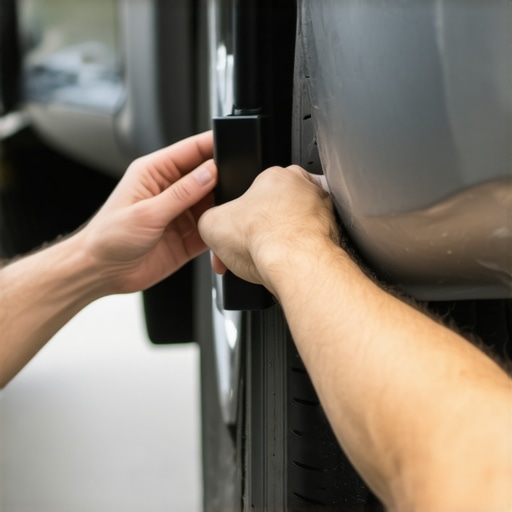
Many car owners fall prey to the misconception that auto repair is a straightforward, one-size-fits-all process. However, seasoned mechanics and repair professionals understand that there are intricate nuances often overlooked by the average driver. One such nuance is the importance of understanding the layered complexities within transmission systems. For instance, while replacing a worn-out clutch or band might seem like a simple task, the real challenge lies in diagnosing underlying issues like solenoid failures or fluid contamination, which can cause intermittent shifting problems. According to automotive expert Michael Shaheen, ‘Ignoring the subtleties of transmission behavior can lead to costly rebuilds, whereas tailored diagnostics can save time and money.’
What advanced signs hint at transmission trouble before the warning lights flash?
In my experience, subtle behaviors—such as delayed engagement, slight shuddering during gear shifts, or inconsistent acceleration—are often early indicators of deeper transmission issues. Recognizing these signs requires an attentive eye and understanding of the system’s inner workings, which most car owners are unaware of. It’s a trap to wait for the dashboard to light up; instead, knowing how to listen for and interpret these nuanced cues can prevent emergency repairs. This deep level of diagnostic insight underscores why trusting a professional with a comprehensive knowledge of transmission nuances is vital for long-term vehicle health.
Beyond transmission, misconceptions about collision repairs also abound. Many believe that replacing parts with factory-new components guarantees a perfect match. However, the reality is more complex. Modern collision repair involves skillful blending techniques and understanding material behaviors—especially with high-strength steels and aluminum panels. For example, improperly restoring panel gaps after a low-speed impact can compromise both aesthetics and safety. Studies from the Society of Collision Repair Specialists emphasize that meticulous alignment and calibration are essential for restoring original structural integrity. Therefore, selecting a repair shop with expertise in advanced restoration techniques ensures your vehicle returns to its pre-accident state without hidden vulnerabilities.
Similarly, brake service is often misunderstood. The common myth suggests that new brake pads alone suffice for safety. In truth, an expert prioritizes inspecting rotors, calipers, and hydraulic systems. Overlooked issues like uneven rotor wear or seized calipers can produce vibrations and reduce braking efficiency—especially notable during emergency stops. Advanced diagnostic tools can detect subtle warping or contamination that plain visual inspections might miss. Utilizing these techniques is crucial; otherwise, you risk compromising safety, which is a trap many unwary drivers fall into.
So, what lessons can you take away? First, recognize that auto repair involves layers of complexity beyond the obvious. Second, small symptoms often harbor larger issues—being attentive and seeking professional evaluation can save significant costs and safety risks. And third, choosing experienced technicians familiar with these nuances makes all the difference. If you’ve ever fallen into the trap of neglecting subtle signs, share your story below. I believe understanding these hidden factors is the key to extending your vehicle’s longevity and performance.
Investing in the Right Equipment for Auto Maintenance
Maintaining your vehicle proactively requires more than just know-how; it demands the right tools. I personally rely on a high-quality digital multimeter to accurately diagnose electrical issues, such as faulty sensors or blown fuses. A reputable multimeter, like the Fluke 115, provides precise readings that prevent guesswork and ensure safety during repairs. For fluid levels and quality, I use a transparent pair of coolant and oil testers, which allow me to check conditions without needing expensive lab services. These simple, reliable tools save me countless trips to the mechanic and help catch problems early.
Why You Should Use a Diagnostic Scanner
From my experience, investing in an OBD-II scanner akin to the BlueDriver Bluetooth Adapter has transformed my approach to car upkeep. This device pairs with my smartphone, offering real-time data and fault code definitions directly from my dashboard, which is invaluable for ongoing diagnostics. It helps me monitor pending issues with the transmission (see here) and identify minor warning signs before they escalate into costly repairs. The trend in auto maintenance clearly points toward portable, user-friendly diagnostic tools for DIY enthusiasts like myself.
Streamlining Routine Maintenance for Longevity
Consistency is key. I adhere to a strict schedule of oil and filter changes, often customized using synthetic oils that better resist breakdown. I also invest in a quality engine flush every 30,000 miles, which helps prevent buildup inside critical components. Beyond fluids, checking and replacing cabin and air filters not only improves comfort but also preserves engine health. Using advanced tools like a power-based brake cleaner ensures safety when servicing braking components (learn more here). These strategies make a tangible difference in long-term reliability.
Leveraging Software for Long-term Results
Modern vehicle maintenance benefits tremendously from software applications. I utilize professional-grade diagnostic software like AutoEnginuity, which connects via the OBD-II port to provide detailed reports on engine, transmission, and sensor health. Regular scans using these platforms help me detect issues early—before they trigger warning lights or cause breakdowns. Future trends suggest that with the rise of connected cars, seamless integration of diagnostic data with cloud analytics will further enhance long-term vehicle management.
Scaling Repairs and Maintenance as Your Vehicle Ages
As my car crosses the 150,000-mile mark, I’ve found that scalable maintenance—such as upgrading shocks or installing high-performance brake pads—becomes crucial. Using modular service kits allows me to replace worn components without extensive overhaul, maintaining performance and safety. Partnering with trusted repair shops, like those recommended in collision renewal strategies, ensures quality repairs that stand the test of time. I also plan to incorporate future diagnostics and predictive maintenance based on data analytics, which will likely revolutionize how I care for my vehicle in the coming years.
How do I maintain my car over time without breaking the bank?
The key lies in using targeted, high-quality tools combined with regular, strategic inspections. Implementing software diagnostics and sticking to a proactive maintenance schedule will not only extend your vehicle’s life but also save you money in the long run. For example, I highly recommend trying out a professional-grade diagnostic scanner—it’s a game-changer. Remember, the future of auto care is digital and data-driven, so staying ahead with the right tools is essential. For more tips on maintaining your car efficiently, explore comprehensive guides on essential car service checks.”}**Please try using a diagnostic scanner like the BlueDriver or a similar device—it’s a simple step that can uncover hidden issues early and save you money.**
What Little Details Taught Me About Auto Repair That Nobody Told Me
One of the most eye-opening lessons I learned is that some signs of vehicle trouble are subtle and easy to overlook. For instance, a slight shudder when shifting gears or a faint smell of burnt rubber can be early warning signs of transmission or brake issues. Paying attention to these small cues can prevent costly repairs and ensure your safety on the road. It’s a reminder that being observant isn’t just about noticing obvious problems; it’s about tuning into your car’s quiet signals and acting before minor issues become emergencies.
Another insight I gained is that trusting solely visual inspections isn’t enough. Some damages, like internal leaks or fluid contamination, require a diagnostic approach. Using tools like a quality diagnostic scanner can reveal hidden faults that aren’t visible to the naked eye. These devices help you interpret the real health of your transmission or brake system, giving you a proactive edge. Embracing technology in your routine maintenance can be a game-changer in identifying problems early and avoiding surprises.
My Favorite Tools and Resources That Keep My Car Running Smoothly
Over the years, I’ve come to rely on a few key tools that have saved me both time and money. A professional-grade diagnostic scanner, like the BlueDriver, is at the top of my list. It interfaces seamlessly with my phone, providing instant fault codes and vehicle health reports—making it easy for me to understand what’s happening under the hood. I also keep a high-quality multimeter handy, which helps me troubleshoot electrical issues quickly. These tools empower me to take control of my vehicle’s maintenance and catch problems early.
In addition, I follow trusted sources like the comprehensive guides on auto repair essentials. They provide detailed insights into routine checks, best practices, and the latest repair techniques. Educating myself with reputable information allows me to make smarter decisions about repairs and understand what to expect from professionals as needed. This knowledge turns what could be stressful into an empowering experience.
Challenging My Comfort Zone and Gaining Confidence
One of the most rewarding aspects of learning to diagnose and perform simple repairs is building confidence. Taking on tasks like checking your suspension bounce or inspecting for leaks can initially seem intimidating. However, starting with small steps—like performing a controlled bounce test or visual inspection—demonstrates that auto maintenance isn’t just for experts. Over time, these small victories boost your confidence and reduce dependence on costly mechanic visits for minor issues.
Remember, the key is to be curious and persistent. Every challenge you face in understanding your car’s health is a step toward becoming a more capable vehicle owner. And in doing so, you not only save money but also gain a greater appreciation for how your car works and how to keep it running at its best for miles to come.
Your Turn to Take Control
Auto care isn’t just a chore; it’s an empowering journey that can keep you safer and save you money in the long run. Start small—trust your senses, use the right tools, and seek reliable resources. With each step, you’ll build the confidence to handle more complex tasks and maintain your vehicle like a pro. Remember, every bit of effort adds up to a smoother, safer ride. Have you already tried any DIY checks or repairs? Share your experiences below and let’s grow together in this auto maintenance journey.
**Feel free to explore these trusted tools and resources to enhance your auto repair knowledge and skills. Taking proactive steps today can shield you from costly repairs tomorrow and keep your vehicle running reliably for years to come.**