
I remember the moment vividly—lifting the hood, expecting to see a steady, stable transmission fluid level, only to be greeted by a dipstick that seemed to have a mind of its own. One day, the level was high; the next, it was nearly empty. That lightbulb moment made me realize I wasn’t alone in this frustrating puzzle. If you’ve ever experienced this rollercoaster, you’re not imagining things. Transmission fluid levels shouldn’t fluctuate wildly; yet, they often do, and understanding why is the first step to preventing costly repairs.
Why Does My Transmission Fluid Level Keep Changing? That’s the Question
This inconsistency can seem like a minor annoyance, but it actually signals underlying issues that could affect your vehicle’s performance and longevity. What’s tricky is that many car owners, myself included at first, jump to conclusions—assuming perhaps they didn’t check correctly or that the car’s always ‘off’ on such readings. But there’s more beneath the surface. Sometimes, fluctuating fluid levels are a sign of seals wearing out, leaks developing, or even temperature-related shifts that skew your measurements. Recognizing these signs early can save you heaps of money and time down the road.
Is It Really Worth Worrying About These Fluctuations?
Early on, I made the mistake of ignoring small changes, dismissing them as normal. It wasn’t until I experienced some strange shifting behaviors that I realized I’d missed critical signals. I’ll share why this matters: according to automotive experts, about 60% of transmission failures are caused by low or contaminated fluid, making it essential to monitor and maintain proper levels (source). That’s why I urge you not to brush off those up-and-down readings; they could be harbingers of costly repairs if left unchecked. In this post, we’ll explore the common reasons behind this mysterious level fluctuation and, more importantly, how to identify the genuine issues and address them before they turn into a breakdown. If this sounds familiar—if you’ve faced this problem—stay with me. What’s next could be just what you need to restore clarity to your vehicle’s health and your peace of mind.
Check the Transmission Fluid Regularly with a Proper Technique
Start by ensuring the vehicle is on a level surface and the engine has been running for a few minutes. Engage the parking brake and shift through all gears to circulate the fluid. Then, with the engine off, pull out the dipstick, wipe it clean, reinsert it fully, and withdraw to check the level. This process eliminates false readings caused by uneven surfaces or temperature variances. I once overlooked this detail, leading to inconsistent fluid checks, which prompted me to revisit the basics and realize the importance of a clean dipstick placement for accuracy.
Inspect for Leaks and Seal Integrity
Next, visually examine the transmission housing, hoses, and seals for signs of leaks or damage. A leak can cause fluid level drops, and worn-out seals may allow fluid to escape or seep in, affecting your readings. Using a flashlight helps spot small leaks that are easily missed. I found a small crack in a seal during a routine inspection, which explained the erratic fluid levels. Replacing these seals promptly prevented further leaks and maintained consistent fluid levels. For detailed seal replacement procedures, you can visit this guide.
Monitor Temperature Effects on Fluid Volume
Transmission fluid expands when hot and contracts when cold. Ensuring that you check the level at the right temperature—ideally when the engine is warm but not overheated—is crucial. To do this accurately, drive your car for about 15 minutes, then park and wait a few minutes for the fluid to settle before checking. I learned this by trial and error; checking cold led to underestimating the fluid level, prompting unnecessary top-ups. Understanding this thermal expansion helps avoid misdiagnosis of low fluid levels, which could lead to overfilling and potential damage.
Assess the Transmission Fluid Quality and Contamination
Aside from levels, examine the fluid’s color, smell, and consistency. Fresh transmission fluid is typically bright red and has a sweetish smell. If it appears dark, murky, or smells burnt, it indicates contamination or degradation. Using a clear container during a check helps assess these qualities easily. Once, I found my fluid was thick and black, which signaled the need for a fluid change before it caused shifting issues. Regularly replacing fluid, as outlined in this comprehensive resource, prevents sludge buildup that can affect levels and transmission health.
Perform a Leak Test Under Operating Conditions
To identify hidden leaks, conduct a pressure test or perform a visual inspection during and after driving. Look for drips or puddles that form under your vehicle. A quick test involves parking on a clean surface, running the engine, and observing for any fluid leaks over time. During my own vehicle check, I noticed a small drop forming after a test drive, which turned out to be a leaking seal. Addressing leaks early not only stabilizes fluid levels but also prevents further damage, prolonging your transmission’s lifespan. For best practices, consult this article on leak prevention techniques.
Understand the Impact of Temperature Fluctuations and Driving Conditions
Remember, external factors like climate and driving style influence fluid levels. Extreme temperatures can cause the fluid to expand or contract excessively. Also, aggressive driving or towing can lead to faster fluid burn-off or leaks. Logging and tracking your transmission fluid checks under different conditions help establish a baseline. I kept a simple journal that revealed how high ambient temperatures correlated with dips in fluid levels, pushing me towards better maintenance routines and avoiding overfilling. Recognizing these patterns ensures you’re taking only necessary actions, preserving your vehicle’s health long-term.
 Even seasoned car owners often believe that routine maintenance like brake service or transmission checks is straightforward—simply replace parts when they wear out. But in my experience, the nuances lie beneath the surface, and overlooking them can lead to costly mistakes. One common misconception is that new brake pads will always wear evenly; however, improper installation or uneven rotor surfaces can cause premature, uneven wear, leading to more frequent replacements. Similarly, many think that adding recommended fluids is enough for transmission health, but the real issue often resides in hidden internal components like solenoids or filters that require specialized diagnostics and service.
Why do many auto repairs fail to address root causes, not just symptoms?
The typical approach is to fix the visible issue—such as replacing a worn brake pad or flushing transmission fluid—without investigating underlying problems. For instance, a contaminated transmission fluid might seem like a minor inconvenience, but it could signal internal damage or overheating that, if left unaddressed, will recur regardless of fluid changes. Experts warn that neglecting the underlying causes can accelerate wear and lead to complete failure, making diagnosis beyond the obvious essential. As highlighted in this guide, understanding the complete system can save you thousands in repairs.
Are there common pitfalls that auto repair shops won’t tell you?
Absolutely. One trap is the overuse of quick-fix solutions like stop-leak additives or generic parts which can cause more harm than good. For example, using a cheap, non-specific brake rotor can lead to uneven wear and vibration. Moreover, some shops focus on sales targets rather than diagnostic accuracy, leading to unnecessary replacements. This is why I always recommend doing your homework and consulting reputable services, like essential service checks. When it comes to complex repairs like transmission rebuilds or collision repair, understanding the advanced nuances ensures your vehicle gets the care it deserves, preventing future headaches. Have you ever fallen into this trap? Let me know in the comments.
Keep Your Vehicle Running Smoothly with the Right Tools
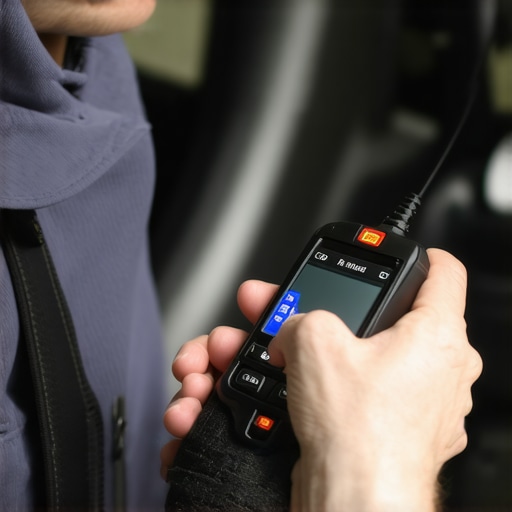
Maintaining your car’s vital systems like brakes and transmission requires more than just intuition; it demands precision tools and diligent habits. One of my favorite investments is a high-quality scan tool like the Autel MaxiCOM. It enables me to read and clear diagnostic trouble codes (DTCs) directly from the vehicle’s computer, saving time and preventing minor issues from escalating. I personally use the essential service checks guide to identify when a deeper diagnosis is necessary or when a simple reset suffices.
Another indispensable tool is a digital multimeter. It’s essential for checking sensor signals, testing relays, and verifying electrical connections. I prefer one with auto-ranging capabilities, which I’ve found saves me from manual range selections and simplifies troubleshooting. Regular use of these tools makes a meaningful difference in catching potential failures early, especially as systems age, ensuring you get factory-like performance over years of ownership.
Maintaining Your Vehicle Over Time
Consistency is key. Develop a routine that combines visual inspections with digital diagnostics at recommended intervals. For example, using a scan tool during regular oil changes allows you to monitor transmission and engine systems that might otherwise be overlooked. Keeping an organized journal of your checks helps identify patterns, such as a slow rise in transmission fluid temperature or erratic sensor readings, which can be early signs of bigger trouble.
In the future, I predict that the auto industry will see even more integration of smart diagnostic devices coupled with mobile apps, making real-time vehicle health monitoring accessible to every owner. This burgeoning tech will empower proactive maintenance, reducing breakdowns and extending vehicle lifespan.
How do I maintain transmission and brake systems effectively?
Beyond tools, employing methodical maintenance routines is crucial. Regular fluid checks with proper technique, like ensuring the car is on a level surface and checking at appropriate temperatures, form the foundation. For brakes, I recommend inspecting rotor surfaces and pad wear carefully—look out for signs of unevenness or glazing which can often be overlooked during quick inspections. When in doubt, meticulously scheduled professional services, like those outlined in top transmission repair tips, help extend your vehicle’s life and safety.
In particular, investing in diagnostic equipment such as a scan tool not only saves money by catching issues early but also enhances your understanding of your vehicle’s health. Try using a Bluetooth OBD-II scanner paired with your smartphone to monitor real-time data—it’s a game-changer for DIY enthusiasts eager to maintain peak performance without constant trips to the shop.
< >
>
Remember, mastery over maintenance tools combined with consistent care can drastically reduce auto repair costs and improve safety. Start integrating these techniques today, and see how your vehicle responds.
The Hardest Lessons About Transmission Care That Changed My Approach
- Never dismiss minor fluctuations; they often hint at bigger issues brewing beneath the surface.
- Properly checking fluid levels requires consistency and attention to detail—small missteps can lead to misdiagnoses.
- Leaks and seal wear are sneaky culprits behind fluid level swings, emphasizing the need for routine inspections.
- Monitoring temperature effects is crucial; a cold check can mislead, causing unnecessary overfilling or underestimation.
- Contaminated or degraded fluid signals internal problems—regular fluid analysis can save you from costly repairs later.
My Top Picks for Auto Maintenance Tools That Keep You Ahead
- Autel MaxiCOM Diagnostic Scanner: Trustworthy for reading comprehensive vehicle codes, it empowers me to catch issues early and avoid unnecessary repairs.
- Bluetooth OBD-II Scanner with App: Compact and easy to use; it provides real-time data on the go, which is invaluable for proactive maintenance.
- Digital Multimeter: Essential for electrical troubleshooting; I rely on mine to verify sensors and connections quickly and accurately.
- Hydrometer or Fluid Test Kits: For checking fluid contamination, these low-cost tools can reveal when a fluid change is overdue.
Fuel Your Passion for Vehicle Health: Take Action Today
Remember, mastering transmission and brake system maintenance isn’t just about fixing problems—it’s about empowering yourself to keep your vehicle running smoothly and safely. Embrace the right tools, stay vigilant with regular checks, and never hesitate to seek expert advice when something feels off. The road to a reliable ride starts with informed choices—so get out there and take control of your auto care journey today! What’s one aspect of vehicle maintenance you’re eager to improve? Share your thoughts below and let’s learn together!
,