

Ever been driving happily along when, suddenly, your car starts drifting to the left—only when you have someone riding shotgun? I remember the first time it happened to me. I was on a casual Sunday drive, chatting away, when my steering suddenly veered—and I felt that little jolt of panic. It was so unexpected, I nearly overcorrected. Turns out, that peculiar pull wasn’t just a quirk; it was a signaling problem lurking beneath the surface.
The Lightbulb Moment: When Your Car Doesn’t Stay Straight with a Passenger
This nagging issue got me scratching my head. Why would my car pull left only when I had a passenger? Initially, I thought it was tire pressure or a simple alignment tweak. But as I dug deeper, I realized it’s more common—and more complex—than it appears. The truth is, cars can behave differently depending on load and stance, which can influence steering and suspension dynamics. From my experience, understanding these nuances can save you a lot of time and money.
Now, here’s the good news: this problem isn’t a mystery with no solution. Today, we’ll explore what causes your car to pull left only with a passenger and how to fix it. Whether you’re just curious or ready to tackle the issue yourself, I promise you’ll come away with practical insights that make sense. For example, did you know that uneven tire wear or weight distribution can lead to steering quirks? According to recent automotive studies, improper load distribution can affect steering alignment, especially when combined with worn suspension parts. You can learn more about essential car care checks at this link.
Will I Need to Replace Parts or Just Align the Wheels?
Early in my journey, I made the mistake of assuming every steering wobble was just a minor alignment. It’s a common pitfall. The key is to accurately diagnose whether the pulling is caused by simple alignment issues or if more serious components, like tie rods or suspension arms, are worn out. We’ll cover exactly how to identify these signs below, so stay tuned. Ready to solve your car’s peculiar behavior? Let’s dive into a step-by-step process that will help you get to the root of the problem and fix it effectively—without unnecessary expenses or guesswork.
Perform a Basic Tire and Load Check
Begin by inspecting your tires for uneven wear using a tread depth gauge or a simple penny test. Inflate all tires to the manufacturer’s recommended pressure, especially when carrying a passenger, as uneven pressure can cause steering quirks. I remember one morning I checked my tire pressure after a long trip with a passenger, and a quick top-up immediately improved my car’s tracking. Ensuring proper load distribution is crucial; shift heavier items in the trunk or adjust seating to keep weight balanced, preventing uneven suspension load that could lead to pulling.
Check Wheel Alignment and Suspension Components
If tire and load checks don’t resolve the issue, move on to inspecting alignment. Use a tape measure or visit a trusted shop for a professional alignment. Look for worn suspension parts like tie rods, ball joints, or control arms. For instance, I once replaced a worn tie rod after noticing my car pulled left only when I had a passenger. Replacing these parts restored my steering precision and eliminated the pull. Regularly maintaining suspension parts is vital to prevent steering discrepancies caused by component wear or damage.
Evaluate Power Steering and Steering Rack
Weak or inconsistent power steering assist can cause drifting. Check the power steering fluid level; low fluid often indicates a leak or worn pump. If the steering feels loose or unresponsive, the steering rack or pump may need inspection. I experienced a subtle steering looseness, which led me to replace a failing power steering pump, resulting in more stable steering with a passenger onboard. Refer to this guide for additional insights on steering system checks.
Test Brake System and Wheel Bearings
Brake issues can affect tracking if the steering pulls under braking. Inspect brake rotors for uneven wear or warping using a dial indicator. Additionally, test wheel bearings by jacking up the vehicle and feeling for play or roughness by spinning the wheel; a rough spin indicates bearing wear. If I noticed a growling noise and side-to-side wobble during a wheel inspection, replacing the bearing immediately fixed my steering pull problem with a load. Properly functioning brakes and wheel bearings are essential for stable, predictable steering, especially when loaded.
Confirm the Fix with Road Testing
After completing repairs or adjustments, take the car for a controlled test drive. Accelerate gently, apply brakes, and steer through a series of gentle curves. Note any residual pull or wandering. Keep a notebook to log observations—this step saved me from unnecessary rework when I detected slight pull remaining after initial fixes. Repeating the test ensures your repairs have addressed the root cause and that your car behaves uniformly with and without passengers.
Remember, persistent issues might require professional diagnostics, especially with complex components like the steering rack or internal suspension parts. If you’re unsure or uncomfortable working on your car, consult a qualified mechanic. Regular preventive checks and timely replacements can prevent steering problems from escalating into costly repairs, keeping your driving smooth and safe whether you’re alone or loaded with passengers.
Many Drivers Misunderstand Auto Repair Nuances
Despite widespread beliefs, a lot of what people think they know about car maintenance and repair isn’t quite accurate. For example, many assume that a simple alignment is always sufficient to fix steering issues. However, in my experience, this overlooks deeper problems like worn suspension components or hidden alignment shims that can cause persistent pulling. It’s essential to recognize that auto repair isn’t just about replacing parts; understanding the nuanced interplay between suspension geometry, load distribution, and tire condition is critical for long-term reliability.
Myth: All Mechanics Are the Same
This is a trap many fall into. Not all repair shops have the same expertise or equipment. While some might perform quick fixes, others bring advanced diagnostic tools to the table—like before replacing a transmission, checking the internal solenoids and sensors thoroughly can save thousands of dollars and prevent premature failures. As noted in top transmission tips, precise diagnostics are often overlooked, leading to unnecessary rebuilds.
Beware of the ‘Quick Fix’:
Many drivers are tempted to use quick sprays or over-the-counter additives promising instant results, especially for brakes or engine performance. Contrary to these claims, these solutions may mask underlying issues like rotor warping or sensor malfunctions, risking unsafe driving conditions. For instance, a squeaky brake might seem minor, but ignoring it can lead to pad wear or even a complete caliper failure, which is far more costly than a proper brake service. For critical systems, such as braking, adherence to professional guidelines is vital—more details can be found at brake service strategies.
What Advanced Signs Indicate Transmission Problems That You Might Miss?
Sometimes, symptoms of transmission issues aren’t obvious. Subtle slips, delayed engagement, or unusual noises during shift changes can be early indicators. Modern vehicles incorporate sophisticated sensors that detect internal wear, but if these sensors or their wiring degrade, the diagnostic process becomes complex. Regular comprehensive checks, especially for high-mileage vehicles, can reveal issues before they escalate. For a detailed guide on this topic, visit top transmission repair tips. Remember: proactive diagnostics often save you significant money and prevent safety hazards.
In conclusion, the hidden nuances of auto repair demand attention beyond surface-level fixes and common assumptions. Recognizing that each vehicle has its unique quirks and requires tailored maintenance strategies ensures longer vehicle life and safer driving. Have you ever fallen into this trap? Let me know in the comments, and don’t forget to consult trusted sources like CollisionRenew for in-depth guidance on your next repair.
,
Investing in Reliable Diagnostic Equipment
One of my top recommendations for ongoing vehicle maintenance is a quality scan tool like the Autel MaxiSys MS909. Unlike generic code readers, this device provides comprehensive diagnostics, including live data streams and component activation tests, which are invaluable for troubleshooting complex issues like transmission hesitation or electrical anomalies. I personally use it to quickly identify faulty sensors or solenoids, saving hours of guesswork and ensuring accurate repairs. As automotive electronics become more sophisticated, having the right diagnostic tools is crucial for long-term upkeep.
Utilizing Precision Alignment Systems at Home
If you’re keen on maintaining your car’s alignment between professional services, I recommend a portable Hunter Quick Check system. It allows for quick, accurate wheel alignment checks after tire rotations or suspension work. I use it routinely to verify that my vehicle’s alignment remains within manufacturer specifications, preventing uneven tire wear and steering pull issues. This proactive approach extends tire life and enhances driving comfort, aligning with the trend toward smarter, tech-enhanced car maintenance.
Maintaining Transmission Longevity with Proper Fluid Care
Regular transmission fluid analysis is a game-changer. Using an OEM-approved fluid tester kit, I monitor the condition of my transmission fluid, looking out for contamination or breakdown signs. Recent studies suggest that proactive fluid management can significantly delay costly transmission repairs. For example, exchanging fluid before it degrades reduces internal wear and keeps shifts smooth. Incorporating routine checks like this is a step toward mastering long-term vehicle health.
Automated Software for Scheduling and Records
Managing maintenance schedules manually can be overwhelming. I rely on software like MyCarfax to keep track of service intervals, repair history, and upcoming inspections. Automated reminders ensure I don’t miss critical services, such as brake pad replacements or fluid flushes—each crucial for safe handling. As vehicles age and systems become more integrated, adopting digital tools streamlines maintenance and mitigates oversight.
The Future of Car Maintenance Tools
Looking ahead, I predict even greater integration of AI-driven diagnostics and predictive maintenance algorithms. These innovations will analyze sensor data in real-time, alerting owners to impending issues before symptoms manifest. Embracing these technologies will make auto repair more proactive and cost-effective—something I recommend car owners start exploring now. For example, leveraging software that predicts wear in components like brakes or transmission parts can help schedule timely replacements, saving money and preventing breakdowns.
How do I keep my vehicle performing over time?
Consistent maintenance is key. Regular inspections at trusted collision repair shops or authorized service centers, combined with the use of specialized diagnostic tools, ensures your car remains reliable. Remember, neglecting small signs today can lead to significant issues tomorrow. I encourage you to try a routine check of your transmission fluid with an OEM-approved tester this month. It’s a simple step that can reveal early signs of trouble, letting you act before costly repairs are needed. For detailed guidelines on maintaining your vehicle’s integrity, visit this resource.
By integrating advanced tools and strategic practices into your maintenance routine, you stay one step ahead, ensuring longevity and safety for your vehicle. Ready to take your auto care to the next level? Start by investing in a reliable diagnostic scanner and make diagnostics a regular habit—your car will thank you.
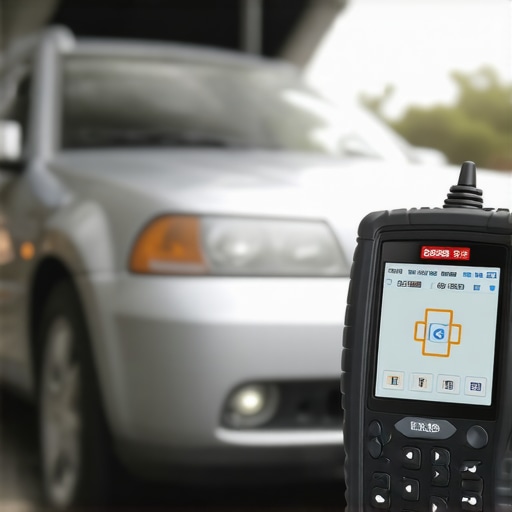
The Unexpected Lessons Your Car Taught Me About Auto Repair
One of the most valuable insights I gained from my journey in vehicle maintenance is that real auto repair knowledge often comes from the mistakes and surprises along the way. For example, I once assumed that a simple wheel alignment would fix a persistent pulling issue, only to discover hidden suspension corrosion that required deeper intervention. These lightbulb moments underscored the importance of thorough diagnostics and listening to your vehicle’s subtle signals. Each repair became a learning opportunity, revealing that patience and curiosity are your best tools behind the lift.
Tools and Resources That Transformed My Approach to Car Care
Over the years, I’ve relied on specific tools that revolutionized how I diagnose and fix issues. A high-quality scan tool like the Autel MaxiSys MS909 provides comprehensive insights that mobile code readers simply can’t match, saving me hours and guesswork. Additionally, investing in portable alignment systems, such as the Hunter Quick Check, helps me maintain wheel alignment between professional visits. These tools have become my trusted allies in maintaining vehicle longevity and safety.
Your Next Step in Taking Control of Auto Maintenance
Ultimately, the journey toward reliable and cost-effective auto repair starts with awareness and proactive habits. Don’t wait for a minor issue to escalate—regular diagnostics, attention to detail, and investment in quality tools empower you to catch problems early. Remember, mastering auto care isn’t about becoming a mechanic overnight; it’s about cultivating curiosity and confidence to keep your car performing at its best. Ready to elevate your vehicle maintenance routine? It all begins with a commitment to learning and experimenting—your car’s health depends on it.
What’s the one auto repair or maintenance tip you keep forgetting? Share your story below—I’d love to hear how you’re taking charge of your vehicle’s care!