
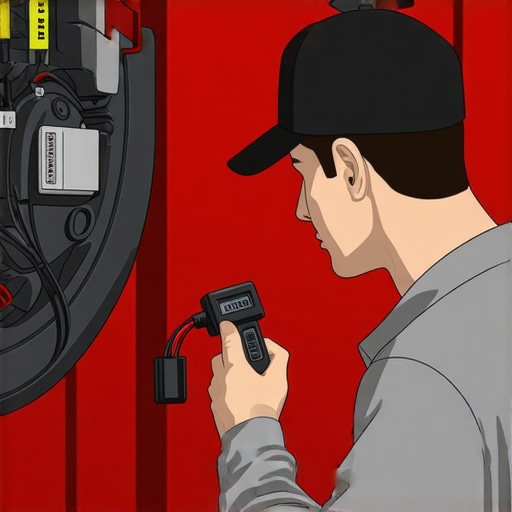
Imagine cruising down the highway, confident in your brakes, when suddenly, the ABS light flickers on. That unsettling glow can turn a simple drive into a source of anxiety. I remember the first time it happened to me—initially thinking it was just a glitch, I brushed it off. But days later, the light remained stubbornly on, and I realized I had no choice but to dig deeper. That light isn’t just an annoyance; it’s a warning signal that something needs your attention. And trust me, ignoring it can lead to more costly repairs down the line.
Decoding the ABS Light Mystery
Is Your ABS Warning Light Worth the Fuss?
Early on, I made the mistake of assuming that a persistent ABS light was a minor issue. Turns out, many vehicle owners overlook or dismiss these lights, unaware that they could be pointing to specific sensors or components that are failing. The truth is, each sensor has a role—alerting your car to issues that could compromise safety. According to experts at Collision Renewal, failing sensors are among the leading causes of ABS warning lights. Recognizing which sensor is at fault can save you a lot of headaches and money. So, today, I’ll guide you through practical steps to identify which sensor is causing your ABS light to stay on, based on my experience and research. Before we dive into the solutions, ask yourself—have you been ignoring that warning light? If so, you’re not alone, but now is the time to fix the problem before it worsens.
Accessing Your Vehicle’s Diagnostic System
Start by turning on your car and navigating to the diagnostic port, usually beneath the dashboard. Connect an OBD-II scanner to retrieve any error codes related to your ABS system. This is like checking the symptoms before treating a patient—pinpointing the exact sensor or component at fault saves time and money. I once used a basic scanner on my old sedan, which revealed a specific sensor fault, guiding me straight to the problematic wheel.
Inspecting the ABS Sensors and Wiring
Physical Check is Key
Next, physically examine each ABS sensor at the wheels. Look for dirt, rust, or damage blocking the sensor’s magnetic field. Also, inspect wiring for corrosion, frays, or disconnections. Think of it like cleaning a camera lens before diagnosing the picture quality—dirt on sensors can cause false warnings. I recall removing a sensor covered in mud, cleaning it with electronics contact cleaner, and noticing the warning light disappear after a test drive.
Testing the Sensors and Wiring
Use a Multimeter for Accurate Readings
Employ a multimeter to check sensor resistance, which should be within the manufacturer’s specifications. Measure the resistance between the two terminals of each sensor; a reading that’s too high or low indicates failure. Imagine it as testing a microphone cable—if the signal isn’t passing through, the component needs replacement. During my DIY audit, I tested a suspect sensor and found its resistance out of range, confirming it was the culprit.
Replacing Faulty Components
If your sensor or wiring tests indicate failure, acquire OEM or quality aftermarket parts for replacement. Remove the faulty sensor by unscrewing it from its mount, then install the new one, ensuring it’s seated correctly. It’s similar to replacing a worn-out wheel bearing—you want a perfect fit for proper function. After replacement, clear the error codes with your scanner and go for a test drive to confirm the issue is resolved.
Final Verification and Precautions
Recheck your error codes to verify the warning light is off. Also, test drive the vehicle, braking gently at various speeds to ensure ABS engagement is normal. Remember, regular maintenance, like checking brake fluid levels and wheel sensors, can prevent future ABS issues. For comprehensive vehicle care, consider consulting guides at Collision Renewal to keep your car in top shape.
When it comes to vehicle maintenance, many car owners operate under misconceptions that can lead to costly mistakes. One prevalent myth is that all brake pads wear out at the same rate, prompting people to replace them only when they squeal loudly. In reality, factors like driving habits and road conditions significantly influence brake lifespan, so regular inspections are essential to catch early signs of wear. Relying solely on brake noise as an indicator can be a trap, potentially leaving you with warped rotors or damaged calipers if overlooked. Furthermore, some believe that flushing transmission fluid is an unnecessary expense. However, according to experts at Collision Renewal, changing fluid at recommended intervals maintains transmission health and prevents expensive repairs. Advanced car owners know that ignoring subtle symptoms, such as delayed shifting or slipping, can escalate into complete transmission failure, especially if the fluid becomes contaminated or leaks develop.
A common mistake made in auto repair is delaying collision repairs after minor accidents, thinking the damage isn’t significant. But even small dents or paint chips can hide underlying structural issues that, if left unchecked, compromise safety and vehicle integrity. Be wary of quick fixes like using over-the-counter bumper repair kits without proper assessment—they often fail to restore original strength and can cause misalignment. A deeper issue is often hidden beneath, so consulting specialists who follow comprehensive strategies, such as those outlined at Collision Renewal, is a wise move.
Why do so many car owners fall for these misconceptions? Some believe that DIY fixes always save money, but cutting corners on complex systems like transmissions or collision repairs can lead to dangerous failures later. If you’re considering a repair yourself, remember that improper handling may void warranties or cause further damage. It’s critical to understand the nuances, such as ensuring proper torque specifications or using the correct parts, which are detailed in our cornerstone content on auto repair essentials.
For seasoned drivers or enthusiasts, recognizing these hidden nuances can make a significant difference—not just in maintaining performance but also in safety. During transmission fixes, for instance, it’s crucial to check the solenoid and valve body, as overlooked issues there can echo through the entire system. Similarly, in brake service, don’t dismiss uneven pad wear—worn-out suspension components could be the culprit.
By spreading awareness of these misconceptions and nuances, we empower you to make informed decisions, avoiding costly pitfalls. Have you ever fallen into this trap? Let me know in the comments. Remember, proactive maintenance and expert guidance—like those offered at Collision Renewal—are your best defenses against unexpected breakdowns.
How do I keep my vehicle running smoothly over time?
Consistency in maintenance is key to long-term automotive performance, and having the right tools makes all the difference. Personally, I swear by a quality OBD-II scanner like the Autel MaxiScan MS300. It’s compact, affordable, and provides instant diagnostic codes, saving me hours of guesswork during engine and transmission checks. Regular scans can reveal subtle issues before they escalate, aligning with guidance from Collision Renewal’s in-depth car care tips.
Beyond diagnostics, I recommend investing in a reliable multimeter, such as the Fluke 115. Why? It’s precision and durability allow me to test sensors and wiring connections accurately—crucial for troubleshooting ABS systems or ignition-related issues. I remember diagnosing a faulty wheel sensor by measuring resistance with my multimeter, avoiding costly replacements. This hands-on approach aligns with best practices outlined at Collision Renewal.
To maintain the overall health of your vehicle, I also keep a detailed log of service intervals, fluid changes, and part replacements. Digital maintenance software like Car Scanner ELM OBD2 helps track sensor data and alert me when scheduled maintenance is due. As vehicle technology advances, predictive maintenance is becoming more accessible and accurate, ensuring your car stays dependable for years to come.
What tools will streamline your auto repair efforts?
Connected diagnostic tools, such as Bluetooth-enabled OBD-II adaptors paired with smartphone apps like Torque Pro, simplify real-time vehicle monitoring. They allow me to clear error codes, monitor live sensor data, and even customize repair routines—all from my phone. Incorporating these tools into your arsenal can significantly cut down repair times and boost confidence in DIY tasks.
Looking ahead, the trend points toward smarter, integrated systems that predict failures before they manifest visibly. Autonomous diagnostics and AI-enhanced predictive analytics will likely become standard, making car maintenance almost proactive rather than reactive.
If you want to start refining your maintenance routine today, try utilizing a multimeter to check your ABS sensors during your next tire rotation. It’s a simple yet powerful step that can prevent more severe issues. For comprehensive guidance, visit Collision Renewal’s resource on essential vehicle checks.
The Hardest Lesson I Learned About Brake and Auto Repair
- Early on, I underestimated the significance of warning lights, thinking they were minor glitches, but I realized ignoring an ABS warning can jeopardize safety and lead to costly repairs—trust your car’s signals.
- Persistent issues require thorough diagnostics—using an OBD-II scanner and physically inspecting sensors taught me to get hands-on, avoiding unnecessary part replacements.
- Cleaning and testing sensors with a multimeter revealed that sometimes, dirt and corrosion are the culprits—not defective parts—saving me money and time.
- Replacing faulty components with quality parts and clearing error codes restored my vehicle’s safety features and gave me peace of mind when on the road.
My Essential Toolkit for Auto DIY Success
- A reliable OBD-II scanner like the Autel MaxiScan MS300 because it offers instant diagnostics straight from my smartphone, making troubleshooting more efficient.
- A sturdy multimeter such as the Fluke 115 to accurately test sensors and wiring, which is critical for systems like ABS or transmission diagnostics.
- Investing in detailed repair guides from Collision Renewal provides me with expert insights that bridge the gap between DIY efforts and professional standards.
- Maintaining a service log helps me track maintenance needs and anticipate issues, preventing surprises that could leave me stranded.
Step Into Your Repair Journey with Confidence
Embrace proactive auto care, knowing that understanding your vehicle’s warning signs and having the right tools can dramatically improve your driving safety. Remember, each repair you undertake builds your confidence and keeps your car running smoothly for years to come. Start small, learn continuously, and don’t hesitate to consult comprehensive resources such as Collision Renewal to guide your journey. Your car is more than just transportation—it’s an extension of your care and attention. Ready to take the next step? What’s been your biggest auto repair breakthrough so far? Share below and inspire others to start their own maintenance adventure!