
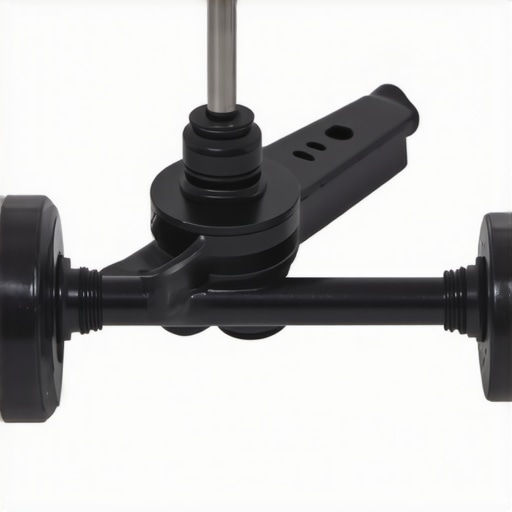
It started with a single, unsettling thud every time I hit a small bump or dip in the road. At first, I dismissed it as normal wear, but then the sound became more frequent, more pronounced. One afternoon, I was parking in my driveway when I felt a jolt that made me worry about what was really going on under my car. Could my suspension be failing? Turns out, that mysterious thud was a warning sign—specifically pointing to my strut mounts. That lightbulb moment made me realize how crucial it is to understand the real causes behind those unsettling noises.
How a Tiny Sound Can Signal Big Trouble in Your Suspension
Many drivers overlook small sounds or ignore the way their car feels when driving, assuming they’re just normal quirks. But those little clues often hide bigger issues that, if left unchecked, can compromise your safety and lead to costly repairs. Today, I want to help you identify whether that rhythmic thumping or clunking noise is actually your strut mounts starting to fail—and how you can address it before it becomes a serious problem.
Is Diagnosing Your Car’s Thud Worse Than Ignoring It?
Early on, I made the mistake of trusting a mechanic who told me it was just a worn-out tire. It wasn’t until I did my homework and physically inspected my suspension that I realized I had ignored the signs for too long. It’s easy to underestimate these sounds—after all, your car is a complex machine, and not every noise signals a meltdown right away. But unlike some issues that are purely cosmetic, failing strut mounts can affect your handling, braking, and overall safety. Knowing what to look for can save you hundreds, even thousands, in repairs. For a comprehensive guide on keeping your vehicle in top shape, check out [this resource](https://collisionrenew.com/the-ultimate-guide-to-auto-repair-keep-your-car-running-smoothly).
Secure Your Workspace and Gather Essential Tools
Before diving into the repair, ensure your vehicle is parked on a flat surface, and the parking brake is engaged. Gather your tools: jack, jack stands, lug wrench, socket set, screwdrivers, and a strut spring compressor. Wearing gloves and safety glasses protects you from debris and spring tension hazards. I once worked in a cramped garage, balancing a jack to lift my car—precision mattered, and safety was paramount to avoid accidents.
Lift and Stabilize the Vehicle
Use the jack to lift the front or rear of your car, depending on which strut mount needs replacement. Position the jack under the manufacturer’s recommended lift points—these are like the bones of your car, designed to bear weight safely. Once elevated, secure the vehicle with jack stands. This stability prevents slips, much like a steady ladder. I learned this the hard way when a slip almost caused a serious injury—never skip the safety steps.
Remove the Wheel and Access the Strut Assembly
Loosen the lug nuts with a wrench and remove the wheel to expose the suspension components. With the wheel off, you’ll see the strut assembly—think of it as the car’s shock absorber’s backbone—this is where your focus should be.
Detach Brake Lines and Sway Bar Links
Carefully disconnect brake hoses and sway bar links attached to the strut. Use appropriate tools to avoid damage. It’s like disconnecting delicate cords; patience prevents unnecessary repairs later. I once damaged a brake hose because I was too aggressive—learning to handle these parts gently saves money.
Compress Spring and Remove Strut
This step is critical. Use a spring compressor to safely compress the coil spring, relieving tension safely. Never attempt to remove the strut without compressing the spring—imagine trying to hold a tightly wound spring with your bare hands; it’s dangerous. Once compressed, unbolt the strut from the steering knuckle and strut tower. I used to dread this step, but following the compressor instructions precisely makes the process manageable.
Replace the Strut Mount
Remove the old strut mount from the assembly. Install the new mount in the reverse order, ensuring all bolts are torqued to manufacturer specifications. Correct torque is like tightening a bolt on a bike; over-tightening risks damage, while under-tightening leads to failure. Use a torque wrench and double-check your work.
Reassemble and Test Drive
Reinstall everything in the reverse order: uncompress the spring carefully, reconnect brake lines and sway bar links, and mount the wheel. Lower the vehicle, then tighten the lug nuts to specification. After a test drive, listen for unusual noises or handling issues. Remember, a proper replacement can restore handling and safety—like switching to higher-quality tires after damages are fixed. Regularly check your suspension components through essential car service checks to prolong your repair’s benefits and vehicle longevity.Many car owners believe that brake service is a straightforward task, but in reality, there’s a lot of nuance that can make or break the effectiveness of your repairs. One prevalent myth is that simply replacing brake pads restores full safety instantly. While pad replacement is crucial, neglecting the inspection of rotors, calipers, and brake fluid can lead to diminished performance and costly future repairs. According to automotive experts, a comprehensive brake system check ensures that all components work harmoniously, which is essential for optimal safety.
Why do so many drivers overlook the importance of precise torque specifications during repairs?
Over-tightening or under-tightening bolts—especially on critical parts like calipers and wheel bearings—can cause uneven wear or component failure. This oversight is a common pitfall because the average person might not realize that torque specifications are carefully calibrated by manufacturers to prevent damage and ensure longevity. Ignoring these details can lead to premature part failure, increased repair costs, and safety risks, as highlighted by industry research from Collision Renew.
Another frequently misunderstood aspect is the importance of brake fluid condition. Many assume that as long as the brakes work, the fluid is fine. However, contaminated or degraded brake fluid can diminish braking response, cause squealing noises, or even lead to brake failure under stress. Regularly flushing and replacing brake fluid is essential to maintain a responsive and safe braking system. For detailed guidance, see this article. Moreover, many underestimate the importance of transmission health, often assuming it’s unrelated to brake issues. Yet, a slipping transmission can cause the vehicle to decelerate unevenly, impacting stopping distances. Expertise in diagnosing complex systems reveals that integrated component health is vital for overall vehicle safety. For pro tips on transmission care, explore this resource. Remember, shortcutting these detailed inspections may seem economical initially but often results in higher costs and safety risks later. So, next time you think about neglecting a comprehensive brake or auto repair, ask yourself: Am I truly covering all bases? For a complete overview of essential car maintenance, consult this guide. Have you ever fallen into this trap? Let me know in the comments.Keeping your vehicle in top shape requires more than just basic knowledge; it demands the right tools and consistent maintenance routines. I personally swear by using a digital torque wrench for all critical bolts, especially during suspension repairs. Unlike traditional torque wrenches, a digital version provides real-time readings, ensuring that fasteners are tightened accurately to manufacturer specifications, which is crucial for safety and longevity. Additionally, I rely on a reliable code scanner like the BlueDriver for diagnostic trouble codes; it offers comprehensive insights and can even suggest possible fixes, saving me time and money. For tasks like brake fluid flushing, I specifically prefer a flushing machine such as the ATE Power Flush, which ensures complete removal of old fluid and contaminants, preventing brake fade and corrosion. When it comes to inspecting transmission health, I incorporate endoscopic cameras to peer into tight spaces—this helps me identify leaks or debris early, avoiding costly repairs down the line. I predict that in the future, IoT-enabled diagnostic tools integrated with vehicle systems will become standard, allowing for real-time monitoring and predictive maintenance, significantly reducing unexpected breakdowns.
How do I maintain long-term performance and safety with these tools?
Regularly calibrating your torque wrench and updating your diagnostic software are essential to ensure accuracy. Also, establishing a routine inspection schedule—like checking brake fluid every six to twelve months—can catch issues early. For instance, using a code scanner regularly can reveal lurking problems before they escalate, safeguarding your investment. To streamline your maintenance process, consider creating a customized checklist based on your vehicle’s specific needs, which can be downloaded from our comprehensive guide. If you’re interested in upgrading your toolkit, I recommend investing in quality tools from trusted brands like Snap-on or GearWrench, as they offer durability and precision. Remember, investing in the right equipment not only improves repair quality but also enhances your confidence behind the wheel. Try incorporating a digital torque wrench into your next brake job and experience the difference. Want more detailed advice on vehicle maintenance tools? Visit our contact page for personalized guidance and support.Reflecting on my journey through auto repairs has taught me invaluable lessons I wish I’d known from the start. First, listening to those subtle noises can save you from costly fixes later; that tiny thud in the suspension was a warning sign I ignored. Second, never underestimate the power of proper safety procedures—using a spring compressor correctly can prevent injuries that haunt even seasoned DIYers. Third, investing in quality tools like a digital torque wrench or an advanced code scanner isn’t just about convenience; it’s about ensuring each repair is done with precision, extending your vehicle’s life. Lastly, understanding that you’re part of a broader community—like the experts at [Collision Renew](https://collisionrenew.com/the-ultimate-guide-to-auto-repair-keep-your-car-running-smoothly)—can provide support and insights that transform a daunting task into an enlightening experience. Embracing these lessons means taking control of your vehicle’s health and safety, and enjoying the confidence that comes with knowledge and the right tools.