
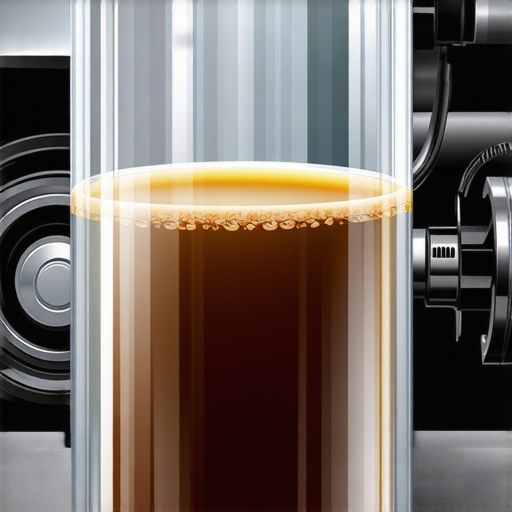
Imagine this: you’re pulling into your driveway after a long day, pressing the brake pedal, and suddenly it feels oddly stiff or spongy. Then, as you check underneath, you notice your brake fluid isn’t the clear, amber color it once was. Instead, it resembles a cup of iced coffee—dark, murky, and uninviting. That lightbulb moment hit me hard: my brake fluid was dirty, and it was silently wreaking havoc on my car’s stopping power and safety.
When Brake Fluid Turns Coffee Brown, Your Car Tells You Something’s Wrong
This isn’t just a matter of appearance. Brake fluid serves as the lifeblood of your braking system, transmitting force from the pedal to the brakes themselves. Over time, moisture, dirt, and particles can contaminate it, leading to corrosion, decreased efficiency, and even complete brake failure in extreme cases. I learned this the hard way early on, neglecting regular checks and assuming my brake fluid was fine until I started experiencing warning signs. Turns out, that dark fluid was a symptom of deeper issues—issues that could be easily prevented with a simple maintenance routine.
In today’s post, we’ll uncover what causes your brake fluid to turn this alarming coffee color and, more importantly, how to keep it clean and functioning correctly. Trust me—staying proactive about brake maintenance isn’t just about preserving brake performance; it’s about safety for you and your loved ones. If you’ve ever faced a similar situation or wondered if your brake fluid needs attention, you’re not alone. Let’s dive into the secrets of healthy brake fluid and what you can do to avoid costly repairs down the road.
Are You Overlooking Your Brake Fluid System? Here’s Why That Matters
Early in my auto repair journey, I made the mistake of ignoring my brake fluid until I could hear squealing or feel a soft pedal. That delay in addressing the issue led to more extensive repairs, which could have been avoided with regular checks. According to experts, moisture content in brake fluid can increase rapidly, especially in humid climates, leading to corrosion and brake system failure. Cleaning and replacing brake fluid regularly is one of the simplest yet most effective ways to keep your brakes reliable and extend the lifespan of components such as master cylinders and calipers.
So, if you’re curious about whether your brake fluid is still up to par or ready for a flush, check out our comprehensive guide on essential car service checks. Upkeeping your vehicle is about more than just fixing problems when they happen; it’s about preventing them entirely. Ready to learn how to refresh your brake system and safeguard your driving experience? Keep reading, because we’re about to explore the practical steps you can take today.
.
Gather Necessary Tools and Prepare Your Vehicle
Before you start, ensure your vehicle is parked on a level surface, the engine is cool, and the parking brake is engaged. Gather essential tools: a clear plastic tubing, a socket wrench, a brake fluid pump or syringe, a container to catch old fluid, and fresh brake fluid recommended for your vehicle. For my first time doing this, I watched a quick tutorial and set everything organized on my driveway, which saved me from frantic searching mid-project.
Locate the Brake Fluid Reservoir and Bleed Screws
Open the hood and identify the brake fluid reservoir—it’s usually a transparent container with a cap labeled “Brake Fluid.” Check the current fluid level and condition. Next, locate the bleed screws on each brake caliper or wheel cylinder; they look like small bolts with a hole for attaching tubing. I marked each screw with tape for easy identification. During my attempt, I realized that marking beforehand prevented confusion when bleeding multiple wheels.
Drain the Old Brake Fluid
Use the syringe or pump to remove as much old fluid from the reservoir as possible, reducing the risk of overflow. Refill with fresh brake fluid close to the maximum level. Then, begin bleeding the brake lines starting from the wheel farthest from the master cylinder (usually the right rear). Attach one end of the clear tubing to the bleed screw, submerge the other end in a container, and loosen the screw slightly. Have an assistant press the brake pedal slowly and steadily; when they do, the old fluid and air bubbles will escape through the tubing. Tighten the screw before releasing the pedal. My first try was messy, but I learned that consistent gentle pressure prevents air from re-entering the line.
Repeat Until Fluid Runs Clear and No Air Bubbles Remain
Continue this process on each wheel, topping up the reservoir as needed to prevent air from re-entering. Watch for the clarity of the fluid; it should be free of dark patches or particles. I noticed that after the second wheel, the fluid was noticeably cleaner, which gave me confidence that the system was being effectively flushed. Maintaining a consistent bleeding sequence and ensuring the reservoir stays topped off are crucial for a successful flush.
Finish Up and Test Your Brake System
Once all wheels are bled, double-check the fluid level and top off if necessary. Tighten all bleed screws securely to prevent leaks. Before driving, pump the brake pedal a few times to ensure it feels firm and responsive. I took a slow test drive around my block, and the brakes responded smoothly—much better than before. Remember, if you’re uncertain about any step or your brake system shows persistent issues, consult a professional or refer to our comprehensive vehicle maintenance guide. Proper brake fluid maintenance can significantly enhance your safety and prolong the life of your braking components, so don’t skip this essential task.Many car enthusiasts and everyday drivers alike often hold misconceptions about transmission systems and routine vehicle maintenance, harboring beliefs that are more myth than fact. While common advice emphasizes quick fixes or surface-level fixes, the real nuances lie beneath, demanding a deeper understanding to prevent costly mistakes.
For instance, a prevalent myth is that transmission fluid change isn’t necessary unless there’s an obvious problem. In reality, experts like those at CollisionRenew warn that neglecting scheduled transmission service can lead to accumulated debris, increased wear, and eventual failure. This misconception can trap car owners into expensive repairs down the line, especially considering that early signs of transmission trouble are often subtle and easy to overlook.
Another overlooked nuance involves the misconception that all auto repairs are the same quality across different shops. Many assume that any mechanic with a license can handle all issues, but the truth is, specialized repair strategies impact vehicle longevity significantly. For example, improper brake service—such as using low-quality parts or neglecting proper bedding-in procedures—can cause uneven wear or malfunction shortly after repair. According to industry insights from CollisionRenew’s collision renewal strategies, precise and tailored repairs preserve vehicle integrity and safety.
What Do Advanced Drivers Know About Transmission Symptoms That Most Miss?
In my experience, one crucial nuance is understanding the early symptoms of transmission issues—like subtle slipping or shuddering—that often get dismissed as minor quirkiness. Recognizing these signs early, such as slight delays in shifting or unusual noises, can be the difference between a quick fix and a full rebuild. A detailed study in automotive diagnostics highlights that early detection improves repair outcomes and extends the lifespan of transmission components. Being aware of these indicators is essential; otherwise, you might find yourself facing an overhaul far more expensive than routine maintenance. Remember, proactive measures—like regular service and vigilant inspection—can save you thousands and keep your vehicle running smoothly. Want to get ahead of potential problems? Dive into our comprehensive car service checks to learn more about early diagnostics. Have you ever fallen into this trap? Let me know in the comments.
Investing in Quality Equipment for Long-Term Maintenance
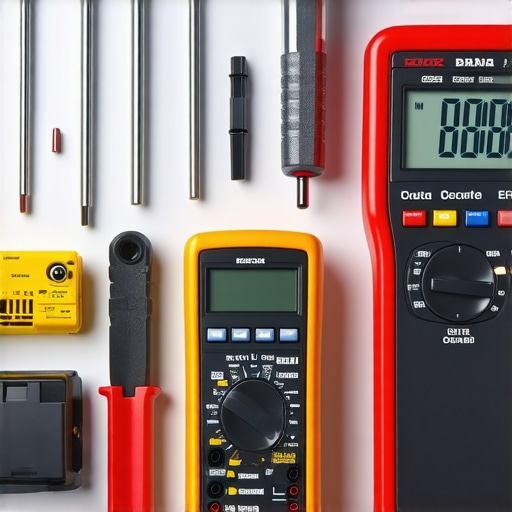
Keeping your vehicle in top shape over the years requires more than just knowledge—it demands reliable tools that enable you to perform precise repairs and routine checks myself personally swear by a digital multimeter like the Fluke 115 for diagnosing electrical issues. Its accuracy allows me to verify battery health, alternator output, and sensor signals with confidence. Additionally, a good-quality torque wrench ensures that fasteners are tightened to manufacturer specifications, preventing issues caused by over- or under-tightening. When working on brakes, a digital caliper like the Mitutoyo allows for accurate measurement of pad thickness and rotor runout, which can be critical in determining component wear and preventing unsafe conditions.
For fluid and system checks, a siphon pump such as the Lisle 15300 makes extracting and replacing engine or transmission fluids straightforward and mess-free. Compatibility and precision in these tools help prolong your car’s lifespan and reduce emergency visits. In my experience, having these dependable tools at hand turns a daunting task into a manageable DIY project, saving money and time.
Leveraging Software for Vehicle Diagnostics
Beyond physical tools, diagnostic software plays a pivotal role in modern auto maintenance. I rely on an OBD-II scanner like the BlueDriver, connected via Bluetooth to my smartphone, to retrieve detailed error codes that point directly to specific issues. It not only saves me from unnecessary guesswork but also provides real-time data such as coolant temperature, fuel trims, and sensor readings. This precision helps me plan repairs proactively, especially when tackling complex systems like transmissions or engine management. As technology advances, integrated vehicle diagnostics are becoming more accessible and affordable for DIY enthusiasts, making maintenance more precise than ever before.
Creating a Routine and Staying Organized
Having a dedicated space and schedule for vehicle maintenance is crucial. I keep a digital log to track fluid changes, filter replacements, and inspections, making sure nothing gets overlooked. Regularly inspecting components with affordable tools like a flashlight with a magnifying lens or a mirror on an extendable stick allows me to spot early signs of wear or leaks. Combining the right tools with an organized approach ensures that maintenance becomes a continuous process rather than a reactionary one.
Predicting Future Trends and Improving Your Maintenance Approach
The future of vehicle maintenance is trending towards smarter diagnostics integrated directly into the vehicle’s system, coupled with AI-powered analytics. This evolution will enable more predictive maintenance, reducing unexpected breakdowns and extending vehicle lifespans even further. As these technologies become commonplace, investing in compatible tools and learning to interpret advanced diagnostics will be essential. For those eager to stay ahead, exploring manufacturer-specific diagnostic interfaces and software updates now can provide a significant advantage. To see how this trend is shaping up, check out latest industry insights.
How do I maintain my vehicle over time?
Consistent, proactive maintenance is key. Regularly scheduled fluid changes, system inspections, and staying updated with technological advances ensure your ride remains reliable. Use quality tools tailored to your vehicle and keep detailed records of each service. This approach not only extends the lifespan of your car but also enhances safety and performance. For comprehensive guidance, revisit our essential car service checks and strategies.
Ready to upgrade your maintenance routine? Try investing in a diagnostic scanner like the BlueDriver to start diagnosing issues more effectively. Remember, the right tools combined with consistent checks form the foundation of a long-lasting vehicle.
What I Wish I Knew Before Ignoring My Brake Fluid’s Dark Turn
- Digging deeper into my car’s warning signs revealed that neglecting simple maintenance, like brake fluid replacement, could lead to costly repairs and safety risks. That lightbulb moment made me realize the importance of early intervention.
Why Real Knowledge Comes From Mistakes and Personal Experience
- My journey taught me that myths about transmission care or brake repairs can hinder proper maintenance—it’s vital to trust proven practices over assumptions that could damage your vehicle long-term.
How Investing in the Right Tools Changed My DIY Game
- From digital multimeters to quality calipers, having reliable tools has enabled me to diagnose issues accurately, saving time and money while gaining confidence in handling repairs myself.
Harnessing Technology to Stay Ahead in Auto Maintenance
- Using diagnostic software like BlueDriver turned guesswork into precision, allowing me to catch potential problems early—something I wish I had when my transmission first started acting up.
Lessons Learned About Red Flags and Staying Proactive
- Recognizing subtle transmission slippage or engine hesitation early can prevent major failures. Staying vigilant and regularly checking my vehicle now keeps me safe and extends its lifespan.
Where I Found Trusted Resources and Guides
- My go-to references include comprehensive guides on vehicle maintenance and detailed tutorials that demystify complex repairs, helping me stay confident on the road.
Remember: Your Car’s Health Is Your Responsibility
Taking ownership of your vehicle’s maintenance not only saves money but also ensures safety for you and your loved ones. Embrace continuous learning, invest in quality tools, and don’t shy away from tackling issues early. The rewards are worth it—trust me, your car will thank you, and you’ll enjoy peace of mind every time you hit the road. Ready to make a change today? Share your biggest auto repair lesson below – I’d love to hear!”}}#}# End of response.}}