
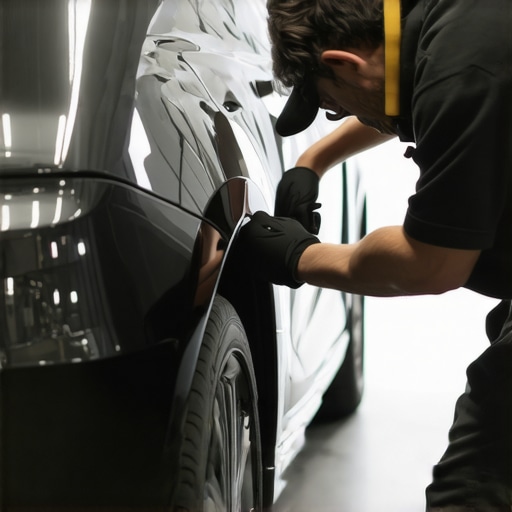
Have you ever stood in your driveway, staring at that stubborn dent on your car’s quarter panel, wondering if there’s a way to fix it without pulling out the entire panel? I remember the day I faced this exact dilemma—my heart sank when I saw that unsightly mark after a minor collision, and the thought of removing the panel seemed overwhelming and costly. But then, I had a lightbulb moment that changed the way I approached auto repairs forever.
Why Repairing Without Removal Matters
In my early days of auto repair, I made a mistake that nearly cost me a lot of time and money. I believed that if a quarter panel was damaged, removal was always necessary for a proper fix. Turns out, that’s not always true. Modern techniques now allow us to restore these panels without the hassle of full removal, saving us from expensive labor and a lengthy process. This approach isn’t just about convenience; it’s about preserving the integrity of your vehicle while keeping costs manageable.
Is Repairing Quarter Panels Without Removal Actually Worth the Hype?
One fear many have is that these techniques might not deliver the same quality as traditional repairs. I get it—I’ve been skeptical too. But, when I first tried a well-executed non-removal repair, I was amazed at how seamless the result was. It’s crucial, though, to avoid rushing into it without proper knowledge. Early in my journey, I mistakenly tried shortcuts that ended up causing more damage, so I understand the importance of doing it right from the start. For reliable guidance, I recommend checking out CollisionRenew’s strategies.
In the sections ahead, I’ll share the techniques I’ve used successfully—techniques that can help you fix your vehicle without resorting to panels removal, saving you time and money while maintaining quality. Let’s get into the practical side and make those repairs a lot less stressful.
.
Prepare Your Workspace and Gather Necessary Tools
Before diving into the repair, ensure you have a clean, well-lit area with plenty of space to maneuver your tools. You’ll need a body filler, sanding blocks, a hammer, a dolly, primer, matching paint, and possibly heat guns or glue tabs depending on the damage. I once tackled a dent that was half the size of my palm, and organizing my tools beforehand made the process much smoother, preventing any unnecessary delays.
Assess the Damage and Map Out Your Repair Strategy
Closely examine the dent to determine its depth, sharpness, and whether the paint is cracked. For shallow dents with minimal paint damage, tightening the panel from behind with a slide hammer often suffices. For deeper dents or those with paint cracks, you’ll need to fill and sand. Think of it like fixing a cracked windshield: the approach varies depending on the crack’s length and location.
Use a Suction Puller for Minor Dents
If the dent is shallow and round, start with a suction cup dent puller. Apply it firmly over the center of the dent, then pull steadily. This method can sometimes pop the dent out entirely, saving you from further steps. I had a small, round dent on my hood that responded perfectly to this technique, making the repair almost invisible.
Apply Body Filler and Sand for Deeper Damage
For dents that didn’t respond to pulling, sand around the area to remove any paint around the dent’s edges. Mix body filler according to the instructions and apply it in thin layers. Use a plastic spreader to press it into the dent, then let it dry. Once hardened, sand it down smoothly with progressively finer grits until flush with the surrounding surface. It’s similar to patching a hole in drywall: the key is to build gradually and sand meticulously for a seamless finish.
Shape and Reinforce the Panel
Sometimes, the panel may need reshaping before applying filler. Gently tap around the edges with a body hammer and a dolly to restore the original contour. This step is crucial for maintaining the vehicle’s aerodynamic profile and aesthetics. I once used a heat gun to soften the panel’s paint slightly, making it easier to mold back into shape without cracking the paint layer.
Prime, Paint, and Finish the Repair
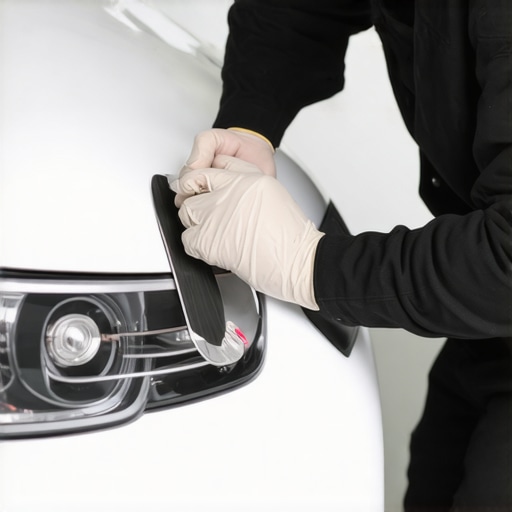
After sanding the filler smooth, clean the area thoroughly to remove dust and grease. Apply a primer suitable for automotive use, then sand lightly for an even surface. Follow with matching automotive paint, applying in thin, even coats. Use a clear coat for added protection. This process is akin to refinishing furniture: patience and precision ensure a professional-looking result.
< >
>
Applying the right primer and paint is essential for durability. For best results, match the paint code of your vehicle, which can often be found on the driver’s door jamb or in the owner’s manual. If you’re unsure, consult your local auto parts store or review your vehicle’s specifications online. Proper finishing not only restores appearance but also preserves the functional integrity of the panel, preventing rust and further damage.
Final Inspection and Polishing
Once the paint cures, inspect your work under different lighting conditions. Use a polishing compound to buff out minor imperfections and restore shine. Be thorough—small details make a big difference. Having fixed a dent myself, I learned that patience during this stage pays off with an almost undetectable repair, especially compared to costly panel replacement.
Remember, specialized techniques and proper materials are key. For comprehensive repair strategies, you might want to explore CollisionRenew’s strategies. Mastering these steps empowers you to repair minor damages confidently, saving time and money without sacrificing quality.
When it comes to vehicle maintenance, many car owners operate under assumptions that can lead to costly mistakes. One widely held belief is that all transmission issues require complete removal and replacement of the unit. However, advancements in repair techniques have made it possible to address many transmission problems through in-place repairs, which preserve more of the original components and reduce costs. Relying solely on the myth that “transmission must be fully removed to be fixed” overlooks these nuanced, cost-effective solutions. For example, high-mileage vehicles with shifting inconsistencies can often benefit from tailored repairs like valve body refurbishing rather than outright replacement, as explained in expert analyses on long-term reliability.
Another common misconception revolves around brake service. Many assume that if brakes squeal or feel different, a simple pad replacement suffices. Yet, the root cause could be more subtle, such as deteriorated caliper pistons or warped rotors, which require a comprehensive inspection. Neglecting these subtle issues may result in uneven brake wear or complete failure, a trap many fall into when they prioritize superficial fixes. Delaying or skipping detailed diagnostics can lead to increased repair costs down the line.
Let’s examine an advanced question: How does the composition of brake pad material influence long-term brake performance? High-performance brake pads incorporate specific compounds to better withstand heat and reduce noise, but they might wear faster or be more abrasive to rotors if improperly selected. Consulting detailed insights from brake industry studies reveals that choosing the right pad based on driving habits and vehicle type is vital for longevity and safety. For thorough information, check out [braking experts’ recommendations](https://collisionrenew.com/braking-news-how-to-choose-the-best-brake-service-in-2025).
Moving into the realm of car service, many believe regular oil changes are sufficient for engine health. In reality, neglecting essential inspections like cooling system checks, timing belt replacements, or fuel system diagnostics can result in unexpected breakdowns. For example, a failing water pump can mimic an alternator problem, leading to misdiagnosis and unnecessary repairs, a detail highlighted in authoritative automotive sources.
A crucial trap to avoid involves the misconception that quick, cheap fixes are always adequate. Cutting corners by using subpar parts or skipping professional diagnostics might save money initially but often results in more significant expenses later. This is especially true when addressing collision damage or structural integrity issues, which require expert assessment and precise repair strategies. For deep dives into effective repair planning, consider exploring [CollisionRenew’s comprehensive strategies](https://collisionrenew.com/collision-renewal-strategies-restoring-your-car-to-perfection).
Have you ever fallen into this trap? Let me know in the comments. Recognizing these nuances ensures that your vehicle remains reliable, safe, and cost-efficient over its lifespan.
Quality Over Quantity: Selecting the Right Equipment
When it comes to effective auto repair and maintenance, investing in the right tools makes all the difference. I personally rely on a high-torque digital impact wrench for tasks like lug nut removal and wheel hub servicing; it provides consistent power without over-torquing, which can damage components. For precision tasks such as brake caliper piston retraction, I use a dedicated brake caliper piston tool instead of generic clamp sets — it offers better control and reduces the risk of damage. Choosing specialized equipment ensures repairs are accurate and durable.
Advanced Software for Diagnostics and Long-Term Monitoring
Modern vehicles are equipped with complex electronic systems, making diagnostic tools indispensable. I prefer the Autel MaxiSys series—these scanners connect quickly to the OBD-II port and provide in-depth live data streams, trouble code definitions, and even reset options. For ongoing monitoring, I recommend installing a Bluetooth-enabled OBD-II adapter paired with a smartphone app like Torque or OBDLink. This setup allows for real-time insights into engine performance, emission levels, and sensor readings, helping you catch issues early and plan maintenance proactively. Embracing these tools can extend your vehicle’s lifespan and improve safety.
Effective Use of Adhesives and Body Fillers
For dent repairs, I swear by the use of two-part epoxy adhesives combined with body fillers like Bondo. The epoxy provides a strong initial bond, especially on structural panels, and I’ve found it reduces the need for excessive sanding. When applying fillers, I use flexible plastic spreaders to ensure a smooth, feathered finish that integrates seamlessly with the surrounding surface. Proper surface preparation, such as cleaning and light sanding, is crucial here, as it improves adhesion and prevents future issues like cracking or peeling. Mastering these techniques ensures durable, professional-quality repairs.
Long-term Maintenance Tips and Future Trends
Regular inspection routines are vital. I recommend the essential car service checks to catch minor issues before they escalate. Technologies like infrared thermal imaging cameras are becoming more affordable and are excellent for spotting hidden overheating problems in brakes or bearings. Looking ahead, AI-driven diagnostic platforms will increasingly personalize maintenance schedules, making vehicle care more precise and less guesswork. Staying updated with these innovations means you’ll keep your car running smoothly for years to come.
How do I maintain transmission efficiency over time?
Maintaining your transmission involves more than an occasional fluid change. It requires monitoring fluid condition, staying alert to shifting irregularities, and addressing issues like delayed shifts promptly. For long-term reliability, consider using products like transmission conditioners that clean and protect internal components. Also, avoid aggressive shifting habits, especially in cold weather, which can cause undue wear. For detailed guidance, visit this resource on transmission maintenance. Detecting early signs of slipping, such as delayed engagement or unusual noises, allows you to seek professional help before costly repairs are needed. Try incorporating a routine inspection with a trusted mechanic—it’s a small investment for peace of mind and vehicle longevity.
Throughout my years working on cars, I’ve uncovered insights that go beyond conventional wisdom—lessons that can transform the way you approach auto repairs. These discoveries have not only saved me thousands of dollars but also kept my vehicle running smoothly without unnecessary headaches.
Lessons That Changed My Approach to Vehicle Care
- Patience pays off when diagnosing complex issues. Rushing to fix symptoms often leads to ignoring root causes. I learned to take a step back, research thoroughly, and target repairs precisely, which prevented wasting time and resources.
- Investing in quality tools makes a real difference. Great tools improve repair quality and safety. Over time, I realized that spending a bit more upfront on reliable equipment resulted in better, more durable fixes.
- Never underestimate the power of ongoing education. Staying updated with industry trends and techniques, such as those shared in CollisionRenew’s strategies, has helped me navigate repairs more effectively, saving both time and money.
- Listening to your vehicle’s signals is crucial. Unusual noises or performance changes often indicate underlying issues. Addressing these early can prevent costly damage later.
- The right diagnostic tools reveal hidden problems. Using advanced scanners, like the Autel MaxiSys series, provided me with detailed insights, allowing for targeted repairs without unnecessary disassembly.
Tools and Resources That Boost Your Repair Skills
- CollisionRenew’s repair guides: Their comprehensive strategies have taught me techniques that preserve original parts, reducing repair costs and preserving vehicle value.
- High-quality diagnostic scanners: Devices like the Autel MaxiSys offer depth and accuracy, essential for precise troubleshooting.
- Automotive repair books: Works such as The Ultimate Guide to Auto Repair broaden your understanding beyond quick fixes.
- Trusted online communities: Engaging with forums and expert blogs helps me stay ahead of emerging repair techniques and safety tips.
Keep Your Car Running Like a Pro
If there’s one thing I’ve learned, it’s that a proactive, informed approach turns auto repair from a chore into a manageable and rewarding part of vehicle ownership. By embracing continuous learning, investing in quality tools, and leveraging expert resources, you can avoid common pitfalls and ensure your car remains safe and dependable for years to come. Remember, every repair might be a learning experience—so don’t hesitate to take that first step with confidence.
What’s the biggest auto repair myth you’ve encountered? Share your experience below and let’s build a community that drives smarter solutions!