
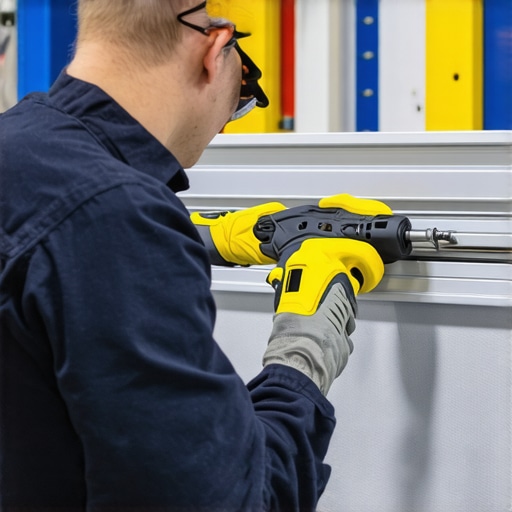
I’ll never forget the moment when I caught a glimpse of my aluminum door, warped and creased after a minor collision. It was a frustrating sight—those unsightly dents and creases making my vehicle look battered and neglected. Like many car owners, I initially thought a simple paint touch-up would suffice. Spoiler alert: it didn’t. That lightbulb moment pushed me to dig deeper into the tricky world of aluminum door repairs.
Why Creases in Aluminum Doors Can Be a Real Headache
Aluminum is prized for being lightweight and corrosion-resistant, but it’s also notoriously delicate when it comes to dents and creases. Collision-induced damage often leaves behind complex deformities in these panels, and if not addressed properly, they can lead to rust formation and further structural issues. My early mistake was assuming that dents, especially creases, could be just knocked out or filled with filler—big regret. That approach can weaken the metal and cause uneven surfaces, ultimately compromising safety and aesthetics. Instead, I found that understanding the root causes and proper repair techniques makes all the difference. Want to restore your aluminum doors to their former glory? Stick around, because I’ll share proven strategies that can help you fix those creases confidently, saving you money and time.
Will Your Repair Work Last or Turn into a Nightmare?
I remember rushing into a DIY repair without preparing properly. The creases I tried to smooth out kept returning, and I worried I’d wasted money on a temporary fix. Trust me, I’ve been there. Early on, I overlooked crucial steps like proper metal heating and the right tools, which led to more damage. If I had known then what I know now, I could have avoided those costly mistakes. For a comprehensive look at effective collision repair strategies, check out this resource. It’s essential to approach aluminum repairs with patience and precision, especially considering how delicate these panels can be. Ready to tackle those creases once and for all? Let’s dive into the how-to part of the process, beginning with the basics you need to understand.
Preparing Your Workspace and Tools
Start by clearing the area around your vehicle to create a safe, well-lit workspace. Gather essential tools such as a body hammer, dolly set, heat gun, protective gloves, and sandpaper. My first attempt involved working outdoors with minimal lighting, which led to inconsistent results—lighting is crucial for precision.
Assessing and Planning the Repair
Inspect the creased aluminum panel to determine the extent of deformation. Use a marker to outline damaged areas. I once underestimated the severity and jumped straight into pushing the crease out, but careful assessment helps avoid overcorrecting and causing further distortions. Understanding the nature of aluminum, which is softer than steel, means applying appropriate force is vital.
Reheating the Aluminum for Flexibility
Apply heat uniformly with a heat gun to soften the metal. Keep the gun moving to prevent uneven heating, which can cause further warping. Think of it like warming dough before shaping—it becomes pliable yet doesn’t melt. In my experience, rushing heat application caused new dents, so patience and even heat distribution are key.
Using the Correct Tools for Straightening
Utilize a body hammer and dolly to gently tap out creases. Begin by working from the edges inward, avoiding unnecessary force. I once tried to straighten a deep crease with a hammer only, which resulted in cracking the paint; employing a dolly supported the backside and prevented this. Remember, aluminum panels are delicate; finesse beats brute force.
Employing Reverse Shaping Techniques
For stubborn creases, gently push the deformation from the backside with a dollop of clay or a suction cup. This method reduces the risk of overbending the panel. I found that these techniques help maintain the original shape without causing additional stress on the metal.
Refining the Surface and Preventing Future Damage
Once the panel is reshaped, sand the area with fine-grit sandpaper to smooth out any rough spots or minor scratches. Use a polishing pad to restore the surface finish. Applying a protective coating or touch-up paint can prevent rust. Learn from my mistake of neglecting a protective layer, which led to corrosion after a few months.
Final Checks and Assembly
Reassess the panel for any remaining imperfections. Close the door to verify proper alignment and ensure the repair did not affect the panel’s fit. When I left the panel slightly misaligned, it caused rattling; patience during reassembly ensures a seamless finish.
For more comprehensive insights, review collision repair strategies to get a holistic understanding of repair projects.
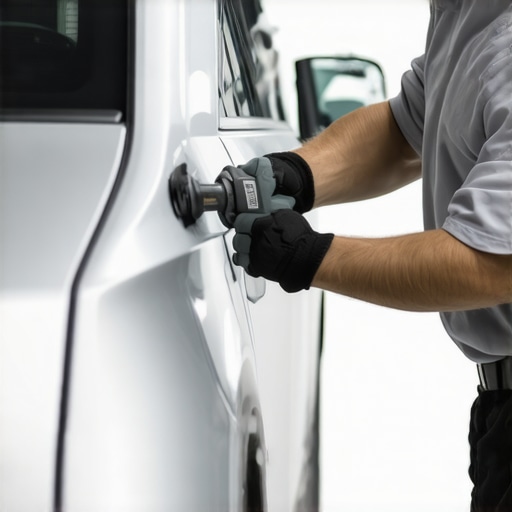
When it comes to vehicle maintenance, many car owners hold misconceptions that can lead to costly mistakes. A prevalent myth is that any transmission problem can be fixed with a simple fluid change; however, experts like those at top transmission repair tips emphasize that neglecting deeper issues can cause irreversible damage. Another misconception involves brake service, where some believe that squealing always indicates a need for pad replacement; in reality, it often signals the presence of a protective coating or dust, and unnecessary parts replacement can be avoided by proper diagnostics.
What are the pitfalls of ignoring subtle signs of auto system failures?
Many car owners overlook early warning signs like sluggish response from the transmission or unusual vibrations, dismissing them as minor inconveniences. This can be a costly oversight because minor issues tend to escalate if not addressed promptly. For example, a slight delay in shifting might seem insignificant but could indicate internal wear that, if ignored, results in complete transmission failure—something documented in vehicle reliability studies. Addressing such signs early with professional help ensures longevity and safety, preventing emergency breakdowns and expensive repairs.
Another area where misconceptions run deep is in collision repairs. Some believe that a minor dent can be fixed without considering structural integrity, but this overlooks the importance of proper collision renewal strategies that restore both appearance and safety. Ignoring hidden damage can compromise your vehicle’s safety features or lead to rust issues down the line. Advanced repair techniques that go beyond surface fixes are essential for a lasting repair.
Advanced car maintenance involves understanding nuances like the importance of regular service checks that extend vehicle lifespan. For instance, the misconception that replacing brake pads alone suffices ignores the need to inspect rotors, calipers, and fluid levels—all critical for reliable braking. This comprehensive approach prevents dangerous situations and ensures your car performs optimally in emergency scenarios.
Have you ever fallen into this trap? Let me know in the comments. Remember, understanding these hidden nuances and busting myths can save you money, time, and most importantly, your safety on the road. For in-depth guidance, explore the ultimate guide to auto repair and stay ahead of costly mistakes.
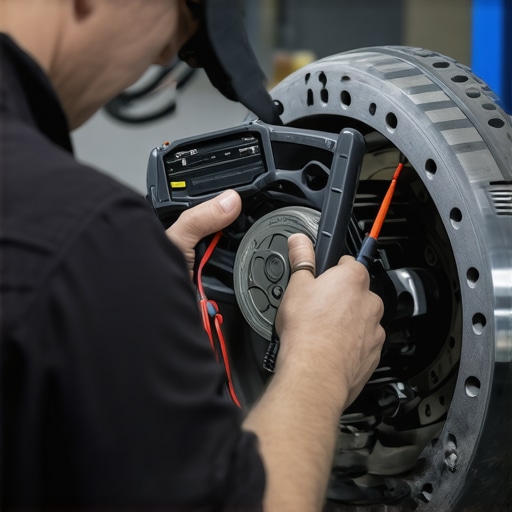
Investing in the Right Equipment for Reliable Maintenance
Maintaining your vehicle’s performance requires more than just routine checks; it demands precision tools that can handle specialized tasks. I personally rely on a digital infrared thermometer to monitor engine temperature during repairs. This device helps me detect overheating issues early, preventing engine damage. Additionally, a high-quality torque wrench is crucial for tightening bolts to manufacturer specifications, avoiding over-tightening that can cause strip threads or under-tightening that leads to component failure. When replacing brake pads, I use a brake caliper piston rewind tool to ensure proper retraction without damaging the caliper. These tools have saved me from costly errors and extended the longevity of my vehicle’s components.
Leveraging Software for Accurate Diagnoses
Modern vehicles are equipped with complex electronic systems that can be decoded using professional-grade scan tools. I recommend investing in a Bluetooth OBD-II scanner like the BlueDriver. It connects to your smartphone and provides real-time data, error code explanations, and repair suggestions. This tool has demystified many stubborn issues, allowing me to perform diagnostics myself rather than relying solely on mechanics. As vehicle technology advances, software updates become essential to keep your diagnostic tools current, so subscribing to manufacturer updates or reputable third-party services ensures long-term effectiveness.
Routine Maintenance that Pays Off Long-Term
Regular oil changes with high-quality synthetic oil, timely replacement of filters, and periodic fluid flushes are foundational. But knowing when to perform these services is equally important. I set reminders based on mileage and vehicle logs to prevent neglect. Additionally, inspecting and maintaining belts and hoses prevents unexpected breakdowns. Using a UV dye kit with a blacklight has helped me detect small leaks early, saving money on larger repairs down the line. Staying proactive with maintenance ensures your vehicle remains dependable for years ahead.
Adapting to Future Trends in Car Maintenance
As autonomous and electric vehicles become more prevalent, maintenance tools and protocols will evolve. I foresee a shift towards AI-driven diagnostics and robotic repair systems, which can perform tasks with greater precision. For now, investing in Bluetooth-enabled scan tools and learning basic electronic diagnostics will prepare you for this future. Embracing these technologies early can give you an edge, making maintenance more efficient and less invasive.
How can I maintain transmission health over time?
One of the most critical aspects of long-term vehicle reliability is keeping your transmission in top shape. Regular transmission fluid changes, using the manufacturer-recommended fluid, and monitoring for leaks are vital steps. I personally check the fluid condition every 30,000 miles and look for signs of discoloration or metallic particles, which indicate internal wear. Installing a transmission fluid warmer can also help maintain optimal operating temperatures during cold weather, reducing stress on the system. For in-depth strategies, consult top transmission repair tips.
If you haven’t already, try upgrading your diagnostic software to include live data streaming and reset capabilities. This small step can make troubleshooting much faster and more accurate, especially for complex systems like auto transmissions and anti-lock brakes. Remember, staying proactive with maintenance tools not only extends your vehicle’s lifespan but also keeps you ahead of potential breakdowns.
What I Wish I Had Known About Aluminum Door Repair
- Overestimating DIY skills can lead to more damage than you started with. It took me multiple setbacks to realize that patience and proper technique are crucial for successful aluminum repairs.
- Neglecting thorough surface assessment often results in incomplete fixes. Carefully inspecting the extent of the crease saves time and prevents rework.
- Skipping heat application or rushing the process causes uneven results and additional distortion—learning this the hard way taught me the importance of steady, uniform heating.
- Investing in quality tools like a good body hammer and dolly set makes a significant difference in the outcome. Cheap tools tend to cause unnecessary marring or more damage.
- Proper surface preparation, including cleaning and sanding, enhances paint adhesion and prevents future rust issues—neglecting this step can undermine long-term repair quality.
Tools and Resources That Elevated My Repair Game
- Professional-grade heat gun: Precise heat application is vital; I trust brands like Wagner for consistent, adjustable temperature control.
- High-quality body hammer and dolly set: Essential for controlled shaping; my favorite includes options from Harbor Freight, offering durability at a reasonable price.
- Collision repair guides and forums: Visiting sites like Collision Renewal provided me with step-by-step tutorials and real-world advice that boosted my confidence.
- Quality touch-up paints and primers: For finishing touches, I recommend brands like Dupli-Color, which match OEM colors and resist corrosion.
Embrace Your Repair Journey and Stay Safety-Focused
Taking on aluminum door repairs is both challenging and rewarding. Remember that every dent you fix brings you closer to understanding your vehicle better and developing valuable skills. Approaching repairs with patience, the right tools, and solid knowledge can turn a difficult task into an empowering experience. Invest in your skills and tools, and keep safety at the forefront. The road to mastering collision repair starts with the willingness to learn and improve—so don’t shy away from trying. Are you ready to give your vehicle the care it deserves and learn something new today? Share your thoughts below, and let’s grow together in this automotive journey.