
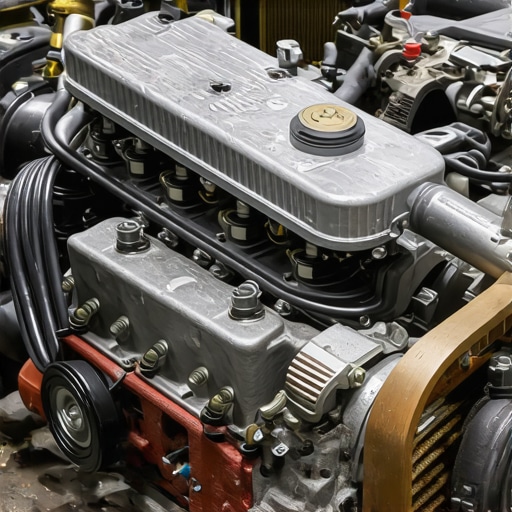
It was a typical Tuesday morning when I found myself stranded on the side of the road, the engine sputtering before finally coming to a halt. That moment—frozen in time—hit me hard. I had ignored warning signs, dismissed the flickering dashboard lights as nothing, and now I was paying the price. If you’re like me, you know that sinking feeling when your car refuses to start, and the frustration that follows.
But here’s the thing: most alternator failures don’t happen overnight. Instead, they give subtle hints, tiny signals that, if caught early, can save you hours of hassle—and a hefty repair bill. That’s why understanding how to recognize these early warning signs is crucial. Today, I’ll guide you through the telltale signs that your alternator is starting to fail, so you don’t have to go through what I did.
Why Being Proactive About Alternator Health Matters
Your alternator is the heart of your vehicle’s electrical system, charging the battery and powering all your electronic accessories. When it begins to falter, your entire car can become unreliable—engine stalls, headlights dim, and gadgets fade out. Ignoring these signs can lead to a roadside breakdown or worse, being stranded in bad weather.
Most car owners don’t realize how integrated the alternator is until it stops working altogether. According to automotive experts, a failing alternator can even cause engine misfires and damage to other critical components. So, recognizing early signs isn’t just about convenience; it’s about keeping your vehicle—and your safety—intact.
I made the mistake early on of ignoring fluctuating dashboard lights, assuming they were just minor glitches. That was a costly lesson. That’s why I always recommend a regular check-up—like those offered at https://collisionrenew.com/essential-car-service-checks-to-extend-your-vehicles-life—to keep an eye on your vehicle’s vital signs.
Are you noticing strange odors, dimming lights, or occasional stalls in your drive? These could be your car’s way of whispering that your alternator needs a look. Staying ahead of potential failures can spare you unexpected breakdowns and costly repairs.
Next, let’s dive into the specific signs to watch for—so you won’t be caught off guard like I was. Recognizing these early signals can turn a potential breakdown into a simple fix, keeping you safe and stress-free on the road.
Check for Warning Signs Early
Inspect Dashboard Lights Regularly
Every time I start my car, I pay close attention to dashboard indicators. If the battery or alternator warning lights flicker or stay on, it’s a sign to investigate further. During one routine check, I noticed the battery light illuminated briefly, which prompted me to test the alternator before it failed completely.
Listen for Unusual Noises
A whining or squealing noise coming from the engine area can indicate a loose or worn-out belt affecting the alternator’s operation. I once heard such a noise while idling; securing the belt immediately prevented a potential breakdown.
Perform Basic Electrical Tests
Use a Multimeter to Measure Voltage
To confirm suspicions, I used a multimeter to check the voltage at the battery terminals. With the engine running, a healthy alternator should produce around 13.8 to 14.4 volts. In my case, readings below this range signaled a failing alternator, prompting a replacement.
Test the Battery Voltage When Off and On
Initially, I measured about 12.6 volts with the engine off, indicating a fully charged battery. With the engine running, I expected a jump to above 13.8 volts. A lower voltage under these conditions suggested the alternator wasn’t charging properly, making it a priority to seek professional help.
Observe Vehicle Behavior During Drive
Monitor Headlights Brightness
Dim or flickering headlights, especially when other electrical accessories are in use, are classic signs of alternator issues. I noticed my headlights dimmed when I turned on the high beams, which led me to get a diagnostic check at https://collisionrenew.com/essential-car-service-checks-to-extend-your-vehicles-life.
Test for Sluggishness or Power Loss
Experiencing difficulty accelerating or feeling a loss of power can be linked to electrical problems. I felt my car hesitating during acceleration, which upon further testing, was associated with a weak alternator failing to supply sufficient power.
Perform a Belt Inspection
Check for Wear and Proper Tension
Visually inspecting the serpentine belt that drives the alternator is vital. If the belt is cracked, frayed, or loose, it won’t turn the alternator effectively. I discovered a worn belt during a routine service, which, if left unaddressed, could have caused total alternator failure.
Learn When to Replace the Belt
Replacing a worn serpentine belt is straightforward and can prevent alternator issues. I replaced mine following expert advice and increased the overall reliability of my vehicle.
Schedule Professional Diagnostics
If simple tests point toward alternator trouble, visiting a reputable auto repair shop like https://collisionrenew.com/contact-us ensures accurate diagnosis. Specialists use advanced tools to pinpoint the exact cause and recommend the right repair strategy without guesswork. Remember, proactive checks and timely replacements save you money and avoid breakdowns on the road.
When it comes to auto repair, many enthusiasts and even seasoned drivers fall into common traps, believing they understand their vehicle fully. But beneath the surface lies a complex web of nuances that can make or break your car’s longevity. One widespread misconception is that sticking to basic maintenance schedules guarantees a trouble-free vehicle. While routine checks like oil changes and tire rotations are vital, neglecting finer details—such as the condition of your transmission fluid or the integrity of your brake system—can lead to costly repairs down the line. Experts emphasize that advanced diagnostics and understanding the subtle signs of wear are crucial for proactive maintenance.
Another trap many fall into is trusting generic advice from non-professionals. For instance, while some believe that using cheap, over-the-counter parts doesn’t impact performance, studies suggest otherwise. According to automotive specialists, subpar components may not withstand stress, leading to premature failure and even safety hazards. This is especially true for crucial systems like your transmission or brakes, where precision and quality are paramount. For comprehensive guidance on maintaining these systems, visit this essential checklist.
One of the most overlooked aspects in auto repair involves the importance of detecting early warning signs that are often dismissed. For example, subtle changes in vehicle handling, slight noises, or minor vibrations might seem insignificant but can signal deeper issues like transmission misalignment or worn-out brake rotors. Addressing these early signs can prevent significant damage and expensive repairs. Advanced diagnostics, such as those discussed in this comprehensive guide, help identify these issues before they escalate.
Have you ever fallen into this trap? Let me know in the comments. Staying informed about these hidden nuances can vastly improve your vehicle’s lifespan and safety. Remember, true expertise involves recognizing what most overlook and acting proactively rather than reactively to repairs and maintenance.
Gear Up for Reliable Auto Care
Maintaining your vehicle over the years requires more than just taking it to the shop when something’s wrong. It involves investing in the right tools and developing a systematic approach. I personally rely on a premium digital multimeter to monitor crucial electrical components like the alternator and battery voltage. This device allows me to perform quick, accurate diagnostics at home, saving time and money. For instance, regularly measuring the voltage output during routine checks helps detect early signs of alternator failure before it leads to breakdowns.
Why I Trust My Digital Multimeter
Unlike simple voltage testers, my multimeter provides detailed readings that help assess whether the alternator is charging properly or if the belt tension is slipping. I’ve found that using a multimeter with data logging capabilities enables me to track trends over time, making maintenance proactive rather than reactive. These insights align with recommendations from industry experts on regular critical inspections.
Harnessing Software for Diagnostics
Modern vehicles are equipped with onboard diagnostics (OBD-II) systems. I use a Bluetooth-enabled OBD-II scanner paired with a smartphone app to read and clear error codes on the go. This combination simplifies complex diagnostic procedures, allowing me to identify issues like transmission slip indicators or brake sensor malfunctions quickly. The ability to access real-time data enhances my capacity to perform maintenance tasks with precision, ensuring long-term durability.
Predictive Maintenance with Data Trends
By regularly analyzing diagnostic data, I can spot patterns—such as frequent ABS sensor errors—that suggest component wear. This trend analysis empowers me to schedule repairs before breakdowns occur, saving costs and preventing safety hazards. Experts agree that leveraging such tools extends vehicle lifespan, as discussed in transmission maintenance strategies.
Investing in Quality Parts and Calibration Equipment
When replacing critical components like brake rotors or sensors, I only opt for OEM parts. Coupled with professional calibration tools, this choice guarantees optimal performance and safety. For example, after replacing brake sensors, I use a calibration device to ensure the anti-lock braking system functions correctly, which is vital for long-term reliability. Regular calibration prevents issues like uneven brake pad wear or sensor errors, ultimately preserving vehicle integrity.
Planning for the Future of Auto Maintenance
The trend is shifting towards more integrated diagnostic systems and remote monitoring. As technology advances, I see a future where vehicles will alert owners about maintenance needs via mobile apps, allowing for even smarter upkeep routines. Embracing these innovations now prepares you for seamless, long-lasting auto care. Check out this guide for strategic maintenance methods that keep your vehicle performing at its best over time.
To really master the art of vehicle upkeep, I recommend trying a comprehensive diagnostic scan regularly. Pairing it with a quality multimeter and staying informed about software updates creates a powerful maintenance arsenal. With these tools, you can catch potential issues early and ensure your car remains dependable on every journey.
The Hardest Lesson I Learned About Auto Repair and Maintenance
- I used to think routine oil changes and tire rotations were enough for vehicle longevity, but ignoring subtle signs like strange noises or dashboard warnings often led to costly repairs. Now, I realize that early detection through regular checks can save both time and money.
My Eye-Opening Encounter with Trusting Quick Fixes
- Opting for cheap parts or temporary fixes might seem economical, but in my experience, they often backfire, causing more extensive damage down the line. Investing in quality components and professional calibration has always proven to be the smarter choice, especially when it comes to critical systems like brakes and transmissions.
The Unexpected Power of Learning Basic Diagnostics
- Discovering how to use a multimeter and onboard diagnostics tools transformed the way I maintain my car. Recognizing early electrical issues or sensor malfunctions means I can address problems before they escalate, reinforcing the importance of proactive maintenance.
Why Overlooking Small Changes Can Lead to Major Failures
- Slight vibrations, flickering lights, or minor odors might seem insignificant, but they’ve saved me from future breakdowns when addressed promptly. Paying attention to my vehicle’s whisperings has become part of my routine, and it’s a skill every driver should develop.