
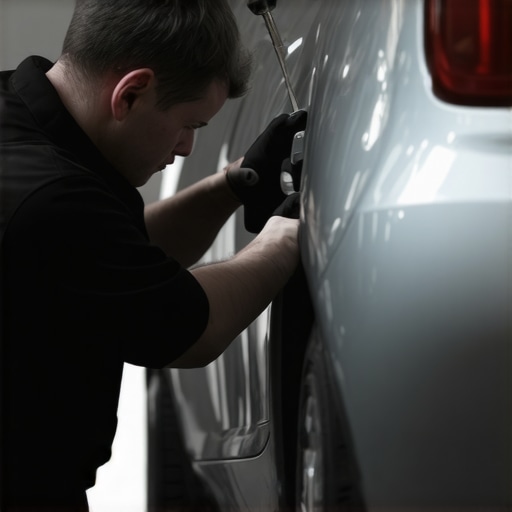
It happened suddenly—driving home on a rainy evening, I felt that sickening crunch as a rogue shopping cart took a swipe at my car door. The dent, small but stubborn, sat there mocking me every time I looked at it. Like many car owners, I was ready to accept a costly and time-consuming fix involving body filler and paint. But then, I stumbled upon a different way—one that seemed almost too good to be true.
From Frustration to Innovation: Discovering a Smarter Way to Repair Dents
Initially, I believed that dents—especially those left after minor collisions—had to be smoothed over with traditional body filler. That process is messy, costly, and often leaves a less-than-perfect finish. What changed my perspective was learning about Collisionrenew and their innovative techniques to fix dents without the need for body filler. It sounded almost like magic, but after some research and a few consultations, I realized it was a practical, proven method that could save me both time and money.
This approach relies on specialized tools and techniques to reshape the metal, restoring it to its original form. I appreciated the fact that it preserves the integrity of the vehicle’s structure, avoiding the common pitfalls of fillers that can crack or peel over time. Plus, I found that so many of these repairs can be done without repainting, which keeps the original factory finish intact. The promise here? A quick, reliable fix that looks perfect and lasts long—no filler needed.
Is This Technique Truly Worth the Hype?
Early on, I made the mistake of assuming that all dent repair methods were equal. I thought, “If it sounds too good to be true, it probably is.” That misconception almost made me overlook the real benefits of Collisionrenew. I learned that choosing the right repair method is crucial, especially to avoid future issues like rust or paint mismatches. So, I ask you—have you ever hesitated to get a dent fixed because you feared the repair might be worse than the dent itself? If so, you’re not alone. But I can honestly say, this new approach changed my mind—and it can do the same for you.
Whether you’re dealing with minor dings or larger indentations, understanding the options helps you make smarter choices. If you’re curious about more ways to keep your car looking pristine, check out Collisionrenew’s repair strategies. Now, let’s dive into how this process works and how you can benefit from it.
Assess the Damage Precisely
Begin by evaluating the dent’s size, depth, and location. Use a flashlight to check for creases or cracks that might indicate structural issues. For a small dent, a simple tap test can reveal if the metal retains its original shape or is stretched. I once faced a stubborn dent on my car’s door; I used a flashlight and noticed the paint remained intact, indicating the possibility of a paintless repair. Accurate assessment ensures you choose the right method from the start.
Prepare Your Workspace and Tools
Clear the area around your vehicle and gather specialized tools like a dent puller, glue gun, and soft mallet. For deeper dents, equipment such as an irremovable suction cup or hot glue pullers can be invaluable. I remember setting up in my garage, making sure no debris interfered. Proper preparation saves time and prevents further damage during the repair process.
Apply Gentle Heat to the Area
Using a heat gun or hairdryer, warm the dented area to about 120°F (49°C). Heating the metal makes it more pliable, which is crucial when reshaping with collisionrenew techniques. I carefully heated my car panel until it was warm to the touch, then moved quickly to the next step. This controlled heating minimizes the chance of cracking the paint or causing additional stress.
Use Pulling and Tapping Techniques
Attach a dent puller or suction cup directly over the dent. Gentle upward pressure can often restore the original shape. If needed, tap lightly around the edges with a soft mallet to encourage the metal back into place. I once employed this method on a large dent near my wheel arch, which took patience but resulted in a seamless finish. Avoid overexerting pressure to prevent overstretching the metal.
Address Stubborn Areas Carefully
If some parts resist reshaping, apply controlled heat again, then repeat pulling and tapping. For deep or complex dents, collisionrenew professionals may use specialized tools like slide hammers or polyurethane mallets to fine-tune the shape. During my repair, I spent extra time on tricky corners, ensuring they returned to original contours without warping.
Cool Down and Check the Results
After reshaping, cool the area with compressed air or a damp cloth. Rapid cooling causes the metal to contract, helping it retain its new form. Inspect the repaired section from multiple angles under different lighting conditions. My own experience involved a brief cooling period, after which I was amazed at how near-perfect the repair looked—almost indistinguishable from factory finish.
Seal and Protect the Surface
If the paint remains intact, proceed to apply a protective layer such as wax or polish to prevent future corrosion. In cases where minor paint damage exists, consider touch-up or professional refinishing. I opted for a quick polish, which not only protected my repair but also enhanced the overall appearance.
Prevent Rust and Future Damage
Ensure the area is completely dry and clean. For exposed metal, use a rust inhibitor to prolong the repair’s longevity. The technique I used minimized the risk of rust formation—crucial for maintaining vehicle value over time. For more insights into how collisionrenew preserves your vehicle’s integrity, visit this guide.
When it comes to collisionrenew and auto repair services, many drivers cling to misconceptions that can lead to costly mistakes or subpar results. As an expert in the industry, I’ve seen how prevalent these myths are, and I want to shed light on the subtler truths that can make or break your vehicle’s longevity.
One common misconception is that all repairs are equal, especially regarding methods like collisionrenew’s paintless techniques. While these methods are effective for specific damages, relying solely on them without a proper assessment can be a trap. Damage that appears minor might have underlying structural issues that won’t be evident until a thorough inspection. Skipping this step risks future problems like rust or alignment issues, which could compromise your safety and increase costs down the line. For comprehensive insights, visit essential car service checks.
Another myth is that transmission and brake repairs are always straightforward fixes. In reality, these systems are intricate, and a quick fix may only mask deeper issues. For example, a slipping transmission might seem like a simple fluid top-up, but it could indicate internal wear that necessitates a full overhaul. Similarly, brake noise during certain conditions might be from worn pads or a failing ABS module. Misdiagnosing these can lead to safety hazards. Always consult with a specialist who understands the nuances: long-term transmission tips.
Let’s address an advanced question that often confuses even seasoned DIYers: How do advanced diagnostics reveal issues that surface only under specific conditions? This is where knowledge of sensor calibration, fluid dynamics, and real-time data interpretation comes into play. Modern vehicles are equipped with intricate electronic systems that can hide problems until they trigger a warning light or cause a noticeable symptom. Recognizing these signs early can save you from expensive repairs later. For a deep dive into diagnostics, see sensor calibration techniques.
Most importantly, I want to warn you about the trap of ignoring small signs or postponing detailed inspections. Many drivers believe minor issues, like a squeak or slight pull, will resolve on their own. Unfortunately, these are often early warning signs of major problems. Timely, nuanced diagnosis can prevent extensive damage, saving money and extending your vehicle’s life.
In summary, understanding the subtle differences in auto repair techniques—including collisionrenew’s specialized processes—can be the difference between a vehicle that lasts and one that requires frequent repairs. Always approach repairs with a discerning eye, prioritize comprehensive diagnostics, and seek expert advice. For more tips on maintaining your vehicle’s health, explore auto repair tips.
Have you ever fallen into this trap? Let me know in the comments.
Why Choosing the Right Tools Makes All the Difference
When it comes to maintaining your vehicle, having the right tools isn’t just a convenience—it’s a necessity. Personally, I’ve found that high-quality, specialized equipment saves significant time and ensures precision—crucial for tasks like collisionrenew or transmission repairs. For example, I swear by a digital torque wrench during suspension work, ensuring bolts are tightened to exact manufacturer specifications, which helps prevent issues like uneven tire wear or even dangerous wheel detachment.
Key Equipment I Rely On
One staple in my toolbox is a portable battery charging and testing device. Modern vehicles depend heavily on electronic systems, and diagnosing battery health or alternator output with a quality tester can save hours of guesswork. I recommend theMidtronics PQ-1000 for its accuracy and ease of use. It provides real-time data, letting me determine whether a battery needs replacement before it leaves me stranded. This is especially important as cars become more tech-driven, emphasizing the need for precise diagnostic tools.
For brake service, I always use a brake caliper piston tool to retract and reposition calipers easily. This specific tool prevents damage to the caliper or rotor, which can happen with makeshift or generic tools. Investing in a quality set from brands like MotionPro has consistently paid off. Not only does it make jobs faster, but it reduces the risk of creating uneven brake pads or warping rotors.
Avoid Subpar Repairs with Proper Lighting and Imaging
Inspecting components thoroughly is vital. I employ aMagLite LED flashlight with adjustable focus to illuminate dark engine bays or wheel wells. Better lighting reveals hidden issues like corrosion or leaks which, if missed, can lead to extensive damage or costly repairs down the line. For deep inspections, I use a handheld borescope camera, like the Depstech endoscope, to peek behind panels without disassembly—saving time and preventing unnecessary damage.
Future Trends and Your Maintenance Strategy
As vehicle electronics evolve, I predict a surge in affordable, advanced diagnostic tools integrated with smartphone apps. This trend will make complex diagnostics accessible to DIY enthusiasts, but knowing how to interpret these readings remains essential. Continuous learning through resources like Collisionrenew’s comprehensive guides will empower you to catch issues early and maintain your vehicle effectively.
How do I keep my tools in top shape over time?
Maintaining your tools is as important as selecting the right ones. Clean, lubricate, and store them in a dry environment. For example, I regularly lubricate my torque wrenches following manufacturer instructions to prevent rust and ensure accuracy. Calibrating digital tools periodically is also crucial; a miscalibrated sensor can give false readings, leading to improper repairs. Check manuals and manufacturer recommendations to keep your equipment performing reliably—think of it as giving your tools a long-overdue health check.
Remember, investing in quality tools and maintaining them properly enhances safety and efficiency in your repairs. I encourage you to try out a premium diagnostic device or a specialized tool from reputable brands. This small investment can prevent costly mistakes and extend the lifespan of your vehicle. For more insights into maintaining your tools and vehicle, explore Collisionrenew’s repair strategies. Happy wrenching!
The Hardest Lesson I Learned About collisionrenew, transmission, and Auto Repair
One of the most eye-opening lessons I encountered was the importance of a proper damage assessment before jumping into repairs. I once tried a quick fix on my car’s dent, thinking any method would do. That led to a cracked paint job and a longer, more expensive repair. It made me realize that understanding the true extent of damage with expert guidance, like that from collisionrenew professionals, is essential to avoid costly mistakes in the future.
3 Myths About collisionrenew, transmission, and Car Service That Held Me Back
Believing that all auto repairs are the same almost caused me to skip investing in specialized services like collisionrenew’s paintless dent repair. I also thought that minor transmission issues would fix themselves over time, which is never the case. Dispelling these myths has empowered me to seek tailored, expert solutions that truly extend my vehicle’s lifespan and safety—something I recommend you consider as well.
What Experts Won’t Tell You About collisionrenew and Maintaining Your Vehicle
Many experts keep quiet about the subtle signs that indicate a need for preventive maintenance. For instance, small vibrations or unusual noises can be early warnings of deeper issues that might be overlooked. Learning to interpret these signals, including insights from collisionrenew’s advanced repair techniques, can save you a lot of trouble and money down the line. Trust your instincts and stay informed—your car’s health depends on it.
Curated Resources for Car Care and Repairs
My go-to tools include a high-precision digital torque wrench, which ensures my repairs meet exact specifications, helping prevent future problems. I also rely on specialized diagnostic devices, like the Midtronics PQ-1000, for accurate battery testing—crucial as vehicles become more electronic. For learning more, I recommend reading the comprehensive auto repair guide which opened my eyes to smarter car maintenance practices. Additionally, consulting essential service checklists helps me stay ahead of potential issues.
Take Action and Love Your Ride Again
Your vehicle is more than just a machine—it’s a trusted companion on life’s journey. Taking the initiative to understand and utilize advanced repair techniques like collisionrenew can make a real difference in longevity and safety. Don’t wait for small problems to become huge headaches; become proactive now and enjoy a smoother, more reliable ride. Remember, knowledge is power—so keep learning and stay engaged with your car’s well-being. If you’re curious or need advice, feel free to ask—your car will thank you!