
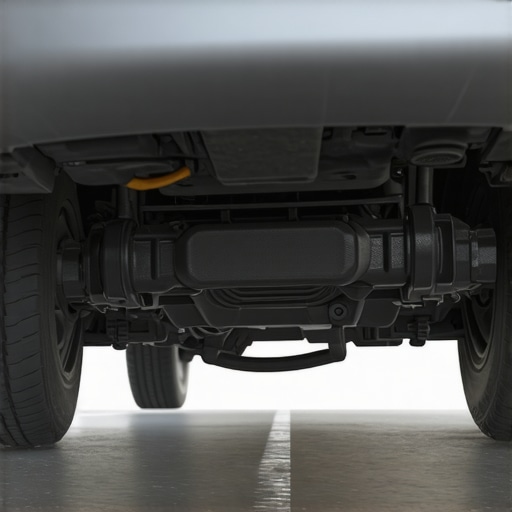
I’ll never forget the first time I felt my car give a pronounced thud when shifting into drive. It was late at night, I was already running late, and there I was, nervously jamming my gear into drive, only to be greeted by an unsettling jolt that made my stomach tighten. At that moment, I realized just how much I rely on a smooth, quiet ride — and how little I knew about what was going on under the hood. That thud wasn’t just annoying; it was a warning sign, and ignoring it could lead to costly repairs down the line.
The Thud That Tells a Deeper Story
Today, I want to share with you a revelation I’ve stumbled upon through personal experience and a fair bit of research. That jolting sound when shifting into drive isn’t just a random misfire or a minor glitch. It often points to underlying issues with your transmission, motor mounts, or drivetrain components. Addressing this early can save you hundreds, if not thousands, in future expenses. My goal is to arm you with the right knowledge — so next time your car decides to thud, you’ll know exactly what to check and when to call in the experts.
Why Your Car’s Thudding Isn’t Normal — But It’s Common
Many car owners dismiss the thud as normal, especially if their vehicle has seen better days. However, according to auto industry experts, a sudden, forceful noise during gear engagement often indicates worn-out components or misalignments that need urgent attention. Early on, I made the mistake of thinking it was just a noisy transmission, delaying the diagnosis. That was a costly oversight, one I don’t want you to repeat.
Specifically, worn or damaged motor mounts are a common culprit, as they’re responsible for stabilizing your engine. When these mounts start to fail, the engine can shift slightly during gear changes, causing that unmistakable thud. Over time, neglecting this can lead to more serious problems like transmission failure or damage to your driveshaft. The good news? Many of these issues are fixable with proper diagnostics and timely repairs, which you can learn about at this comprehensive guide.
So, if you’ve recently experienced that jarring sound when shifting into drive, you’re not alone. It’s a signal from your vehicle that something needs your attention. Now, let’s get into what causes these symptoms and how to identify if it’s serious or just a minor hiccup before it escalates.
,
Pull Out Your Tools and Prepare
Start by gathering essential tools: a jack, jack stands, screwdrivers, wrenches, and a flashlight. Wear gloves and safety glasses. I once attempted this repair in my driveway, balancing on a makeshift platform; patience and safety first. Ensure your vehicle is on a flat surface, parked securely with the parking brake engaged. Disconnect the negative terminal of the battery for safety, preventing any accidental electrical shorts during work. These preparatory steps set the stage for accurate diagnosis and effective repair.
Inspect Motor Mounts and Transmission Mounts
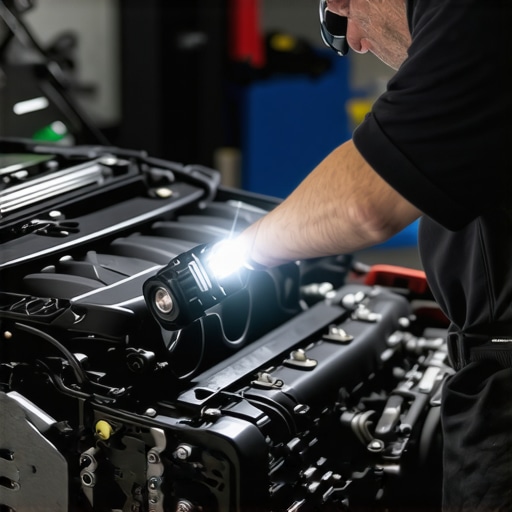
Locate the motor and transmission mounts, usually found along the engine bay’s sides and near the transmission. Use the flashlight to check for cracks, broken rubber, or missing bolts. Wiggle the engine while someone observes the mounts; excessive movement indicates wear. In my case, I discovered a cracked motor mount after noticing a slight engine tilt during inspection, which explained the thud during shifts. Replacing worn mounts reduces engine movement, smoothing out gear engagement and eliminating that unsettling noise.
Examine the Drive Shaft and CV Joints
Next, lift the vehicle using the jack and secure it with stands. Inspect the drive shaft for dents or rust. Check the CV joints for torn boots or grease leaks. Spin the axles manually; feel for resistance or looseness. I once found a torn CV boot with dirt lodged inside when I noticed a clicking sound during acceleration, which also contributed to shifting issues. Replacing damaged CV joints or boots restores proper coupling, preventing shocks and clunks during transmission shifts.
Test Transmission Fluid and Links
With the vehicle on level ground, check the transmission fluid level and condition. Remove the dipstick; if the fluid is dark or smells burnt, a flush or replacement is necessary. Also, inspect the linkage cables for wear or misalignment—loose or disconnected linkages can cause harsh shifts. In my experience, a simple adjustment of the linkage restored smooth shifting and eliminated the thud, proving how minor misalignments can have significant effects.
Perform Road Test After Repairs
After completing inspections and replacements, take your car for a test drive. Shift through all gears, noting any unusual sounds or resistance. Accelerate gently to observe how the vehicle responds. During my test drive after replacing a motor mount, I felt the difference immediately—smooth, almost silent gear shifts, with no more jolts. Keep a close ear and feel for vibrations; lingering issues may require further investigation or professional diagnosis. This step confirms your repairs’ success and helps identify any remaining concerns.
If you’re unsure or uncomfortable with this process, consult a professional. They have advanced diagnostic equipment for issues like transmission misalignment or internal faults that are not visible externally. For more detailed troubleshooting steps, visit this comprehensive auto repair guide. Regular inspection and maintenance prevent minor issues from escalating into costly repairs, keeping your ride smooth and reliable.
 Many car owners fall into the trap of believing they know everything about vehicle maintenance, but the reality is far more complex. One myth I often encounter is the idea that all brake pads wear out at the same rate or that replacing them involves only swapping out the pads. In practice, the placement, brake rotors, and even the calipers play significant roles, and neglecting these nuances can lead to uneven wear and even damaged rotors, which are costly to repair. Automakers’ claims that certain brake pads last for a specific mileage are often oversimplified; factors like driving habits and climate drastically influence lifespan. To truly extend your brake service intervals, it’s essential to understand the underlying mechanics and not rely solely on general mileage estimates. Check out this article for insights on optimizing your brake maintenance. Many overlook that a transmission fluid change isn’t just a simple drain and fill. It involves understanding the transmission’s internal components and fluid compatibility. Regularly changing fluid without considering the manufacturer’s specifications or the type of transmission can cause more harm than good, potentially leading to slips or erratic shifts. Additionally, transmission experts emphasize the importance of using diagnostic tools to monitor wear patterns, which might go unnoticed during routine checks. For advanced insights, see this comprehensive guide. Now, some believe that collision repair is straightforward—just repaint and reassemble, right? Not quite. Collision renewal strategies involve restoring factory gaps, aligning panels seamlessly, and even realigning liftgates that won’t close properly, which most drivers never realize require precision techniques to avoid future issues. Skipping such details might save money initially but could result in misaligned panels, causing wind noise or water leaks later. Critical to this process is understanding the subtle tolerances involved; even millimeters matter. For a closer look, visit this resource. The common mistake many make in auto repair is delaying the diagnosis of subtle issues, assuming they are minor. For example, a slight vibration in the steering wheel may seem inconsequential but might signal worn suspension bushings or failing wheel bearings. These problems, if ignored, can escalate quickly, compromising safety and leading to expensive repairs. To avoid these pitfalls, regular essential car service checks are crucial. They help catch problems early and prevent costly emergency repairs. You can learn more about scheduled maintenance at this article. To dig deeper: How can understanding the complex interplay between various systems prevent costly mistakes? The answer lies in integrating diagnostic data with a thorough understanding of vehicle physics, enabling you to identify subtle signs before they become critical. Experts suggest that embracing a holistic maintenance mindset, rather than reacting only to symptoms, preserves long-term reliability and safety. Remember, automobiles are intricate machines, and a superficial approach can result in missing the hidden nuances that ensure optimal performance. Before you tackle your next repair or maintenance, ask yourself—are you truly addressing the root cause? Or just applying a temporary fix? For more detailed insights, consult the expert advice at this cornerstone guide. Have you ever fallen into this trap? Let me know in the comments.
Invest in Precision Diagnostic Equipment
Your vehicle’s longevity heavily relies on accurate diagnostics. I personally recommend investing in an OBD-II scanner like theAutel MaxiScan MS309. It’s affordable, reliable, and provides real-time data, which helps identify issues before they become costly repairs. Modern cars are becoming more complex with electronic systems, so having this tool allows me to clear error codes, monitor sensors, and even check readiness for emissions testing, all from my driveway. As technology advances, expect diagnostic tools to incorporate more AI-driven features, enabling even more precise troubleshooting. For now, a quality scanner remains a must-have for proactive maintenance.
Stick to a Regular Maintenance Schedule
Following the manufacturer’s recommended service intervals is vital. I keep a detailed log based on the essential maintenance guidelines to track oil changes, filter replacements, and fluid flushes. These routine checks prevent wear from escalating and help spot potential problems early. Over time, consistent maintenance preserves the value and safety of your vehicle while reducing unexpected breakdowns. Consider scheduling annual inspections with a trusted mechanic who can perform comprehensive assessments, including auto transmission checks, brake system evaluation, and collision repair readiness.
Utilize Quality Replacement Parts and Fluids
Not all parts are created equal. I only select OEM (Original Equipment Manufacturer) parts or reputable aftermarket equivalents. For example, using OEM transmission fluid, like those listed in this guide, ensures compatibility and longevity. This is critical for long-term transmission health, as some aftermarket fluids can damage internal components if not specified correctly. Similarly, for brake service, choosing high-quality pads and rotors extends lifespan and maintains safety. Remember, investing in quality parts now pays dividends in performance and repair costs down the line.
Plan for Future Enhancements and Scaling
As your vehicle ages, consider upgrading key components to improve performance or adapt to changing needs. For instance, upgrading to a high-capacity radiator or installing advanced suspension parts can enhance handling and cooling. Planning ahead allows for phased upgrades, making the process manageable and cost-effective. The trend toward smart vehicle systems also suggests integrating diagnostic apps and remote monitoring solutions, providing real-time insights into your car’s health. Exploring these options now positions you to handle future repairs more efficiently and avoid downtime.
How Do I Maintain My Car’s Performance Over Time?
The secret to maintaining your vehicle’s performance lies in consistent, proactive care—regular diagnostics, scheduled maintenance, quality replacements, and thoughtful upgrades. I recommend setting reminders for oil changes and fluid checks, and consulting detailed guides like this auto repair resource to stay informed. Don’t forget to keep an eye on emerging tools and technologies that can simplify maintenance or improve longevity. For instance, periodically checking your transmission fluid with a professional-grade tester can prevent costly slips or overheating, especially if you tow or drive in demanding conditions. Remember, investing in your car’s health today ensures smooth rides tomorrow—start with a diagnostic review, and see how early detection can save you money and frustration.
Lessons That Changed My Approach to Auto Care
- Precision Matters More Than Speed: Rushing through repairs often leads to overlooked details, which can cause bigger problems later. Patience and careful inspection are key to long-term vehicle health.
- Not All Parts Are Created Equal: Investing in quality replacement parts may cost more upfront, but it pays off by extending your car’s lifespan and reducing frequent repairs.
- The Value of Regular Diagnostics: Regularly scanning your vehicle with a reliable OBD-II scanner can catch issues early, saving you money and preventing breakdowns.
- Listen and Feel for Subtle Signs: Tiny vibrations or noises might seem insignificant but can indicate underlying problems. Addressing these early can prevent costly damages.
- Knowledge Is Power: Educating yourself about your car’s systems fosters confidence and helps you make informed decisions during repairs and maintenance.
Tools and Resources That Made a Difference
- Autoel MaxiScan MS309: This affordable diagnostic scanner provides real-time data and error codes, empowering me to monitor my vehicle closely and address issues promptly.
- This Comprehensive Auto Repair Guide: A curated collection of maintenance tips and troubleshooting steps that demystifies complex procedures and helps me understand when to seek professional help.
- OEM Parts and Fluids: Using factory-recommended parts and fluids, as detailed in trusted repair manuals, ensures compatibility and longevity for critical components like transmissions and brakes.
- Trusted Mechanic Contacts: Building relationships with reputable local mechanics has saved me from unnecessary repairs and provided expert advice when needed.
Your Turn to Thrive in Auto Care
Understanding the intricacies of auto repair and collision renewal transforms the way you care for your vehicle. The more you learn and invest in proactive maintenance, the more confident and cost-effective your ownership becomes. Don’t wait for warning signs to escalate—start applying these insights today and take charge of your car’s health. Remember, a well-maintained car isn’t just about avoiding breakdowns; it’s about enjoying a safe, smooth ride every day.
Have you ever faced a tricky repair or caught an issue early? Share your story below and inspire others to become their own auto advocates!
,