

Ever been driving along, enjoying a peaceful ride, when suddenly you notice a whistling or wind noise that’s just not right? I can’t tell you how many times I’ve faced that frustrating realization after a minor bump or accident. The loud flapping or whistling noise can be a real ‘a-ha’ moment, revealing hidden damage that many car owners overlook. It’s like your vehicle telling you, “Hey, I need some attention here!”
Why Restoring Wind Noise Seals is More Than Just a Comfort Issue
That persistent wind noise isn’t just annoying—it’s an indicator that your car’s weather seals, especially around the windshield and rear windows, might have been compromised during a collision. Over time, if these seals aren’t properly restored, they can lead to water leaks, increased wind resistance, and even reduce your vehicle’s overall efficiency. Now, I know what you’re thinking: “Is this really a big deal?” Well, often, a neglected wind seal can cause more damage than you expect.
Is Collisionrenew Actually Worth the Hype?
When I first heard about Collisionrenew and how it restores seals after a collision, I was skeptical. I made the mistake early on of thinking a simple seal repair was just a cosmetic fix. Turns out, those tiny gaps let in water and noise, which can speed up deterioration around the vehicle’s frame. That realization was a lightbulb moment for me—properly restored seals make a noticeable difference in comfort and car longevity. If you’ve been ignoring those annoying whistling sounds, it might be time to consider professional repair instead of letting it slide. Curious how Collisionrenew can help? Check out their strategies on restoring your car to perfection.
Start with a Thorough Inspection of Your Vehicle’s Seals
Before diving into repairs, examine around the windshield, rear window, and door frames for visible gaps, tears, or deformations. Use a flashlight to identify hidden cracks or compromised areas. This step is crucial because undetected damage can lead to ongoing wind noise and water leaks.
Remove Damaged Seals Carefully
Gently pry out the old weather seals using a plastic trim removal tool to avoid damaging the surrounding surfaces. Think of this like peeling off a sticker without tearing the paper beneath; patience prevents further damage. Take note of how each seal is installed to replicate correct positioning during reinstallation.
Clean Surfaces to Ensure Proper Adhesion
Thoroughly clean the mounting surfaces with a mild solvent or isopropyl alcohol to remove dirt, grease, and remnants of old adhesive. Cleanliness is key — akin to preparing a canvas before painting — because debris can prevent the new seal from sticking properly, leading to early failure.
Apply a Suitable Adhesive or Sealant
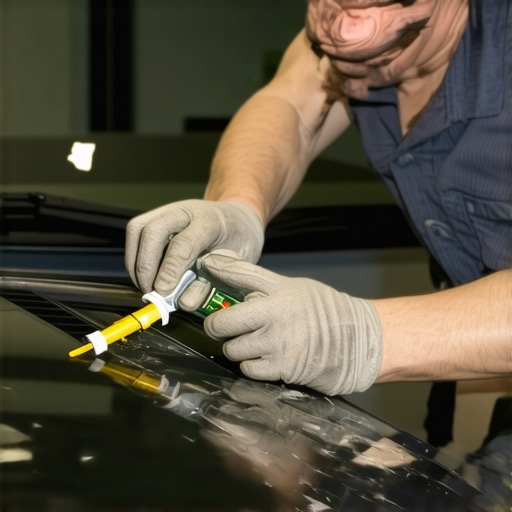
Use automotive-grade weather seal adhesive recommended by manufacturers. Apply a thin, even layer along the gasket’s edge, similar to spreading peanut butter on bread — too much can squeeze out, but too little won’t hold. This adhesive acts like the glue that ensures the new seal stays firmly in place during vehicle vibrations and weather exposure.
Install the Replacement Seals Precisely
Align the new seal with the original mounting grooves, pressing firmly to ensure full contact. Imagine fitting a puzzle piece — it needs to sit snugly without gaps. Use your fingers or a soft tool to press the seal into place, confirming that it’s flush along the entire perimeter.
Secure the Seals and Allow Adhesive to Cure
Fasten any clips or retaining strips as necessary, then let the adhesive cure according to the manufacturer’s instructions, usually 24 hours. During this time, avoid the car from exposure to water or excessive movement that could shift the seal.
Test for Effectiveness
Once cured, conduct a simple water spray test and listen for any wind noise by closing windows and driving at different speeds. If you notice leaks or noise, re-examine the seals for proper installation. This step resembles test-driving a new tire to ensure safety and performance before regular use.
In my own experience, replacing a damaged seal on my car’s rear window took meticulous attention but paid off immediately — the whistling ceased, and the vehicle felt more insulated. For a detailed overview on maintaining your vehicle, see essential car service checks.
Many car owners believe they understand the ins and outs of automotive maintenance, but some widely held myths about CollisionRenew, car service, and auto repairs are actually doing more harm than good. One common misconception is that synthetic sealants and adhesives used in seal restoration are interchangeable with generic adhesives sold at hardware stores. In reality, using automotive-grade sealants is crucial for ensuring long-lasting, water-tight repairs—failing to do so can lead to premature seal failure and moisture ingress. Furthermore, a prevalent trap is thinking that minor wind noise or water leaks are insignificant, but these issues often indicate underlying problems that, if ignored, can accelerate corrosion or damage internal components.
Are You Overlooking the Nuance of Proper Transmission Care?
Automotive experts agree that neglecting the subtle warning signs of transmission issues can lead to costly repairs later. Many assume that low transmission fluid levels are the sole culprit, but in reality, fluid quality and contamination play equally important roles. Ignoring these nuances can result in harder shifts, overheating, or even complete transmission failure. For a comprehensive understanding, check out top transmission repair tips.
Another common myth involves brake service: many believe that if the brake pedal feels firm, everything is fine. However, unforeseen issues like uneven pad wear or caliper drag can be lurking, compromising safety. Regular inspection and proactive maintenance can prevent these hidden pitfalls.
Let’s not forget about the misconception that all auto repairs are equal. The reality is, quality matters—a halfway job can lead to repeat repairs and additional costs. This is why trusting experts who follow meticulous repair strategies, like those outlined in restoring your car to perfection, is a smarter approach.
In sum, understanding the nuanced differences in repair quality, materials, and subtle warning signs can save you significant time and money. Have you ever fallen into this trap? Let me know in the comments.
Investing in Precision Equipment for Auto Care
Maintaining your vehicle’s collision repair, transmission health, and brake systems requires more than just basic knowledge—it demands the right tools. Personally, I swear by a high-quality digital multimeter like the Fluke 115, which allows me to accurately diagnose electrical issues in sensors and wiring, preventing minor problems from escalating into costly repairs. Similarly, a set of precision screwdrivers and trim removal tools ensures I can replace seals or panels without damaging surrounding components.
When it comes to windshield, sunroof, or sun-damaged paint repairs, I rely on a paintless dent repair kit. Investing in a quality kit from brands like MIDEA allows me to effectively address small dings without repainting, saving time and money. For long-term results, adhering to recommended cleaning and lubrication schedules with products like Motul’s synthetic gear oil ensures transmission components stay in optimal condition, reducing the risk of overheating or shifting issues.
The Power of Diagnostic Software in Modern Auto Maintenance
Modern vehicles are packed with sensors and electronic systems. To keep them operating flawlessly, I use automotive diagnostic software such as AutoEnginuity ScanTool, which connects to my vehicle’s OBD-II port and provides real-time data. This helps me spot early signs of wear in components like sensors that influence ABS or stability control. Regularly updating the software ensures I have the latest diagnostic functionalities, allowing proactive maintenance rather than reactive repairs.
In addition, software like CarMD can scan for manufacturer-specific codes and suggest targeted fixes, making the repair process more efficient. As technology advances, these tools will become even more intuitive, incorporating predictive analytics to warn us before a component fails. For now, I recommend integrating diagnostic software into your routine to catch issues early, saving you both time and money.
Streamlining Maintenance with Effective Organization
Staying organized is crucial for consistent vehicle upkeep. I keep detailed logs of each service appointment, including parts replaced, fluids used, and inspections performed. Using digital tools like RepairPal’s maintenance tracker helps me schedule future inspections and remind myself of essential tasks, such as checking brake rotors or transmission fluid levels periodically. This proactive approach extends the life of critical components, ensuring safety and reliability.
How do I maintain collision repair and transmission health over time?
One effective method is sticking to a regular inspection schedule, such as the routine car service checks outlined here. For transmission specifically, I follow the tips from this guide to ensure fluid quality and level are maintained, preventing overheating and shifting issues. Using quality tools and software helps identify early warning signs, allowing preventive measures before major failures occur.
With the rapid advancement of automotive technology, expect diagnostic and maintenance tools to become more integrated and predictive. Embracing these innovations now will place you ahead in the game of long-term vehicle reliability. Ready to take your auto maintenance to the next level? Try implementing advanced diagnostic software or precision tools like a digital multimeter today—these small investments can make a significant difference in your vehicle’s longevity.
Over the years, I’ve learned that the most impactful insights often come from unexpected lessons. One thing that consistently surprises car enthusiasts is how small details—like a wind noise or a tiny leak—can reveal much larger underlying issues. These observations have taught me that becoming attentive to subtle signs can save a lot of trouble down the road, especially when dealing with complex systems like collision repairs or transmission health.
The Most Unexpected Lessons That Changed My Approach to Car Care
- Don’t overlook minor noises or leaks: They are often early warning signs, not just annoyances. Addressing them promptly can prevent costly repairs, and understanding their significance requires a keen eye and ear. For instance, a whistle when driving at high speeds might seem trivial, but it could point to a compromised seal, leading to water intrusion or structural damage if ignored.
- Quality tools matter more than you think: Investing in a good digital multimeter or precision repair tools has transformed the way I approach diagnostics. These tools provide real-time data that can pinpoint whether a transmission issue stems from fluid contamination or sensor malfunction, thus avoiding guesswork. For detailed recommendations on this, check out this trusted guide on transmission health.
- Don’t trust shortcuts with materials: Using automotive-grade sealants instead of household adhesives isn’t a cliché—it’s a necessity. When restoring weather seals or fixing leaks, the difference between a long-lasting repair and a repeat failure often hinges on the quality of the materials and techniques used. Learning which products provide the best adhesion has saved me repeated headaches and expenses.
- Maintenance is truly a proactive effort: Regular inspections, even beyond scheduled service intervals, can reveal issues before they become severe. For example, inspecting for frame damage after minor collisions, even if invisible to the naked eye, prevents future mishaps or safety hazards. Testing your vehicle’s seals is a simple step that can greatly affect comfort and safety, as shown in the detailed procedures outlined here.
My Tools to Stay Ahead in Auto Repair
When it comes to tackling vehicle issues, I lean on a curated set of reliable tools that I trust implicitly. A Fluke 115 multimeter has been invaluable for diagnosing electrical gremlins, and I recommend it for anyone serious about auto diagnostics. For paintless dent repair, a high-quality kit from MIDEA has empowered me to fix surface damage without repainting, saving time and money.
Additionally, utilizing software like AutoEnginuity ScanTool has refined my diagnostic approach, uncovering hidden sensor faults or system errors before they escalate. These tools keep me a step ahead, ensuring my vehicle maintenance is built on solid data rather than guesswork.
Seize the Moment—Don’t Settle for Mediocrity
The future of vehicle care is in your hands. By embracing the lessons learned from attention to detail, investing in quality tools, and maintaining a proactive mindset, you’re empowering yourself to extend your car’s lifespan and enjoy peace of mind. Remember, a well-maintained vehicle isn’t just about functionality—it’s about confidence and safety every time you get behind the wheel.
What subtle sign have you ignored that turned out to indicate a bigger issue? Share your stories below and let’s learn together!
,