
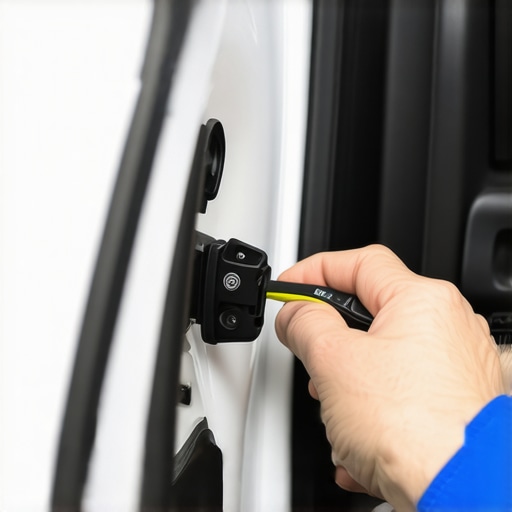
Ever been locked out of your own car? It hits differently when, after a long day, you realize the door won’t open from the outside, and you’re left fumbling with the inside handle, trying to find a solution. I know that feeling all too well. One afternoon, I found myself desperately trying to open my car door, only to realize that the latch mechanism had given up the ghost. That moment was a lightbulb moment for me—I had to learn how to fix it myself, or at least get to the bottom of the problem.
Why Your Car Door Won’t Open from the Outside and What You Can Do About It
Many car owners face the frustrating issue of the door only opening from the inside. It might seem like a minor inconvenience, but it can pose safety concerns, especially if you’re in an emergency or in a hurry. This problem often arises from a faulty external latch, a broken cable, or issues with the lock actuator. Understanding the root cause is the first step toward fixing it.
Is Fixing Your Car Door Worth the Trouble
I used to think it was a hassle to tackle this myself. Honestly, I feared that attempting repairs might make things worse or that I’d have to spend a fortune at the shop. Early on, I made the mistake of ignoring the issue until it got worse—don’t do what I did. Instead, understanding the mechanics can save you time and money. Plus, tackling this repair yourself can be surprisingly straightforward if you have the right guidance. For example, a well-executed repair not only restores functionality but also gives you confidence in handling minor car issues.
Knowing how your car’s door latch system works can seem intimidating, but with patience, it’s manageable. For accurate information on general auto repairs and maintenance, check out this comprehensive guide to keep your vehicle running smoothly. And if you’re uncertain at any point, reaching out for professional assistance through our contact page can ensure the job gets done correctly.
Ready to dive into the step-by-step process? Let’s turn that stubborn, stuck door into a thing of the past, starting with understanding the common causes and how to troubleshoot them effectively.
Disconnect the Battery Before Starting
Begin by disconnecting your car’s battery to avoid accidental electrical shorts or activating the lock mechanism unexpectedly. Remove the negative cable using a wrench, ensuring there’s no power running through the system.
Remove the Interior Door Panel
Carefully pry off the door panel with a trim tool, starting at the edges. Unscrew any bolts securing the panel, typically located behind plastic covers or in the armrest area. Once loose, gently lift it to access internal components.
Inspect the External Latch Mechanism
Locate the external latch inside the door. Check for any visible damage, corrosion, or disconnection. Use a flashlight to see if the latch is jammed or obstructed, and listen for any unusual sounds when operating the key or door handle.
Clean and Lubricate the Latch
If dirt or rust is present, spray a suitable lubricant like WD-40 onto the latch. Operate the handle and lock mechanism to distribute the lubricant evenly. Use a cloth to wipe away excess debris, which helps in restoring smooth movement.
Test the External Handle Linkage
Inside the door, locate the connecting rods or cables attached to the handle. Ensure they are properly connected and not broken. If a linkage is loose, reattach it securely using pliers. Replace any damaged cables to restore functionality.
Check the Lock Actuator and Wiring
Examine the wiring connected to the lock actuator for corrosion or disconnection. Use a multimeter to verify voltage at the connector; if there’s power but the lock doesn’t respond, consider replacing the actuator. For example, I once replaced a faulty actuator and successfully restored my lock’s operation.
Reassemble the Door Panel and Reconnect the Battery
Once all components are checked and repaired, carefully reattach the door panel, securing all screws and clips. Reconnect the negative terminal of the battery. Test the external handle, lock, and key to confirm proper operation.
Seek Professional Help if Needed
If these steps don’t resolve the issue, it might be time to consult a professional. Experts can diagnose hidden problems, like internal cable failures or electronic glitches, ensuring you avoid further damage. For reliable repair services, contact us or check our essential car service checks.
Many car owners believe that choosing the cheapest brake service or relying solely on generic auto repair advice guarantees the best outcome. However, these misconceptions can lead to costly mistakes and even compromise your safety. One common myth is that all brake pads are created equal; in reality, high-quality materials and proper installation are crucial for long-term performance, as emphasized in our detailed guide on how to select the best brake service in 2025. Furthermore, many overlook the importance of thorough inspection beyond just replacing pads—failing to assess rotors, calipers, and brake fluid can result in premature wear or complete system failure.
Contrary to popular belief, regular auto repair is not just about fixing issues but proactively maintaining your vehicle’s safety and efficiency. For example, neglecting transmission fluid condition or ignoring subtle signs of wear can cause significant mechanical problems down the line. Many mistakenly think that topping off fluids is enough; in fact, scheduled flushes and detailed inspections are essential, as outlined in our top transmission repair tips.
What most people get wrong is the assumption that all car repairs are straightforward and don’t require specialized knowledge or tools. This can be dangerous, especially with complex systems like transmission or collision repairs, where a small oversight can escalate into a major safety hazard. As mentioned in our comprehensive auto repair guide, trusting certified professionals ensures the job meets safety standards and prolongs your vehicle’s lifespan.
Here’s an advanced question for the savvy car owner: How do microscopic impurities in brake fluid affect braking performance over time? Studies reveal that contaminants like moisture or metal particles can compromise brake efficiency, especially under demanding conditions, leading to longer stopping distances or pedal pulsation. Regular testing and fluid replacement are crucial, which many overlook, resulting in what could be an unexpected failure during critical moments. You can explore more about maintaining optimal brake fluid condition in this detailed article.
Remember, understanding the nuances of vehicle maintenance isn’t just for mechanics. It empowers you to make informed decisions and avoid common pitfalls. Are you falling into these repair traps? Let me know in the comments and share your experiences. For tailored advice or professional service, don’t hesitate to reach out through our contact page. Proper maintenance isn’t just about safety—it’s about keeping your vehicle reliable for years to come.Maintaining your vehicle over the long term requires more than just basic knowledge; it hinges on having the right tools and adopting effective methods. Personally, I rely on a combination of professional-grade diagnostic software and quality manual tools to ensure precision and efficiency in every repair. For instance, I use an OBD-II scanner like the Autel Maxisys MS908S Pro, which provides deep insights into engine and transmission issues, allowing me to identify problems before they escalate. This device’s extensive compatibility and advanced features make it invaluable for DIY mechanics aiming for professional results. Additionally, I swear by a high-quality hydraulic lift, such as the BendPak HD-9, which offers a safe and stable platform for under-car inspections and repairs without the need for jacks and stands—which can be inconsistent and risky if not used properly. The investment in reliable equipment pays off by reducing repair time and preventing costly mistakes, especially when working on complex systems like the transmission or collision repairs. In the future, I predict that automotive diagnostics will increasingly incorporate AI-driven software, automating fault detection and even suggesting repair solutions, making maintenance more accessible and accurate for enthusiasts and professionals alike.
How do I maintain my tools and methods for lasting performance
Regular calibration of diagnostic devices is essential. I set reminders to update the software firmware and run self-tests monthly to ensure optimal operation. Cleanliness also plays a crucial role; keeping electrical contacts free of corrosion and tools lubricated with proper preservatives extend their lifespan and maintain accuracy. I also recommend documenting each repair process—this not only helps in diagnosing recurring issues but also builds a reference for future repairs, reducing guesswork. Moreover, aligning your repair techniques with manufacturer specifications, which you can often find in service manuals or trusted online guides, ensures that every component functions as intended. For example, when working on a transmission, adhering to the factory torque specifications for bolts prevents future problems like leaks or gear slipping. The key is consistent learning and investing in quality tools, which ultimately saves money and time. If you’re interested in deepening your knowledge, check out our comprehensive resources on essential car service checks. Don’t forget to regularly review and calibrate your diagnostic equipment to keep it functioning like new. As automotive technology continues to evolve rapidly, staying updated with the latest tools and maintenance tips becomes more important than ever. Ready to upgrade your toolkit? Try incorporating a professional-grade scanner into your routine—it’s a game-changer for proactive vehicle care.
What I Wish I Knew About Car Repairs Early On
One of the most valuable lessons I learned was to never underestimate the power of patience and proper tools. Rushing to fix my car door without understanding its mechanisms led to more problems and higher costs. Taking the time to research and gather the right equipment, like a quality diagnostic scanner, made all the difference in achieving lasting repairs.
Another insight was how small details, such as properly lubricating the latch and securing linkage cables, can prevent bigger issues down the line. These tiny adjustments have improved my confidence, turning frustrating moments into manageable DIY projects. It’s a reminder that paying attention to details is crucial in auto repair.
Tools and Tips That Changed My Approach
Having a reliable set of tools, like an advanced OBD-II scanner and a sturdy hydraulic lift, has transformed the way I maintain my vehicle. These investments, although initially costly, save time and reduce the need for professional interventions. I trust this resource for ongoing maintenance guidance, ensuring my vehicle stays in top condition.
Additionally, reading comprehensive manuals and trusted online guides has broadened my understanding. Regular calibration of diagnostic equipment and meticulous documentation help me track recurring issues and avoid guesswork, fostering a more systematic repair approach.
Keep Moving Forward with Confidence
The journey of auto repair is continuous, and each challenge offers an opportunity to learn. Whether it’s fixing a stubborn door latch or optimizing your vehicle’s overall health, embracing education and quality tools empowers you. Remember, every fix made yourself is a step toward mastering your car’s needs and enhancing safety.
So, are you ready to take on that project you’ve been postponing? With patience, the right tools, and a willingness to learn, you can turn your car-related frustrations into confidence-building successes. Happy repairing!