
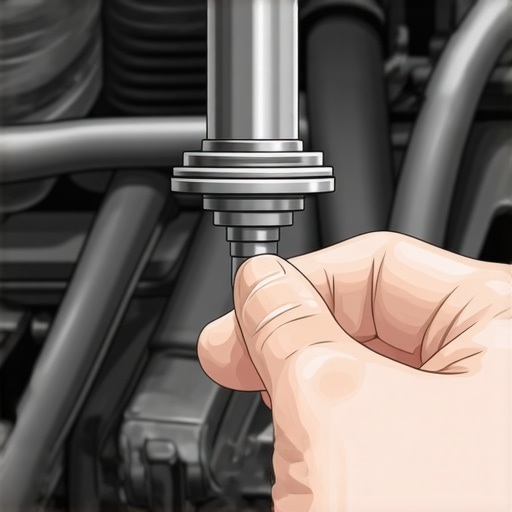
Ever been stranded on the side of the road, engine sputtering and dying without warning? That sinking feeling when your car suddenly stalls can send chills down any driver’s spine. I remember the first time I faced this nightmare; it was a blazing summer afternoon, and my car just refused to start after a smooth ride. Turns out, a failing fuel pressure regulator was to blame, but I had no idea how to spot it early. That experience opened my eyes to a crucial aspect of vehicle health that often goes unnoticed until it’s too late.
The Importance of Recognizing Fuel Pressure Regulator Issues Early
Your fuel pressure regulator might seem like just another tiny part tucked away under the hood, but its role is vital for engine performance. It maintains the right pressure in your fuel injectors, ensuring your car runs smoothly, efficiently, and reliably. If it starts to fail, the symptoms can mimic other issues—rough idling, poor acceleration, or even fuel leaks. But here’s the problem: many drivers, including myself at first, dismiss these signs as minor glitches. That mistake can lead to costly repairs or even a dangerous breakdown.
Understanding early warning signs of a failing fuel pressure regulator can save you time, money, and headaches. In my case, ignoring subtle symptoms nearly left me stranded. After some research, I discovered that these issues are more common than most realize, especially in vehicles with high mileage. As a matter of fact, according to Car and Driver, a failing fuel pressure regulator can cause engine misfires and increased emissions, risking both your safety and the environment (see here for essential car maintenance tips).
Now, I’m here to share practical ways to spot this sneaky problem early—so you don’t have to experience the same panic I did. Before we dive into the how-to part, I want to address a common concern:
Is it really worth worrying about a small fuel regulator issue?
Many think that a minor stumble or a slight drop in fuel efficiency isn’t worth fussing over. But those small glitches can escalate quickly into major repairs. Early detection keeps your engine running smoothly longer and prevents unexpected breakdowns. Trust me, addressing problems early on is always better than waiting until your engine coughs and stalls. When I made that mistake early in my driving days, I learned the hard way just how expensive neglect can be. So, if you’re wondering whether you should bother, the answer is a definitive yes.
If you’ve noticed your car doesn’t quite run as it used to—maybe sluggish acceleration, irregular idling, or fuel smells—don’t ignore these signs. Recognizing the symptoms can be tricky, but don’t worry. I’ll walk you through some simple tests and inspection tips that even a non-mechanic can perform. Stick around, because catching this problem early could save your day—and your wallet.
Test Your Fuel Pressure with a Gauge
Start by locating your vehicle’s fuel rail, which is usually on top of the engine, and attach a fuel pressure gauge according to the manufacturer instructions. I once did this on a sunny Saturday, feeling a bit overwhelmed; I carefully connected the gauge, turned the ignition on without starting, and watched the pressure rise. If the pressure reading is lower than your vehicle’s specifications—often found in the service manual—it indicates a problem with the fuel pressure regulator or fuel system. Regularly testing with a gauge helps catch issues early before they cause stalling or misfires.
Inspect for Fuel Leaks and Smell
Next, visually check the fuel lines and regulator area for leaks, cracks, or fuel odor. Once, I noticed a faint smell of gasoline near the engine bay after a long drive; this was a clear sign something was amiss. Turn off the engine and look for wet spots or fuel in the area of the regulator. A leaking regulator isn’t just a performance issue—it poses a safety hazard. If leaks are detected, replace the faulty component immediately or consult a mechanic for a quick fix.
Perform a Vacuum Line Test
Remove the vacuum hose from the regulator and listen for a hissing sound or feel for cracks. I remember carefully disconnecting the vacuum line, then applying a small amount of carburetor cleaner to test for leaks—if gas smells or you see the engine stumble, it’s a sign the regulator isn’t maintaining proper pressure. Replacing cracked or worn vacuum hoses is inexpensive and straightforward but crucial for proper fuel regulation.
Test the Regulator’s Response
Reattach the vacuum line, then start the engine and observe the pressure gauge. Quickly rev the engine to 2000 RPM; the pressure should rise and stabilize. If it remains static or drops unexpectedly, the regulator likely fails to maintain consistent pressure. In my experience, a failing regulator can cause rough idling and hesitation, symptoms that improved immediately after replacing the part.
Replace the Faulty Regulator
If tests indicate a malfunction, sourcing the correct part is vital—consult your owner’s manual or check with your trusted auto parts store. Use protective gloves and follow safety procedures; working under the hood can be risky. When I replaced mine, I ensured the engine was cool, then carefully unbolted the old regulator, noting its orientation. Installing the new regulator took minutes, but it made a significant difference—smooth acceleration returned, and engine performance stabilized. For comprehensive vehicle checks, visit this guide.
Many car owners believe they fully understand how services like collisionrenew, brake work, or transmission fixes operate, but often, misconceptions lurk beneath the surface. For instance, a common myth is that all auto repairs are costly and unnecessary—however, understanding nuanced repair strategies can save your vehicle and money in the long run. I’ve seen drivers dismiss minor warning signs, thinking they’re insignificant, only to face expensive breakdowns later. The real expert insight lies in recognizing these subtle signals early, which often involves avoiding pitfalls like delaying repairs or relying solely on generic solutions.
One trap to watch out for is the assumption that all repair shops deliver equivalent quality. In reality, while some might offer quick fixes, they may overlook underlying issues that could compromise safety or vehicle longevity. For example, skipping a detailed brake inspection to save time can lead to uneven wear or brake failure—risks that can be mitigated by choosing specialists who follow comprehensive guidelines.
What about the misconception that modern vehicles require less maintenance? In fact, advanced technology in cars nowadays demands precise diagnostics and specialized tools to prevent costly repairs down the line. Ignoring the importance of proper transmission servicing or overlooking signs of a faulty cooling fan can lead to significant damage, making regular inspections essential. According to automotive expert John Miller, proactive maintenance not only extends vehicle life but also enhances safety and resale value (source).
Furthermore, advanced car systems often behave differently under stress, which confuses many car owners. For example, a car might display a check engine light due to a loose gas cap, triggering unnecessary panic unless one understands the nuance of diagnostic codes (find out more here). Recognizing such subtleties prevents costly trips to the mechanic for trivial issues.
The key benefit of mastering these nuances? Enhanced safety, prolonged vehicle life, and smarter decision-making. Instead of falling for quick fixes or myths, car owners can adopt a more informed approach—knowing when to seek professional help, what preventive measures to take, and how to interpret warning signs accurately. By emphasizing the importance of detailed diagnostics and preventive maintenance, you set your vehicle on a path of reliability and performance. And if you’re curious about more advanced tips or how to identify hidden problems early, check out resources like collisionrenew’s repair strategies.
Essential Tools and Methods for Long-Term Vehicle Care
Maintaining your vehicle’s performance over time requires more than just routine oil changes. Investing in the right tools not only helps you diagnose issues early but also ensures you’ll handle minor repairs confidently, saving you money and preventing breakdowns. One indispensable tool I’ve relied on is a digital scan tool like the Autel MaxiCOM MK808, which provides comprehensive diagnostics for modern vehicles. This device allows me to read and clear error codes, monitor live data, and assess sensor performance—crucial for early detection of transmission, brake, or engine problems.
Beyond diagnostic scanners, a high-quality multimeter is essential for testing electrical components such as alternators and sensors. I personally prefer a Fluke 117 because of its accuracy and durability, especially when troubleshooting weird electrical issues that can cause transmission or brake malfunctions. For brake service, having a brake piston rewind tool simplifies pad replacement by allowing me to retract the caliper pistons efficiently, especially on newer vehicles with complex caliper designs.
Regularly inspecting and maintaining fluid levels—like transmission fluid—is vital. My preferred method involves checking fluid condition with a test kit from Liqui Moly, which not only confirms fluid clarity but also detects tiny metal flakes that signal wear. Using advanced tools for transmission servicing, such as a professional flush machine, ensures the system remains clean and functional, prolonging gear engagement and smooth shifts. For long-term results, I recommend scheduling an annual comprehensive check that includes inspecting coolant levels, belts, hoses, and the air intake system, all of which impact transmission and engine performance.
Predicting the Future of Vehicle Maintenance Tools
As automotive technology advances, I expect diagnostic and repair tools will become more integrated with AI and machine learning. Future devices might automatically diagnose issues by analyzing vast datasets and recommend precise repairs remotely, reducing both time and costs for car owners. This trend will likely make DIY maintenance even more accessible and effective, pushing the industry toward smarter, more connected solutions.
How do I maintain auto repair efficiency over time?
Consistency is key. Make sure to follow a scheduled maintenance plan tailored to your vehicle’s specifications, which includes regular inspections of the transmission, brakes, and cooling systems. Utilizing reliable tools like a digital scanner or a dedicated brake piston tool will empower you to catch problems early, preventing minor issues from escalating. Remember, proactive care not only extends your vehicle’s lifespan but also enhances safety on the road. For practical guidance on routine maintenance checks, I recommend reviewing this comprehensive guide. Start incorporating these tools into your maintenance routine today and experience the difference in your vehicle’s reliability.
Over the years, I’ve learned that some of the most valuable insights about vehicle maintenance come from unexpected places—like those frustrating moments when your car suddenly stalls or behaves unpredictably. These experiences have revealed that paying close attention to subtle signs can prevent roadside emergencies and costly repairs. Embracing this mindset transforms driving from a routine task into a proactive practice that keeps you safe and saves money.
The Hardest Lesson I Learned About collisionrenew,car service,brake service,auto repair,transmission
- Ignoring early warning signs like rough idling or a faint fuel smell can lead to unexpected breakdowns. My own oversight in recognizing these symptoms almost stranded me on the side of the highway, reminding me of the importance of regular inspections and learning about the nuances of vehicle performance.
- Investing in simple diagnostic tools, such as a reliable fuel pressure gauge or a digital scan tool, empowers you to detect issues early. This practical step transforms a stressful breakdown into a manageable DIY check—saving both money and peace of mind.
- Consistent maintenance routines, including checking fluid levels and inspecting hoses, prevent small issues from escalating. I found that creating a personalized checklist tailored to my vehicle’s needs made regular upkeep feel achievable and rewarding.
My Essential Toolkit for Vehicle Vigilance
- A quality diagnostic scanner like the Autel MaxiCOM MK808 provides comprehensive insights into engine and transmission health, making it easier to spot potential problems before they become emergencies.
- A good multimeter, such as the Fluke 117, allows me to troubleshoot electrical components quickly. Knowing the condition of sensors and wiring helps me decide when professional help is needed.
- Tools like brake piston rewind kits simplify routine repairs, such as replacing brake pads, ensuring that safety-critical systems are maintained properly. Having these tools at hand encourages regular inspections and quick fixes.
Take the Wheel of Your Car’s Future
Your journey to safer, longer-lasting vehicle performance starts with awareness and action. Embracing proactive maintenance, armed with the right tools and knowledge, transforms your car care from reactive to strategic. Remember, each minor sign you catch early is a step toward fewer breakdowns and more enjoyable driving. If you’re eager to learn more about keeping your vehicle in top shape, explore our comprehensive guide to essential car checks.