
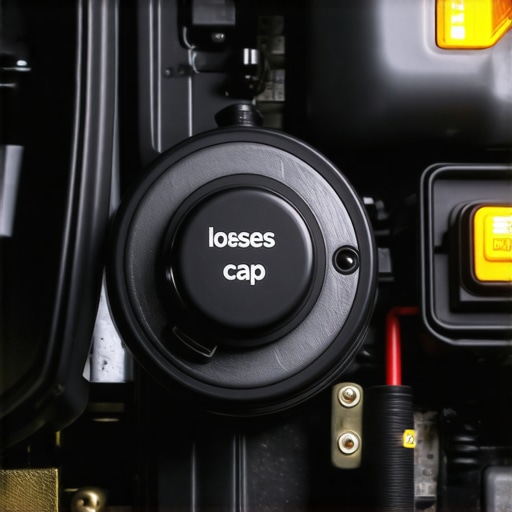
Ever been staring at that pesky check engine light on your dashboard, feeling the heat of frustration rise because you have no idea what’s wrong? I remember the moment well. It was a chilly Tuesday morning, and as I started my car, that familiar warning suddenly flickered on. Panic? Nope, just a sudden dash of curiosity mixed with slight annoyance. I was convinced it was a serious engine problem after hearing that faint rumble during my last drive. But surprisingly, often the culprit isn’t a mechanical catastrophe—it’s something surprisingly simple and overlooked: a loose gas cap.
What a Tiny Gas Cap Can Do to Your Car’s Brain
Why You Should Care About Your Gas Cap
It might sound trivial, but a loose or damaged gas cap is actually one of the most common reasons your check engine light comes on. According to experts at the EPA, over 30% of check engine alerts are related to fuel system leaks, many of which involve the gas cap not sealing properly. That tiny cap, designed to keep the fuel system airtight, plays a crucial role in your car’s emission control system. When it’s loose or faulty, it disrupts the system’s balance, prompting the onboard computer to throw a warning.
Back in my early days of car ownership, I made the mistake of dismissing a loose gas cap as insignificant. I thought, ‘It’s just a cap,’ and ignored it. Little did I realize, that oversight could cause fueling issues and even reduce fuel efficiency. It took me a few days of driving with the warning light on before I finally tightened the cap—only to see the warning turn off after a few ignition cycles. That was my lightbulb moment: sometimes, the fix is as simple as securing a cap.
Now, I’m not here to tell you to ignore the problem. Instead, I want to show you how understanding the role of your gas cap can save you time, money, and unnecessary worry. We’ll dive into how to identify if your gas cap is causing the warning and what steps to take for a proper fix. Ready to learn the secrets behind that blinking light? Let’s get started.
Locate and Inspect Your Gas Cap
Start by opening your vehicle’s fuel door and carefully removing the gas cap. Check for any visible signs of damage like cracks, warping, or corrosion. If the cap appears damaged, replacing it is essential. Remember, a damaged cap can’t provide a proper seal, which might trigger the warning light.
Properly Tighten or Replace the Gas Cap
If the cap is in good condition but just loose, screw it on clockwise until you hear a click, indicating it’s sealed correctly. Be firm but gentle—over-tightening can cause damage. If the cap doesn’t turn smoothly or doesn’t click, it’s time for a new one. When replacing, ensure you’re getting the exact match for your vehicle model. For tips on maintaining your vehicle’s transmission and avoiding related issues, check these transmission tips.
Clear the Error Code
After securing the cap, start your engine and observe the dashboard. Wait a few minutes for the vehicle to run the self-diagnostic. If the check engine light remains on, you’ll need to reset the code. You can do this with an OBD-II scanner, which is available at most auto parts stores. Alternatively, many vehicles will reset the light after a few drive cycles, but using a scanner provides immediate confirmation.
Use an OBD-II Scanner for Confirmation
Plug the scanner into the vehicle’s diagnostic port, usually located under the steering column. Follow the device prompts to read and clear any error codes related to the fuel system. If the error persists, recheck the gas cap for proper sealing. Persistent warnings might indicate other issues, such as vapor leak sensors or fuel system problems. For comprehensive vehicle maintenance, explore these essential checks.
Test Drive and Verify
Take your vehicle for a brief test drive, ideally around the block or on local streets. Keep an eye on the dashboard for any recurrence of the warning light. If it stays off, you’ve successfully resolved the issue. If it returns, it’s worth scheduling a professional inspection to identify less obvious problems. Remember, regular maintenance like inspecting your brake system or alignment can prevent other warning signs. Learn more at our repair strategies.
When it comes to brake service and auto repairs, many car owners rely on conventional wisdom that’s often outdated or oversimplified. A common misconception is that any mechanic who offers a cheaper price is automatically performing subpar work. However, in my experience, cost can sometimes reflect efficiency and modern diagnostic tools, which can save you money in the long run. Another myth is that brake pads should always be replaced at the first sign of wear; in reality, some pads are designed to tolerate significant wear levels, and a professional inspection can reveal if you’re risking unnecessary replacements.
Why do so many threaten to ignore the subtle signals that your car gives you? Do you know the difference between a simple annoyance and an impending failure? Let’s dig deeper.
One frequent mistake I’ve seen involves neglecting the importance of transmission fluid quality. Many think topping off the fluid is sufficient, but old, contaminated fluid can impair shifting and cause long-term damage. A study by J.D. Power highlights that failing to address transmission issues early can lead to costly repairs or replacement — so don’t dismiss that slipping gear as just ‘normal.’ Instead, consider regular [transmission maintenance tips](https://collisionrenew.com/top-transmission-repair-tips-for-long-term-vehicle-reliability) to avoid surprises.
Another area often misunderstood is the significance of subtle vibration or noise from your brakes. Many drivers ignore these signs, assuming they are harmless, but these can be early indicators of warped rotors or caliper issues. If left unattended, they escalate into serious safety hazards. The nuance here is understanding that not all vibrations require immediate rotor replacement; sometimes, a light machining suffices. Recognizing these signs early means safer driving and less expensive repairs.
Are you aware of how advanced diagnostic tools can reveal issues before noticeable symptoms appear? This is especially relevant for those who value precision. Here’s where professional inspections offer an edge over DIY solutions or quick-fix scams.
Beyond mechanical nuances, I find that the myth of ‘DIY fixes’ often leads to more harm than good. While some repairs are straightforward, attempting complex procedures like caliper rebuilds or hydraulic system repairs without proper training can turn minor issues into major failures. For instance, improper bleeding of brake lines can introduce air bubbles, reducing braking efficiency and risking accidents. Professional [car service checks](https://collisionrenew.com/essential-car-service-checks-to-extend-your-vehicles-life) ensure these issues are addressed with precision and safety.
Finally, understanding the importance of proactive inspection over reactive repairs preserves your vehicle’s lifespan. Many owners wait until warning lights are glaring or performance drops significantly, but early diagnostics can prevent costly breakdowns. This proactive approach is especially critical in adopting newer technologies such as electronic braking systems or adaptive transmissions, where specialized knowledge is essential.
Had you ever fallen into these common traps? Let me know in the comments below. Remember, the key to smarter auto maintenance is awareness of these hidden nuances. Instead of falling for myths, invest in regular professional assessments—your car will thank you.
Investing in the Right Equipment Makes All the Difference
Maintaining your vehicle’s critical systems like brakes and transmission requires more than just a good mechanic — it demands the right tools and software. Personally, I rely on a high-quality OBD-II scanner such as the Autel MaxiCOM MK808. Its advanced diagnostics capabilities allow me to identify potential issues early, saving time and money rather than waiting for a warning light to become a full-blown problem. Unlike cheaper models, this scanner provides comprehensive live data, including transmission temperature readings and brake system statuses, which are crucial for accurate assessments.
Beyond scanning tools, I also incorporate proper maintenance procedures, like regularly checking fluid levels with a precise digital dipstick kit. This ensures consistency and accuracy over traditional manual methods. Keep in mind, these investments are not just for emergencies; they help you develop a preventative approach to vehicle care.
Looking ahead, I predict that emerging wireless diagnostic tools and AI-powered maintenance apps will revolutionize auto repair. IoT-connected sensors will continuously monitor vital components — from brake rotors to transmission fluid quality — alerting you via smartphone before a minor issue becomes costly.
How do I keep my brake and transmission systems performing long-term?
Regularly schedule professional inspections that incorporate advanced diagnostic tools. Experts recommend annual checks with tools like state-of-the-art diagnostic software, which can pinpoint issues with precision. Additionally, tracking fluid data — including color, viscosity, and temperature — helps prevent wear and tear. For example, the popping sounds while turning often indicate caliper or bearing issues that are best caught early.
Don’t forget to keep a log of service intervals and diagnostic results. This habit enables you to notice patterns indicating when parts are nearing the end of their lifespan, facilitating proactive maintenance rather than reactive repairs. Whether you’re a DIY enthusiast or prefer a professional touch, integrating these tools and practices will ensure your vehicle remains safe, reliable, and efficient for years to come.
Uncovering Hidden Lessons That Changed My Approach to Car Care
One of the most valuable insights I’ve gained is that often, the simplest fix—like tightening a gas cap—can save you money and stress, a lesson that reminded me never to overlook small details. Additionally, I learned that trusting high-quality diagnostic tools early on can prevent minor issues from escalating into costly repairs, saving both time and money. Another revelation was understanding that regular professional inspections using advanced technology catch subtle problems before they become emergencies, emphasizing the importance of proactive maintenance over reactive repairs. These lightbulb moments transformed how I approach vehicle care, making me more vigilant and informed, which ultimately keeps my car running smoothly and safely.
Tools and Resources That Keep My Vehicle in Top Shape
For anyone serious about maintaining their vehicle, investing in a reliable OBD-II scanner like the Autel MaxiCOM MK808 has been a game-changer. Its comprehensive diagnostics help me identify issues early, avoiding unforeseen breakdowns. I also trust top-tier transmission maintenance tips from experts, which guide my regular checkups. Additionally, consulting trustworthy recent reads such as articles on subtle warning signs helps me stay updated on the latest in auto care. Combining these tools and knowledge ensures my car remains reliable for years to come.
The Drive Toward Smarter Car Maintenance Is Yours to Take
Taking control of your vehicle’s health isn’t just about fixing problems—it’s about embracing a mindset of proactive care. With the right tools and a curious, diligent attitude, you can prevent many issues from becoming emergencies. Remember, a well-maintained car isn’t just safer; it’s more economical and enjoyable to drive. So, why wait for warning lights to turn red? Start exploring professional diagnostics, keep detailed maintenance logs, and stay curious about your car’s subtle signals. Your vehicle can serve you better and last longer if you’re willing to gear up with knowledge and initiative. Ready to take that first step toward smarter auto care? Your car—and your wallet—will thank you for it.