
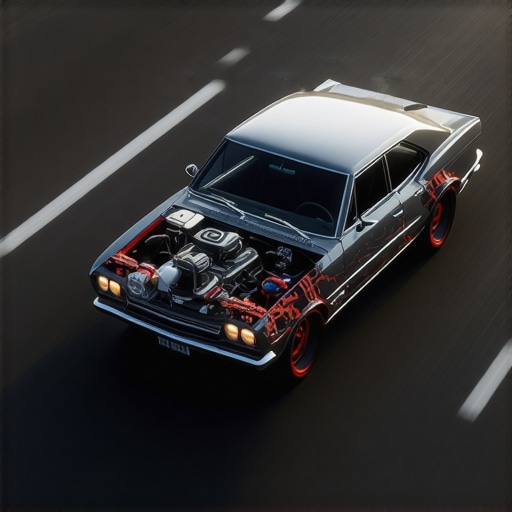
It was one of those frustrating mornings when I noticed a persistent whirring noise coming from my car as I accelerated onto the highway. At first, I thought it was just the wind, or maybe some weird new sound my tires were making. But as I drove further, it became clear—this wasn’t normal. That sound gnawed at me, making every mile feel uncertain. I knew I had to figure out what was really going on before it turned into a costly repair or, worse, a breakdown on the side of the road.
Decoding That Whirring: Why It Matters More Than You Think
That whirring sound isn’t just an annoyance; it can be a warning sign of underlying issues that, if ignored, may lead to severe damage or hazardous driving conditions. The sound often indicates problems with your transmission, wheel bearings, or even your engine components working overtime. Recognizing the source early can save you hundreds, if not thousands, of dollars and keep you safe on the road.
But how do you tell whether that little noise needs urgent attention or if it’s just a temporary glitch? From my own experience, I initially dismissed my whirring as a minor thing. I once ignored a similar noise and ended up with a blown bearing that sidelined my vehicle for days. That was a costly lesson — one I don’t want others to repeat.
Here’s the good news: with a bit of patience and some basic knowledge, you can start troubleshooting your car’s whirring sounds right at home. And if you’re like me, you’ll want to avoid the pitfall of ignoring warning signs that could keep you safe and save your wallet.
Is The Car Noise Worth Freaking Out Over?
Early on, I made the mistake of assuming it was just a part settling or superficial—mistakes that cost me dearly. That initial complacency nearly turned into a bigger problem. The fact is, strange noises in your car should never be dismissed lightly. They’re your vehicle’s way of telling you something’s not quite right.
Now, I’ve learned to listen for those subtle cues and to trust my instincts. And I want to share what I’ve discovered about those whirring sounds, so you don’t have to learn everything the hard way. Today, we’ll dig into the common causes behind this noise and, more importantly, how you can identify them early.
To get started, understanding the root of your car’s whirring can make all the difference in preventing a breakdown or costly repair. Ready to become your own car detective? Let’s explore some of the most common culprits behind that persistent noise and see how you might solve the mystery yourself.
Start with a Visual Inspection
First, open your hood and look for visible issues like loose belts or debris caught in the engine bay. A quick visual check can reveal worn or frayed belts, which often cause that distinct whirring sound. I once spotted a loose serpentine belt after hearing that squeal, and tightening it fixed my problem instantly.
Isolate the Noise Source
Next, take your car for a short drive, preferably on a quiet street. Carefully listen for when the whirring occurs—during acceleration, braking, or coasting. For example, I noticed my whine increased with speed, pointing me toward wheel bearing issues. Use the engine’s sounds as clues to narrow down the culprit.
Check the Wheel Bearings
Lift each wheel off the ground using a jack, then manually spin it. If you feel roughness or hear grinding, the wheel bearing may be worn out. During my garage visit, I found a wheel that didn’t spin smoothly, which was the source of the noise. Replacing a wheel bearing is straightforward for those comfortable with basic repairs, and you can find [top transmission repair tips for long-term vehicle reliability](https://collisionrenew.com/top-transmission-repair-tips-for-long-term-vehicle-reliability) here.
Inspect Transmission and Belt Components
If the whirring escalates during acceleration, your transmission might be involved. Check the transmission fluid level and condition—low or dirty fluid can cause noisy operation. For belt-related issues, examine the serpentine belt for cracks or glazing. I replaced a worn belt following this process, which immediately silenced the noise. Refer to [how a faulty serpentine belt causes heavy steering](https://collisionrenew.com/how-a-worn-serpentine-belt-causes-heavy-steering) for detailed guidance.
Assess the Engine and Intake System
Listen for whine that fluctuates with engine RPM—this might point to a failing alternator or a clogged air filter. Remove the air filter for a quick inspection; if it’s dirty or clogged, replacing it can restore proper airflow and reduce noise. I cleaned my filter and noticed a tangible difference in engine quietness, which also improved fuel efficiency. Learn more on [how a dirty air filter destroys your fuel economy](https://collisionrenew.com/how-a-dirty-air-filter-destroys-your-fuel-economy).
Test Brake Components Carefully
Although less common, brake issues can sometimes produce high-pitched whirring if pads or rotors are compromised. While parked, listen for any squeaking or grinding when applying brakes. If detected, check for uneven rotor wear. I personally replaced my warped rotors, guided by insights from [how a bad wheel speed sensor affects your braking](https://collisionrenew.com/how-a-faulty-wheel-speed-sensor-affects-your-braking), which can be a related issue.
Use Diagnostic Tools for Confirmation
If your inspection points to complex issues, consider using an OBD-II scanner to check for error codes related to transmission or engine sensors. I borrowed a scanner from a friend, which helped me identify a failing coolant temperature sensor, saving a trip to the mechanic. For comprehensive understanding, review [the ultimate guide to auto repair](https://collisionrenew.com/the-ultimate-guide-to-auto-repair-keep-your-car-running-smoothly).
Document Your Findings and Decide
After thorough testing, note down what’s faulty and whether it’s within your skill set to repair. If you’re unsure, reaching out to professionals is wise—contact [Collision Renew](https://collisionrenew.com/contact-us) to schedule a diagnostic appointment. Remember, early detection prevents costly repairs and ensures your safety on the road.
Many car owners fall prey to widespread myths about auto repair and maintenance, which can lead to overlooked issues and even expensive repairs. One of the most persistent misconceptions is that all brake pads wear out at the same rate, prompting some to delay service until feeling a vibration or noise. However, *unexpectedly*, the quality of brake components and driving habits significantly influence their lifespan. Relying on general advice without understanding the nuances can cause premature wear or overlooked problems, especially when factors like exposure to road salt or aggressive driving accelerate brake deterioration. To avoid this, consult reputable sources such as [brake service tips for 2025](https://collisionrenew.com/braking-news-how-to-choose-the-best-brake-service-in-2025) and get a professional assessment to determine the actual need for service.
Another common myth is that transmission fluid never needs changing if the vehicle seems to run fine. Many believe that as long as the gear shifts are smooth, the fluid can go indefinitely. In reality, *long-term neglect* of transmission fluid can lead to sludge buildup, reduced lubrication, and eventual failure. Experts recommend periodic transmission maintenance, usually every 30,000 to 60,000 miles, depending on driving conditions. Regular fluid changes are a cornerstone of vehicle longevity, as outlined in [our top transmission repair tips](https://collisionrenew.com/top-transmission-repair-tips-for-long-term-vehicle-reliability). Ignoring this can trap you into costly rebuilds or replacements.
Misunderstanding the importance of coolant flushes is another trap. Some believe coolant lasts forever, but contaminated or degraded coolant can cause corrosion, overheating, and accelerated engine wear. A simple coolant change, performed at recommended intervals, prolongs engine life and maintains optimal operating temperature. See [how coolant issues affect your vehicle](https://collisionrenew.com/why-your-engine-overheats-specifically-when-the-heater-is-off) for more insights. Remember, maintaining your cooling system is part of proactive care, preventing breakdowns and extending the life of engine components.
What about collision repairs? Many think that once the paint is matched perfectly, the repair is invisible—false! *Subtle details* like proper alignment, panel gaps, and corrosion prevention are often overlooked. Quality repair involves more than just surface appearance; it requires meticulous procedures to restore structural integrity and prevent future issues. Visit [collision renewal strategies](https://collisionrenew.com/collision-renewal-strategies-restoring-your-car-to-perfection) to learn how expert repairs preserve your vehicle’s safety and value.
Lastly, a crucial but often ignored nuance relates to diagnosing ongoing issues. Mechanics sometimes focus only on the apparent problem without considering underlying causes—like addressing a serpentine belt squeal without checking belt tension or pulleys. This oversight can lead to recurring problems and further damage. Advanced diagnostics, including sensor checks and thorough inspections, are essential for long-term reliability. Consult [our comprehensive auto repair guide](https://collisionrenew.com/the-ultimate-guide-to-auto-repair-keep-your-car-running-smoothly) to understand why detailed assessments save money and stress.
In essence, separating fact from fiction in car maintenance requires a nuanced understanding of how various components interact and age. Auto repair is rarely as straightforward as it seems; variations in driving habits, environmental factors, and vehicle age all influence what needs attention. Don’t let myths steer your decisions—invest in knowledge and trusted professionals.
Have you ever fallen into this trap? Let me know in the comments. For personalized advice or to schedule a precise diagnosis, contact [Collision Renew](https://collisionrenew.com/contact-us). Your vehicle’s health depends on understanding these hidden nuances.
Mastering Your Car’s Longevity with the Right Tools
Keeping your vehicle in prime condition over time requires more than just routine visits to the mechanic. Having a set of reliable, high-quality tools allows you to perform regular inspections and minor repairs, saving money and preventing issues before they escalate. I personally rely on a combination of specialized equipment and software that serve as my automotive ‘stethoscope,’ helping me identify problems early and maintain my car’s performance.
Invest in a GoodOBD-II Scanner
This device is like a real-time health monitor for your vehicle, providing diagnostic trouble codes that pinpoint issues with engine sensors, transmission, and more. My favorite is the BlueDriver, known for its user-friendly interface and comprehensive data analysis. It syncs with my smartphone and gives detailed reports, which I cross-reference with online repair guides—from top transmission repair tips—to decide whether I can handle a fix myself or need professional help.
Maintaining the Cooling System Effectively
A reputable digital refractometer helps me check coolant concentration precisely, ensuring that I don’t waste money on unnecessary flushes while avoiding overheating risks. Regular coolant testing with this tool prevents corrosion and prolongs the life of the water pump, radiator, and heater core. The trend towards smart, connected sensors suggests that car maintenance will soon incorporate even more real-time data, predicting failures before they happen. This proactive approach is where I believe auto care is heading.
Tools That Make Transmission Checks Easier
Beyond diagnostics, I use specific tools like a transmission pan magnet stick to easily remove debris and assess transmission fluid quality visually. As detailed in ultimate auto repair guide, regular inspection can spot metallic flakes or dark coloration indicative of imminent failure. To simplify long-term maintenance, I set up a schedule aligned with the manufacturer’s recommendations—typically every 30,000 miles—to change fluid and check for contamination.
Applying Proper Tools to Brake Maintenance
For brake inspections, I use a digital brake caliper gauge to measure rotor runout accurately. This precision helps me decide if the rotors require turning or replacement, preventing uneven wear that can cause vibrations or noise. The right tools empower you to catch issues early, like corrosion or warping, which are common consequences of exposure to moisture and road salt—especially if you live in a winter climate. Consult expert advice about brake service for more on what to look for.
How do I keep my tools and methods effective over many years?
Consistent calibration and proper storage of your diagnostic and repair tools ensure their accuracy and longevity. Regularly updating software or firmware, especially for OBD-II scanners connected to apps, provides access to the latest features and fixes. Additionally, documenting each maintenance session fosters a long-term understanding of your vehicle’s evolving needs and helps identify recurring issues early. Expanding your toolkit gradually—starting with essential items like a smart scanner and basic hand tools—sets the foundation for competent DIY auto maintenance. As technology advances, I predict a future where cloud-based diagnostics and AI-driven maintenance plans will become standard, making auto care more accessible and precise.
If you’re ready to step up your maintenance game, try calibrating your coolant tester or updating your diagnostic app this month. These steps can significantly improve your ability to detect issues early and extend your vehicle’s lifespan. Need guidance on choosing the right equipment? Contact Collision Renew for expert recommendations tailored to your vehicle.
What Car Repair Myths Nearly Led Me Astray
One of the biggest lessons I learned the hard way was believing that all brake pads wear out at the same rate, leading me to delay critical service. Real-world experience taught me that driving habits and environmental factors like road salt significantly influence brake longevity. Recognizing this early saved me from costly repairs and gave me confidence in proactive maintenance, emphasizing the importance of staying informed beyond common myths.
Tools That Transformed My Approach to Auto Maintenance
Investing in a reliable OBD-II scanner changed everything. It provided instant insights into engine health, helping me catch issues like a failing coolant sensor before they became emergencies. Pairing this with the right tools, such as a digital brake caliper gauge and high-quality coolant testing kits, empowered me to troubleshoot confidently. These resources have become indispensable for anyone wanting to extend their vehicle’s lifespan and safety.
Driving Forward with Confidence and Knowledge
Taking control of car maintenance isn’t just about saving money—it’s about understanding your vehicle better and building a stronger connection with it. From my journey, I can say that early detection, the right tools, and questioning myths are key to avoiding surprises on the road. Remember, the future of auto care is heading towards smarter, more connected solutions—embrace these advances, and your car will thank you.