
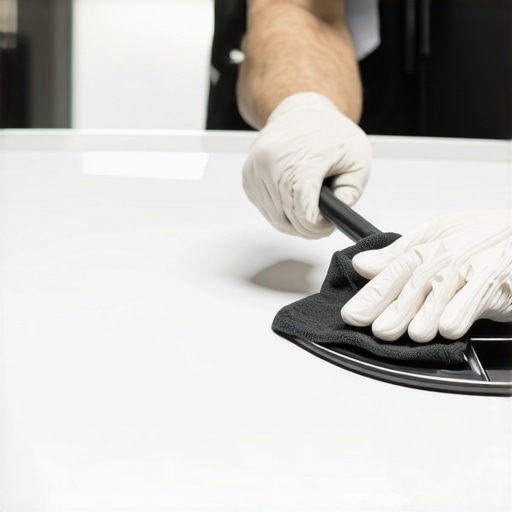
I remember the day vividly. I was pulling into my driveway after a long day, only to notice tiny, jagged scratches marring the pristine shine of my car’s clear coat—caused by an innocent-looking tree branch brushing past as I parked. That sting of disappointment hit hard; I’d just paid for a professional detailing, and now this. It’s such a frustrating experience, especially when those minor scratches seem to ruin the entire look of an otherwise flawless vehicle.
Why Tree Branch Scratches Can Seriously Spoil Your Car’s Appearance
Those little scratches might seem insignificant at first, but over time, they can lead to more serious issues if not addressed promptly. The clear coat acts as a protective barrier for your vehicle’s paint, shielding it from environmental elements and minor abrasions. When scratches penetrate this layer, moisture and dirt can seep in, accelerating oxidation and paint deterioration. This is why tackling those scratches early is crucial—not just for aesthetics, but for your car’s overall health. Personally, I learned this the hard way, making the mistake early on of ignoring minor damage, which eventually cost me more in repairs. For comprehensive strategies, check out CollisionRenew’s restoration strategies.
Is Repairing Tree Branch Scratches Truly Worth the Effort
Trust me, I was skeptical at first. Would a simple polish or touch-up really do the trick? I thought, “It’s just a tiny scratch. Do I really need professional help?” Well, my mistake was underestimating the damage. Early on, I tried DIY fixes with kits from the auto parts store, and frankly, they made things worse—leaving uneven patches that looked even more conspicuous. That’s when I realized that proper repair—like CollisionRenew’s innovative approach—can save you from costly repainting later. If you’ve faced similar doubts, make sure to explore why professional repair is often the better choice.
Assess the Damage Immediately
Start by examining the scratches closely. Use a bright flashlight to inspect if the damage has penetrated the clear coat or gone deeper into the paint. I remember pulling out my phone flashlight and scrutinizing the tiny lines on my hood. If the scratches are only in the clear coat, you can often repair them yourself before they worsen.
Gather the Right Tools and Materials
Prepare a microfiber cloth, automotive scratch remover compound, rubbing alcohol, masking tape, and optionally, polishing compound. When I fixed my car, I made sure to clean the area thoroughly with rubbing alcohol to remove dirt and oils that could interfere with the repair. Investing in quality products like CollisionRenew’s repair kits can make a huge difference in finish and durability.
Clean and Prepare the Surface
Wash the scratched area with car wash soap and water, then dry it completely. Use masking tape to cover the areas surrounding the scratch to avoid accidental damage. I learned this the hard way when I overlapped tape onto my windshield and had to redo the whole process. Proper cleaning ensures the repair product bonds effectively.
Apply the Scratch Removal Compound
Apply a small amount of the compound onto the microfiber cloth and gently rub it into the scratch using a circular motion. Keep applying with light pressure—pressing too hard can worsen the damage. I used a gentle, consistent motion, almost like polishing a precious gemstone, which yielded smoother results. For deeper scratches, repeat the process until the area feels smooth to the touch.
Polish and Finish
Once the scratch is minimized, use a clean microfiber cloth to buff the area with a polishing compound, restoring the shine. This step restores the gloss to your vehicle’s surface, making the repair less noticeable. I also applied a sealant afterward to safeguard the area from future damage, akin to applying a protective coat to new paint.
Consider Professional Help for Deep Damage
If the scratches breach the clear coat and reach the paint layer or primer, DIY fixes might only mask the problem temporarily. In that case, booking an appointment with CollisionRenew’s expert team can save you time and money in the long run, especially if you want a seamless, factory-quality finish. For more insights on restoring your car’s original look, visit CollisionRenew’s restoration strategies.
 Many car owners believe they understand their vehicle’s needs, but often, widespread misconceptions can lead to costly mistakes. For instance, there’s a common myth that using cheap, generic parts for brake repairs is perfectly fine. In reality, subpar components can cause uneven wear and compromise safety, making professional-grade parts essential for longevity and reliability. Additionally, some assume that transmission fluid never needs changing unless there’s a visible problem. However, as highlighted in expert guides such as top transmission repair tips, regular fluid service prevents buildup and wear that can cause severe transmission failure over time. One hidden trap is neglecting early signs of brake rotor warping, which many dismiss as normal noise; this oversight can accelerate brake system deterioration. Have you ever fallen into this trap? Let me know in the comments. Advanced owners might wonder why overly frequent repairs still fail to resolve issues. The answer often lies in overlooking subtle system interactions—like the impact of a faulty wheel speed sensor affecting ABS performance. For high-level insights on such interconnected systems, visit how collision renewal improves complex car damage. Recognizing that not all auto problems are purely mechanical but sometimes rooted in overlooked nuances can significantly enhance your vehicle’s durability. For comprehensive maintenance strategies that respect these complexities, check out the ultimate guide to auto repair. Remember, staying informed about these hidden details empowers you to make smarter decisions and avoid costly pitfalls in vehicle care.Maintaining your vehicle’s performance isn’t just about quick fixes—it’s about investing in the right tools and adopting proven methods that ensure reliability over time. Personally, I rely on a collection of specialized equipment to handle routine maintenance and address unexpected issues swiftly. For instance, a high-qualityOBD-II scanner like the Autel MaxiCOM MK808 provides comprehensive diagnostic readings, enabling me to identify underlying problems before they escalate. I’ve found that using a digital torque wrench ensures that bolts—especially critical ones in suspension and brakes—are tightened precisely to manufacturer specifications, preventing future issues. Selecting the right tools means saving money and avoiding the frustration of recurring repairs, a lesson I learned after many DIY attempts that went wrong due to subpar equipment.
When it comes to software, I recommend integrating maintenance tracking apps like Car Minder Plus. These applications help keep a detailed log of oil changes, fluid flushes, and part replacements, allowing me to plan proactive service intervals. This approach aligns with the advice in CollisionRenew’s guide to essential car checks, which emphasizes that regular inspections extend vehicle lifespan and preserve value.
Looking ahead, I believe the future of auto maintenance will heavily lean on smart diagnostics and predictive analytics. Imagine a vehicle system that alerts you of impending failures based on sensor data, much like how Tesla’s vehicles provide proactive maintenance alerts. As technology evolves, staying updated with these innovations will be crucial. For now, however, mastering the tools available today—such as my trusted diagnostic scanner and torque wrench—can drastically improve your car’s longevity.
**How do I maintain optimal vehicle performance over time**? Regularly scheduled checks, combined with the right tools, keep minor issues from snowballing into costly repairs. I also suggest subscribing to authoritative resources and forums, such as CollisionRenew’s contact page, to stay informed about the latest maintenance tips and service advisories.
If you’re serious about pushing your vehicle’s durability to the next level, try calibrating your sensors regularly with a precision tool—like the [how-collisionrenew-calibrates-your-blind-spot-sensors](https://collisionrenew.com/how-collisionrenew-calibrates-your-blind-spot-sensors)—to prevent system errors and ensure safety features function correctly. This small step can save you from hefty repairs down the line and keep your driving experience smooth and secure.
What Small Mishaps Taught Me About Long-Term Vehicle Health
One of the most eye-opening experiences I had was realizing that minor scratches, like those from a stray tree branch, can lead to major headaches later. Addressing these imperfections early not only preserves your car’s appearance but also prevents more costly repairs down the line. It made me appreciate the value of proactive maintenance and understanding the intricacies of your vehicle’s protective layers, as detailed in CollisionRenew’s repair strategies.
How I Discovered the Power of Proper Tools and Tips
Initially, I thought DIY kits would suffice, but I learned that quality tools and knowledge are essential. Using a reliable scratch remover compound and buffing correctly can make a significant difference, as explained in CollisionRenew’s maintenance checklist. These lessons taught me that patience and the right methods can save money and maintain your vehicle’s value, avoiding the temptation of quick fixes that often backfire.
The Hidden Risks of Ignoring Small Damage
By neglecting minor scratches, I unknowingly risked exposing my car to moisture and dirt, accelerating corrosion. This realization pushed me to adopt a routine of quick inspections and timely repairs, following expert advice from collision renewal tips. Mentoring myself to see these small damages as signals rather than issues helped me extend my vehicle’s lifespan and keep it running smoothly.
The Insight That Changed My Approach to Car Care
Understanding that each scratch or dent is a learning opportunity transformed my vehicle maintenance. It’s not just about fixing the exterior but about grasping the deeper mechanics, maintenance practices, and system interconnections. For comprehensive guidance, I constantly revisit the ultimate auto repair guide. This mindset shift empowers me to keep my car in top shape and avoid costly repairs in the future.
What’s the Biggest Lesson You’ve Learned From Your Car Repairs?
Sharing my experiences, I hope you find inspiration to view minor scratches as opportunities for proactive care. Remember, small improvements can lead to significant savings and a longer-lasting vehicle. Have you ever overlooked a tiny detail that turned into a bigger problem? Let me know your stories below, and let’s support each other in making smarter car care choices.