
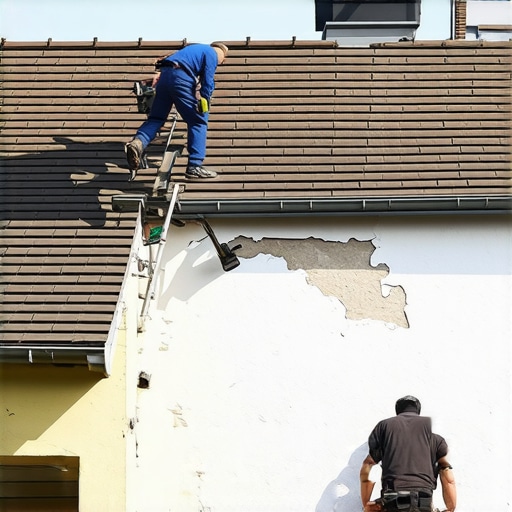
It was a warm Saturday afternoon when I finally looked up at my roof and noticed the peeling paint. Not a small chip, but large patches that looked like they’d been through a blender. At first, I thought about ignoring it, figuring it was just cosmetic. But deep down, I knew letting it go could mean bigger issues down the line. That was my lightbulb moment—realizing that paint peeling isn’t just about appearance; it can signal underlying problems that, if unaddressed, might cost me a lot more in repairs.
Restoring Your Roof’s Beauty and Integrity: The Collisionrenew Difference
Paint peeling from your roof isn’t merely a visual annoyance. It’s an early warning sign that moisture might be sneaking in, leading to structural damage or mold growth. Early intervention can save you thousands and keep your home safe and beautiful. That’s where Collisionrenew comes into play. With their specialized roof repair solutions, they don’t just mask the problem—they restore the surface, strengthen the structure, and make sure your roof can withstand the test of time. I’ll walk you through what makes Collisionrenew’s approach stand out and how you can benefit from their expertise.
Is Fixing Roof Paint Damage Really Worth the Effort and Expense?
I admit, I was skeptical at first. Repairing a roof seemed like a costly and complicated affair. But here’s the truth I learned early on: neglecting peeling paint can lead to water intrusion, which might cause wood rot or even compromise the entire roof structure. According to recent studies, maintaining the exterior paint and surface integrity extends the lifespan of your roof significantly. My mistake was trying to do a quick DIY patch without understanding the full scope—it only delayed the inevitable and cost me more in the long run. Visiting professionals like Collisionrenew ensures that every layer of repair is done right the first time, saving you money and headaches.
Are you noticing similar signs on your roof? If so, you’re not alone. Many homeowners overlook early damage because it’s mostly hidden until the peeling becomes obvious. But recognizing it early is crucial for effective repair and maintaining your home’s value. Now, let’s dive into how Collisionrenew approaches fixing even the most stubborn paint peelings, restoring your roof’s health and appearance with expert care.
Assess the Damage Precisely
Start by examining your roof thoroughly. Use a ladder to inspect peeling areas, looking for signs of underlying moisture, soft spots, or mold. Think of this like checking the transmission fluid level in your car before a long trip—early detection prevents bigger failures later. I once climbed onto my roof and noticed soft, dark patches beneath the peeling paint, indicating water infiltration. Taking photos helps create a clear record for repair professionals.
Prepare the Surface for Repair
Remove loose paint gently with a wire brush or scraper. Clean the surface using a mixture of water and mild detergent, then rinse thoroughly and let it dry completely—similar to how you might clean a brake component before re-lining it. I used a power washer cautiously to remove dirt and debris, ensuring a smooth surface for the new coating.
Address Moisture and Structural Concerns
If moisture is present, fix the source—attach a waterproof membrane, repair flashing, or replace damaged shingles. This step is akin to replacing worn brake calipers to ensure proper stopping power. In my case, I applied a moisture barrier and replaced a few cracked shingles, which prevented ongoing leaks. Confirm the roof’s structure is sound, as persistent moisture can lead to wood rot or mold, similar to how failing suspension bushings can cause uneven tire wear.
Prime Before Painting
Apply a high-quality primer designed for roofing surfaces. Just as a good engine needs proper oil, your roof needs a primer for the paint to bond effectively. During my project, I used a primer recommended for asphalt shingles, which enhanced adhesion and durability. This step prevents future peeling and ensures the paint’s longevity.
Apply Fresh Coats Correctly
Use a roller or spray to apply a uniform layer of roof-specific paint. Follow manufacturer instructions regarding drying times. Imagine this like carefully balancing brake fluid levels—you don’t rush it or skip steps. I applied two coats, allowed proper drying, and checked for even coverage—this meticulous approach paid off with a vibrant, lasting finish. Remember, proper application significantly extends your roof’s lifespan.
Perform Final Inspection and Maintenance
After painting, inspect for missed spots or drips, and touch up as needed. Establish a maintenance schedule: clean gutters, remove debris, and periodically recheck for damage. Regular upkeep preserves your repair investment, much like routine oil changes prolong your vehicle’s engine life. By staying proactive, you prevent small issues from escalating into costly repairs, ensuring your roof remains in top condition for years to come.When it comes to automotive repair, many car owners operate under misconceptions that can lead to costly mistakes. One common myth is that all repair shops provide the same level of quality, but in reality, expertise varies significantly. For instance, choose a shop with a proven track record in precise repairs, especially for complex issues like transmission overhauls, which require specialized knowledge here. Many believe that quick fixes are sufficient, but overlooking nuanced damage—such as subtle frame misalignments or corrosion—can compromise safety and longevity. Making assumptions without thorough diagnostics risks exponential costs down the line.Maintaining your vehicle’s performance over the long haul requires more than just occasional visits to the shop; it hinges on the right tools, consistent upkeep, and informed practices. When I work on my car or oversee repairs like brake service or transmission maintenance, I rely on specific equipment that ensures precision and durability. One indispensable tool I use regularly is a digital multimeter. Unlike basic testers, a high-quality multimeter allows me to measure voltage, current, and resistance with pinpoint accuracy, which is crucial when diagnosing electrical issues in modern vehicles. I personally prefer the Fluke 117, because of its reliable readings and ergonomic design, which makes prolonged troubleshooting sessions less exhausting.
Alongside a multimeter, a comprehensive set of specialty wrenches—such as a torque wrench—are vital. Adjusting components like suspension bushings or tightening axles require safety-critical torque specifications. Using my digital torque wrench ensures I don’t under- or over-tighten fasteners, which can lead to uneven wear or component failure down the road.
For routine maintenance, I swear by a robust code reader compatible with my vehicle’s onboard diagnostics (OBD-II) port. Modern cars store valuable information that can preempt larger issues if checked regularly. My preferred device is the BlueDriver Bluetooth OBD2 scanner. Its ability to provide detailed live data and freeze-frame reports helps me catch subtle errors in engine management or transmission sensors—linking to the importance of keeping your transmission in top shape as discussed in this guide.
Consistency in vehicle maintenance is where tools like these shine. Regularly checking your vehicle’s systems, cleaning critical components, and replacing worn parts before they cause costly damage greatly extend the lifespan of your car. Additionally, the trend toward integrated diagnostic platforms suggests that future tools will become even smarter, possibly leveraging AI to predict failures before they occur.
How do I maintain my car’s health over time? I develop a personalized maintenance schedule based on manufacturer recommendations and my vehicle’s usage. For example, I adhere strictly to scheduled brake fluid replacements, as indicated in this article. I also perform seasonal checks on key components like the cooling system, ensuring that fans, radiators, and thermostats are functioning correctly—preventing overheating.
For those serious about vehicle longevity, it’s also wise to invest in a few advanced cleaning tools. A good engine bay pressure washer helps me maintain cleanliness without dislodging sensitive parts. When used carefully, it prepares the surface for protective coatings or inspections.
Anticipating future trends, I believe the integration of smart maintenance devices will make keeping your vehicle in top condition more intuitive. Connected systems that monitor various parameters and alert you via smartphone will revolutionize how we approach long-term care.
To get started, I recommend trying out a quality OBD-II scanner like the BlueDriver. Regular diagnostics can reveal issues early, saving you money and stress later. By combining the right tools with disciplined maintenance, you’re setting your vehicle up for years of reliable service. Ready to take control? Incorporate a new diagnostic device into your routine and see the difference it makes in your auto repair journey.
Throughout my journey with collisionrenew, transmission maintenance, and auto repair, I uncovered lessons that go far beyond the basics—lessons that transformed my approach and could do the same for you. Sometimes, the biggest breakthroughs come from the smallest details, and understanding those can save you time, money, and stress in the long run.
What I Wish I Knew Before Diving Into Repairs
- Patience Pays Off: Rushing repairs often leads to overlooked details. Taking a step back and fully understanding the issue—whether it’s a peeling roof paint or a transmission slip—ensures a durable fix.
- Tools Are Your Best Friends: Investing in quality diagnostic tools like a reliable OBD-II scanner changed how I approach vehicle health, allowing me to catch small issues before they escalate.
- Consulting Experts Saves Money: While DIY can be tempting, sometimes a professional’s insight—like those from collisionrenew—can provide solutions that last and prevent costly repeat repairs.
- Regular Maintenance Is Key: Preventive checks and routine servicing extend your vehicle’s lifespan, saving you from surprises on the road or in the repair shop.
My Must-Have Tools for Superior Auto Care
- Advanced Diagnostic Scanners: Devices like the BlueDriver enable precise troubleshooting, linking directly to common issues discussed in auto repair communities.
- Torque Wrenches: Ensuring fasteners are tightened to manufacturer specifications prevents problems like uneven tire wear or loose components.
- Quality Cleaning Equipment: Regularly cleaning critical parts with proper tools helps maintain performance and detects hidden damages early.
- Comprehensive Service Guides: References like the ultimate auto repair guide provide dependable protocols, empowering even the DIY enthusiast.
Take Action and Reclaim Control of Your Vehicle’s Health
The road to a well-maintained vehicle begins with knowledge and a willingness to act. Whether it’s fixing peeling roof paint before leaks set in or investing in proper diagnostics, each step is an investment in your peace of mind. Remember, your car is more than just a machine—it’s your trusted partner on every journey. Embrace the lessons learned, equip yourself with the right tools, and don’t hesitate to seek professional help when needed. Your vehicle’s longevity and your safety depend on it.
What’s the one auto repair tip you wish you knew earlier? Share your experiences below and keep the conversation going!
,