
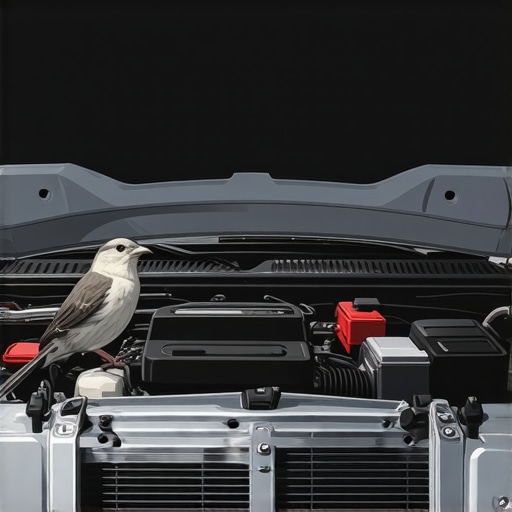
I’ll never forget the first time my car suddenly chirped like a bird every time I pressed the gas pedal. It was loud, unexpected, and honestly a bit embarrassing. For weeks, I ignored it, thinking it was just some quirky sound that’s normal for older vehicles. But then, one morning, it got louder—like a chorus of songbirds taking over my engine bay. That was my lightbulb moment—that something was really off.
The Unexpected Sound That Could Signal Bigger Problems
If your car is making a chirping noise when you accelerate, you’re not alone. This isn’t just an annoying sound—it’s often a sign that your vehicle might be experiencing issues with your belts, pulleys, or other critical components. Ignoring it can lead to more costly repairs down the line, or even dangerous breakdowns on the highway. Based on my own experience and trusted industry insights, catching these sounds early makes all the difference.
Is Your Engine’s Chirp Actually Worth Worrying About?
At first, I thought the chirping was just a harmless idiosyncrasy of my aging car. Turns out, I was wrong. That early chirp was a warning sign—like a bird alerting others of a predator. When I finally took my car to a mechanic, I learned that a worn-out belt or a misaligned pulley could be causing that sound. How many times have we dismissed these noises as minor irritations? It’s a common mistake I made early on, thinking it was just part of owning an older vehicle.
To avoid repeating my mistake, it’s crucial to recognize that even small sounds can escalate into major issues if left unaddressed. For more in-depth strategies on maintaining your car’s health, I recommend checking out collision renewal’s comprehensive guide.
Now, let’s explore what exactly causes that chirping sound and how you can address it before it becomes a costly headache.
Inspect Your Belts First
The belts are like the veins of your engine, providing drive to essential components. To check them, turn off your engine, open the hood, and look for cracks or fraying along the belt edges. Use a flashlight if needed. A worn belt is a common cause of chirping sounds during acceleration, much like a loose guitar string humming when plucked. I once encountered a belt so loose it slipped off entirely, causing my car to stall. Replacing or tightening the belt restored smooth operation.
Adjust or Replace the Belt
If the belt appears cracked or glazed, replace it promptly. For a loose belt, loosen the tensioner pulley, adjust the belt’s tension, then retighten. Remember, a properly tensioned belt should have about half an inch of slack. During my experience, manually tightening the belt with a wrench made an immediate difference—less noise and better engine performance.
Check Your Pulleys and Tensioners
Worn pulleys can cause pulley wobble that produces chirping when the engine accelerates. Spin each pulley by hand—if you feel roughness or listen for noise, the pulley bearing may be failing. Rattling pulleys are like squeaky wheels—signs that they need attention. In my case, a seized tensioner pulley was the culprit, making the belt slip and chatter. Replacing faulty pulleys saved me from a potential breakdown.
Replace Faulty Pulleys and Tensioners
Use a socket wrench to remove the faulty component. Compare parts to ensure compatibility. Installing a new pulley or tensioner involves tightening bolts to manufacturer torque specs. This process might seem technical, but following torque specifications is crucial, much like tuning a musical instrument. For detailed guidance, check out top transmission repair tips.
Inspect the Pulley Alignment
Misaligned pulleys can cause belts to slip and produce chirping sounds. Use a straightedge tool along pulley edges to verify alignment. If they are offset, the pulleys may need realignment or replacement. Think of it like aligning bicycle wheels; misalignment leads to uneven wear and noise. During my own troubleshooting, correcting pulley angles eliminated the chirp and extended belt life.
Realign or Replace Misaligned Pulleys
Adjust pulley positions by loosening mounting bolts, then repositioning. Tighten bolts to proper torque. For persistent misalignment, replacing the pulley assembly might be necessary. Ensure all components are securely fastened to prevent future issues, much like assembling furniture with precise threading. Consulting your vehicle’s service manual or a professional can make this process smoother.
Test Drive and Monitor
After reassembling, start the engine and listen closely. Accelerate gradually and observe if the chirping persists. Keep an ear out for new noises or rough engine operation. During my last fix, a test drive confirmed that the belt tension and pulley alignment corrected the issue, and the engine ran smoothly. Document any recurrence to address it promptly, preventing further damage.
Additional Checks to Consider
If the chirp continues, inspect the accessory components like the alternator, power steering pump, and AC compressor pulleys. Sometimes, a failing component within these can cause similar noises. For a comprehensive overview, visit auto repair guide. Also, if you feel uncomfortable performing these steps, contact a professional at collisionrenew for expert assistance.
Many car owners believe that all auto repair shops offer similar services and results, but in my extensive experience, this couldn’t be further from the truth. One widespread myth is that choosing the cheapest service guarantees savings, yet this often leads to subpar repairs that cost more in the long run. Skilled professionals, like those at CollisionRenew, prioritize quality and longevity over quick fixes.
Why Do So Many Assume All Brake Services Are Equal?
There’s a common misconception that brake replacement is a straightforward task, but underestimating the complexity can be dangerous. For example, not considering the importance of proper rotor resurfacing or the quality of brake pads can compromise safety. Advanced mistakes, such as neglecting to check the hydraulic system, can lead to uneven braking and rapid wear. Studies show that improper brake service significantly increases the risk of accidents, emphasizing the need for expert evaluation rather than DIY or generic solutions.
What’s Behind the Fixation on Transmission Flushes?
Many believe that frequent transmission flushes are the secret to transmission health, but overdoing it can actually accelerate wear. According to automotive experts, like those discussed in top transmission tips, only performing a flush when necessary, using the correct fluids, and following manufacturer guidelines ensures optimal transmission longevity. A common mistake is relying solely on mileage intervals rather than diagnostics, which can lead to unnecessary procedures or, worse, overlooked problems.
Beware of the Hidden Pitfall: Overspending on Unnecessary Repairs
Another misconception is that every recommended service is critical, but often, some repairs or maintenance steps are optional or can be delayed without harm. For instance, aggressive upselling can lead to replacing parts that still have plenty of life left, draining your wallet and creating needless waste. A nuanced understanding helps you prioritize essential repairs, saving money and extending your vehicle’s lifespan. This is why consulting trusted sources like essential car checks is invaluable.
In the world of auto repair and collision renewal, expertise goes beyond basic knowledge. It involves understanding the subtle nuances, avoiding common traps, and making informed decisions. Have you ever fallen into this trap? Let me know in the comments, and share your experiences or questions. Remember, partnering with seasoned professionals can significantly enhance your vehicle’s performance and safety.
Investing in Quality Equipment for Long-Term Success
Maintaining your vehicle’s performance requires more than just knowledge—it demands the right tools. Personally, I swear by a high-quality digital multimeter, like the Fluke 115, because it provides precise voltage and resistance readings, allowing me to diagnose electrical issues quickly and accurately. When it comes to belt and pulley inspections, a sturdy inspection mirror and a set of mechanic’s pry bars are indispensable. They enable me to access hard-to-reach areas without causing damage, ensuring I can spot wear early. For aligning pulleys or checking timing components, a laser alignment tool such as the Spot-On Digital Laser Alignment Device has revolutionized my workflow, delivering quick, reliable readings that save time and reduce errors.
Software tools also play a critical role in modern auto repair. An OBD-II scanner like the Autel MaxiCOM MK808 provides extensive diagnostic capabilities, allowing me to quickly identify trouble codes and monitor real-time data. This speeds up troubleshooting, especially with complex transmission or engine management systems. Additionally, installing diagnostic software like Torque Pro on a reputable Android device helps me keep an eye on sensor data and filter out false alarms—saving both time and money while preventing unnecessary repairs.
Creating a Routine to Sustain Vehicle Health
Developing a structured maintenance schedule is crucial. I recommend regular checks of transmission fluid levels using a manual dipstick or through the vehicle’s onboard diagnostics. Keeping transmission fluid clean, as discussed in top transmission repair tips, helps prevent overheating and slipping issues. Additionally, routinely inspecting belts and pulleys with a flashlight and a mirror allows early detection of cracks or misalignment, reducing the risk of sudden failures. An ounce of prevention, combined with precision tools, extends your car’s lifespan significantly.
Predictions for Future Maintenance Technologies
The auto repair industry is evolving rapidly. I predict that the integration of IoT-connected sensors and AI-driven diagnostics will become standard, providing real-time alerts for wear and tear. Expect tools that automatically inform you about the health of critical components before issues manifest, much like how advanced telematics monitor fleet vehicles today. Embracing these innovations now will position you ahead in vehicle maintenance, ensuring ongoing reliability and safety.
How do I maintain my vehicle’s performance over time?
Consistently using precise diagnostic tools, following manufacturer-recommended intervals, and staying informed about emerging technologies will keep your vehicle in top shape. For detailed strategies, see collision renewal’s comprehensive guide. Consider investing in a professional-grade diagnostics scanner and learning the basics of electrical testing—it’s an investment that pays off by catching minor issues before they become major repairs. Why not try out a digital multimeter like the Fluke 115 today to see immediate benefits in diagnosing minor electrical glitches?”}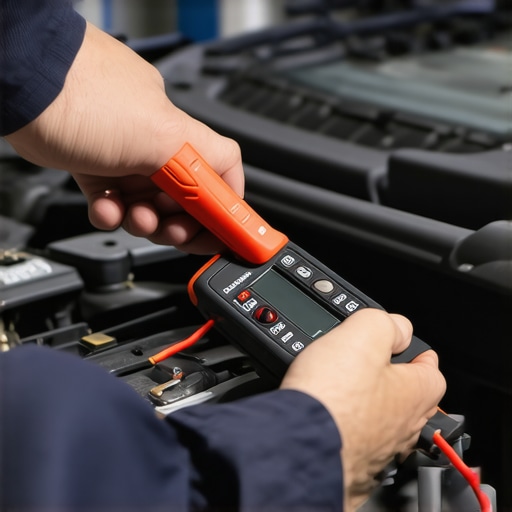 ,
,
Over the years, I’ve learned that paying attention to the subtle sounds your vehicle makes can save you a fortune and a headache. That seemingly innocuous chirping during acceleration isn’t just an annoyance—it’s a warning sign. Recognizing these signs early turns minor repairs into simple fixes, rather than expensive overhauls. Trust me, becoming attuned to your car’s voice is one of the best investments you can make in its longevity.
The Hidden Lessons Behind Every Unusual Sound
- My first revelation: That chirping was more than just noise; it was a cry for help from my engine. It taught me to never dismiss sounds without understanding their significance. Every squeal or rattle can tell you a story about what’s happening under the hood.
- Old habits die hard: I used to ignore warning lights and strange sounds, thinking they’d go away on their own. That changed when a minor belt issue could have caused a major breakdown during a road trip. Now, I see these signals as opportunities to address issues early.
- The value of proper tools: Investing in quality diagnostic equipment, like an OBD-II scanner, empowered me to identify issues swiftly. The right tools, combined with knowledge, make troubleshooting less daunting and more effective.
- Learning from experience: Working with skilled technicians has shown me that proactive maintenance, guided by an ear for detail, preserves vehicle safety and performance. It turns routine checks into preventive strategies rather than reactive fixes.
- Sharing knowledge: I encourage fellow car enthusiasts to embrace a curious mindset. Ask questions, listen closely, and utilize trusted resources to deepen your understanding of your vehicle’s needs.
Tools and Resources That Make a Difference
- CollisionRenew’s comprehensive guide: The ultimate resource for mastering vehicle maintenance and knowing when to seek expert help.
- Professional automotive services: Partnering with qualified technicians ensures repairs are done right the first time, saving you money and stress.
- Auto repair knowledge: A treasure trove of insights to help you make informed decisions about your car’s health.
- Routine maintenance tips: Regular checks on belts, pulleys, and fluid levels extend your vehicle’s lifespan and reliability.
Embrace Your Role as Your Car’s Best Advocate
Taking charge of your vehicle’s well-being is empowering. Small investments in tools, knowledge, and routine checks create a safeguard against costly failures. Remember, the journey to a healthier, happier car begins with a single step—listening, learning, and acting on those subtle signals. Don’t wait for a breakdown to start caring; act now, and drive with confidence.
What minor noise or warning sign have you ignored in the past? Share your experiences below and let’s learn together how to keep our cars in top shape!
**[Your insights and experiences can help others avoid costly repairs. Share below!]**