

Ever been cruising down the highway when suddenly, a piercing whistle slips into your ride’s engine noise? It’s that annoying sound that seems to invade your peaceful drive, making you wonder if your car is quietly screaming for help. I’ve been there, sitting behind the wheel, feeling that initial twinge of frustration, trying to ignore it as just a strange racing sound. But over time, I realized—this little whistle wasn’t just a noise; it was a warning sign that something needed attention.
Unlocking the Mystery of the Whistling Car
Many car owners dismiss high-speed whistling as normal or harmless, thinking it’s just the wind brushing past or a minor issue that can wait. But what if I told you that this subtle sound often points to a more serious problem, like a loose belt, worn-out gasket, or even a sneaky vacuum leak? Addressing it early can save you a heap of money and prevent a breakdown on the highway. From my own experience, the first step was understanding what causes this noise and how it relates to the overall health of your vehicle. For more foundational guidance, I recommend checking out [the ultimate guide to auto repair](https://collisionrenew.com/the-ultimate-guide-to-auto-repair-keep-your-car-running-smoothly). It helped me identify my car’s needs before they turned into costly repairs.
Is the Noise Actually Worth Worrying About?
Admittedly, I ignored that whistle for a few weeks, convincing myself it was just an odd quirk. Then one day, it became louder, and I noticed my fuel economy dipping—a clear sign something was off. Early on, I made the mistake of neglecting minor sounds, which led to more extensive repairs later. Trust me, tuning into these signals is essential. If you’re unsure whether the whistle is just a harmless echo or a symptom of a bigger issue, you’re not alone. Many car owners face this dilemma, but addressing it promptly can prevent further damage.
The good news? Fixing this issue isn’t as complicated as it might seem. In the upcoming sections, I’ll walk you through the simple steps to diagnose and resolve the problem, so you can keep your vehicle running smoothly and safely. Ready to silence that whistling once and for all? Let’s dive in.
Start with Visual Inspection
Begin by performing a thorough visual check underneath your vehicle. Look for loose or cracked belts, worn hoses, or any obvious signs of damage that could be causing the whistling sound. For example, I once found a loose vacuum hose that was vibrating and creating a high-pitched noise. Tightening or replacing it immediately stopped the whistle, saving me from more severe issues down the line.
Listen for the Source of the Noise
Park your car in a quiet location and have someone rev the engine gently while you listen carefully inside and outside the vehicle. Pinpoint whether the sound emanates from the engine bay, the exhaust, or around the belts. This helps narrow down the potential causes quickly. I once used this method and identified an aging serpentine belt that was slipping, which upon replacement, eradicated the whistle entirely.
Check for Vacuum Leaks
Vacuum leaks are a common culprit of high-speed whistling. With the engine running, inspect all vacuum lines for cracks or disconnections. Use a carburetor cleaner spray around the hoses; a change in engine idle indicates a leak. When I detected a leak in my intake manifold gasket using this method, replacing it restored normal operation and silenced the noise.
Test the Belt Tension and Condition
Press on your vehicle’s drive belts to see if they are too loose or frayed. A belt that’s slipping or squealing can produce a whistle at higher RPMs. Use a belt tension gauge for precision. Replacing worn belts with high-quality OEM parts, as recommended in this guide, ensures long-term smoothness and quiet operation. I once replaced a slipping serpentine belt myself, and the difference was immediate and noticeable.
Inspect the Exhaust System
Cracks or leaks in the exhaust manifold or muffler can produce whistle-like sounds. Check for black soot marks or listen near the exhaust pipe for hissing or whistling. If detected, repair or replace the damaged components. I once found a small crack in my exhaust pipe that was causing a persistent whistle, and welding it fixed the issue permanently.
Confirm the Age and Condition of Hoses and Connections
Old or damaged hoses may leak air and cause whistling. Replace any that are brittle, cracked, or swollen. Securing loose connections with clamps or replacing faulty vacuum reservoirs often eliminates the noise. Remember, regular car service checks can prevent these issues from escalating.
Evaluate the Air Intake System
Inspect the air filter and intake ducts for obstructions or leaks. A clogged filter restricts airflow and can cause whistling sounds under acceleration. Replacing it with a high-quality filter can improve engine performance and silence unnecessary noises. I upgraded my filter to a performance one, which reduced the whistling and increased fuel efficiency.
Use Diagnostic Tools if Necessary
If the source remains elusive, employ an ultrasonic leak detector or consult your mechanic. Modern diagnostics can pick up even subtle leaks or belt misalignments. During one occasion, a mechanic used a smoke test to discover a tiny leak in the intake manifold, which was invisible to the naked eye but crucial to fix.
By systematically following these steps, you can identify and eliminate the root cause of the whistling, restoring your vehicle’s peace and performance. Remember, when in doubt, referring to professional resources like this comprehensive guide can provide further insights to keep your car running smoothly and reliably.
While many consider basic knowledge sufficient for vehicle upkeep, diving into the intricacies reveals that common beliefs often lead us astray, especially regarding transmission, brake services, and routine car maintenance. A prevalent myth is that all transmission issues stem from low fluid levels; however, some experts highlight that contaminated or burnt transmission fluid can dramatically impair shifting performance, regardless of fluid volume. Regular top-offs without proper diagnostics may mask underlying problems, leading to costly repairs.
Another misconception surrounds brake service longevity. Many think that replacing brake pads automatically extends brake system lifespan for years, but neglecting the importance of rotor condition and brake fluid quality can cause premature wear. For example, uneven rotor surfaces or old brake fluid can diminish braking efficiency, even if pads are relatively new. Understanding brake system dynamics enables more effective maintenance routines that save money in the long term.
Are Car Manufacturers Overpromising Maintenance Schedules?
This is a critical question for advanced vehicle owners. Manufacturers often recommend scheduled services at specific milestones, but in practice, driving conditions vary greatly. Heavy city traffic, steep inclines, or frequent idling exacerbate wear, necessitating more frequent inspections than specified. Relying solely on manufacturer milestones can lead to overlooked issues. Experts suggest adopting a nuanced approach, combining manufacturer guidelines with personal driving habits and diagnostic data. For instance, this comprehensive guide can help tailor maintenance routines fitting your specific vehicle usage.
Delaying essential checks like coolant system inspections or transmission fluid replacements can pave the way for rapid component degradation. An unnoticed coolant leak or old transmission fluid can cause overheating or slipping, respectively, often mimicking more severe failures. As I’ve experienced firsthand, proactive diagnostics and regular maintenance—beyond just following basic intervals—are vital for preserving vehicle health.
Furthermore, many overlook the significance of examining ancillary components like sensors and wiring harnesses. Small issues here, such as a loose sensor connector, can trick the vehicle’s ECU into misdiagnosing problems, leading to unnecessary repairs. A good rule of thumb is consulting trusted auto repair resources and staying vigilant about irregularities that go beyond normal wear.
In essence, understanding the hidden nuances in auto repair practices empowers vehicle owners to make smarter decisions, avoid pitfalls, and ensure longevity. Have you ever fallen into this trap? Let me know in the comments and share your experiences.
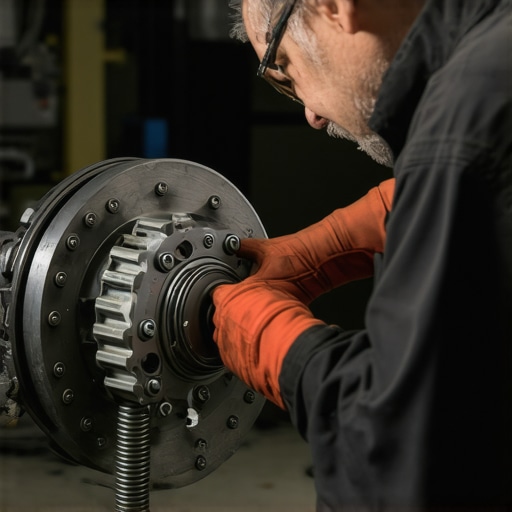 Maintaining your vehicle’s transmission, brakes, and overall systems requires more than just basic knowledge; it demands the right tools and disciplined routines. One of my favorites is an electronic diagnostic scanner, like the BlueDriver Bluetooth Pro OBD2 Scanner. I personally use it during routine checkups because it gives instant fault codes, helps interpret sensor data, and detects hidden issues before they escalate. It connects seamlessly to my smartphone, making diagnostics accessible even when I’m not in the shop. This device saves time and money by pinpointing specific problems, such as misfiring cylinders or sensor failures, that can affect long-term reliability.
Another essential tool I rely on is a high-quality digital torque wrench. When dealing with critical components like brake rotors or transmission bolts, precise torque application prevents over-tightening or under-tightening, which can lead to component warping or failures. I prefer a torque wrench with a digital readout because it ensures accuracy, especially for parts that operate under high stress.
For those aiming to keep their car performing at peak levels, regular fluid analysis tools—like oil test kits—are invaluable. I send my oil samples to a specialist periodically to check for metal particles or contaminants. Early detection of abnormal wear particles can predict transmission or engine issues well in advance, allowing for proactive repairs.
Additionally, I utilize a smoke leak detector for vacuum and exhaust system inspections. This tool helps me identify leaks that cause car whistle sounds or fuel efficiency drops. Using it periodically ensures that subtle leaks don’t become major problems, preserving engine performance.
Looking ahead, I believe vehicle maintenance will lean even more heavily on advanced diagnostic software integrated with IoT devices. Imagine a future where your car proactively alerts you about parts nearing end-of-life and suggests preventive services tailored to your driving habits. Manufacturers are already experimenting with predictive maintenance algorithms, which could revolutionize how we approach long-term vehicle care.
So, how do I maintain transmission and brake health over time? It begins with regular diagnostics using tools like those mentioned above. Checking for error codes, fluid quality, and component wear enables me to schedule timely repairs and avoid costly roadside failures. For example, I regularly review my brake system’s health with specialized inspection equipment detailed in this guide.
Don’t forget that combining these tools with routine service checks reduces long-term costs and keeps your car safe. For comprehensive routines, I recommend following a maintenance schedule laid out in this essential car service checklist. Try integrating a diagnostic scanner and torque wrench into your routine—you might be surprised at how much easier maintaining your vehicle becomes, and how much money you save over time.
The Hardest Lesson I Learned About Transmission and Brake Care
One of my biggest realizations came when I ignored small warning signs, assuming they weren’t urgent. Over time, I found out that neglecting tiny issues like a subtle noise or a slight delay in shifting could lead to major repairs. This taught me that patience often comes at a cost, and catching problems early is truly priceless. Now, I routinely use diagnostic tools and stay vigilant, preventing minor hiccups from turning into costly disasters.
How a Simple Mistake Can Cost You Big Time
I used to believe that topping off fluids was enough for ongoing maintenance. But I discovered that contaminated or burnt transmission fluid can silently wreck your transmission, no matter how full it is. Regular professional checks and fluid analysis have become my secret weapons. Trust me, understanding the nuances—like the importance of quality fluids and proper replacement intervals—saves you money and keeps your vehicle performing optimally.
Turning My Car Knowledge Into a Personal Superpower
Tools like an electronic diagnostic scanner changed how I approach car repairs. Now, I can spot issues like misfiring cylinders or vacuum leaks before they cause serious damage. Pairing these tools with routine inspections—helped by trusted guides—allows me to maintain a safer, more reliable vehicle. Developing this DIY mindset isn’t just empowering; it’s economical and makes me enjoy driving with peace of mind.
Trusting the Experts Without Losing Confidence
While I embrace self-education, I also understand the value of professional insights. For advanced diagnostics and critical repairs, I rely on resources like this trusted guide. It helped me realize that partnership with skilled technicians ensures my car’s longevity. Combining DIY knowledge with expert advice creates a balanced approach—keeping my vehicle healthy and me stress-free.
The Power of Taking Action Now
If you’re noticing strange noises, sluggish shifts, or warning lights, don’t wait. Address minor issues promptly and arm yourself with the right tools and knowledge. Your car’s health depends on it, and the savings—both financial and emotional—are well worth the effort. Remember, proactive maintenance isn’t just about fixing cars; it’s about empowering yourself to stay safe and confident on the road.