
I’ll never forget the moment I heard that sickening screech from my car’s brakes during a stop. It was a chilly morning, and there I was, jolted by that unmistakable sound that instantly makes your heart skip a beat. At first, I thought, “Great, here we go again—another expensive repair ahead.” But as I dug deeper, I realized that much of the wear and tear on brake pads isn’t just about driving style or road conditions—it’s about the small, often overlooked habits that can significantly extend their lifespan.
The Breakthrough That Changed How I Maintain My Brakes
What if I told you that you could double the life of your brake pads without spending a fortune or becoming a mechanical wizard? It might sound too good to be true, but over the years, I’ve discovered simple yet effective strategies rooted in personal experience—and backed by expert advice—that can help your brakes last twice as long. Keeping your car dependable isn’t just about frequent visits to the shop; it’s about understanding the little things you can do daily to preserve your investment.
Could This Be Worth the Hype? A Common Skeptic’s Question
Now, I know what you might be thinking. “Is this really possible?” And honestly, I was skeptical at first too. I made a rookie mistake early on: assuming that brake pads wear out inevitably and nothing could change that. I ignored basic maintenance, and it cost me both time and money. But once I started paying attention to how I drive and maintaining a few key components, the difference was astonishing. Funny enough, this realization led me to explore more about brake preservation, and I found that simple adjustments could make a huge difference. For more ideas on maintaining your vehicle before problems arise, check out essential car checks.
So today, I want to share what I’ve learned—what actually works in real-world driving—that can help you save money, time, and avoid that dreaded sudden brake failure. Are you ready to give your brakes the care they deserve? Let’s dig into how to keep them healthy for miles and miles to come.
Inspect and Replace Brake Components
Start by checking your brake pads and rotors regularly—at least every 10,000 miles. During a personal experience, I once noticed uneven wear on my pads after a long road trip, which could have led to premature failure. Replacing worn pads early prevents excessive rotor damage, saving money and time.
Check for uneven wear and replace if necessary
When inspecting, look for uneven thickness or glazing on the pads—glazing appears shiny and hard. If you see this, replace your pads promptly. This prevents the pads from slipping or squealing and ensures optimal contact during braking.
Practice Smooth, Gradual Braking
Avoid slamming the brake pedal; instead, press smoothly and gradually. I once was in a rush and stomped on the brakes to halt suddenly—this caused excessive wear and even a slight warp on my rotor. Gentle braking reduces heat buildup and uneven pad wear, prolonging their lifespan.
Anticipate stopping points to brake early
Observe traffic ahead and start reducing speed early. This habit minimizes sudden stops, decreasing stress on brake components. Think of it as easing into a seat rather than plopping down—less impact means less damage over time.
Use Engine Braking When Possible
Downshift and let the engine slow your vehicle—this reduces reliance on your brake pads. I recall driving downhill on a steep grade and shifting to a lower gear; my brakes stayed cool, and their life was preserved. Engine braking is an effective strategy, especially on long descents.
Learn to downshift smoothly
Practice matching engine revs with gear changes to avoid jerks. It takes a little practice but pays off by reducing brake use and wear.
Keep Brake Fluid Fresh and at Correct Levels
Brake fluid absorbs moisture over time, diminishing braking performance. I once neglected this and noticed a spongy pedal; a flush and replacement revived my brakes instantly. Regularly check and replace brake fluid as per manufacturer recommendations, typically every 2-3 years.
Flush and replace brake fluid periodically
This maintenance prevents corrosion and internal damage within the calipers and master cylinder, which are costly to repair.
Limit Excessive Idling and Heavy Loads
Idling for extended periods heats your brakes unnecessarily. Also, carrying heavy loads increases stress on your braking system. I learned this the hard way after a camping trip with a fully loaded SUV—my brake pads wore out faster. Lighten your load when possible and avoid idling in place for long stretches.
Plan your routes to minimize stop-and-go traffic
Use navigation apps that suggest less congested routes, reducing the strain on your brakes and improving overall vehicle longevity.
By implementing these simple, actionable steps, you can significantly extend the lifespan of your brake pads and ensure safer, more reliable stopping power. Remember, regular maintenance combined with mindful driving habits makes a noticeable difference—saving money and stress in the long run.
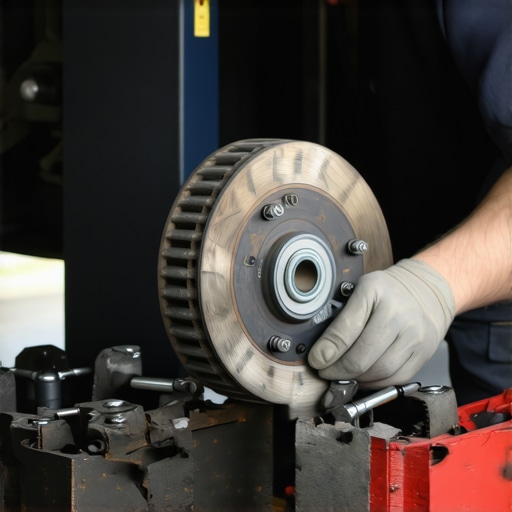
Many car owners operate under assumptions that can lead to costly mistakes when it comes to maintenance and repair. One prevalent misconception is that all brake pads wear out at the same rate, regardless of driving habits or environmental conditions. In reality, driving aggressively, frequent short trips, or exposure to harsh climates can accelerate brake wear, making regular inspections and understanding the specific needs of your vehicle crucial. Overlooking these nuances might cause premature replacements or overlooked issues that escalate over time.
Another common myth is that transmission repairs are always expensive and unavoidable after a certain mileage milestone. But in my experience, most early transmission issues are caused by simple neglect—such as ignoring fluid changes or driving habits—that can be mitigated with preventative care. Regular transmission fluid checks and timely replacements, guided by manufacturer specifications, can significantly extend the lifespan of your transmission system. Expert advice emphasizes that prevention beats reaction, especially in complex systems often misunderstood by vehicle owners.
Are You Falling Into the Auto Repair Trap of Oversimplification?
Many people believe that modern vehicles require minimal maintenance due to advanced technology, but this oversimplification can cause serious issues. Modern cars are equipped with numerous sensors and computer systems that, if ignored, can lead to diagnostic blind spots. For example, neglecting the importance of a clean and functioning sensor array can result in incorrect readings, prompting unnecessary repairs or incorrect repairs. According to studies in automotive electronics, sensor malfunctions and misdiagnoses are some of the leading causes of unnecessary repairs today. This comprehensive guide dives into how technology influences repair strategies and what car owners should focus on.
Similarly, many drivers underestimate the significance of a thorough collision repair process. A dent might seem minor, but if neglected or improperly addressed, it can compromise structural integrity and safety. Restoring a vehicle’s frame requires precision and understanding of the hidden stress points that could cause long-term problems. The right approach, from collision repairs to routine service, involves a nuanced understanding that goes beyond surface appearances. For an in-depth look at these strategies, visit this detailed overview.
Why do So Many Misconceptions Persist About Brake Service?
Take brake service, for instance. A widespread myth is that squealing brakes always indicate the need for replacement. While this can be true, sometimes the noise results from simple issues like brake dust or glazing that can be resolved with proper cleaning and minor adjustments. Misdiagnosing based solely on symptoms can lead to unnecessary costs. Moreover, some believe that old brake fluid doesn’t significantly affect braking performance, but it actually absorbs moisture over time, leading to corrosion and reduced effectiveness. Regular brake fluid maintenance, as recommended by experts, is vital for safety and longevity. Find more about modern brake maintenance at the latest braking news.
Understanding these hidden nuances and challenging common myths will empower you to make smarter decisions about your vehicle’s health. It saves money, enhances safety, and prolongs the lifespan of critical components. Have you ever fallen into this trap? Let me know in the comments and share your experiences to help others avoid similar pitfalls.
Keeping It Working: Tools I Recommend for Reliable Auto Care
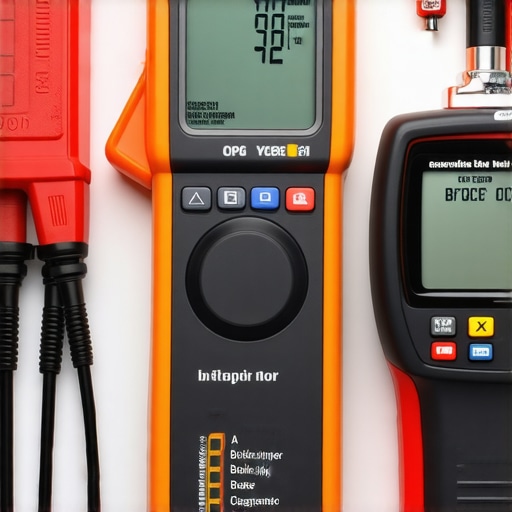
Maintaining your vehicle over the years requires more than just basic knowledge; it demands precise tools and established methods that give you control and confidence. One of my go-to gadgets is a high-quality digital multimeter. I use it daily to check battery voltage, sensor signals, and electrical connections, ensuring early detection of issues that could lead to costly repairs. A multimeter like the Fluke 115 has proven invaluable for diagnosing electrical anomalies quickly and accurately.
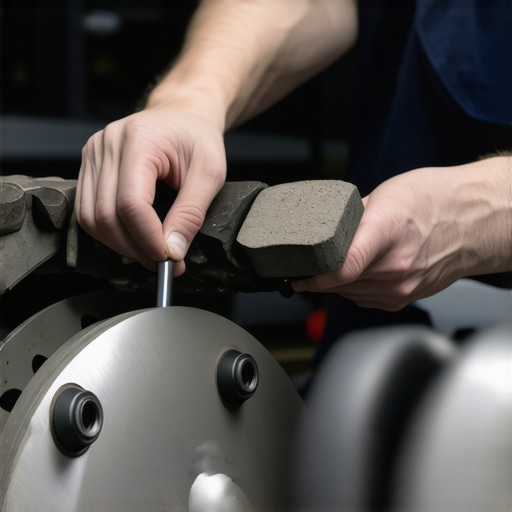
For brake system diagnostics, I rely on a professional-grade brake caliper piston piston tool set. It allows me to retract pistons smoothly and evenly, preventing damage to the caliper or pads during replacements. Combining this with a reliable brake fluid tester ensures I can assess the moisture content in the fluid—since moisture absorption can significantly reduce braking performance—followed by timely flushing, as recommended in expert advice.
When it comes to transmission, I use a high-grade scan tool compatible with my vehicle’s make. Devices like the Autel MaxiScope Elite allow me to read transmission codes, monitor live data, and even perform reset procedures. This proactive approach tools from making guesswork out of transmission care, aligning with the top tips for extending transmission lifespan.
Scaling your maintenance efforts over time benefits greatly from facility planning. Investing in a portable creeper increases comfort during undercarriage inspections or fluid checks—making routine maintenance less of a chore. Additionally, a magnetic trouble light illuminates hard-to-see engine compartments, reducing oversight and streamlining service sessions. As vehicles become more complex, diagnostic software that interfaces with your car’s onboard computer is becoming essential, enabling you to spot issues early and plan repairs effectively.
How do I maintain these tools over time?
Proper upkeep involves regular calibration—particularly for sensitive devices like multimeters and sensor testers. Store them in a dry, dust-free environment, and follow calibration schedules from the manufacturers. Investing in quality tools means fewer replacements and more accurate diagnostics, which saves money and time long-term.
Looking ahead, I predict that automation and AI-based diagnostics will further revolutionize home auto maintenance, empowering enthusiasts with more precise data and predictive insights. This trend aligns with the rise of smart vehicle systems, making it even more crucial to stay updated with the latest tools and techniques.
One advanced tip I recommend trying is using a diagnostic scan tool to read live transmission data periodically. This habit can catch subtle shifts or delays early, preventing more extensive repairs down the line. For more help on choosing the right equipment, check out this guide.
Remember, the key to lasting auto health is consistency and quality. Equip yourself properly, follow recommended maintenance schedules, and stay informed about evolving technology—your car will thank you for it.
What I Wish I Knew Before Wasting Money on Repairs
One of the most valuable lessons I’ve discovered is that many brake issues stem from simple overlooked habits and maintenance routines. For example, neglecting regular inspection or dismissing the significance of brake fluid quality can lead to costly repairs. I realized that taking proactive steps—like checking brake pads early or flushing brake fluid periodically—can dramatically extend their lifespan. These personal insights, combined with expert advice, have empowered me to keep my brakes functioning smoothly and avoid unexpected failures.
Tools and Tips That Flip the Script on Brake Maintenance
Equipping myself with a high-quality brake caliper piston tool and a reliable brake fluid tester changed the game. These tools gave me the confidence to perform maintenance at home, saving time and money. Regular use of a diagnostic scan tool to monitor transmission health or a moisture meter for brake fluid ensures I catch potential problems early. My recommendation is to invest in these essential tools—they make a significant difference in diagnosing issues accurately and maintaining your vehicle efficiently.
Challenging Misconceptions and Embracing Smarter Choices
One misconception I often encountered was that squealing brakes always mean replacement—sometimes, it’s just brake dust or glazing. Learning to differentiate these signs prevented unnecessary costs. Additionally, understanding that modern vehicle sensors and electronics require proper care helped me avoid false diagnoses. Shifting from assumptions to informed maintenance has helped me make smarter decisions, ensuring my brakes stay reliable long-term.
Insider Wisdom on Staying Ahead of Brake Wear
- Inspect before squeal: Regularly check pads and rotors, especially after long trips or harsh conditions.
- Master gentle braking: Practice smooth, gradual stops to reduce heat and uneven wear.
- Use engine braking: Downshift on descents to lessen reliance on your brake pads.
- Maintain brake fluid: Flush and replace as recommended—moisture absorption reduces braking efficiency.
- Avoid heavy loads and long idling: Lighten your vehicle and plan routes to minimize strain on brakes.
Where to Elevate Your Auto Care Game
Beyond basic tools, I trust resources like essential car service checks to guide ongoing maintenance. For more advanced diagnostics, a good scan tool like the Autel MaxiScope Elite offers deep insights into your vehicle’s health. Reading expert articles on transmission longevity tips or brake service news keeps me informed and prepared for surprises.
Keep Your Drive Safe and Smooth—Take Action Today
Taking control of your brake maintenance can seem intimidating at first, but with the right knowledge and tools, it becomes second nature. Protect your investment, ensure safety, and enjoy confident driving by applying these insights now. Remember, your vehicle’s health depends on your proactive choices—so why wait until it’s too late? Start today and make your brakes a priority.
What’s the first step you plan to take to improve your brake care routine? Share below—your experience might help someone else on their automotive journey!