
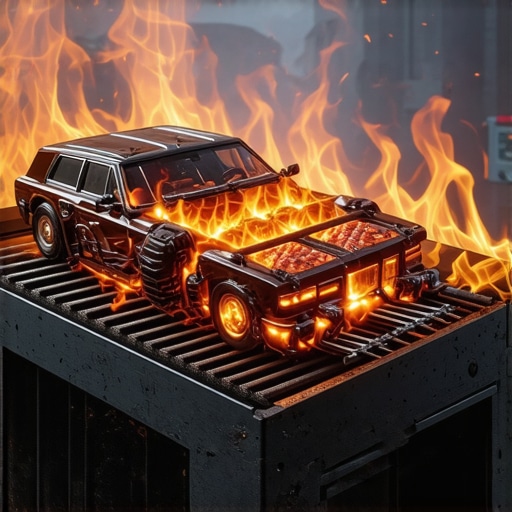
One sweltering summer day, I slid into my car after running errands, only to be hit with an unexpected, almost stomach-churning smell. Turns out, my transmission fluid had morphed into something straight out of a backyard barbecue—smoky, burnt, and just plain odd. At first, I thought it was a fluke or maybe I left something burning in the oven. But no—this was my car telling me something was seriously amiss.
Understanding the Rationale Behind the Smell
If your transmission fluid smells like a grill gone rogue, you’re probably wondering, “Is this normal?” Spoiler alert: it most definitely isn’t. The smell indicates that your transmission might be overheating, which can lead to costly repairs or complete transmission failure if ignored. Several issues can cause this aroma—ranging from old, degraded fluid to more severe mechanical problems. Recognizing the cause early can save you hundreds of dollars and a lot of grief down the line.
Is a Smell Really Just a Smell? Believe Me, It’s Not
When I first noticed that barbecue scent, my initial mistake was dismissing it as a minor smell. I thought, “Maybe I spilled some oil or parking near a grill.” But the smell persisted, growing more pungent each time I drove. What I failed to realize then was that this was a signal—your car’s way of warning you that something’s wrong. According to automotive experts, lingering burnt smells from transmission fluid can be a telltale sign of overheating, which may progressively damage internal components if left unchecked.
If you’ve encountered that same smoky aroma, you’re not alone. Many drivers overlook it until it’s too late, assuming it’s just a peculiar thing rather than a red flag. But the good news is, with a little understanding and prompt action, you can often cure the problem before it escalates. In the following sections, we’ll dive into the causes, preventive measures, and when to seek professional help. For practical tips, don’t forget to explore my guide on top transmission repair strategies to keep your car running smoothly for the long haul. Now, let’s get to the heart of the matter—what’s really going on inside your transmission and how you can fix it.
Check and Inspect Your Transmission Fluid
Start with a cold engine and locate your transmission fluid dipstick. Pull it out, wipe it clean with a rag, and reinsert. Withdraw again to check the level and color. If the fluid appears dark, burnt, or smells charred, it indicates degraded fluid needing replacement. I once did this myself after noticing the smell and found only half the recommended level, prompting an immediate fluid change.
Drain and Replace the Transmission Fluid
Park your vehicle on a level surface, secure it with wheel chocks, and lift the car if necessary. Place a drain pan under the transmission drain plug, unscrew it carefully, and let the old fluid drain out completely. Clean the drain plug, replace the gasket if needed, and screw it back tightly. Fill with new transmission fluid of the specified type. I replaced my fluid following the manufacturer’s capacity guide, which immediately improved driving smoothness and stopped the smoky scent.
Inspect for Overheating and Mechanical Issues
If the smell persists after fluid replacement, examine your transmission cooler and fluid lines for blockages, leaks, or damage. Overheating often stems from a clogged cooler or low fluid levels. As part of my routine maintenance, I inspected the cooler fin attachment and ensured proper airflow, which helped prevent future overheating episodes. If mechanical parts like clutches or valves are damaged, seek professional help. You can start with a trusted auto repair shop that specializes in transmission repairs, or learn more about long-term vehicle maintenance at this guide on transmission reliability.
Test Drive and Monitor
After fluid change and inspection, take your car for a test drive. Pay attention to any unusual smells, shifting behaviors, or warning lights. Make sure the transmission operates smoothly without slipping or jerking. If issues remain, it’s time to consult professionals. Sometimes, the problem can be deeper—like internal overheating or damaged components—that require expertise, which can be found at Collision Renew’s contact page.
Troubleshoot Preventative Measures
To avoid recurrence, regularly check transmission fluid levels and color. Replace fluid every 30,000 to 60,000 miles, depending on your vehicle’s manual. Keeping the cooling system clean and unobstructed reduces overheating risk. I make it a habit to schedule these inspections alongside oil changes, ensuring my vehicle stays happy and odor-free. Remember, consistent maintenance saves money and prevents the smoky smell from becoming a costly repair.
< >
>
In the world of auto repair, there’s a common misconception that sticking to basic maintenance routines guarantees vehicle longevity. While routine checks are essential, many car owners miss the subtle complexities that can make or break their vehicle’s performance over time. For instance, the popular belief that “if it drives fine, it doesn’t need service” can lead to overlooked issues that escalate quickly. I’ve seen neglected transmissions, brake systems, and collision repairs that could have been easily prevented with a nuanced approach.
Are You Falling for the Myth of One-Size-Fits-All Maintenance?
Many assume that following the manufacturer’s recommended service intervals is sufficient for everyone. However, driving conditions vary vastly—urban stop-and-go traffic, off-road adventures, or extreme climates demand tailored maintenance strategies. For example, a vehicle frequently exposed to harsh winter road salts requires more vigilant undercarriage inspections to prevent rust and corrosion, which can quietly undermine structural integrity. Consulting specialized guides on essential car service checks helps drivers adapt maintenance routines to their specific needs.
Another often misunderstood aspect is the importance of addressing minor symptoms early. A slight hesitation during acceleration or a faint squeal when braking might seem insignificant but can indicate underlying issues—like worn brake pads or a developing transmission problem—that, if ignored, can lead to costly repairs. Recognizing these nuances requires a deeper understanding beyond surface-level diagnostics.
Watch Out for the Trap of Overlooking Mechanical Inspections
One common mistake is neglecting comprehensive inspections during regular service visits. Many auto shops focus solely on fluid levels or visual checks, missing critical internal components that silently degrade. For instance, a worn clutch plate or a warped rotor might not show immediate symptoms but can compromise safety and comfort if not properly inspected. Engaging with trusted experts like Collision Renew for regular detailed assessments can save you from surprise breakdowns.
The key takeaway here is that effective vehicle maintenance isn’t just about ticking boxes on a schedule—it’s about understanding the intricate interplay of parts and recognizing when subtle signs merit serious attention. For a comprehensive approach, exploring resources like restoration and repair strategies can elevate your knowledge and vehicle health.
Have you ever fallen into this trap? Let me know in the comments. Remember, paying attention to the small details today can prevent big problems tomorrow.
Maintaining your vehicle over the long haul requires more than just basic knowledge; it demands the right equipment and software to diagnose, repair, and monitor your car’s health effectively. From detecting subtle transmission issues to ensuring brake systems are functioning flawlessly, having the proper tools makes all the difference.
Investing in Diagnostic Gear
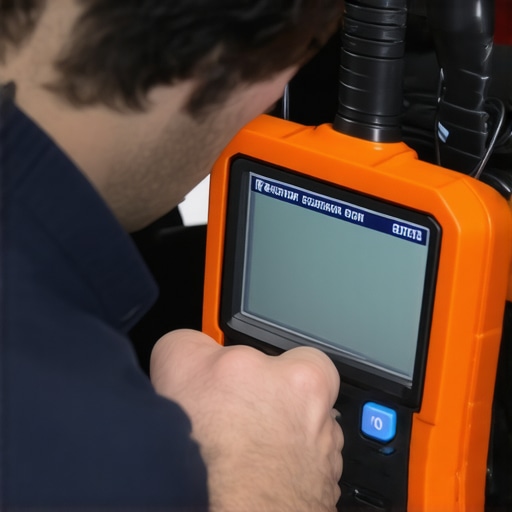
One indispensable tool I personally rely on is a high-quality OBD-II scanner, like the BlueDriver. Unlike generic code readers, BlueDriver connects seamlessly with your smartphone and provides detailed reports, enabling me to identify potential transmission or engine problems before they escalate. Regularly scanning my vehicle helps catch issues early, saving money and preventing breakdowns. As automotive technology advances, smart diagnostic tools will increasingly leverage AI to predict failures, making proactive maintenance more accessible for DIY enthusiasts.
Precision in Fluid Management
For transmission and brake fluid changes, I use a fluid transfer pump. This device ensures a clean and efficient swap without the mess, especially when managing tight engine bays. Maintaining precise fluid levels and replacing degraded fluids at recommended intervals—often guided by tools like these—extends component lifespan and prevents overheating or corrosion. Regular fluid checks, combined with the right tools, are the foundation of a reliable auto repair routine.
Specialized Inspection Equipment
To assess suspension components, I turn to a magnetic bore scope. It allows me to peer into hard-to-reach spots, like the inside of strut mounts or wheel wells, for rust, cracks, or wear. Spotting damage early, such as a bent rim or worn bushings, lets me address problems before they lead to costly collisions or uneven tire wear. Incorporating visual inspection tools into your routine ensures no issue goes unnoticed.
Long-Term Gains and Scalability
As vehicles become more complex with hybrid and electric systems, my approach focuses on scalable tools that can adapt. For example, software like long-term maintenance guides integrates with diagnostic software to remind me of the weights and intervals specific to my car. Investing in versatile equipment today means you’re prepared for tomorrow’s automotive innovations, helping your vehicle perform reliably for years to come.
Where is the automotive diagnostics trend heading?
Expect an increase in AI-driven diagnostic platforms that can interpret complex data from multiple sensors, offering predictive maintenance alerts. This evolution will shift auto repair from reactive to preventative care, reducing breakdowns and extending vehicle lifespan. Staying ahead with current tools and software positions you to leverage these advancements effectively.
Curious about how to keep your car running smoothly? Start by trying out a professional-grade OBD-II scanner or a precision fluid pump—these tools can dramatically improve your maintenance routine. For tailored guidance, consider consulting experts at Collision Renew to identify the best equipment for your vehicle.
Remember, the right tools empower you to take control of your auto maintenance, ensuring long-term reliability and safety. Take the first step today and invest in equipment that pays for itself through extended vehicle life and fewer repair surprises.
What I Wish I Knew About Transmission Smells Early On
One of the most eye-opening lessons I learned was that strange smells from my vehicle are more than just inconvenient—they’re vital clues. Ignoring that smoky, burnt odor delayed my understanding of my transmission overheating, leading to costly repairs. Now, I realize that paying close attention to these signs, and acting swiftly, can preserve your car’s health and save you money. Sometimes, the smallest symptoms—like a faint smell—can prevent a complete breakdown if recognized early.
A Treasure Trove of Tools and Resources That Changed My Approach
Over time, I discovered that having the right equipment transforms auto maintenance from a chore to a confident routine. An advanced OBD-II scanner like BlueDriver has become my go-to for preemptively diagnosing transmission issues. Using a dedicated fluid transfer pump ensures I replace fluids efficiently, prolonging component life. For inspecting hard-to-see parts, a magnetic bore scope reveals hidden wear and tear that might otherwise go unnoticed. These tools, combined with trusted guides on long-term vehicle reliability, empower me to stay ahead of potential problems.
Embracing a New Mindset for Vehicle Longevity
Ownership of a vehicle is a commitment to ongoing learning and proactive care. I’ve realized that developing a better understanding of my car’s signals—not dismissing odd smells or sounds—makes all the difference. Regularly scheduled inspections, tailored to my driving conditions, and investing in proper maintenance equipment, have transformed how I care for my vehicle. The journey from reactive to preventative maintenance brings peace of mind and keeps your auto in peak condition for years to come.
Have you ever ignored a warning sign that turned into a costly repair? Share your experience below, and let’s learn together from these valuable lessons.