

I remember the exact moment I first noticed the problem. I had just driven over a particularly nasty pothole on a rainy evening, and suddenly, my steering became uncomfortably loose, like I was guiding a boat on choppy waters. At first, I dismissed it as a minor wobble, but it persisted. That lightbulb moment hit me hard — my car’s handling was compromised, and I knew I had to figure out why.
She’s Not Just a Bump; Your Steering Is Sending Alarm Signals
When you hit a pothole and your steering feels loose or wobbly afterward, it’s more than just a nuisance. It’s a clear indication that something inside your suspension or steering system might be misaligned, damaged, or worn out. Ignoring this symptom can lead to costly repairs down the line or even compromise your safety on the road.
What makes this issue tricky is that a single pothole impact can cause a variety of problems — from minor wheel misalignments to severe damage like broken tie rods or bent steering components. Early on, I made the mistake of thinking I could just wait it out or assume it was a minor bump. But trusting my gut and doing a quick inspection revealed that my alignment was off and my steering components had taken a hit.
In this post, I’ll walk you through how to identify if your loose steering after hitting a pothole is a quick fix or a sign of more serious trouble. We’ll explore simple checks, common causes, and what your next steps should be. Don’t wait until your steering feels downright dangerous; understanding the root cause early can save you time, money, and potentially your safety.
Have you experienced this precarious steering feeling after a rough road? Keep reading — I’ve got some practical advice coming up.
Start with a Visual Inspection
First, safely park your car on a flat surface, set the parking brake, and turn off the engine. Carefully examine your tires for any visible signs of damage, such as bent rims, punctures, or uneven wear patterns. Look for loose or disconnected components in the suspension area, especially around the tie rods and steering knuckles. Remember, visual cues like bent parts or missing bolts can immediately point to the issue. I once caught a bent tie rod early by inspecting after a minor collision; it saved me a costly repair later.
Check Your Wheel Alignment and Tire Condition
Measure the tire pressure and ensure all tires are inflated to the manufacturer’s recommended PSI. Uneven tire wear or a noticeable tilt in the tire can indicate misalignment caused by the pothole impact. You can perform a basic alignment check by observing if the steering wheel is centered when driving straight. If misaligned, realignment can significantly improve handling. For better insights, visit this resource for comprehensive maintenance tips.
Test the Steering Play and Response
Gently move the steering wheel back and forth when the vehicle is stationary, roughly 2 inches each way. Excessive free play, usually more than a few degrees of motion, suggests worn or damaged components like the tie rod ends or the steering rack. A loose steering system diminishes control, especially after a jarring event like hitting a pothole. During my test, I noticed a lot of play, prompting me to replace worn parts immediately to regain safety and confidence behind the wheel.
Perform a Road Test with Care
Drive slowly on a safe, open road. Pay attention to how the steering responds when you steer straight, turn, or brake. Notice if the wheel pulls to one side, vibrates, or if the steering feels loose or unresponsive. Keep your hands firmly on the wheel and be ready to pull over if anything feels unsafe. I once ignored subtle signs during a test drive, which led to a more serious steering issue. Better to identify problems early before they escalate.
Inspect and Tighten Mechanical Connections
Check all visible bolts, nuts, and clamps related to your steering linkage and suspension system. Loose connections can lead to wobbling or looseness. Use a torque wrench for precise tightening to avoid over-tightening, which can damage parts. If you’re unsure, consulting a professional or referencing collision renewal strategies can guide you. I tightened a loose clamp after noticing a slight wobble, and it instantly improved my steering response.
Consider Professional Diagnosis for Persistent Issues
If after these checks your steering remains loose or wobbly, it’s crucial to seek expert help. Mechanics can perform comprehensive tests, including alignment checks, suspension diagnostics, and steering component inspections with specialized tools. Remember, safety comes first—don’t ignore persistent symptoms. For detailed auto repair techniques, explore auto repair guide.
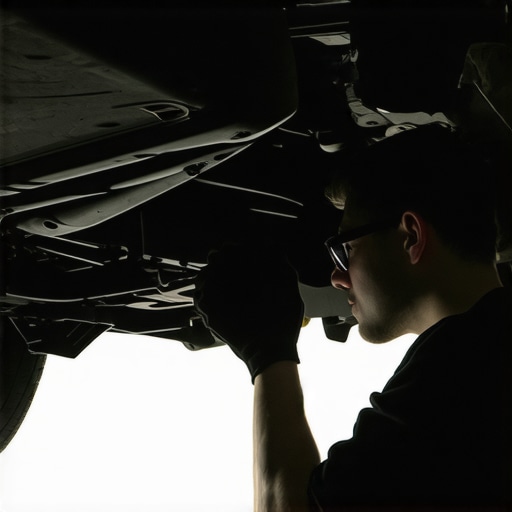 When it comes to car maintenance and repairs, many enthusiasts and even seasoned mechanics fall prey to misconceptions that can lead to costly mistakes. Let’s dig deeper into some of these fallacies, focusing on nuances often overlooked by the average vehicle owner. For instance, a widespread belief is that transmission fluid never needs to be changed if the car shifts smoothly. However, expert sources emphasize the importance of regular fluid replacement to prevent metal flakes and maintain optimal gear engagement, as detailed in this study.Another common myth involves collision repairs: many assume that minor dents aren’t worth fixing, but even small imperfections can compromise your vehicle’s structural integrity and aesthetic value, especially when considering the precise alignment of panels, which collision renewal specialists address meticulously. An advanced mistake many car owners make is delaying brake service, believing that squeaks are harmless. Yet, grinding brakes can indicate worn-out pads or warped rotors, increasing stopping distances. Stay vigilant, and consult experts to avoid the ‘oops’ of brake failure. Beyond these, understanding the importance of high-quality parts over cheap alternatives can dramatically extend your vehicle’s lifespan. Cheap parts may seem cost-effective initially but often wear out faster, leading to repeat repairs and unforeseen expenses. For comprehensive insights, browsing transmission repair tips or vehicle care essentials can be game-changers. So, what about the risks of DIY repairs? Many car owners attempt fix-it-yourself projects without full knowledge, risking misdiagnosing issues like unseen transmission damage or suspension misalignments. While tutorials are helpful, some problems require specialized tools and expertise—don’t fall into the trap of the ‘quick fix.’
Why Do Many Repairs Fail to Last as Expected
Let’s consider why some repairs seem to deteriorate rapidly afterward. This often results from neglecting the proper diagnosis or using inferior parts. For example, failing to flush transmission fluid or ignoring subtle signs of suspension wear can cause issues to reappear soon after repairs. Expert mechanics always recommend thorough diagnostics and professional-grade parts to ensure durability. Remember, temporary fixes might save money upfront but can lead to bigger expenses later. Stay informed, invest in quality, and don’t underestimate the value of regular maintenance. Have you ever fallen into this trap? Let me know in the comments.Maintaining your vehicle’s transmission, collision repairs, brakes, and general auto repair requires more than just basic knowledge; it demands the right tools and systematic methods. Personally, I rely on a mix of high-quality diagnostic devices and precision equipment that have proven invaluable over years of auto maintenance. For instance, I swear by a digital code reader like the Autel MaxiCOM MK808, which provides comprehensive diagnostics, including ABS and transmission-specific codes, enabling me to pinpoint issues quickly without guesswork. This not only accelerates repairs but also enhances accuracy, saving me time and money.
How do I keep auto repairs dependable over time?
Regularly investing in a professional-grade torque wrench is a game-changer. For example, when dealing with brake service, ensuring rotors and calipers are tightened to manufacturer specifications prevents warping and uneven wear. I personally use a torque wrench set to the precise values recommended in collision renewal strategies for restoring your car to perfection, which you can explore for more detailed guidance. As vehicles evolve, so do the tools; upcoming trends indicate increased utilization of AI-powered diagnostic systems, promising even faster and more precise maintenance workflows. Embracing these advancements will be crucial for long-term reliability. One tip I recommend is regularly updating your diagnostic software—staying current ensures compatibility with the latest vehicle models and fault codes, helping you avoid costly misdiagnoses. Try integrating a professional-grade diagnostic scanner into your routine and observe how it transforms your maintenance confidence, especially when tackling complex issues like transmission troubleshooting or collision-related damage.
What the Road Taught Me About Vehicle Resilience
Experiencing that sudden looseness in my steering after a pothole forced me to realize that my car’s vulnerabilities are often hidden until extreme moments occur. It’s crucial to view each repair as a lesson in durability, understanding that minor signs can escalate if ignored. I learned to never dismiss small wobbles as trivial; they can be the first warning of deeper issues lurking within the transmission or suspension system.
This Isn’t Just About Fixing Cars—It’s About Building Confidence
Every time I properly diagnosed a problem or replaced a worn component, I gained trust in my vehicle’s capability to protect me. Automotive repairs are more than mechanical; they are confidence builders. Knowing the ins and outs of collision renewal strategies and auto diagnostics, like those outlined here, helped me avoid unnecessary costs and unsafe situations.
The Most Overlooked Auto Repair Tactic That Saved Me Money
Regularly inspecting mechanical connections and tightening bolts might seem mundane, but it’s your first line of defense against loose steering or suspension issues after hitting rough roads. I personally discovered that simply checking and tightening critical components prevented many future headaches. This simple step reinforced the importance of routine maintenance over reactive repairs, as discussed in these essential checks.
Why Professional Diagnosis Is Worth Its Weight in Gold
Despite my DIY enthusiasm, I’ve learned that persistent issues like loose steering or unusual vibrations demand expert tools and insights. Professional diagnostics often reveal hidden problems that mere visual checks or basic tests can’t detect. Investing in this expertise, as recommended in top repair tips, has prevented me from chasing symptoms and instead addressing root causes effectively.
My Journey Toward Smarter Vehicle Care
Over time, I’ve shifted from reactive fixes to proactive maintenance, embracing advanced tools like diagnostic scanners and torque wrenches. Now, I see auto repair not just as a necessity but as an opportunity to deepen my appreciation for my vehicle’s craftsmanship. This mindset, coupled with continuous learning through trusted resources, keeps my car running smoothly and safely for the long haul.