
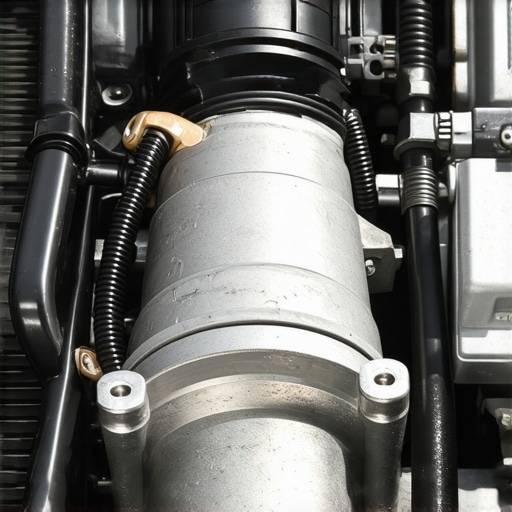
It happened suddenly. I was easing into a slow stop at a red light when my car started to feel off—strangely responsive, almost like my brake pedal was sinking or squishy. My heart sank a little. That’s when I realized I might have a sneaky problem: a leaking brake booster. For a moment, I wondered if I was imagining things, but deep down, I knew I had to get to the bottom of it before things got worse.
Spotting the Signs of a Leaking Brake Booster
In my own experience, the most frustrating part about a leaking brake booster is how insidious it can be. It doesn’t usually cause an immediate warning light or obvious fluid leaks, so you might not notice it right away. Instead, you’ll start feeling changes in your braking performance—like increased pedal effort, a hissing noise when you press the brake, or even a feeling that the brake pedal is almost ‘spongy.’
One thing I learned early on is that not all symptoms are obvious. Sometimes, the booster leaks tiny amounts of air, which can lead to decreased braking power over time. That’s why it’s crucial to know the subtle hints before it becomes a major safety concern. If your brake pedal feels different or you notice unusual noises, don’t ignore those signs. It’s far better to check and be safe than to gamble with brake failure.
Is Your Brake System as Safe as You Think?
Early in my auto repair journey, I made a big mistake: I assumed that if my brakes looked fine, they were fine. Turns out, brake boosters can malfunction without obvious fluid leaks or brake light warnings. Experts warn that a failing brake booster can compromise your ability to stop quickly, especially during emergencies. According to industry studies, a weak brake booster can increase stopping distances and reduce overall brake responsiveness, putting you and your loved ones in danger (source).
So, how can you tell if your brake booster is leaking air? The good news is that there are a few straightforward tests and signs you can look out for. We’ll cover those next, along with simple steps to diagnose and fix the issue—because I believe no one should have to feel helpless behind the wheel.
Before diving into these checks, think about your recent driving experience. Have you noticed your brakes feeling unusually unresponsive? Or perhaps strange noises when applying the pedal? If so, keep reading. The sooner you identify the problem, the safer you’ll be on the road. And trust me, knowing how to spot a leak in your brake booster can save you headaches—and potentially money—down the line.
Now, let’s get into the practical side of things and learn how to check if your brake booster is leaking air. It’s simpler than you might think, and a quick inspection can give you peace of mind or alert you to a problem that needs professional attention.
Check the Brake Pedal for Sponginess
Start by pressing the brake pedal a few times with the engine off. If it sinks slowly to the floor or feels unusually soft, it’s a sign that the booster might be compromised. I once noticed this after a particularly long drive; the pedal felt different, almost like pressing against a sponge. This simple test helped me narrow down the issue before delving into more technical steps.
Perform the Engine Idle Test
With the engine running, press the brake pedal firmly and hold it down for a few seconds. Then, release the pedal and observe. If the pedal rises slowly or pulsates, it suggests a leak in the booster. A friend of mine tried this during a weekend diagnostic session, and the sluggish pedal response confirmed the suspicion, prompting a visit to the mechanic.
Listen for the Hissing Sound
A leaking brake booster often produces a distinctive hissing noise when the engine runs. To check, gently press the brake pedal and listen closely—preferably in a quiet environment. I once parked in my driveway and pressed the pedal as I listened, which revealed a faint hissing sound. This auditory cue can be a quick clue pointing toward booster issues.
Inspect the Vacuum Hose Connections
Turn off the engine and open the hood. Locate the vacuum hose connected to the brake booster—usually a thick rubber hose running from the intake manifold. Check for cracks, disconnections, or signs of wear. During my own inspection, I noticed a slight crack in the hose, which I replaced to prevent further leaks. Proper sealing here is crucial for maintaining brake assist function.
Use a Hand Pump Test if Necessary
If equipped with a hand pump or similar device, pressurize the booster system and observe any loss of pressure over time. While this is more advanced, some DIYers have reported success with this method. I attempted this method after consulting a professional, which confirmed the presence of a leak, helping me decide on timely repairs.
Consider Professional Diagnosis
If tests indicate a problem, but you’re unsure, it’s best to consult a professional. They can perform a smoke test or vacuum gauge analysis for definitive results. I learned this the hard way when my initial checks were inconclusive, but a mechanic’s diagnostic confirmed the leak, saving me from unsafe driving conditions.
Remember, catching these signs early prevents costly repairs and ensures your safety on the road. For more detailed maintenance practices, explore essential car service checks that can keep your vehicle in top shape.
 Many vehicle owners operate under misconceptions about auto maintenance, often trusting outdated beliefs or oversimplified advice. **Contrary to popular opinion, not every noise or warning light indicates an immediate crisis—sometimes, the nuances matter more than the obvious symptoms.** For example, many believe that a squeaking brake pad always signifies the need for replacement, but in reality, minor noises can sometimes be due to glazing or dust buildup, which can be addressed with proper cleaning rather than costly replacements. **Ignoring these nuances may lead to unnecessary expenses or overlooking more severe underlying issues.**
**A common myth is that all transmission fluid needs regular changing at fixed intervals.** Experts now recognize that transmission fluid can last much longer under certain conditions, and overchanging it unnecessarily can cause more harm than good, especially if not performed with the correct procedures. In fact, some studies suggest that excessive fluid changes may accelerate wear in some transmissions, contradicting traditional maintenance schedules (source).
What Do Auto Repair Shops Know That You Might Not?
The unspoken truth is that many repair facilities excel through diagnostic expertise rather than just replacing parts. For instance, in brake service, a thorough inspection might reveal that a warped rotor is a symptom of underlying caliper issues rather than simply replacing the rotor. Focusing solely on the most visible problem can lead to recurring failures. Advanced diagnostic techniques, like analyzing brake fluid contamination or uneven pad wear, help prevent such pitfalls and save you money over time. For comprehensive guidance, exploring this detailed auto repair guide can be invaluable.
**The trap of neglecting maintenance until a warning light appears** is another common mistake. Many drivers delay service tasks, thinking they are minor or optional. However, minor issues such as a slight decline in transmission performance or subtle brake pedal changes can escalate rapidly if left unchecked, leading to costly repairs or safety risks. Staying proactive with regular check-ups, like those outlined in essential service checks, ensures longevity and safety.
To make the most of your car’s health, it’s crucial to recognize that auto maintenance is layered. Being aware of the hidden nuances—such as the reasons behind strange noises, unusual vibrations, or fluctuations in vehicle behavior—can make a significant difference. Learning to read these subtle signs helps prevent minor problems from turning into major failures.
Have you ever fallen into this trap of misconceptions? Let me know in the comments. Remember, better knowledge leads to smarter choices behind the wheel.
Invest in Quality Diagnostic Equipment
One of the most valuable tools I personally rely on is a high-quality OBD-II scanner. Instead of generic code readers, I use a professional-grade scanner like the BlueDriver, which provides comprehensive diagnostics down to specific sensor faults. This tool has saved me countless hours by accurately pinpointing issues, especially with complex systems like transmissions and ABS. Additionally, pairing the scanner with diagnostic software such as OBDLink ensures I can monitor live data and notice early signs of potential problems, facilitating preventive maintenance that extends vehicle lifespan.
Utilize Precision Maintenance Tools
For tasks like brake service or transmission fluid changes, precise tools are indispensable. I recommend investing in a torque wrench that offers digital calibration; this ensures components are tightened to manufacturer specs, avoiding over-tightening that could lead to warping rotors or damaging seals. For example, using a Dewalt digital torque wrench allows for consistent, accurate tightening during assemblies, which significantly improves the longevity of parts. Remember, proper torque application is vital for long-term reliability, especially in critical systems that influence safety and performance.
Automate Routine Checks with Software
Modern vehicles can benefit greatly from maintenance management apps like auto maintenance tracking tools. I personally use a system integrated into my smartphone that reminds me of oil changes, filter replacements, and system diagnostics based on mileage and driving conditions. This proactive approach prevents degradation of key components like transmission fluid or brake system parts, maintaining optimal performance over the years. The future of auto maintenance lies in integrating digital tools for predictive diagnostics, reducing downtime, and saving costs.
Master Long-Term Maintenance Techniques
Beyond tools, knowing the correct maintenance routines makes all the difference. Regularly inspecting and flushing transmission fluid, for example, can improve reliability—particularly in high-mileage vehicles. I recommend following detailed guidelines such as those in this comprehensive auto repair resource, which covers proper intervals and procedures. Additionally, monitoring brake system health by checking pad wear and rotor conditions proactively helps avoid costly repairs down the line. Learning and applying these techniques ensures your car remains dependable for years to come.
Plan for Scalable Repairs and Upgrades
As your vehicle ages, consider integrating modular upgrade solutions like performance brake pads or aftermarket transmission components that can be swapped in easily. This scalability approach allows you to adapt your vehicle to changing needs without whole-system replacements, saving money and time. For instance, upgrading to high-performance brake pads can enhance stopping power, especially in demanding driving situations, while maintaining compatibility with existing rotors. Strategically planning these enhancements keeps your vehicle functioning optimally while extending its usable life. Be sure to consult trusted sources and professional mechanics to choose reliable parts that suit your vehicle’s model and usage.
To get started improving your maintenance approach, try implementing a digital diagnostic tool like the OBD-II scanner mentioned earlier. It can provide immediate insights into your car’s health, giving you a head start on long-term troubleshooting. Remember, maintaining your vehicle isn’t just about quick fixes—it’s about strategic upkeep that anticipates issues before they escalate. For more expert tips, don’t hesitate to reach out to professionals or consult dedicated guides to keep your car running smoothly for years to come.
The Hardest Lesson I Learned About Auto Repair and Brake Safety
Early in my journey with car maintenance, I underestimated the importance of subtle brake symptoms. I used to think a squeaky brake pad was the only warning sign—until I ignored a faint hissing noise and a soft brake pedal that gradually worsened. That moment taught me that minor anomalies often carry significant implications, and respecting them can prevent dangerous failures.
Unearthing My Blind Spots in Brake Diagnosis
I once believed that visible wear was the sole indicator for brake replacement. A deeper dive revealed how many issues, like vacuum leaks or caliper malfunctions, hide beneath the surface. Consulting detailed guides and professional diagnostics enlightened me to unseen dangers lurking in neglected components—reminding me that comprehensive inspection always beats surface-level assumptions.
Why Trusting My Gut Isn’t Enough in Auto Repair
Initially, I relied on intuition rather than data—assuming that if my brakes felt fine, they were safe. Over time, I learned to incorporate tools like OBD-II scanners and precise torque wrenches, ensuring my assessments were backed by facts. This shift from guesswork to informed strategy drastically improved my vehicle’s reliability and safety.
Realizations That Changed My Perspective on Auto Maintenance
- Never dismiss minor noises or pedal feel changes; they often signal deeper issues that need attention.
- Regular, thorough inspections can catch problems before they escalate, saving time and money.
- Utilizing modern diagnostic tools transforms reactive repairs into proactive maintenance, extending your vehicle’s lifespan.
- Understanding that not all symptoms are obvious encourages a more attentive and informed approach to auto care.
- Seeking professional advice when in doubt prevents potential safety hazards and costly damages down the line.
Tools That Elevate My Auto Repair Practice
My essential toolkit includes a high-quality OBD-II scanner for real-time diagnostics and a precision torque wrench to ensure proper assembly. These tools provide clarity and confidence, making maintenance tasks more accurate and less stressful.
Books That Reshaped How I Approach Car Repairs
Guides like “Auto Repair for Dummies” and industry manuals offered in-depth knowledge that bridged the gap between theory and practice. They emphasize critical thinking and problem-solving over rote procedures, empowering me to diagnose and fix issues more effectively.
Let Your Knowledge Drive You Forward
Taking ownership of your vehicle’s health is empowering and rewarding. Whether it’s learning to listen for subtle brake noises or understanding how diagnostic tools work, each step builds your confidence. Remember, auto repair is a skill honed over time—start small, stay curious, and enjoy the journey to becoming your own mechanic. Have you ever caught an issue early because you listened carefully to your car? Share your experience below, and let’s learn together!
,