
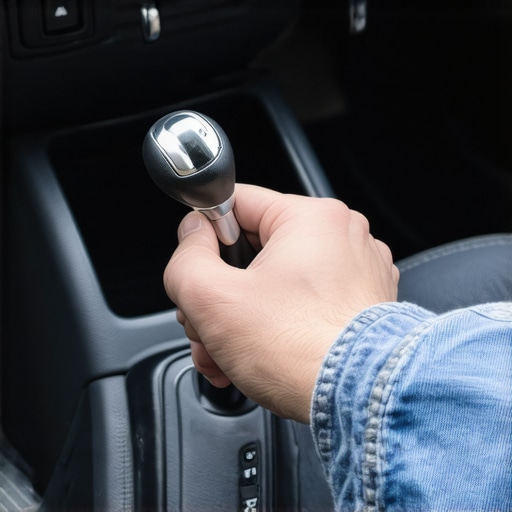
Ever been halfway up a steep hill, pressing the clutch pedal, only to feel the engine rev higher while the car barely moves? Or worse, felt that unsettling slip when accelerating from a stop, leaving you wondering if your car is about to let you down? I remember the moment I first noticed it—it was a slow realization that my beloved manual was starting to betray me, making every drive a small test of patience and trust. If you’ve faced the same, you’re not alone. Clutch slipping is a common problem that can sneak up before you even notice, but catching it early can save you a lot of unexpected repairs or dangerous situations.
Understanding the Signs Before Your Car Leaves You Stranded
Is Clutch Slipping Actually Worth the Worry?
When I was new to manual cars, I dismissed early warning signs, thinking they were just quirks. But I learned the hard way that ignoring clutch slipping can lead to costly repairs. As I discovered, early detection is key, and it’s more straightforward than you might think. Do you know what to look for? My goal here is to help you recognize the subtle hints your vehicle gives before it’s too late. We’ll cover the common signs, so you can keep your car running smoothly and avoid that embarrassing or dangerous breakdown on the highway.
One mistake I made initially was believing that a little slip was normal. Turns out, it isn’t. Modern insights show that if a clutch begins to slip, it’s often a sign of wear that needs attention—think of it as your car’s way of crying out for help. For more on maintaining your vehicle’s health, check out essential car service checks. Recognizing these early symptoms not only extends the life of your clutch but also ensures safety on the road. Now, let’s dive into the specific indicators that signal your clutch might need a professional diagnosis, so you can take informed action before it’s too late.
Test Your Clutch with a Controlled Drive
First, find a safe, quiet stretch of road with minimal traffic. Accelerate gradually in a low gear, and note if your engine revs higher than usual without corresponding acceleration. This is a classic sign of clutch slip. I once took my car to a quiet parking lot, eased onto the accelerator in second gear, and felt the engine rev increase sharply while the car barely moved forward, confirming my suspicion. This practical test provides immediate clues about your clutch’s condition.
Inspect the Clutch Pedal and Engagement Point
Press the clutch pedal and observe where you feel resistance. If it engages very high or very low in the pedal’s travel, it indicates potential issues. In my experience, a clutch engaging near the top can suggest slipping or worn components. Adjusting or replacing parts might be necessary, and understanding this brings you one step closer to a solution. How your clutch engages tells you if the friction plate or release bearing is failing.
Examine the Transmission Fluid
Low or contaminated transmission or clutch fluid can cause slipping. Check the fluid level and quality—refer to your vehicle’s manual for detailed procedures. I once found dark, gritty fluid during a routine check, which led me to flush and refill with fresh fluid. Proper fluid ensures smooth engagement, functioning as the lubricant and cooling agent for your clutch system.
Test for Oil or Contaminants
Look for signs of oil or dirt on the clutch disc or around the bell housing. Oil contamination is a common cause of slipping. I once discovered oil seeping from a rear main seal, which contaminated the clutch. Cleaning affected parts and sealing leaks made a huge difference. Regular inspections help catch this issue early before costly replacements are needed.
Use a Stethoscope to Detect Unusual Noises
Unusual sounds like squeaks or grinding during clutch operation suggest worn release bearings or damaged pressure plates. In my case, a faint grinding noise prompted me to inspect and replace the throw-out bearing, restoring smooth operation. Listening carefully during engagement reveals critical information about internal component health.
Consider the Clutch’s Physical Condition
Inspect the clutch disc, pressure plate, and flywheel for signs of wear, cracks, or warping. While this requires removing components, visual inspection can reveal uneven surfaces or broken springs. I once saw a cracked pressure plate during a repair, which was a clear indicator for immediate replacement.
Schedule Professional Diagnosis and Repair
If your tests point toward clutch wear or damage, consult a professional. Driving with a slipping clutch can lead to further damage, including transmission problems. A certified mechanic can perform a comprehensive diagnosis using specialized tools, ensuring a reliable fix. For trusted service providers, check CollisionRenew’s repair strategies. Remember, timely repairs extend your clutch’s lifespan and keep you safe on the road.
Replace the Clutch Components if Necessary
Depending on the severity of wear, replacing the clutch disc, pressure plate, and release bearing may be required. Consider upgrading to higher-quality parts if you plan to keep the vehicle long-term. I opted for OEM parts during my last clutch replacement, which paid off in durability. This action ensures optimal performance and prevents recurring issues.
Test Drive to Confirm Repair Success
After repairs, perform several test drives in varied conditions—city traffic, highway, and hill climbs—to verify the fix. Pay attention to pedal engagement point, smoothness, and absence of slipping. In my case, a careful test drive revealed the clutch now engaged precisely where it should, restoring confidence in my vehicle’s reliability. Regular driving tests help catch any residual issues early.
Maintain Your Clutch for Longevity
Adopt good driving habits such as avoiding riding the clutch, not holding it down unnecessarily, and engaging gears smoothly. Regularly check fluid levels and inspect for leaks. During routine maintenance, consider having the clutch system inspected, especially if your vehicle exhibits early signs of wear. This proactive approach prolongs your clutch’s lifespan and saves money over time.
Many car owners believe that sticking to standard maintenance schedules guarantees vehicle safety, but in my experience, there’s more nuance to brake and auto repair that often gets overlooked. For instance, there’s a common myth that Brake Service should always involve replacing all brake pads and rotors simultaneously. While this might sound like the safest approach, it’s not always necessary and can lead to unnecessary expenses. A detailed inspection, considering the specific wear patterns and functional condition, can save you money and still ensure optimal safety. This highlights the importance of precise diagnostics over blanket replacements, which is a nuanced practice many drivers miss.
Another overlooked aspect concerns transmission fluid in auto repair. Many assume that topping up fluid levels is sufficient, but neglecting fluid quality and potential contamination can cause serious issues, including slipping or overheating leading to costly repairs. Regularly inspecting and replacing transmission fluid based on expert guidelines extends the lifespan of your transmission more effectively than just monitoring fluid levels. For deeper insights on maintaining your transmission, visit [essential car service checks](https://collisionrenew.com/essential-car-service-checks-to-extend-your-vehicles-life).
A critical nuance that often surprises even seasoned DIY enthusiasts is the significance of proper brake pad bedding. Failing to perform a proper bedding process during replacement can result in uneven pad deposits, reduced braking performance, and increased wear. This step is frequently skipped due to a misunderstanding that brake replacement is straightforward; however, neglecting it can lead to premature component failure. Make sure your auto repair shop follows the correct procedures—it’s an investment in safety and longevity. Want to learn more? Check out [the ultimate guide to auto repair](https://collisionrenew.com/the-ultimate-guide-to-auto-repair-keep-your-car-running-smoothly) for comprehensive tips.
What most people get wrong about collision repair is assuming minor dents don’t matter. In reality, even small body damage can harbor hidden rust or weaken structural integrity, especially in areas with road salt or humidity. Professional collision renewal involves more than cosmetic fixes; it requires a focus on long-term resilience. For example, paint peeling or misalignments might seem trivial but could indicate underlying frame issues. Rushing repairs not only jeopardize safety but can also lead to higher costs down the line. Regular inspections and trusted repairs are crucial to avoid this trap. Discover more about advanced collision techniques at [collision-renewal strategies](https://collisionrenew.com/collision-renewal-strategies-restoring-your-car-to-perfection).
For the dedicated automotive enthusiast, understanding the nuances of transmission behavior enhances troubleshooting skills. When a vehicle shifts hard or hesitates, it’s tempting to think it’s just a minor glitch. In my experience, these signs can point to deeper problems like worn clutch plates or failing solenoids. Ignoring these symptoms can cause further damage, making repairs more complicated and expensive. Advanced diagnostics involve careful analysis of shift timing and pressure tests—skills that separate amateurs from pros. To get equipped with such knowledge, explore [top transmission repair tips](https://collisionrenew.com/top-transmission-repair-tips-for-long-term-vehicle-reliability). Have you ever fallen into this trap? Let me know in the comments.
Equip Yourself with Precision Tools for Reliable Auto Care
When it comes to keeping your vehicle in top shape, having the right tools is essential. I personally recommend investing in a high-quality digital multimeter. It’s become my go-to for diagnosing electrical issues, ensuring that components like sensors and relays function correctly. A reputable multimeter not only helps in pinpointing problems quickly but also prevents unnecessary replacements. Another indispensable tool is a torque wrench, which ensures that fasteners—like wheel lug nuts or suspension bolts—are tightened to manufacturer specifications, preventing long-term damage. Precision tools like these save time and money, especially during complex repairs such as transmission overhauls or brake system refurbishments.
For more advanced diagnostics, I utilize a professional-grade OBD-II scanner. Not the basic generic models, but a device capable of reading manufacturer-specific codes and live data streams. This enables me to monitor engine performance and identify issues like misfires or sensor errors before they escalate. I personally use the BlueDriver scanner because of its detailed reports and intuitive app interface, making it accessible even for DIY enthusiasts. These tools are particularly important when performing routine maintenance or troubleshooting complex systems, giving you insights that usually require a mechanic’s expertise.
Methodical Maintenance Doesn’t Stop with Tools
Using reliable equipment is only half the battle. I advocate a systematic approach—creating maintenance logs, scheduling regular inspections, and keeping detailed records of every repair or part replacement. Modern software like essential car service checks helps me stay organized, reminding me of service intervals based on real-world driving conditions. Such disciplines prevent minor issues from developing into catastrophic failures, especially with components like the transmission, where fluid analysis can reveal early signs of degradation. Regularly checking fluid clarity and color, for instance, can provide early warnings about impending transmission failure, often avoiding costly rebuilds.
Where Do I See Automotive Maintenance Going?
Looking ahead, I believe integration of diagnostic tools with mobile apps and cloud data will become standard. This will allow car owners to perform basic diagnostics at home and share data instantly with mechanics, speeding up repairs and reducing costs. Additionally, advanced sensor technologies will offer predictive maintenance, alerting drivers about component wear before symptoms even manifest. Such trends will empower drivers to take control of their vehicle health, reducing breakdowns and extending vehicle lifespan significantly.
How do I keep auto repair knowledge sharp over time?
Staying current with ongoing innovations and tools is vital. I recommend subscribing to industry-specific publications and joining online communities where experienced professionals share tips. For instance, regularly reviewing repair strategies at CollisionRenew’s repair strategies keeps my knowledge fresh. Don’t hesitate to invest in refresher courses or workshops—hands-on expertise remains unmatched for complex tasks like transmission repair or collision renewal. The key is proactive learning, which ensures your vehicle remains dependable for years to come. Why not start implementing a new diagnostic routine with your Torque wrench or multimeter today? It’s a small step that makes a big difference in maintaining your car’s long-term health.
What the Toughest Clutch Lessons Taught Me About Auto Repair
- I’ve learned that ignoring subtle warning signs like high engagement points or slipping acceleration can lead to expensive repairs. Recognizing these early is a game-changer.
- My biggest insight is that proper fluid maintenance isn’t just routine—it’s vital. Contaminated or low transmission fluid often sneaks into causing clutch slip, which could have been prevented with regular checks.
- Trying DIY fixes without understanding the internal components can be risky. Investing in professional diagnosis, coupled with the right tools, often saves time and money in the long run.
- Patience during repairs, especially with complex parts like the clutch system, leads to better outcomes. Rushing can result in incomplete fixes or future failures, emphasizing the importance of meticulous work.
Tools and Resources That Changed My Approach to Auto Care
- My trusted digital multimeter helps me swiftly identify electrical issues that could affect clutch sensors or related systems, ensuring quicker diagnostics.
- The professional-grade OBD-II scanner I use provides in-depth data, guiding me through complex repair decisions with confidence.
- High-quality OEM replacement parts from reputable suppliers guarantee durability and prevent recurring clutch problems, which I found to be invaluable for long-term reliability.
- Keeping detailed maintenance logs, aided by helpful software, allows me to track wear patterns and schedule proactive inspections, extending my vehicle’s lifespan.
Your Next Step Toward Confident Auto Maintenance
Understanding the nuances of clutch care isn’t just for mechanics—it’s for anyone who wants a reliable, safe vehicle. Remember, small signs can lead to big savings if addressed early. Whether you’re a DIY enthusiast or prefer professional assistance, arming yourself with knowledge and the right tools transforms auto repair from a doubt into a success story. Why not start today by checking your clutch engagement point or fluid levels? Your vehicle—and your wallet—will thank you.
What’s the first step you’ll take to enhance your vehicle’s clutch longevity? Share your plan below—I’d love to hear your thoughts!
,