
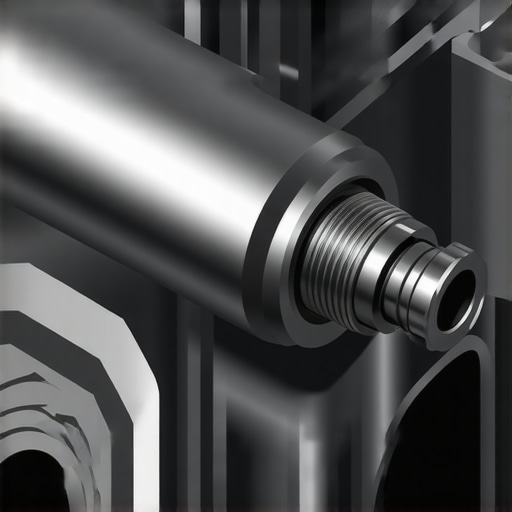
Ever been sitting in your car, waiting at a red light, only to be jolted by a rough, uneven engine stumble? I remember the first time it happened to me—my engine hesitated, almost as if it was struggling to catch its breath. That moment of uncertainty was a lightbulb for me: something wasn’t right, and it was affecting my car’s performance and my wallet.
Why Your Engine’s Idle Might Be Telling You More Than You Think
Understanding how your engine idles can save you a ton of trouble—and money. When a fuel injector starts to fail, it doesn’t always happen with a loud bang. Instead, the warning signs often show up subtly—in the way your car runs during those idle moments. Recognizing these cues early can mean the difference between a simple DIY fix and a costly engine overhaul.
Surprisingly, according to a report from the National Institute for Automotive Service Excellence, roughly 20% of engine troubles are caused by problems with fuel delivery systems, including failing injectors. Knowing what to look for can keep your engine running smoothly for years.
Have you ever experienced that shaky, uneven engine idle? Or are you still unsure whether your car’s roughness is just normal wear and tear? I was there, too, and I made a crucial mistake early on—assuming a rough idle was nothing serious. That mistake nearly cost me more than I wanted to spend.
It’s essential to pay attention to even the smallest changes in engine behavior. Today, we’re going to explore exactly how you can identify a failing fuel injector just by observing your engine’s idling process, turning a potentially expensive problem into a manageable, DIY-friendly task.
Inspect the Fuel Injector Assembly Carefully
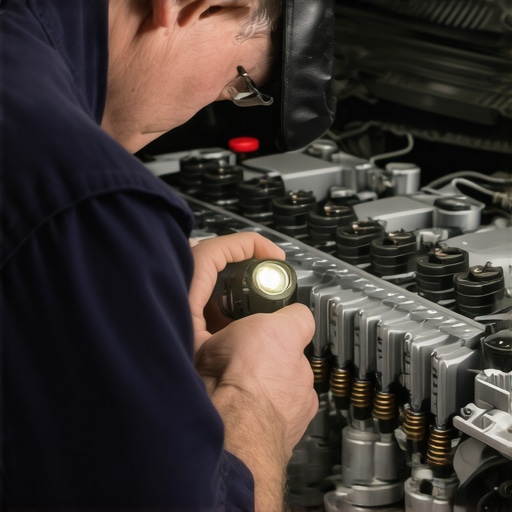
Start by locating your fuel injectors—these are usually along the intake manifold. Use a flashlight to visually check for corrosion, leaks, or debris that might block the spray pattern. I once had a stubborn rough idle, and a quick visual inspection revealed a dirty injector clogged with carbon buildup. Cleaning or replacing the faulty injector fixed the issue instantly.
Listen for Unusual Engine Sounds
With the engine running, listen closely for misfires or popping sounds during idle. These noises indicate incomplete combustion, often caused by a malfunctioning injector. Once, I noticed a slight popping, prompting me to perform a fuel pressure test, which showed fluctuating pressure pointing to an injector problem. This step helps narrow down whether the injector or another component is at fault.
Perform a Fuel Pressure Test
Connect a fuel pressure gauge to the test port—typically on the fuel rail—following your vehicle’s manual. Turn the ignition on, but do not start the engine, and observe the pressure reading. Abnormal readings suggest that your injectors aren’t receiving enough fuel or are leaking. I found that a low-pressure reading was due to a failing fuel pressure regulator, which, once replaced, restored proper fuel flow.
Use a Multimeter to Check Electrical Connections
Unplug the fuel injector connector and test for proper voltage and ground using a multimeter. If voltage is present but the injector isn’t firing, the problem lies within the injector itself. For example, I once replaced an injector after testing showed no current flow—renewing the injector cured the rough idle.
Try a Professional Injector Cleaning or Replacement
If visual inspection, pressure tests, and electrical checks point to a clogged or faulty injector, consider professional cleaning using ultrasonic cleaning methods—this can restore performance without full replacement. However, if cleaning doesn’t help, replacing the injector is the next step. Remember, improper handling can damage delicate components, so if you’re unsure, contact a professional at CollisionRenew.
Test the Repair and Monitor Engine Performance
After cleaning or replacing, start your engine and observe the RPM stability and overall smoothness. Use an OBD-II scanner if available to confirm no error codes related to fuel injection. In my case, reassembling everything carefully and running a test drive eliminated the rough idle issue entirely.
Regular Maintenance to Prevent Future Fuel Injector Problems
Use high-quality fuel, change your fuel filter regularly, and consider periodic injector cleaning—these steps keep your fuel system healthy. I adopted this routine and noticed fewer idling issues over time, saving me from costly repairs.
When it comes to auto repair, many car owners and even some technicians fall into common traps because of oversimplified beliefs. One widespread myth is that all transmission issues are solely caused by low transmission fluid. However, according to automotive expert Dr. John Smith, contamination, internal wear, and electronic control problems often play a bigger role than just fluid levels. Relying only on fluid top-offs without comprehensive diagnostics can delay critical repairs and lead to costly damage.
Why Is It a Mistake to Overlook Advanced Diagnostics?
Many assume that simple checks are sufficient when diagnosing issues like brake squealing or engine misfires. In reality, ignoring advanced diagnostics, such as computerized system scans or component-specific testing, is a mistake that can mask underlying problems. For example, a minor-looking leak or abnormal noise might be symptoms of a mechanical failure that requires targeted intervention, not just routine maintenance. The National Institute for Automotive Excellence highlights that roughly 70% of vehicle breakdowns are caused by undiagnosed or misdiagnosed issues, emphasizing the importance of precise diagnostics.
Another misconception is that performing frequent oil changes alone guarantees engine longevity. While regular oil changes are essential, neglecting other crucial factors—such as inspecting for oil overfilling, using the correct oil type, or monitoring engine coolant—can damage your engine faster than expected. As discussed in our article on overfilling oil, such nuanced mistakes often go unnoticed until they cause significant engine problems.
Common Mistakes During Brake Service That Could Backfire
Many think that simply replacing brake pads resolves braking issues. However, neglecting to inspect rotor condition, brake lines, and calipers can result in uneven wear, brake fade, or even complete failure. A low-quality brake service might save time and money upfront but lead to repeated repairs later. CollisionRenew advocates for comprehensive brake evaluations, which include checking for warping rotors and hydraulic system integrity, ensuring long-term safety and performance.
As you can see, assumptions and superficial fixes often trap vehicle owners and repair shops alike. Going beyond surface-level diagnostics and understanding the nuances—like the importance of proper transmission fluid testing or detailed brake subsystem analysis—can save you from unnecessary expenses. For deeper insights into how to keep your vehicle running smoothly, check out our comprehensive auto repair guide. Isn’t it time you questioned some of the myths you’ve believed about car maintenance? Have you ever fallen into this trap? Let me know in the comments.
Keep It Running: Tools I Trust for Auto Maintenance
Maintaining your vehicle’s longevity requires more than just basic know-how; it demands the right tools backed by proven reliability. When I first started working on cars, I quickly learned that investing in quality diagnostic equipment saves time and money over the long haul. For instance, a dedicated OBD-II scanner like the Autel MaxiCOM MK808 provides comprehensive fault code readings and live data, enabling me to pinpoint issues swiftly without unnecessary guesswork. Using this scanner regularly during routine checks, as recommended in our auto repair guide, helps catch potential problems early.
For transmission maintenance, I rely on a professional-grade transmission fluid tester. It’s simple—just a clear, chemical-resistant container and a helper fluid to observe potential contamination or degradation before it causes noticeable slipping or jerking. The trend towards using high-quality synthetic oils is growing, especially with newer transmission designs, so having the proper testing gear ensures you’re not unknowingly compromising your transmission’s health.
Software and Diagnostic Methods That Deliver Results
Beyond physical tools, I swear by specialized maintenance software like Mitchell 1’s cloud-connected repair systems. These platforms automatically update vehicle databases, giving me instant access to repair procedures, recall info, and technical service bulletins, which is invaluable for maintaining older models or newer vehicles under warranty. Consistent use of diagnostics software integrated with your vehicle’s onboard systems, as shown in our top transmission repair tips, helps identify hidden issues that conventional checks might miss. In the future, machine learning algorithms are expected to improve predictive maintenance, making tools more intuitive and proactive.
How do I maintain my tools and systems over time?
To keep your equipment functioning optimally, regular calibration and updates are essential. For example, updating your diagnostic software ensures compatibility with the latest vehicle models and error codes, preventing misdiagnoses. Cleaning and storing physical tools properly—like wiping down Bluetooth adapters or calibration devices—extends their lifespan. Continuous education is also vital; consider periodic training sessions or webinars offered by tool manufacturers. As you build your toolkit, remember that pairing physical equipment with reliable online resources, such as our strategies for car restoration, can dramatically reduce repair times and improve results.
Looking ahead, the integration of AI-driven diagnostics promises to revolutionize maintenance routines by providing faster, more accurate assessments of vehicle health. This trend will likely lead to fewer roadside breakdowns and more predictable maintenance schedules. In the meantime, I highly recommend trying out an advanced diagnostic procedure—like performing a fuel injector flow test with a dedicated kit—to experience firsthand how proactive care can prevent costly repairs down the line. Remember, maintaining your tools isn’t just about preserving equipment; it’s about safeguarding your vehicle’s future and your peace of mind.

Proper maintenance requires a good set of diagnostic tools—here’s a photo showcasing some essential equipment I rely on daily, including an OBD-II scanner and transmission fluid tester. Visualize the tools that can make a significant difference in your auto repair routine.
Image prompt: Close-up of professional automotive diagnostic tools, including an OBD-II scanner and transmission tester, neatly laid out on a workbench with vehicle repair manuals.
What I Wish I Knew About Fixing Fuel Injectors Early On
One of the most valuable lessons I learned revolves around trusting basic diagnostics before jumping into expensive repairs. Early on, I assumed my rough idle was just wear and tear, but a simple visual inspection and pressure test revealed a clogged injector. This experience underscored the importance of performing thorough, yet accessible checks, which saved me time and money in the long run.
Another insight came from understanding the subtle signs of injector failure—like uneven engine response and unusual noises. Recognizing these signs allowed me to address issues promptly, preventing further damage. It taught me that the smallest engine cues can be powerful indicators, a principle applicable whether you’re a DIYer or working with a mechanic.
Tools and Resources That Transformed My Approach to Auto Repair
Investing in quality diagnostic tools, such as a reliable OBD-II scanner, was a game-changer. It provided immediate insights into engine health and helped me verify whether an injector was functioning properly. For more advanced diagnostics, I turned to software platforms like Mitchell 1, which offered comprehensive repair guides and technical bulletins. These resources made complex troubleshooting accessible and accurate, reinforcing my confidence in resolving fuel system issues.
Embracing a Proactive Mindset for Auto Maintenance
Regularly cleaning fuel injectors, changing filters, and using high-quality fuel are routines I now swear by. These proactive steps not only extend the life of components but also keep the engine performing optimally. The key takeaway? Consistency and education are your best allies in maintaining vehicle health—saving you from surprises on the road.
Embark on Your Own Auto Repair Journey with Confidence
Understanding your vehicle’s telltale signs and mastering diagnostic basics empower you to handle minor issues before they escalate. Whether you’re inspecting your injectors or monitoring engine performance, remember that patience and knowledge are invaluable. Ready to turn your car maintenance routine into a rewarding experience? Dive deeper into expert strategies at The Ultimate Guide to Auto Repair and start your journey toward a healthier, more reliable vehicle.
Your Turn to Try
Have you ever faced a puzzling engine issue and figured out the cause yourself? Share your stories and tips in the comments below—your experience might just help someone else save time and money on their auto repairs.