
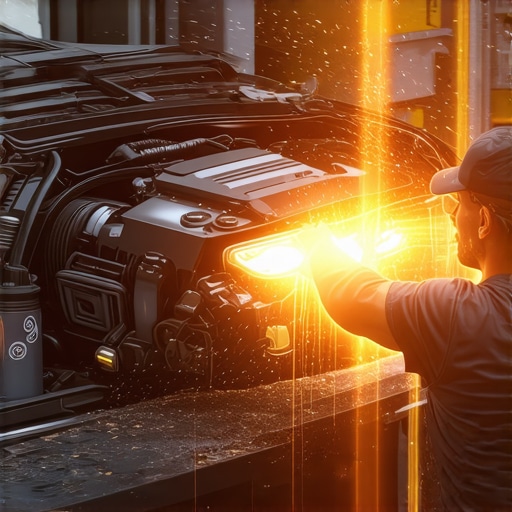
It happened unexpectedly—after my latest oil change, I noticed a strong, burning smell wafting inside my car. My stomach sank. I thought perhaps I had overlooked something or that the mechanic hadn’t done the job right. The smell was so intense that I feared for my engine’s health and wondered if I was just imagining things. Turns out, I wasn’t alone in this frustrating experience. Many car owners face a similar dilemma where their vehicle begins to emit a burning oil odor right after an oil change.
Getting to the Root Cause of the Burning Smell
The truth is, that smell can be more than just a minor inconvenience. It often signals underlying issues that, if ignored, might lead to more serious engine problems or even safety hazards. Over the years, I’ve learned that understanding why this odor appears is essential for proper vehicle maintenance and to avoid costly repairs down the line. Today, I’m going to share my personal insights and practical advice on pinpointing and resolving this common, yet confusing issue.
Is the Burning Oil Smell Actually Worth the Concern?
A mistake I made early on was dismissing the smell as just a side effect of a recent oil change. But ignoring it can be risky. That’s why I urge you to pay close attention. In my case, I initially thought perhaps some residual oil had spilled onto hot engine parts. However, it turned out that a simple oversight during the oil change process caused a small oil leak, which burned off as the engine warmed up. According to automotive experts, burning oil odors are often linked to leaks, oil spills, or contaminated oil that wasn’t replaced properly—a mistake I also made. For more detailed guidance on avoiding such mistakes, check out [this comprehensive guide](https://collisionrenew.com/the-ultimate-guide-to-auto-repair-keep-your-car-running-smoothly).
Understanding these nuances can prevent minor issues from escalating. In the subsequent sections, we’ll explore the common causes behind the burning oil smell and provide practical steps to fix the problem effectively. So, if you’ve faced this issue and wondered whether it’s a sign of something worse, keep reading—you’re not alone, and there’s help available.
Inspect for Oil Leaks Immediately
Start by visually examining the engine bay for fresh oil leaks, especially around the filter and drain plug. I remember the first time I did this; I noticed a tiny oil puddle near the filter, a clear sign I needed to tighten it properly. Use a flashlight if necessary and look for wet, shiny spots that indicate fresh oil.
Clean the Engine Surface Thoroughly
Wipe down visible oil residues with an engine degreaser, focusing on areas where oil might burn off during operation. In my experience, thorough cleaning prevents residual oil from causing smoke or burning smells. After cleaning, start the engine and observe if any oil still appears to leak.
Check Oil Level and Condition
Use your dipstick to verify the oil level. Overfilling can cause excess oil to splash onto hot components. Also, assess oil quality—dark, gritty oil suggests it’s time for a change. I once found out my oil was contaminated with dirt, which burned off and caused the smell.
Identify and Repair Oil Leaks
If leaks are present, tighten loose components like the drain plug or oil filter. For stubborn leaks, replacing faulty seals or gaskets is necessary. Think of it like sealing a leaky pipe—an effective fix prevents oil from escaping and burning.
Replace Faulty Valve Cover Gaskets
Worn gaskets can cause oil seepage onto hot engine parts. I replaced mine after noticing minor oil spots; it significantly reduced the smell and prevented further leaks. Follow your vehicle’s repair manual for detailed gasket replacement steps or consult a professional for assistance.
Ensure Proper Oil Level During Top-Up
Always use the recommended oil type and check levels after topping up. Overfilling can cause oil to escape seals or splash onto hot parts. When I accidentally overfilled once, I experienced a stronger smell; draining some oil fixed it immediately.
Monitor for Contaminated Oil
If the oil looks milky or gritty, it’s contaminated and should be replaced promptly. Contaminants burn more readily, creating odors and potentially damaging your engine. Regular oil changes according to your owner’s manual will avoid this issue.
Address Oil Spills During Oil Change
When performing or having an oil change, ensure the mechanic cleans excess oil and properly seals all components. An overlooked spill near the exhaust manifold can cause a burning smell. I learned this when a small spill burned off hours later, triggering the smell again. For professional assistance, contact experts at Collision Renew to ensure all oil-related issues are thoroughly inspected and resolved.
Prevent Future Odors with Routine Checks
Regular inspection using essential car service checks helps catch potential leaks early. Maintaining clean engine components reduces the risk of oil burning and mitigates odors over time.
When it comes to automotive maintenance, there’s a common myth that brake service always involves expensive part replacements. In reality, many vehicle owners believe that a complete brake overhaul is necessary every time they notice squealing or soft pedal feel. However, experts like those at Collision Renew suggest that often, simple caliper adjustments or brake fluid flushes can restore performance without breaking the bank. This misconception can lead drivers to overlook routine inspections, risking more costly repairs down the line.
Could Neglecting Subtle Brake Issues Lead to Major Failures?
Many think that minor brake noises are just normal wear and tear, but this is a dangerous oversight. Small issues like uneven brake pad wear or minor fluid leaks might seem insignificant, yet they can escalate rapidly if ignored, causing complete brake failure or damage to the rotors and calipers. Just last year, a client of Collision Renew ignored a persistent pulsing pedal, and it resulted in warped rotors costing nearly double the usual repair expense. According to automotive safety studies, neglecting minor brake symptoms often correlates with increased accident risk, reinforcing the importance of early diagnosis and maintenance.
Another nuance most car owners miss concerns the transmission. Some believe that transmission problems only appear as slipping gears or delayed shifts. But in reality, subtle signs like delayed engagement, hard shifting, or odd noises can signal early transmission wear, which, if caught in time, can be fixed with simple fluid changes or minor repairs. For advanced guidance on diagnosing and addressing transmission issues, visit this guide.
Furthermore, many drivers are unaware that auto repair shops sometimes mislead customers into unnecessary procedures. For example, pushing for full transmission rebuilds when a basic fluid flush could suffice is a common trap. Recognizing these tactics requires understanding the nuanced differences between maintenance and over-treatment, which seasoned repair experts like Collision Renew can clarify.
Beware of the trap where improper brake pad installation or using generic parts leads to premature failure. A proper brake service involves more than just replacing pads; it requires precise rotor resurfacing or replacement, bleeding brake lines, and verifying pedal feel. Cutting corners here can jeopardize driving safety.
In summary, knowing the hidden nuances of auto repairs can save you money and extend your vehicle’s lifespan. Don’t blindly trust advertisements promising quick fixes; instead, rely on thorough inspections and expert advice. For ongoing maintenance tips and to avoid common pitfalls, explore essential car service checks. Have you ever fallen into this trap? Let me know in the comments.Maintaining your vehicle over the long term requires more than just basic knowledge; it demands the right tools and a disciplined approach. As someone deeply involved in auto repair and collision renewal, I’ve developed a toolkit that combines professional-grade equipment with digital diagnostics to ensure my car stays in top shape. One tool I swear by is the OBD-II scanner. This device connects to your vehicle’s OBD port and provides instant insights into engine health, transmission issues, and sensor performance. I personally rely on the BlueDriver Bluetooth Professional OBDII Scan Tool because it links seamlessly with my smartphone, offering detailed reports and clear troubleshooting guidance. This tech-savvy approach allows me to catch issues early, well before they escalate into costly repairs.
Another indispensable resource is a set of high-quality diagnostic software. I use software like Mitchell 1 or AllData, which provides comprehensive repair procedures, wiring diagrams, and parts information. These tools are invaluable for diagnosing complex transmission problems or engine faults, especially as vehicles become increasingly sophisticated.
When it comes to physical tools, I invest in a precision torque wrench. Proper torque application during repairs, like brake caliper installations or transmission work, is critical to prevent future failures. I prefer digital models with torque angle measurement because they offer accuracy and ease of use. Consistent torque application ensures components are assembled correctly, extending their lifespan and maintaining safety.
Routine maintenance also benefits from these tools. For example, using a feeler gauge helps me precisely measure valve clearances, ensuring optimal engine performance. Similarly, a quality compression tester allows me to assess engine health without needing to remove major components.
What’s coming next in car maintenance technology? The trend points towards heightened integration of AI-driven diagnostics and predictive maintenance. These advancements aim to forecast issues based on driving patterns and sensor data, reducing unexpected breakdowns and repair costs. Staying ahead with current tools and methods prepares you for this future.
How do I keep my tools effective over time? Regular calibration of digital tools, updating diagnostic software, and choosing durable equipment are crucial. Additionally, maintaining a clean workspace and storing tools properly prolongs their lifespan. For long-term reliability, I regularly consult advanced guides like this resource to refine my maintenance strategies.
To get started, I recommend trying out a quality OBD-II scanner if you haven’t already. It’s a game-changer for early problem detection and saves significant money by avoiding unnecessary trips to the mechanic. Investing in the right tools pays off in extending your vehicle’s life and ensuring safety on the road.
Lessons That Changed My Approach to Auto Care
- I learned the importance of comprehensive engine inspections beyond the initial oil change, realizing that small overlooked details like loose seals or spilled oil can have significant consequences.
- My biggest insight was understanding that consistent routine checks can prevent minor issues from escalating into costly repairs, solidifying my commitment to regular maintenance habits.
- Discovering that using the right tools, such as a quality OBD-II scanner, isn’t just for professionals—it’s a game changer for catching problems early and saving money.
- Getting feedback from seasoned mechanics revealed that patience and attention to detail are invaluable—rushing repairs or ignoring subtle odors can lead to bigger headaches down the road.
Tools and Resources That Keep My Vehicle in Peak Condition
- The Essential Car Service Checks guide is my go-to for proactive maintenance, helping me identify potential leaks and issues before they become serious.
- I trust the transmission repair tips resource, which provides deep dives into preventive measures that keep my transmission smooth and reliable.
- The precision torque wrench I purchased from a reputable brand ensures I tighten engine components correctly, preventing future leaks or damage—a small investment that saves me money over time.
- For diagnosing hidden engine issues, I rely on advanced diagnostic software like Mitchell 1, which offers detailed repair procedures that boost my confidence in performing minor repairs myself.
Embracing the Future of Vehicle Maintenance
You’re now equipped with the insider wisdom and practical tools to keep burning oil smells at bay after oil changes. Embrace routine inspections, trust your intuition, and leverage technology to prevent minor issues from turning into emergencies. Remember, every small step towards proactive maintenance extends your vehicle’s lifespan and enhances safety on the road. Don’t wait for warning signs; start adopting these habits today, and your future self will thank you. What’s your biggest takeaway from this journey into smarter auto care? Share your experience below and let’s learn together.”,