

It was just another busy Saturday afternoon when I opened the car door after a long drive, only to be greeted by a pungent, sour smell that made my stomach turn. The kind of odor that seems to settle deeply into your nostrils, making every trip feel less like a joy and more like a test of endurance. I remember thinking, “What on earth now?” and feeling a wave of frustration because, like many car owners, I had no idea why my vehicle was suddenly emitting this rotten-egg smell.
Uncovering the Mystery of the Sulfur Smell in Your Car
It’s a common frustration among drivers: after pushing your car to its limits on a tough drive, encountering a foul smell that lingers long after you’ve parked. That distinct rotten-egg scent is primarily caused by a buildup of sulfur compounds, often linked to problems within the exhaust system or the catalytic converter. But what surprised me early on was learning that it could also be related to issues like a failing spark plug or even bacterial growth in the engine oil—things I would have never guessed at first.
Many people dismiss this smell as a minor issue, but neglecting it can lead to more serious engine problems down the line. In fact, according to industry experts, untreated catalytic converter problems can lead to engine failure or increased emission levels, which are not only costly but also harmful to the environment. That’s why I decided it was time to dig deeper.
Have you experienced this rotten-egg odor after a particularly strenuous drive or challenging terrain? If so, you’re not alone—and there are practical steps we can explore to eliminate this stinky problem once and for all.
Are Repairs Overhyped Or Is Fixing That Odor Still Worth Your Time?
When I first faced this issue, I made the mistake of trying to ignore it, thinking it was just a temporary annoyance. But I quickly realized that my early complacency was a mistake—much like overlooking signs of a failing brake system could lead to dangerous situations. I learned the importance of proper diagnosis and timely repairs, which I now share with others in hopes of helping them avoid costly setbacks.
In the upcoming sections, we’ll cover how to identify the root causes of that foul smell and, more importantly, how to address them effectively. Whether it’s ensuring your catalytic converter is functioning properly or checking for bacterial build-up in your engine oil, these practical tips will arm you with the knowledge to keep your vehicle smelling fresh—and running smoothly. For broader insights on maintaining your car after tough drives, I recommend checking out [The Ultimate Guide to Auto Repair](https://collisionrenew.com/the-ultimate-guide-to-auto-repair-keep-your-car-running-smoothly). Now, let’s get started on turning that stinky surprise into a problem of the past.
Inspect the Exhaust System Thoroughly
Start by visually examining your catalytic converter and exhaust pipes for signs of damage, corrosion, or blockages. I once jacked up my vehicle after noticing the smell and found a small hole in the catalytic converter, which was allowing sulfur gases to escape. Replacing or repairing the converter immediately stopped the odor, saving me from long-term engine issues. Think of it as patching a leaky pipe—repair the breach to prevent the smell from leaking into the cabin.
Check and Replace Failing Spark Plugs
Worn spark plugs can cause incomplete combustion, leading to excess sulfur compounds. Remove the spark plugs using a socket wrench, and inspect their condition. If they are blackened or worn out, replace them promptly. My experience was similar: after replacing faulty spark plugs, the smell vanished within days because the engine was burning fuel properly again. Ensure they’re gapped correctly—similar to setting the right rhythm for a musical instrument—to maintain optimal combustion.
Clean or Replace the Engine Oil
Bacterial buildup in oil can produce sulfur-like smells. Drain the old oil, replace the oil filter, and refill with fresh, high-quality engine oil. When I did this, I also added a fuel system cleaner, which helped eliminate residual sulfur compounds. It’s like airing out a musty closet—freshening the engine bay reduces unpleasant odors and prevents bacterial growth.
Inspect the Exhaust Gas Recirculation (EGR) System
The EGR valve controls emissions by rerouting some exhaust gases back into the engine. If clogged or malfunctioning, it can cause sulfur odors. Remove the EGR valve per your vehicle’s manual, clean it thoroughly with carburetor cleaner, or replace if necessary. I found that cleaning my EGR valve restored proper functioning, reducing both smell and emissions. Think of it as clearing a clogged faucet—restoring flow ensures clean operation.
Evaluate Your Car’s Cabin Air Filter
A dirty cabin air filter can trap sulfur particles, intensifying odors inside. Locate the filter (usually behind the glove compartment), remove it, and inspect for dirt or mold. Replacing it with a new filter takes just minutes and ensures clean air circulation. Once, after replacing my cabin filter, the interior smell improved noticeably—like opening a window on a stuffy day.
Address Bacterial Growth in the Engine Bay
Bacteria thrive in damp, dark areas. Spray a disinfectant or engine bay cleaner on the affected surfaces, focusing on areas prone to moisture, such as around the air intake and radiator. Use a brush to scrub stubborn spots. I used a simple mixture of water and white vinegar, which eliminated bacterial colonies and the associated smell. It’s akin to sanitizing a kitchen sponge—removing the source of decay eradicates odors entirely. 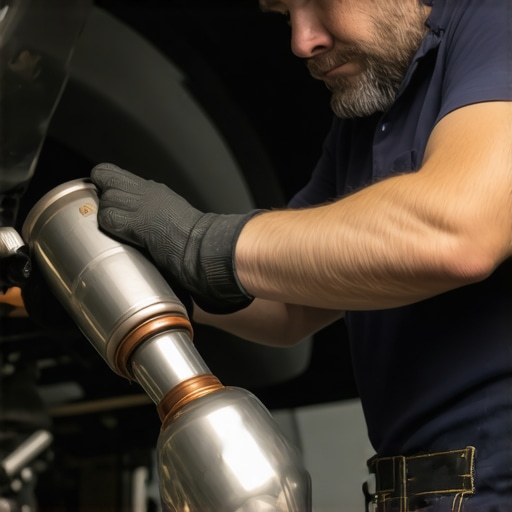
Prevent Future Odors with Routine Maintenance
Regularly check your exhaust system, replace spark plugs and engine oil on schedule, and keep air filters clean. This proactive approach is like maintaining your teeth—preventative care saves time and money in the long run. For comprehensive advice, visit essential car service checks to keep your vehicle in peak condition and steer clear of unpleasant surprises.
When it comes to maintaining your vehicle, many drivers rely on common advice or surface-level knowledge, but these misconceptions can lead to costly mistakes. One widespread myth is that all transmission issues are purely mechanical and will resolve with a simple fluid change, but in reality, diagnosing modern transmissions requires understanding complex electronic controls and wear patterns. According to automotive expert Dr. Mark Fossum, overlooking early signs of transmission slipping or overheating can cause irreversible damage, emphasizing the importance of expert diagnosis rather than DIY fixes.
Similarly, many believe that aggressive brake pad replacement solves all brake problems, yet neglecting the underlying cause—such as warped rotors or caliper sticking—can result in uneven wear or complete brake failure. Advanced technicians know that thorough inspection of the entire braking system, including ABS sensors and hydraulic lines, is essential for a long-lasting fix.
A common trap many fall into involves underestimating the significance of subtle auto repair signs. For example, a slight vibration during acceleration might be dismissed as wheel imbalance, but it could signal CV joint wear or engine misfire. Recognizing these nuances requires an experienced eye, and addressing them early is key to avoiding extensive repairs.
Why Might Your Car’s Problem Actually Be More Complex Than It Seems?
Many car owners assume that a squealing brake or a delayed shift is a straightforward issue when, in fact, it could be a symptom of a deeper problem like worn-out sensors or internal component failure. This misconception can lead to repeated repairs that temporarily fix the symptom but not the root cause. Expert insights suggest performing comprehensive diagnostics before proceeding with replacements, and resources like our comprehensive auto repair guide can help you understand the importance of holistic vehicle care.
Misinterpreting warning signs is another common pitfall. For instance, many overlook small fluid leaks, considering them insignificant, yet they may indicate failing seals or hoses that could escalate into major issues if left unattended. The key is to develop an understanding of the nuanced behavior of your vehicle and to seek professional advice when in doubt.
Avoiding these misconceptions and understanding the hidden nuances of auto repairs can save you money and extend your car’s lifespan. It’s about appreciating that a vehicle is a complex system where each component interacts with others. For tailored advice on critical parts like your transmission or braking system, consider consulting specialists and leveraging trusted repair strategies, such as those detailed at CollisionRenew’s repair strategies. Remember, a well-informed driver is a safer and more economical one.
Have you ever fallen into any of these traps? Let me know in the comments and share your experiences with complex auto repairs.Maintaining your vehicle’s performance over time requires more than just a basic set of tools; it demands precision equipment and a systematic approach. I personally rely on high-quality diagnostic scanners like the Bluetooth-enabled OBD-II readers, which connect seamlessly to my smartphone and give real-time data on engine health, emission levels, and sensor statuses. These tools allow me to identify issues early, such as faulty sensors affecting emissions that potentially lead to rotten-egg smells, and address them before they escalate. Additionally, I invest in a sturdy set of socket wrenches with a ratchet and extensions, which are indispensable for tasks ranging from replacing spark plugs to doing brake caliper work. For instance, replacing a worn-out spark plug not only improves combustion but also prevents sulfur buildup that causes odors, aligning with tips from automotive experts.”Speaking of long-term success, periodic engine oil analysis kits can reveal bacterial strains or contaminants that contribute to unpleasant smells or engine inefficiency, ensuring you catch problems early. As vehicle technology advances, incorporating electronic diagnostic tools and software becomes inevitable; future trends suggest that AI-powered maintenance diagnostics will become the norm, maximizing vehicle lifespan through proactive care. Regular use of these tools is crucial, but pairing them with routine inspections—like checking for leaks or corrosion—amplifies their effectiveness. How do I maintain transmission health over time? I leverage specialized fluid testers and schedule consistent professional inspections, especially given the complexity of modern electronically controlled systems. Remember, neglecting small indicators can lead to costly repairs, so staying proactive with the right tools makes all the difference. Want to optimize your repair process? Try calibrating your diagnostic scanner with the latest firmware updates to ensure compatibility with your vehicle’s make and model—it’s a small step that yields significant long-term savings. For comprehensive guidance, visit our essential car service checks page to build a tailored maintenance routine.
The Hardest Lesson I Learned About Transmission and Auto Repair
Early in my repair journey, I underestimated the complexity of modern transmissions, thinking a simple fluid change would fix all issues. It wasn’t until I faced a prolonged diagnosis, involving electronic controls and wear patterns, that I realized the importance of expert insight. This taught me to trust comprehensive diagnostics over quick fixes, saving time and money in the long run.
My Eye-Opening Encounter With Brake Service Myths
Once, I thought replacing brake pads was a silver bullet for squeaks and grinding, but the real problem was often hidden beneath—warped rotors or caliper issues. Learning to evaluate the entire braking system shifted my approach from reactive to proactive, ensuring safety and durability. This experience reinforced how misconceptions can hinder proper repairs and how thorough inspection elevates vehicle care.
Why I Now Prioritize Routine Maintenance Over Emergency Repairs
Routine checks—like inspecting for leaks, updating software, and using quality tools—have dramatically reduced unexpected breakdowns. Investing in diagnostic scanners and scheduled services is not just about preserving car value but also about peace of mind. I’ve come to see preventive maintenance as an act of kindness for both my vehicle and my wallet.
Place the Knowledge in Your Hands: Tools That Changed My Repair Game
Using high-quality diagnostic tools, such as Bluetooth-enabled OBD-II readers, has been transformative. They provide real-time insights into engine and emission health, allowing early intervention—especially to catch sulfur smells caused by catalytic converter issues. Pairing these with reliable resources like our ultimate auto repair guide, has made my maintenance routine more confident and effective. Don’t underestimate the power of knowing your vehicle inside out—it’s the best repair tool you can have.
Take Action and Keep Your Car Smelling Fresh
Empowered with knowledge and the right tools, you can tackle that rotten-egg smell and avoid costly pitfalls. Remember, understanding your vehicle’s unique quirks and proactive maintenance are your best allies against unexpected auto issues. Now’s the time to become your car’s best caregiver. What’s the first step you’re going to take today to better care of your vehicle? Let me know below and let’s keep the conversation rolling!