
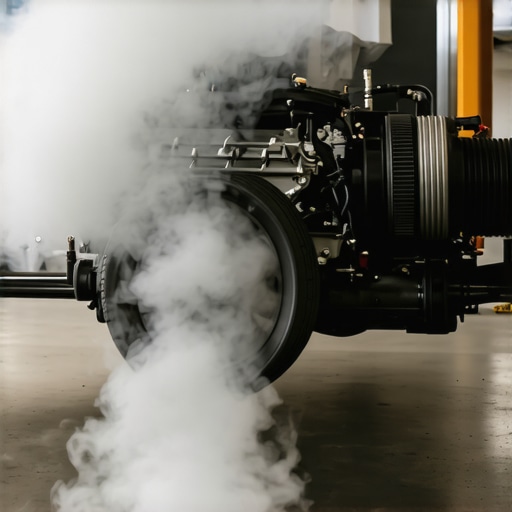
It was a cold winter morning when I turned the key, expecting my usual smooth start. Instead, I was met with a cloud of white smoke billowing out of the exhaust. My heart sank—I knew something wasn’t right. That moment, I realized how unsettling it is to see your car coughing up white smoke, especially when you rely on it every day. Have you ever experienced this startling sight and wondered what it means? Well, you’re not alone, and there’s good news: it’s often a manageable issue.
Understanding White Smoke on Startup
White smoke emerging from your exhaust during startup can be alarming, but in many cases, it’s a common and fixable problem. Typically, this white smoke is caused by coolant leaking into the engine cylinders, leading to steam production. This could happen due to a range of issues like a blown head gasket, a cracked engine block, or a warped cylinder head. However, sometimes, the cause might be simpler—such as condensation in the exhaust system, which is normal during cold mornings.
Addressing this problem requires careful diagnosis because ignoring it can lead to more severe engine damage over time. Early on, I made the mistake of ignoring the smoke, thinking it was just condensation. That was a costly lesson. According to experts, unattended coolant leaks can cause significant engine damage, emphasizing the importance of timely repairs [source: https://collisionrenew.com/the-ultimate-guide-to-auto-repair-keep-your-car-running-smoothly].
If you’re wondering whether that persistent cloud is a sign of trouble or just a cold-weather quirk, stay tuned. We’ll dive into how to distinguish between normal condensation and serious engine issues, and importantly, how to address them without breaking the bank.
Ready to uncover what’s really happening under your hood? Let’s get started with some simple checks and expert advice to get your car back to running smoothly.
Perform a Visual Inspection of Your Exhaust
Start with the simplest step: look under your vehicle for any signs of coolant or oil leaks around the exhaust pipe. If you notice any colorful puddles or white residue, it could be a sign of internal engine issues. I once faced this when a small leak turned out to be a cracked cylinder head, causing white smoke. Catching this early saved me from costly repairs.
Check the Coolant Level and Quality
Next, open the hood and inspect your radiator and overflow tank. Low coolant levels or a milky appearance indicate coolant loss or contamination. To do this accurately, wait for the engine to cool down, then remove the radiator cap carefully. If the coolant is low or dirty, it’s time to consider a professional diagnosis, as this might point to a blown head gasket.
Conduct the Engine Temperature Test
Start the engine and monitor its temperature gauge. An overheating engine alongside white smoke suggests coolant is leaking into the combustion chamber. I once observed this when my temperature climbed rapidly alongside thick smoke. Using an infrared thermometer can help identify hot spots that point to head gasket failure.
Assess for Condensation or Genuine Issue
On cold mornings, white smoke might just be condensation, which disappears after warming up. To differentiate, observe if the smoke clears after engine warm-up. If it persists, consider other factors, like a potential head gasket failure. Remember, persistent white smoke is never normal and warrants quick action.
Perform a Compression or Leak-Down Test
This involves measuring the pressure in each cylinder. If you notice a significant loss of compression, it indicates a breach in the head gasket or a cracked engine component. It’s a more advanced step but highly diagnostic. I rented a compression tester from the local auto parts store and did this myself; the results confirmed my suspicions of a blown head gasket, saving me money on unnecessary parts replacements.
Inspect for External Signs of Engine Damage
Look for visible cracks, warped cylinder heads, or damaged engine parts. If unsure, consider having a mechanic perform an ultrasonic scan or a borescope inspection. These tools can reveal internal damage without extensive disassembly. I once used a borescope to look inside the combustion chamber, which helped identify the cracked head without removing the engine entirely.
Consult a Professional if Uncertain
If any of these steps reveal potential engine issues, don’t delay in seeking expert help. A professional mechanic can perform a dye test for leaks, pressure testing, or a detailed inspection to identify the root cause accurately. Remember, quick diagnosis can prevent further damage and costly repairs, like replacing the entire engine or cylinder head.
By systematically evaluating your vehicle using these steps, you can better understand whether white smoke is just condensation or a sign of more serious internal problems. Regular maintenance checks and early interventions are key to keeping your engine healthy and avoiding unexpected breakdowns.
Many car enthusiasts and everyday drivers believe they understand the basics of auto maintenance, but there are hidden nuances that often get overlooked, leading to costly mistakes. Contrary to popular belief, more frequent servicing isn’t always better; instead, understanding the specific needs of your vehicle can prevent unnecessary expenses. For instance, many assume that every brake service involves replacing pads, but in reality, many brake issues stem from rotor warping or caliper problems that don’t require pad replacements, as detailed in Brake Service Insights. A common trap is the misconception that transmission fluid should be changed at fixed intervals, yet some modern transmissions are designed for longer intervals or even lifelong lubrication, making a blanket replacement potentially harmful, supported by Transmission Maintenance Tips. One of the most dangerous myths concerns collision repair—many believe that minor dents are trivial, but structural integrity can be compromised, emphasizing the importance of expert assessments like those at Collision Renew.Maintaining your vehicle over time requires the right tools and a disciplined approach. I personally rely on a few dedicated devices to diagnose issues early and perform preventive maintenance effectively. One essential tool I recommend is a high-quality scan tool, like the Autel MaxiCOM, which allows me to read and clear error codes directly from my car’s ECU. This device provides real-time data on engine performance, transmission status, and ABS diagnostics, making it invaluable for early detection of problems. For instance, when I suspected my transmission was slipping, a quick scan revealed specific shift sensor errors, saving me a costly visit to the mechanic.
Alongside diagnostic tools, investing in a good set of automotive electrical testers is crucial. I prefer a multimeter with a minimum of 600V AC/DC range, which helps me pinpoint electrical faults, such as faulty sensors or corroded wiring, without guesswork. Over time, I’ve learned that regular voltage checks prevent bigger issues. For example, measuring battery voltage before starting the engine has helped me avoid dead batteries in winter, especially when combined with routine inspections of alternator output essential car maintenance.
Cleaning tools like compressed air blowers and brushes are also part of my toolkit. Clean sensors, connectors, and filters maintain optimal engine performance and prolong component life. I use a handheld air compressor attached to a narrow nozzle to blow out dirt from delicate sensors or electrical connectors, which I’ve found prevents misfires and erratic readings.
For long-term results, consistent use of these tools helps identify wear and tear early. I schedule seasonal diagnostics and maintenance checks, especially before long trips. This proactive approach ensures my vehicle remains reliable, extending its service life considerably. As advancements in automotive technology continue, the trend is moving towards integrated diagnostic platforms—think of OBD-II adapters that connect via Bluetooth to your smartphone. These apps, like Torque Pro, provide convenient, real-time insights and can send alerts when anomalies are detected. This trend is likely to grow, making car maintenance more accessible and less invasive.
How do I keep my auto repair routine effective over time?
Regularly updating your knowledge with manufacturer manuals and considering certified training can make a big difference. For DIY enthusiasts, mastering diagnostic tools and understanding error codes can drastically reduce repair costs and improve your car’s reliability. Try starting with a comprehensive scan using your multimeter or OBD-II device to see what issues might be lurking. Remember, staying ahead with these technologies is the key to long-term vehicle health and safety.
The Hard Lessons I Learned About Diagnosing White Smoke in Engines
One of the most valuable insights I’ve gained is that persistent white smoke isn’t something to ignore or dismiss as condensation—it often signals underlying issues that could escalate if left unattended. I once postponed diagnosing a slow, constant white smoke, thinking it would disappear, only to find myself facing costly head gasket repairs months later.
Another lesson is the importance of approaching diagnostics systematically. Jumping straight to costly repairs without thorough checks can lead to unnecessary expenses. Instead, using simple tools like a compression tester or inspecting coolant levels helped me identify issues early, saving both time and money.
And perhaps most importantly, trusting expert advice when in doubt is crucial. While DIY checks are helpful, consulting a professional mechanic ensures accurate diagnosis and proper repairs, preventing small issues from becoming catastrophic failures. Protecting your engine’s longevity is about awareness, early action, and adherence to sound advice.
Tools, Resources, and Friends in the Auto Repair Journey
Over the years, I’ve come to rely on essential diagnostic tools like an OBD-II scanner, which connects wirelessly to my smartphone, providing real-time engine data and error codes. I trust brands like Innova and BlueDriver for their reliability and user-friendly interfaces, making early detection straightforward.
Supplementing these are trusted manuals like the Haynes or Chilton guides, which offer deep insights into engine systems and troubleshooting procedures. For more complex issues, I turn to the [Collision Renew](https://collisionrenew.com) team—professional mechanics who excel at precise diagnostics and repairs, especially when my DIY efforts hit a dead end.
Finally, online communities and forums dedicated to auto repair provide invaluable peer support. Sharing experiences with fellow enthusiasts or everyday drivers has helped me learn new tips and avoid common pitfalls, especially regarding engine health and white smoke issues.
Embrace the Drive—Start Protecting Your Engine Today
Taking charge of your vehicle’s health, especially when faced with puzzling issues like white smoke, empowers you to prevent costly breakdowns and ensures long-term reliability. Remember, early detection and proactive maintenance are your best allies on this journey. Let your efforts today pave the way for smoother rides tomorrow, and don’t hesitate to reach out to experts when needed.
Have you ever faced persistent engine smoke and found a way to fix it? Share your story below and help others navigate their auto repair adventures.