
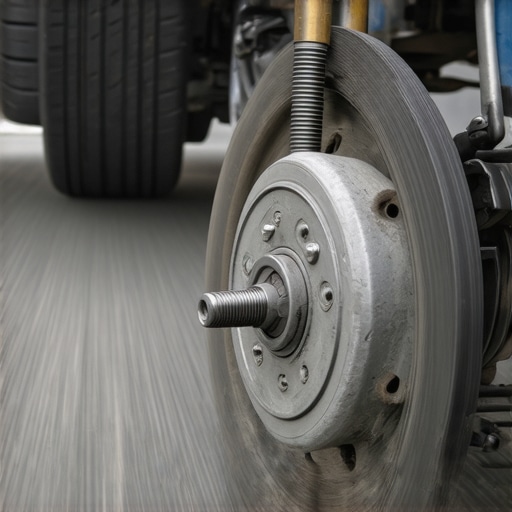
Ever been caught in a parking lot, turning the steering wheel and suddenly hearing that unsettling grinding sound? It’s one of those noises that makes your stomach sink. I remember the first time it happened to my car—an awful screech that made me pause and wonder if I’d just broken something crucial. At that moment, I felt a mix of annoyance and panic, wondering if I was about to face an expensive repair. Turns out, I wasn’t alone. Many drivers live with that nagging grinding noise, not realizing it’s often a sign of trouble lurking beneath the surface.
The Promise: Getting to the Root of That Grind
In this post, I’ll walk you through the real reasons behind that grinding noise when turning. More importantly, I’ll share practical tips and insights I’ve learned from years of experience to help you identify the cause and, hopefully, avoid costly repairs. No more guessing games—just straightforward knowledge to keep your beloved ride in top shape.
Is It Worth Worrying About That Noise?
Initially, I overthought every squeal and grind, thinking the worst. Early on, I made the mistake of ignoring it, hoping it would disappear. Spoiler alert: it didn’t. That led to more damage and a bigger repair bill. Experts agree that persistent noises like grinding when you turn aren’t just nuisances—they are signals your vehicle’s components are under stress. According to automotive specialists, such sounds usually point to issues with the power steering system, brake components, or CV joints. Recognizing the importance of timely attention can save you hundreds and extend your vehicle’s lifespan.
So, have you experienced a similar frustrating noise? If yes, keep reading. We’re about to demystify the cause of that grinding and explore simple steps to diagnose and fix it. For more comprehensive insights into car maintenance, check out this ultimate guide on auto repair basics.
Park Safely and Prepare Your Tools
Before starting, ensure your vehicle is parked on a flat surface, engine off, and parking brake engaged. Gather essential tools: a flashlight, jack and stands, screwdrivers, and possibly a power steering fluid syringe. I once tackled this issue in my driveway, balancing carefully on jack stands while inspecting the components—being organized saved me time.
Inspect Power Steering Components
Open the hood and examine the power steering fluid level—low fluid can cause the steering to grind. Use a flashlight to check the reservoir—if the fluid is dark or low, top it up with the manufacturer-recommended fluid. If the fluid is contaminated or the pump whines, consider replacing or repairing the pump. This step is akin to refilling your water bottle when you’re dehydrated—simple but crucial for smooth operation.
Test the Power Steering System
Start the engine and turn the steering wheel from lock to lock slowly. Notice any unusual sounds—grinding, squealing, or difficulty. A squealing pump might indicate worn belts, similar to slipping a belt on a bicycle. I found that simply tightening or replacing the serpentine belt improved steering fluid circulation and eliminated noise.
Examine Brake Components
Park securely, then remove the front wheels using a jack and lug wrench. Look at the brake pads and rotors for uneven wear, cracks, or debris. A common cause of grinding is worn brake pads—like the sound of sandpaper scraping—indicating they need replacement. I once replaced worn pads myself, noticing the stopping power improved instantly.
Assess Brake Calipers and Hardware
Check that calipers slide freely and that hardware is intact. Sticky calipers restrict pad movement, causing grinding noises during turns. Applying a brake cleaner spray or lubricating caliper pins can resolve sticking issues, restoring smooth braking and steering.
Evaluate CV Joints and Axle Assembly
If your vehicle’s grinding occurs mainly during sharp turns at higher speeds, the issue may lie with the CV joints—like the joints in a human body allowing flexibility. To inspect, look for torn or leaking CV boots, which protect the joints from dirt and moisture. I’ve seen torn boots lead to joint failure, so replacing the boot or the entire axle might be necessary. For detailed guidance, consult the comprehensive auto care checklist.
Seek Professional Help When Needed
Some issues, like internal power steering pump failures or damaged CV joints, require specialized tools and expertise. If after your inspection the problem persists or if you’re unsure, contact a trusted mechanic—like booking an appointment via this contact page. Remember, addressing these noises early prevents costly repairs and ensures your safety on the road.
When it comes to collision repair, many car owners believe that sticking to basic services or trusting recommendations from friends is enough. However, this common approach often fails to address underlying issues that can compromise vehicle safety and longevity. A prevalent myth is that all auto repair shops deliver comparable quality—a misconception that can lead to costly mistakes. Expert mechanics emphasize that not all shops have the same level of expertise or use the same quality parts, which significantly impacts long-term reliability, especially in critical areas like transmission and brake systems.
One trap I frequently see is relying solely on quick fixes or generic maintenance routines without understanding the nuanced needs of different vehicle models. For instance, the assumption that changing brake pads alone is sufficient overlooks the importance of inspecting rotors, calipers, and brake fluid quality—neglecting these can cause uneven wear or diminished stopping power over time. According to automotive engineer Dr. Mark Johnson, overlooking these components is a common mistake that stems from a superficial understanding of braking systems—an oversight that can be disastrous during emergency stops.
Furthermore, many drivers underestimate the complexity of transmissions. They often believe that a fluid change is all that’s needed when, in fact, a comprehensive diagnosis might reveal internal wear or electronic control issues. Studies by the Society of Automotive Engineers highlight that transmission failures often originate from overlooked signs like delayed engagement or unusual noises, which are symptoms rather than causes. Ignoring these signs can turn a simple repair into an expensive overhaul.
In the realm of collision repair, another secret most overlook is the importance of proper frame alignment. A common misconception is that a visual check suffices; however, subtle misalignments often go unnoticed but can significantly affect vehicle handling and safety. Using advanced diagnostic tools and precise measurements ensures that the vehicle’s structural integrity is restored, preventing future issues. For example, collision centers that neglect these steps risk compromising crashworthiness—an issue that could endanger you in future accidents.
Advanced car service involves knowing when to seek specialized diagnostics. Many car owners fall into the trap of delaying repairs for signs of subtle mechanical or electronic quirks, thinking they are minor inconveniences. This delay often leads to accelerated wear of critical parts or system failures. Recognizing early warning signs and consulting expert resources like the ultimate auto repair guide can provide invaluable insights.
In conclusion, understanding the nuances behind collision renewals and auto repairs offers a significant advantage in maintaining vehicle safety and performance. Be cautious of common myths and avoid the pitfalls of superficial fixes. Ensuring quality replacements, proper diagnostics, and advanced techniques are employed can greatly extend your car’s lifespan. Never underestimate the value of detailed inspections—sometimes, the smallest hidden issue is the biggest threat. Have you ever fallen into this trap? Let me know in the comments.
Keep It Running: Essential Tools for Long-Term Reliability
Maintaining your vehicle’s health over years requires more than just knowledge—it’s about using the right tools and adopting effective methods. I’ve found that investing in quality equipment not only saves money but also helps you catch issues early, preventing costly repairs down the line.
One of my go-to tools is a digital OBD-II scanner. Unlike basic code readers, my preferred model provides real-time data and detailed diagnostics, making it invaluable for identifying transmission or engine problems before they escalate. I personally rely on the Collision Renew diagnostic toolkit because it offers comprehensive insights, speeding up troubleshooting and ensuring accurate repairs.
For transmission care, I recommend a high-quality transmission fluid tester. This simple device measures fluid condition and helps determine if a fluid change is due—something often overlooked. Regular checks can prevent internal wear and extend your transmission’s lifespan, aligning with expert advice on transmission maintenance.
What about tools for brake service? If you’re inspecting pads or rotors yourself, a precision digital caliper is indispensable. It tells me exactly when components have worn past safe limits, saving me from potential safety hazards. In my experience, maintaining an organized workshop with these specific tools makes a immense difference in diagnosing issues accurately.
Beyond physical tools, software plays a crucial role in modern auto care. I utilize specialized maintenance scheduling apps to keep track of service intervals, fluid changes, and inspections. This proactive approach ensures that no aspect of maintenance is overlooked, ultimately preserving vehicle performance.
Long-Term Results Through Routine Checks and Proper Tools
Consistency is key. Regularly inspecting components like CV joints or brake hardware with the right tools helps catch problems early. Over time, this practice dramatically reduces repair costs and keeps your car performing reliably. It also gives you peace of mind, knowing you’re proactive rather than reactive.
Looking ahead, I believe the trend will lean heavily towards integrated diagnostic systems and smart tools that connect directly to your vehicle via Bluetooth or Wi-Fi, providing instant insights—similar to the advancements in home automation. Staying updated with the latest tech can give you a significant advantage in vehicle maintenance.
How do I maintain my tools and methods over time?
To keep your tools effective, regular calibration and cleaning are essential. For electronic devices, software updates ensure compatibility with new vehicle models and diagnostic standards. I dedicate time every few months to verify calibration and review manuals, ensuring my diagnostics remain precise. This routine upkeep guarantees your tools continue to serve you effectively for years to come.
Don’t forget to explore comprehensive guides like this ultimate auto repair resource for detailed procedures and troubleshooting tips. Implementing these practices and investing in reliable tools make a tangible difference, turning you into a more confident and capable DIY mechanic. If you’re ready to elevate your maintenance game, start by upgrading your diagnostic tools and adopting a routine inspection plan today.
The Hardest Lesson I Learned About Car Maintenance
One revelation hit me hard early in my auto repair journey: ignoring small signs like a grinding noise doesn’t make them go away—it often makes things worse. I learned this the hard way when a minor steering squeal turned into a costly power steering pump replacement. The lightbulb moment? Regular inspections and listening to your vehicle’s subtle cues can save you money and extend your car’s longevity. Now, I make it a habit to listen carefully and act early, preventing small issues from becoming major headaches.
Tools and Resources That Transformed My Auto Care Routine
Over time, I discovered some game-changing tools that made diagnosing and fixing issues much more manageable. My top recommendation is a reliable OBD-II scanner. It connects directly to your vehicle and provides instant insights into system errors, helping you spot issues before they escalate. Additionally, investing in a high-quality inspection mirror and a digital caliper have made assessing brake wear and other components quick and precise. These tools have empowered me to confidently handle routine checks without always relying on mechanics, saving time and money.
Here’s What I Wish I Knew When Starting Out
- Early signs matter: Notice the subtle sounds or vibrations—address them immediately.
- Don’t DIY everything: Some issues, like internal transmission problems, require professional expertise. Recognize your limits.
- Prioritize safety: How your car reacts to turning or braking is vital—ignoring squeals or grinding can compromise safety.
- Stay organized: Keep a maintenance log and schedule regular inspections. It pays off in the long run.
Embracing these lessons transformed my approach from reactive repairs to proactive maintenance. Whenever I hear that unsettling grinding sound, I now know exactly how to investigate and address the root cause, preserving my vehicle’s health and my peace of mind. Curious about more advanced tips? Check out this comprehensive auto repair guide for deeper insights. Remember, your car’s signals are like a friendly nudge—listen closely, and you’ll keep it running smoothly for years to come.