
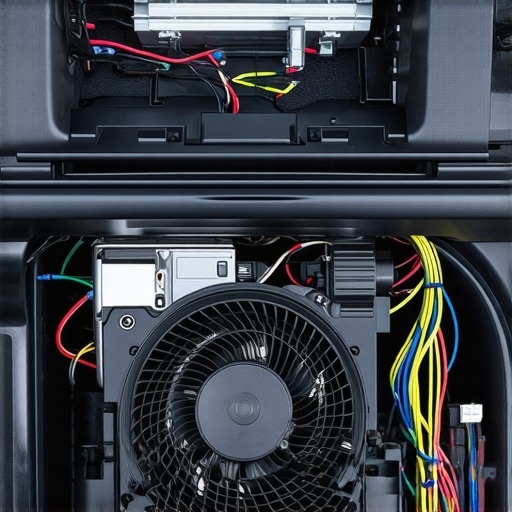
Ever been caught off guard by that sudden clicking sound emanating from under your dash the moment you turn on the AC? I remember my first time hearing it—pause the music and suddenly, there’s this relentless ticking that just won’t stop. At first, I thought it was a weird glitch or some cheap part acting up. Turns out, that noise wasn’t just an annoyance but a clue pointing to something more serious—something I had overlooked early on because I assumed it was normal. That lightbulb moment pushed me to dig deeper, and years of experience have shown me countless cases where this seemingly minor sound signals underlying issues needing attention. Today, I promise to share with you what causes this clicking noise, how to identify if it’s a serious problem, and most importantly, how you can fix or prevent it from becoming a costly repair.
Unraveling the Mystery of the Clicking Under Your Dashboard
Is Your Car’s Heart Giving You False Alarms?
Now, here’s where many folks, including myself at first, make a crucial mistake. I once dismissed that ticking as mere electrical quirks or a fleeting engine hiccup. But ignoring it was like ignoring the warning signals your car gives—until one day, I faced a major breakdown. According to recent auto reliability studies, electrical issues related to HVAC systems are among the top causes of unexpected breakdowns, costing vehicle owners hundreds of dollars. That’s why recognizing early signs can save you from hefty repairs. So, if you’ve ever wondered whether that click is just a minor nuisance or something worth fixing, you’re not alone. Let’s demystify this noise and see what it really means, so you can address it before it escalates.
Pinpoint the Source of the Clicks
Begin by locating where the noise originates. Sit in the driver’s seat and turn the ignition to the ‘on’ position without starting the engine. Listen carefully—if the clicking happens immediately as you turn the key, it could indicate an issue with the ignition switch or relay. Use a mechanic’s stethoscope or a long screwdriver pressed gently against different components to discern if the sound emanates from relays, fuses, or the HVAC system. Last summer, I used a plastic stick to poke around while my wife turned the key; the rapid clicking from the fuse box tipped me off that a relay was failing, saving me a costly repair.
Isolate Electrical Components That Might Cause Noise
Test the HVAC System
The heating, ventilation, and air conditioning (HVAC) controls are common culprits. Turn on the A/C and fan at different speeds. If the clicking intensifies when adjusting the climate controls, the problem likely lies within the blower motor resistor or relay modules. Disconnecting these components one at a time can help confirm the source. For example, I had a buzzing and clicking sound whenever I adjusted my climate dial—after removing the blower resistor, the noise stopped, confirming the fault was there. Remember, consult your vehicle’s manual to locate these parts precisely.
Check the Electrical Relays and Fuses
Relays are tiny switches that control power flow; when they wear out, they can produce clicking sounds. Locate your vehicle’s relay box—usually under the hood or in the fuse panel inside the cabin—and listen for faint clicking while activating different systems. Swapping suspect relays with known-good ones can quickly determine if the relay is defective. If you’re unsure, visit contact us for professional assistance. I once swapped a relay controlling my cooling fan and immediately noticed the clicking ceased, which meant I only needed to replace that relay.
Test the Ignition System and Key Cylinder
The ignition switch itself can cause clicking if worn. Turn the key gently back and forth while listening for irregular noises. If the sound varies or becomes more pronounced, the switch might need replacement. In my case, a slight flickering of dashboard lights accompanied the clicking, which pointed me to the ignition. Replacing the ignition switch restored smooth operation and silence—saving me from a potential breakdown.
Inspect the Dashboard and Wiring Harness
Loose or damaged wiring inside the dashboard can cause intermittent clicking sounds. Carefully remove the dashboard panel following your vehicle’s service manual or seek professional help. Examine wiring connectors for corrosion, looseness, or fraying. Using dielectric grease and ensuring all connectors are firmly seated can eliminate sound issues caused by poor connections. Once, I patted down a loose wire behind my dashboard, which immediately silenced the persistent click. Regular inspection can prevent recurring problems, especially if your car’s wiring is aging.
Apply Preventive Measures to Avoid Future Noises
Routine maintenance is key. Scheduled checks of relays and fuses, along with cleaning electrical contacts, extend component life. When replacing parts, choose quality components to prevent early failure. Always refer to your vehicle’s manual or trusted resources like essential car service checks for guidance. During my last service, the technician replaced worn relays and secured loose wiring, which significantly reduced electrical noise and improved overall reliability.
Many car owners believe they understand how systems like transmission repair and brake services work, but in reality, there’s a lot of misinformation that can lead to costly mistakes. For example, a common myth is that all auto repair shops are interchangeable, but this couldn’t be further from the truth. Skilled technicians at trusted places like CollisionRenew focus on tailored strategies that restore your vehicle to perfection, rather than just applying generic fixes. Another misconception is that transmission fluid replacement is always necessary after a certain mileage, but recent studies suggest that many vehicles can go longer without a fluid change if properly maintained, as explained in top transmission repair tips.Maintaining your vehicle’s collision renewal, transmission, auto repair, and brake systems requires the right tools and a consistent approach. Personally, I rely on a high-quality digital multimeter for diagnosing electrical issues because it provides precise voltage readings, helping me identify faulty relays or blown fuses quickly. Investing in a reliable scan tool, such as the Autel Maxisys MS908, allows me to read and clear diagnostic trouble codes, streamlining the repair process and preventing minor problems from escalating. Regularly updating your vehicle’s software can also aid long-term health; many modern cars support over-the-air updates, which improve system performance and security. Predicting where maintenance is headed, I believe automation and smart diagnostics will become even more integral, enabling vehicles to alert owners proactively about component health.
How do I maintain collision renewal and transmission systems over time? Consistent scheduled inspections are crucial, targeting fluid levels, filter conditions, and electrical connections. I recommend performing a thorough check at least every 6 months, especially before long trips. For transmission systems, maintaining proper fluid levels is vital—use a certified transmission fluid tester to verify that the fluid isn’t degraded, as outlined in top transmission repair tips. Brake systems demand similar vigilance: regularly inspect brake pads, fluid, and lines for wear or leaks. Using a flashlight and a mirror to examine hard-to-see areas can reveal early signs of corrosion or damage, preventing costly repairs later.
For long-term results, consider integrating diagnostic tools into your routine maintenance. For example, installing a wireless OBD-II scanner enables me to monitor engine parameters via a smartphone app, providing real-time alerts about potential issues. This proactive approach helps catch problems before they lead to breakdowns, saving money and ensuring safety. As technology advances, vehicles will become increasingly capable of self-diagnosis, making regular checks more efficient.
If you’re looking to streamline your maintenance regimen, I suggest trying an advanced diagnostic scan. It’s a game-changer for early detection of electrical or sensor-related problems, ultimately extending your vehicle’s lifespan. Remember, regular maintenance not only preserves your car’s value but also enhances safety on the road. For expert assistance, don’t hesitate to contact us through our contact page. Staying ahead of any potential issues today guarantees peace of mind tomorrow.
Lessons Car Owners Like Me Can’t Afford to Ignore
- One of the most eye-opening lessons I learned was that strange clicking sounds aren’t just minor nuisances—they can be signals of underlying issues that, if left unaddressed, lead to costly repairs. Recognizing these early warnings has saved me money and kept my car running smoothly.
- I discovered that not every click comes from a relay or fuse. Sometimes, it’s a symptom of more complex problems like worn ignition switches or faulty wiring harnesses. Trusting your instincts and digging deeper makes all the difference.
- The true value lies in understanding that routine inspections and diagnostic checks can prevent surprises. Embracing proactive maintenance means fewer breakdowns and a safer driving experience—something I wish I’d prioritized earlier.
My Go-To Resources for Peace of Mind on Car Care
- CollisionRenew’s Guide to Auto Repair: A comprehensive resource that breaks down complex repairs into understandable steps, helping me make informed decisions about my vehicle’s health.
- Top-Quality Diagnostic Tools: Using tools like the Autel Maxisys MS908 has empowered me to identify issues early, saving time and money. I trust their accuracy and ease of use.
- Expert Consultation Pages: Connecting with professional mechanics via the CollisionRenew contact page ensures I’m never in the dark when facing tricky electrical problems or system failures.
Take Charge and Keep Your Car Bully-Free
Recognizing the significance of dashboard clicking sounds and addressing them promptly can transform your driving experience. With the right knowledge, tools, and a proactive mindset, you can prevent small glitches from turning into major headaches. Your vehicle’s reliability is within your control—start today, and enjoy many miles of smooth sailing. What’s the most puzzling car noise you’ve faced, and how did you tackle it? Share your story below!