
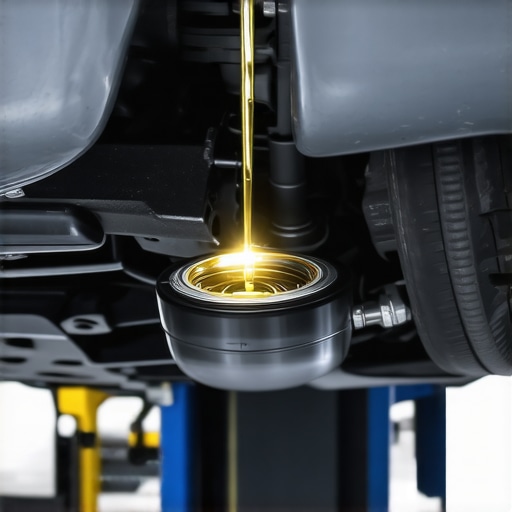
It hit me like a ton of bricks one rainy afternoon. I was cruising down the street, feeling proud of my well-maintained ride, when suddenly, the steering wheel became tough to turn. That moment of panic made me realize I had neglected one crucial part of my car—my power steering fluid. Ever experienced that sinking feeling when your steering starts acting up unpredictably? Well, I sure have, and I learned the hard way just how important it is to spot contamination early.
Why Checking Your Power Steering Fluid Matters More Than You Think
Power steering fluid is the lifeblood of your vehicle’s steering system. When it’s contaminated, it can lead to costly repairs and even dangerous driving conditions. Contaminants like dirt, debris, or water can slip in unnoticed, slowly eroding your steering components. If you’re like me, you probably assume that as long as the steering feels normal, everything’s fine. But here’s the truth—early signs are subtle, and waiting too long can turn a small fix into a major overhaul. According to experts, contaminated power steering fluid is a common culprit behind steering failures, and catching it early can save you a bunch of money and stress.
Is This Problem Really That Serious? My Early Mistake
I used to ignore strange noises and rough steering, thinking they were minor issues. My biggest mistake early on was not checking the fluid regularly or recognizing the signs of contamination. Trust me, that oversight cost me time, money, and a few sleepless nights. If I had caught the problem sooner, I might have avoided the expensive repairs that followed. Want to prevent the same from happening to you? Stay tuned, because I’m about to share the simple signs you should watch for and how to check your power steering fluid like a pro. For more essential tips on vehicle maintenance, you can visit this guide for tips on keeping your car in top shape.
Drain and Inspect the Fluid Accurately
Start by parking your vehicle on a level surface and turning off the engine. Locate the power steering fluid reservoir, usually marked clearly under the hood. Using a clean rag, wipe the exterior of the cap to prevent dirt from contaminating the fluid during removal. Unscrew the cap carefully, then pull out the dipstick or check the fluid level if the reservoir is transparent. When I did this during my recent maintenance, I realized my fluid was darker than it should be, signaling contamination. Make sure to wear gloves and eye protection to avoid contact with any debris.
Evaluate Fluid Color and Consistency
Power steering fluid should be a clear, light amber color. If it appears dark, cloudy, or contains foam or particles, it’s a red flag. Use a clean white cloth or a test strip designed for fluid analysis to further assess quality. I once used a test strip, which showed elevated water content, confirming I had water intrusion. Replacing contaminated fluid is crucial to prevent damage to your steering components—consider scheduling a professional service if needed.
Flush and Replace with Quality Fluid
Flushing your power steering system involves draining the old fluid completely. Park your vehicle on a flat surface, loosen the drain plug if accessible, and collect the fluid in a container for proper disposal. This step can be messy but pays off in system longevity. After draining, refill with manufacturer-recommended power steering fluid, ensuring the correct type and quantity. When I did my flush, I used a specialized flushing kit and was surprised at how much debris I collected. This process helps eliminate contaminants and water that can compromise system performance.
Bleed the System to Remove Air Bubbles
Bleeding prevents air from causing steering issues. Start the engine and turn the steering wheel from lock to lock several times, holding briefly at each end. Keep an eye on the fluid level, topping it off as necessary. A smooth, consistent steering response indicates successful bleeding. I learned that neglecting this step resulted in a faint squeal, alerting me to trapped air. Proper bleeding restores optimal hydraulic pressure, ensuring effortless steering.
Schedule Routine Maintenance Checks
Regularly inspect your power steering fluid, ideally every 10,000 miles or as recommended in your vehicle manual. Keep an eye out for color changes, leaks, or unusual noises. When I kept up with check-ups, I caught early signs of water ingress and avoided costly repairs. Set reminders to check the reservoir and consider visiting professional services like this comprehensive guide for tips on maintaining other vital fluids and components. Proper maintenance extends your vehicle’s lifespan and keeps your steering responsive and safe.
Address Contamination Risks Proactively
To prevent future contamination, ensure the cap seals tightly, and check for leaks or damage in the hoses leading to the reservoir. Avoid topping off with incompatible fluids or adding water directly—use distilled water if needed for dilution. During my last refill, I made sure to use only the approved fluid, which I sourced from a trusted auto parts store, avoiding cheap substitutes. Also, consider adding a maintenance additive designed to absorb moisture if water ingress is a recurring issue. Prevention is always better than repair, especially with critical systems like power steering.
Many car owners approach maintenance with a checklist mindset, thinking that as long as the basics are covered, their vehicle is fine. But in my experience, this mindset often leads to overlooking nuanced issues that can escalate into costly repairs. For instance, a common misconception is that brake pads alone determine stopping power, but the condition of the brake fluid and rotor surfaces play equally critical roles. Relying solely on visual inspection without understanding the underlying mechanics can be a trap that catches even seasoned enthusiasts off guard.
Myth: Regular Oil Changes Are All You Need
While changing your engine oil regularly is vital, many believe it’s the sole step for engine health. In reality, neglecting associated components like the oil filter, picture filters, and the oil pan drain plug can undermine your efforts. Over time, debris and sludge accumulate in areas that are often overlooked, leading to reduced lubrication and potential engine damage. According to expert mechanic insights, a comprehensive engine flush combined with oil change can significantly prolong engine life and prevent unexpected breakdowns. Learn more about these best practices by visiting this detailed guide.
Are Transmission Flushes Always Necessary When Servicing Your Car?
This is a nuanced question. Many assume that transmission fluid must be changed at fixed intervals, but advancements in transmission technology mean that some vehicles can go much longer between flushes, especially if driven gently. However, aggressive driving, towing, or operating in extreme conditions can accelerate fluid breakdown. An overlooked mistake is assuming the fluid’s condition solely based on mileage; instead, a professional diagnosis—sometimes including a simple fluid analysis—can reveal whether a flush is warranted. Regularly inspecting and understanding your vehicle’s specific needs can prevent premature transmission failures, which are incredibly costly to repair. For insights, see this expert-backed article.
Steering Clear of Overly Simplistic Maintenance
One trap I fell into early on was assuming that replacing spark plugs would solve all engine performance issues. While essential, spark plugs are just part of a complex ignition system. Overlooking components like ignition coils, fuel injectors, or sensors can lead to recurring problems that seem unrelated to the initial fix. A comprehensive diagnostic approach—considering the vehicle holistically—is crucial. This nuance is especially relevant with modern, computer-controlled engines where sensors and actuators work together seamlessly. Incorporate regular system scans, and you’ll catch potential issues before they manifest as breakdowns. For strategies on proactive maintenance, check out our full guide.
What’s the Most Overlooked Factor That Causes Auto Repair Failures?
The answer often lies in context-specific issues like improper fluid levels, contaminated lubricants, or overlooked wear-in components. For example, neglecting to inspect suspension bushings can result in uneven tire wear and poor handling, which many treat as separate problems. Regular, detailed inspections—beyond just the basic oil change or brake pad replacement—are vital for early detection. Interestingly, recent studies indicate that up to 70% of vehicle failures could be prevented with better understanding of these hidden maintenance nuances. Recognizing and addressing these subtleties saves money and prolongs your vehicle’s lifespan. Have you ever fallen into this trap? Let me know in the comments.
Overall, becoming aware of these hidden nuances in car maintenance empowers you to make smarter decisions and avoid costly surprises. By adopting a more detailed, informed approach, you’ll not only extend the life of your vehicle but also enjoy safer, smoother driving. For more insights on effective maintenance strategies, visit this cornerstone guide.
Tools I Rely On for Routine and Advanced Auto Maintenance
Maintaining a vehicle effectively requires precision tools that allow you to diagnose, repair, and optimize performance without always depending on a professional shop. Personally, I swear by a few core tools that have paid off in saving time and money over the years. One of my favorites is a high-quality digital multimeter. It’s indispensable for diagnosing electrical issues, whether checking battery voltage or testing sensor outputs. I prefer models with auto-ranging features and a large, backlit display, making diagnostics straightforward even in low-light conditions.
Another critical tool I use is a diagnostic scan tool. I recommend the OBD-II scanner with advanced capabilities, such as live data readouts and ABS/SRS codes, to get a comprehensive picture of your vehicle’s health. I personally use a model that connects via Bluetooth to my phone, allowing me to run quick checks or more detailed diagnostics from anywhere—especially handy when troubleshooting intermittent issues.
For brake service, a reliable caliper piston tool and brake bleeder kit are must-haves. These tools ensure you can perform fluid flushes and caliper servicing confidently. I like the lux-tool brand for its durability and ease of use, which makes my DIY projects smoother and safer.
Smart Methods to Maximize Long-Term Results
Beyond just having the right equipment, applying smart maintenance methods extends your vehicle’s lifespan. Regularly updating your diagnostic tools’ firmware and software is crucial—as vehicle technology advances, so should your toolkit. For example, as more vehicles incorporate hybrid or electric components, tools compatible with those systems are becoming essential. Keeping abreast of manufacturer updates through official channels can save you from unnecessary repairs or misdiagnoses.
Additionally, establishing a regular maintenance schedule based on your vehicle’s specific needs—like those outlined in this guide—ensures consistent health checks. Using professional-grade cleaning and calibration equipment, especially for sensors and electronic modules, helps maintain accuracy over time. For instance, regularly cleaning throttle bodies and MAF sensors with proper electronic contact cleaners prevents performance drags and fuel inefficiencies.
How do I maintain tool effectiveness long-term?
To keep your tools performing optimally, store them properly in a dry, organized toolbox and avoid exposing them to extreme temperatures or moisture. Periodically inspecting tools for wear, calibration, or damage is also vital—calibration devices should be checked annually with manufacturer-approved procedures. This proactive approach ensures your diagnostics and repairs remain accurate, saving you headaches down the line. Recognize that the investment in quality equipment and consistent upkeep is a long-term strategy that pays dividends in vehicle reliability and safety.
Finally, don’t forget to stay informed about emerging technology in auto repair. For example, recent advancements detailed in this article highlight how tools compatible with new engine management systems are vital for future-proofing your repair capabilities. Attempt incorporating an advanced engine flush method explained there to see how it can improve engine longevity—an excellent step toward maintaining your vehicle’s performance over time.
Embracing these precise tools and effective maintenance techniques will help you stay ahead of potential issues and ensure your vehicle remains dependable. Take the challenge and try calibrating your scan tool with manufacturer updates this weekend—or performing a detailed sensor cleaning protocol. Remember, proactive care today means fewer surprises tomorrow.
Lessons the Garage Won’t Tell You About Staying Ahead of Auto Issues
- One of the toughest lessons I learned was that early detection of power steering contamination isn’t just about avoiding repairs—it’s about keeping safety at the forefront. Ignoring subtle signs like minor noises or slightly stiff steering can snowball into dangerous, costly problems. An extra moment to check your fluids could be the difference between a smooth ride and a breakdown in the middle of nowhere.
- Another insight is that tools are only as good as your knowledge. I used to rely solely on cheap testers, but investing in a quality diagnostic scan tool transformed my approach, allowing me to catch issues before they became emergencies. Trusting the right equipment, combined with clean habits, pays huge dividends over time.
- Proactive maintenance isn’t about fixing everything at once; it’s about a consistent, informed approach. Scheduling regular fluid checks, keeping an eye on fluid color and levels, and understanding your vehicle’s unique needs can extend its life far beyond the factory estimates. Remember, a well-maintained car is not just more reliable—it’s safer for you and your loved ones.
- And don’t underestimate the power of the little things, like proper bleeding after a power steering flush. Small steps like this have saved me from future headaches and expensive repairs. Mastering these details is where real peace of mind begins.
- Finally, never hesitate to dive deeper into resources—trusted guides, manuals, and expert advice. Each piece of knowledge you acquire compounds your ability to care for your vehicle, making each maintenance session more confident and effective.
Tools and Resources That Make a Real Difference
- Digital Multimeter: I rely on this for electrical diagnostics. A good multimeter helps identify wiring issues or sensor faults early, saving hours of troubleshooting.
- OBD-II Scanner: This has become my go-to for real-time data and fault codes. I trust models with Bluetooth connectivity for easy access on the go, making diagnostic checks faster and more accurate.
- Brake Bleeder Kit: High-quality tools like this allow me to perform fluid flushes confidently, ensuring my brakes respond perfectly when needed—because safety depends on it.
- Trusted Repair Guides: Always refer to comprehensive resources like the [ultimate auto repair guide](https://collisionrenew.com/the-ultimate-guide-to-auto-repair-keep-your-car-running-smoothly). Staying informed about best practices keeps me proactive rather than reactive.
Your Next Move Starts Today
Taking charge of your vehicle’s maintenance with awareness and the right tools is empowering. Each step you master builds confidence, safety, and longevity for your car. Why wait for a breakdown when a simple check today can prevent it tomorrow? Your car—and your wallet—will thank you for it. Are you ready to become your own auto-repair hero? Share your experiences and questions below—I’d love to hear how you’re taking control of your vehicle’s health now.