
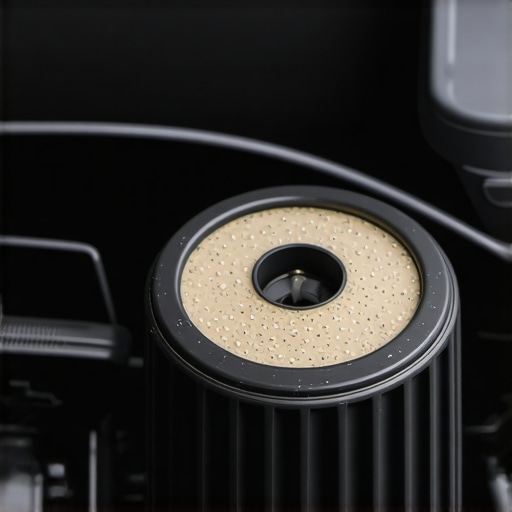
It was a typical Tuesday morning when I noticed my car hesitating just a little more than usual during acceleration. At first, I brushed it off—maybe I was imagining things or my engine was just having an off day. But as days went on, that hesitation turned into jerking, and I knew something wasn’t right. It hit me: I might have a clogged fuel filter, and if I ignored it, I risked being stranded or causing more costly damage. That moment of realization was a lightbulb for me—and it’s a mistake I don’t want you to make.
Knowing whether your fuel filter is clogged isn’t just about avoiding inconvenient breakdowns; it’s about protecting your engine and maintaining reliable performance. Many car owners overlook this small component until it’s too late, often paying a hefty price. Today, I promise to guide you through recognizing the signs early so you can address the issue before it becomes a major headache.
Why Monitoring Your Fuel Filter Should Be a Priority
Your fuel filter acts as a filter for the fuel entering your engine, trapping dirt, rust, and debris. Over time, this filter gets clogged, restricting the fuel flow. A blocked fuel filter not only hampers your engine’s performance but can also lead to misfires, stalling, or even complete engine failure. Regularly checking its condition helps ensure your vehicle runs smoothly, improves fuel efficiency, and extends the lifespan of your engine.
Have You Faced This Warning Sign Too Often?
If you’ve ever felt your car stumble or struggle during acceleration, you might be experiencing the early effects of a clogged fuel filter. Early detection is crucial because it’s easier and cheaper to fix the issue before more serious damage occurs. I remember making the mistake early on of ignoring subtle signs—only to end up paying more for repairs later. Learning how to recognize the symptoms now can save you time, money, and stress. Curious about what other signs to watch out for? This article offers valuable tips on basic car maintenance checks that can help you stay ahead of problems.
But how do you distinguish between normal car behavior and something worth investigating? That’s what we’ll uncover next. Ready to become your car’s best detective? Let’s dive into the telltale signs that your fuel filter is crying out for help.
Start with a Visual Inspection of Your Fuel System
Begin by locating your vehicle’s fuel filter, typically found along the fuel line under the car or near the engine compartment. Look for signs of leaks, corrosion, or dirt buildup that may indicate clogging. Remember, a visual check isn’t enough to confirm fuel filter issues, but it’s a vital first step. I once noticed a rusty spot on my fuel filter during a routine inspection, which prompted me to replace it before any performance issues arose, saving me from a potential breakdown.
Test Your Vehicle’s Performance Under Different Conditions
Listen for Hesitation and Jerks During Acceleration
Take your car for a short drive, preferably on a quiet road. Notice if the engine hesitates, sputters, or jerks when you press the gas pedal. These symptoms often point toward restricted fuel flow caused by a clogged filter. During my test drive, I observed these symptoms and decided to proceed with a more detailed check, confirming later that my fuel filter was indeed clogged, which I replaced myself following online tutorials.
Check for Difficulty Starting or Stalling
Pay attention to whether your car struggles to start or stalls frequently. These are classic signs of insufficient fuel delivery. Once, I experienced hard starting on cold mornings, which was resolved after replacing the fuel filter. If your vehicle exhibits these signs, don’t ignore them; they’re clear indicators that a clogged filter could be the culprit.
Perform a Fuel Pressure Test
This involves attaching a fuel pressure gauge to the Schrader valve on your fuel rail to measure the pressure in your fuel system. Low pressure readings suggest a blockage, often a clogged filter. If you’re comfortable with DIY work, this step saves you from unnecessary trips to the mechanic. I recommend reading more about fuel system diagnostics here to understand the process better. Alternatively, a professional can perform this test quickly, narrowing down the cause.
Decide When to Replace the Fuel Filter
Most manufacturers recommend replacing the fuel filter every 20,000 to 40,000 miles. If you notice symptoms like poor acceleration or engine hesitation, it’s time for a change, regardless of your mileage. I once ignored these signs until I faced stalling in busy traffic, which was stressful and dangerous. Regularly checking your vehicle’s service schedule helps prevent such situations. You can refer to the service interval recommendations in your owner’s manual or consult a trusted auto repair shop here.
Use Quality Replacement Parts and Proper Tools
When replacing the fuel filter, ensure you use parts that match your vehicle’s specifications. Investing in OEM or high-quality aftermarket filters improves reliability. Gather the right tools—usually wrenches, screwdrivers, and safety gloves—to make the replacement safer and easier. I recommend watching tutorials on auto repair basics to get familiar with the procedure. Don’t rush; a careful installation ensures your fuel system remains sealed and functional.
Test Drive After Replacement
Once you’ve installed the new filter, take your car for a test drive. Accelerate gradually and observe if the hesitations or jerking behaviors resolve. Pay attention to smoothness and acceleration. If issues persist, revisit your work or seek professional assistance. I learned this the hard way when I replaced my fuel filter, but didn’t tighten the fittings properly, which caused leaks until I fixed it. Proper testing confirms that your fix was successful, preventing future trouble.
Many car owners operate under myths that can lead to costly mistakes, especially when it comes to car service, transmission maintenance, collision repairs, brake service, and general auto repairs. One widespread misconception is the belief that all vehicle repairs are interchangeable or that DIY fixes are always sufficient. However, the nuances of modern automobiles demand a more sophisticated approach, as improper handling can cause further damage or compromise safety.
A common trap is assuming that “if it runs, it doesn’t need immediate attention.” This mindset delays essential maintenance, such as timely transmission fluid changes or brake system inspections, which are crucial for long-term reliability. For instance, neglecting subtle signs of transmission wear can lead to complete failure, resulting in expensive replacements. Remember, a proactive approach based on understanding your vehicle’s specific needs often saves money and extends the lifespan of your car.
Another pitfall involves underestimating the importance of choosing the right repair specialist. Many believe all auto repair shops offer the same quality, but in reality, experience and specialization matter. When it comes to collisionrenew or brake services, a shop with a proven track record using OEM parts can be the difference between a quick fix and ongoing issues.
What Advanced Sign of Transmission Health Should a Vehicle Owner Watch For?
Instead of only noticing obvious slipping or shuddering, savvy owners keep an eye on subtle indicators like delayed engagement or unusual noises during gear shifts. These signs often precede major transmission problems and can be detected with regular professional diagnostics. Experts highlight that early detection through meticulous inspection — rather than just waiting for breakdowns — is key to avoiding costly repairs. For more on what signs signal impending transmission issues, check out this comprehensive guide.
A significant yet often overlooked nuance is the false sense of security stemming from a seemingly well-maintained vehicle. Routine oil changes or tire rotations alone don’t guarantee the health of critical systems like the braking or transmission systems. Modern vehicles have complex electronics and systems that require advanced diagnostic tools and expertise. Failing to recognize this can lead to the assumption that minor issues will resolve themselves or that generic service suffices.
For example, ignoring a low-level warning light related to transmission temperature or brake pad wear can escalate problems. Keep in mind that expert diagnostics, proper parts, and a tailored maintenance schedule are vital for optimal vehicle performance and safety. To learn more about extending your car’s lifespan through strategic maintenance, visit this article.
In essence, the key to avoiding costly auto repairs is understanding that every vehicle has unique needs. Relying on myths or misconceptions can lead to overlooked signs and preventable breakdowns. Do you know which hidden nuances your car might be hiding? Let me know in the comments, and remember—deliberate, expert service is your best insurance for a smooth-running vehicle.
Keeping It Working: Tools I Trust for Auto Care
Maintaining your vehicle over the years requires more than just basic know-how; it demands specialized equipment and proven methods. I personally rely on a few key tools that have proven invaluable in diagnosing issues early and ensuring my repairs stand the test of time. For instance, owning a high-quality OBD-II scanner like the BlueDriver has been a game-changer. Unlike generic code readers, this device offers detailed diagnostics directly from my smartphone, helping me pinpoint problems like misfiring cylinders or transmission irregularities with ease. This proactive approach aligns with recommendations from industry experts, emphasizing that early detection is crucial for cost-effective repairs, particularly concerning sensitive components like transmissions and brakes.
Beyond diagnostic tools, I swear by a set of professional-grade socket wrenches and a torque wrench to guarantee proper tightening during repairs, especially when replacing critical parts like the fuel filter or brake components. Precise torque ensures longevity and safety, aligning with standards outlined in automotive repair manuals. Using quality tools not only improves repair outcomes but also minimizes the risk of damaging fragile parts, which can lead to costly repairs down the line.
In addition, I utilize a digital multimeter to perform electrical checks, whether testing battery voltage or verifying sensor outputs. This is particularly useful when troubleshooting complex issues like engine misfires or inconsistent shifting, as explained in this guide. Regularly practicing these diagnostics keeps my vehicle running smoothly and helps me avoid unnecessary trips to the mechanic.
How do I maintain these tools over time?
I ensure my diagnostic and measuring instruments are calibrated and stored properly after each use. Periodic cleaning and battery replacements for my scanner extend its lifespan, while the proper storage of wrenches and multimeters prevents damage. Investing in quality storage solutions, like tool organizers, keeps everything accessible and in good condition. Keeping my tools in top shape means I can trust their readings and performance, which is vital for maintaining my vehicle’s complexity—especially as technology advances in modern cars.
Looking towards the future, vehicle diagnostics are increasingly moving towards wireless connections and cloud-based data logging. Staying updated with software updates for my scanner and exploring newer diagnostic apps will be essential for keeping pace with evolving vehicle systems. Technologies like remote diagnostics could soon enable real-time health checks, making preventive maintenance even more streamlined and effective.
If you’re serious about long-term vehicle reliability, I strongly recommend trying a detailed diagnostic approach using a capable scanner like BlueDriver. Not only will it help you catch subtler issues before they escalate, but it also empowers you to take control of your repairs, saving money over time. To get started, consider integrating one or two of these tools into your maintenance routine and observe how much smoother your car runs—plus, you’ll sleep better knowing you’re proactively protecting your investment.
The Hidden Lessons That Can Save Your Engine
One critical insight I wish I had known earlier is that proactive diagnostics often uncover issues before they escalate. Small signs, like a slight hesitation during acceleration, can be your vehicle’s way of whispering, “I need help.” By paying close attention and performing regular checks, I prevented costly repairs and kept my car performing at its best. This experience taught me that patience and curiosity are invaluable in auto care.
Another lesson is the importance of trusting quality tools and parts. Using a dependable fuel pressure gauge or OEM filters made a significant difference in diagnosing and resolving problems efficiently. Investing in the right equipment isn’t just about convenience—it’s about empowering yourself to understand your vehicle deeply and ensuring safety on the road.
Lastly, consistent maintenance cultivates confidence. When I schedule regular inspections and follow recommended service intervals, I catch issues early and extend my vehicle’s lifespan. Remember, a well-maintained car doesn’t just run smoothly; it brings peace of mind. Embracing these lessons transforms vehicle care from a chore into a rewarding part of owning a reliable car.
Tools and Resources That Truly Make a Difference
- BlueDriver OBD-II Scanner: This device has been my go-to for quick, detailed diagnostics. Its user-friendly interface and comprehensive data make troubleshooting straightforward, even without prior experience.
- High-Quality Fuel Filters: I trust OEM parts for durability and fitment. Choosing the right filter from reputable brands ensures your engine stays free of harmful debris and runs smoothly.
- Auto Repair Tutorials and Manuals: Online resources like manufacturer manuals or trusted repair sites provide step-by-step guidance, empowering me to perform maintenance confidently and correctly.
- Professional-Grade Hand Tools: A sturdy torque wrench and socket set have been essential for ensuring repairs are done safely and accurately, preventing future issues caused by improper installation.
Igniting Your Drive to Keep Vehicles in Peak Condition
If you’ve been hesitant about tackling auto care yourself, remember that every expert started somewhere. The satisfaction of diagnosing a fuel system issue or replacing a filter with your own hands is unmatched. By investing in knowledge and quality tools, you empower yourself to protect your vehicle and enjoy every mile ahead. So why not take that first step today? Your car—and your wallet—will thank you.
What’s the most surprising thing you’ve learned about car maintenance? Share your experiences below and join the conversation!