
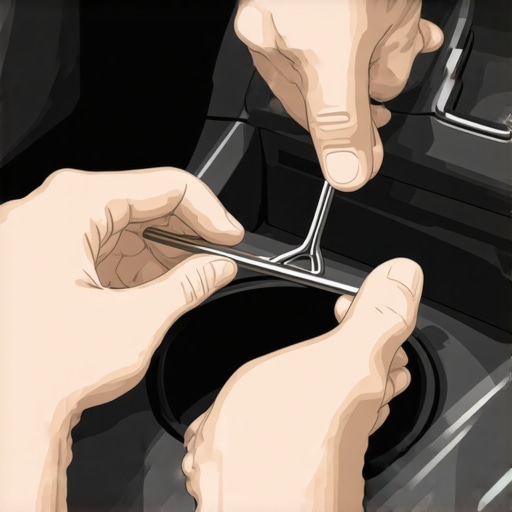
Ever been on a road trip, reaching for your drink, only to have the cup holder pop open and spill coffee all over your new jeans? Or maybe you notice it just won’t stay closed no matter what you do. I’ve been there too, frustration bubbling up every time I hit a pothole and my cup holder bounces open again. It’s one of those small car annoyances that transforms into a bigger hassle, especially if you’re about to hit the highway and just want things to be smooth sailing.
Why Fixing That Stubborn Cup Holder Matters More Than You Think
That small, seemingly insignificant issue can actually tell you a lot about the overall health of your vehicle’s interior mechanisms. A cup holder that won’t stay shut might seem trivial, but it’s often linked to the wear and tear of plastic components or a loosely fitting latch. Over time, ignoring it can lead to even bigger problems—like parts breaking off or damage to surrounding interior pieces. Plus, it’s just plain annoying.
Here’s the thing: fixing a stubborn cup holder isn’t as complicated as it looks. I used to think I needed special tools or a full dashboard teardown to resolve it. Turns out, with some simple tools and a bit of patience, you can have that cup holder working like new. And trust me, it’s worth the effort. Restoring this small feature boosts your confidence in your car’s upkeep and keeps your interior looking sharp. If you’re tired of cleaning up spilled drinks or listening to that constant click-clack when attempting to close it, hang tight—I’ll walk you through exactly how to fix it.
Could it Be a Waste of Time to Fix Such a Tiny Problem?
At first, I was skeptical—thinking, “Is this really worth my time?” Especially since I’ve made the mistake early on of ignoring minor issues, hoping they’d just disappear. But neglecting small problems can lead to bigger, more costly repairs later on. Plus, fixing yourself isn’t just satisfying—it’s often the most cost-effective way to keep your car in top shape. In fact, routine [auto repair tips](https://collisionrenew.com/the-ultimate-guide-to-auto-repair-keep-your-car-running-smoothly) like this can prevent major breakdowns down the road.
So, have you ever dealt with a stubborn cup holder in your car? If yes, you’re not alone, and I promise—this fix is easier than you think. Ready to get started? Next, I’ll show you how to troubleshoot the most common causes and fix it step by step, so you can confidently take care of this small but annoying issue yourself.
Remove the Center Console or Panel Cover
Start by locating the screws securing the panel or console that surrounds the cup holder. Use a Phillips screwdriver to carefully unscrew and set aside the fasteners. Gently pry the panel away using a plastic trim tool to avoid damaging the interior. I once worked on a 2010 Honda Civic where I underestimated the clips holding the panel; I ended up breaking one and had to replace the entire piece, so proceed gently.
Check for and Replace Worn or Broken Parts
Inspect the latch mechanism for signs of wear, corrosion, or broken components. If the latch or spring appears damaged, replace these parts with new ones from your vehicle’s manual or auto parts store. In my own experience, a simple spring replacement restored the latch’s tension, and my cup holder stayed closed during bumpy rides again.
Clean the Components Thoroughly
Use a mild cleaner and a small brush to remove dirt, dust, and debris from the latch and surrounding areas. Accumulated grime can hinder proper operation. Once cleaned, dry it completely; moisture can cause rust or further wear, leading to more issues down the line. Regular cleaning like this can prevent minor problems from escalating, as advised in essential car service checks.
Lubricate the Moving Parts
Apply a small amount of silicone spray or a light lubricant to the latch and moving components. Avoid petroleum-based lubricants, which can attract dirt. This step ensures smoother engagement and disengagement, reducing the chance of sticking. I learned this lesson when I used WD-40 on a stubborn door hinge—you can guess what happened—dirt and grime made it worse. Instead, silicone spray is cleaner and more effective for plastic parts.
Reassemble and Test
Carefully put the panel back onto the console, securing all screws snugly but not overly tight. Test the latch multiple times to ensure it stays closed unless intentionally opened. It’s best to repeat the cleaning and lubrication process after a week to maintain optimal function. Remember, even small issues like a loose cup holder can reflect underlying wear, so regular inspection helps keep your interiors in top shape. For more tips on maintaining your vehicle’s systems, review the auto repair best practices.
 When it comes to vehicle maintenance, many car owners fall prey to oversimplified advice that can do more harm than good. For example, a widespread misconception is that transmission fluid only needs replacement after high mileage or when symptoms appear. In reality, proactive maintenance based on precise service intervals, especially for complex systems like the transmission, can significantly extend your vehicle’s lifespan. Check out expert tips on long-term transmission care.Another common myth involves brake pads: many believe that squealing always indicates wear that requires immediate replacement. However, some high-quality brake pads have built-in wear indicators that emit noise intentionally to signal it’s time for inspection, not necessarily replacement. Understanding these nuances can save you money and prevent unnecessary repairs.
What’s the risk of ignoring subtle signs of transmission trouble?
Neglecting early symptoms like delayed shifts or unusual noises can lead to catastrophic failures, often requiring costly repairs or replacements. According to automotive experts, early diagnosis and intervention are crucial for maintaining your vehicle’s reliability. For instance, if your car feels jittery during acceleration or your transmission shifts late when cold, don’t dismiss it. These could be signs of low transmission fluid or internal component wear, which, if addressed promptly, can avoid major overhauls. Learn more about proper transmission diagnostics in expert resources. Conversely, a lesser-known pitfall is assuming that auto repairs are always costly or overly complex. Many experienced technicians, like those at CollisionRenew, emphasize that small, consistent maintenance tasks often prevent expensive breakdowns. Regularly inspecting and servicing your vehicle following recommended procedures can make all the difference in ensuring safety and longevity. Want to avoid common pitfalls in your car care routine? Start by understanding the nuanced behavior of your vehicle’s systems, and don’t hesitate to seek professional advice when in doubt. For comprehensive insights, consult our essential maintenance checklist.
Investing in the Right Equipment to Keep Your Vehicle Running Smoothly
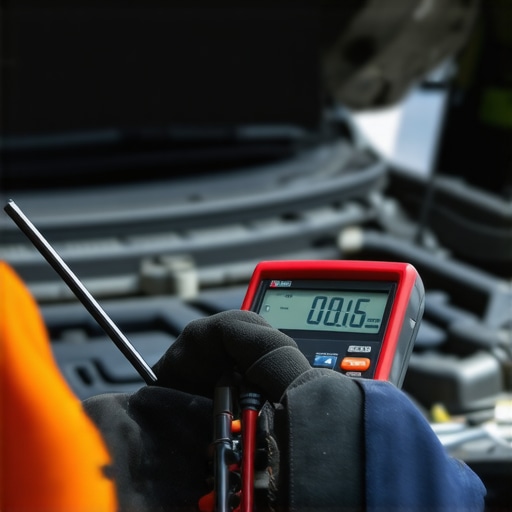
Maintaining your car’s performance over the years requires more than just regular driving; it demands the right tools and a disciplined approach to upkeep. Personally, I swear by a few specific tools that have saved me both time and money—starting with a quality digital multimeter. This device isn’t just for checking battery voltage; it’s invaluable for diagnosing complex electrical issues, ensuring your vehicle?s systems are functioning properly before they escalate into costly repairs. For instance, when troubleshooting inconsistent starter behavior, a multimeter helps confirm whether it’s a failing relay or a wiring problem, streamlining the repair process.
Next, a reliable scan tool is a must-have. I recommend an OBD-II scanner capable of reading and clearing fault codes, which can pinpoint issues like transmission slipping or sensor failures. I prefer models that connect via Bluetooth to my smartphone, allowing for quick diagnostics during roadside checks or routine inspections. The advantage? Immediate insights prevent small problems from becoming roadblocks, preserving your vehicle’s longevity.
On the mechanical side, I advocate for a high-quality torque wrench. Proper tightening ensures that critical components—like wheel lug nuts or suspension bolts—are secured to manufacturer specifications, a practice I learned the hard way after a wheel came loose on a highway. Maintaining proper torque settings mitigates wear and prevents catastrophic failures, especially in high-stress components such as the transmission mount or brake caliper bolts.
How do I maintain transmission health over time?
Good transmission maintenance hinges on regular fluid changes and adhering to recommended service intervals. The trend points toward synthetic transmission fluids, which withstand heat and shear forces better, extending intervals and improving shift smoothness. Consult expert auto repair tips for deep insights. Additionally, using a transmission fluid temperature tester during routine check-ups can alert you to early signs of stress, helping prevent costly rebuilds down the line.
Looking ahead, the future of auto maintenance is heading toward integrated telematics and AI diagnostics, which will monitor system health in real-time and advise on proactive repairs. Embracing these innovations now, such as installing advanced scan tools and sensors, sets your vehicle up for a longer, trouble-free life. If you’re ready to elevate your maintenance routine, start by investing in a quality scan tool and learning to interpret its diagnostics—small steps that make a big difference in your car’s lifespan.
For a comprehensive approach, always stay updated with the latest maintenance recommendations and consult trusted resources like essential car service checks. Remember: proactive care today equals fewer surprises on the road tomorrow.
The Hardest Lesson I Learned About Transmission Repairs
One experience that truly transformed my approach to auto repair was when I overlooked subtle signs of transmission wear, thinking they weren’t critical. It taught me that small, seemingly insignificant issues—like delayed shifts or minor grinding noises—can be precursors to major breakdowns. Recognizing these early indicators saved me from costly repairs later and instilled a proactive mindset toward vehicle health.
Why Basic Tools Can Be Your Best Auto Repair Allies
Investing in a quality scan tool or transmission fluid tester changed the way I approach car care. These tools demystify complex diagnostics and empower you to identify problems before they escalate. For example, using a simple code reader helped me catch a faulty sensor early, saving money and avoiding inconvenience. Becoming familiar with your vehicle’s essential tools makes maintenance a confident and rewarding experience.
Staying Ahead Means Knowing Your Car’s Signals
I’ve learned that paying close attention to how your car responds—odd noises, shifts, or vibrations—can be the first step to avoiding bigger issues. Watching for patterns and understanding when something’s off allows you to seek professional help early. It’s like giving your vehicle a check-up on a regular basis, preventing surprises down the road and extending its lifespan.
Curated Resources for Smarter Car Care
- Top transmission repair tips: Trusted advice on maintaining your vehicle’s heart with proper fluid changes and diagnostics.
- Essential car service checks: A comprehensive guide to routine maintenance that prevents costly repairs.
- CollisionRenew strategies: Proven techniques to restore and preserve your vehicle’s condition over time.
- Fuel injector insights: Learn to identify early signs of engine performance issues, ensuring smooth rides.
Charge Forward With Confidence in Your Car Care Skills
Every small repair or inspection is a step toward mastering your vehicle’s health, and that knowledge boosts your confidence on the road. Remember, consistent maintenance, combined with the right tools and a curious mindset, can save you time and money while keeping your car running smoothly. Are you ready to take charge of your auto repair adventures? Your journey starts today—so, what’s the next small fix you’re excited to try or learn about? Let me know below, and let’s grow together in this auto maintenance path.