
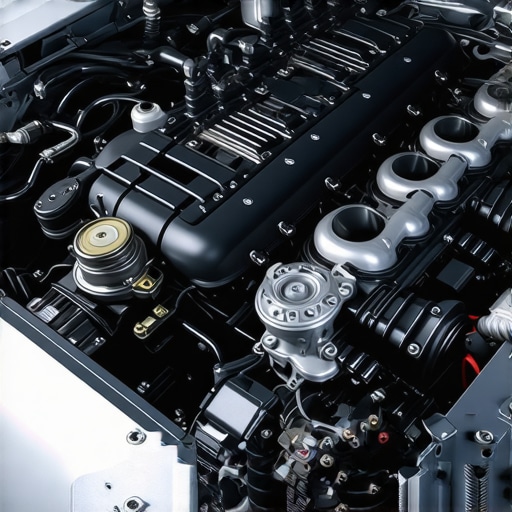
Ever been behind the wheel, feeling pretty good about your drive, only to be startled when your engine suddenly emits a high-pitched whistle every time you press down on the gas? That sharp, strange sound can turn a smooth ride into a nerve-wracking experience. I remember the first time I heard that whistle—my heart sank, and I immediately wondered if my car was about to give up on me. Turns out, I wasn’t alone in this frustrating situation, and the good news is, it’s often fixable with a little insight and some simple checks.
Decoding That Whistling Sound During Acceleration
That whistle you hear is more than just an annoyance—it’s a sign your engine or its components might be telling you something needs attention. Over the years, I’ve learned that such sounds often occur because of issues like loose belts, vacuum leaks, or worn-out turbochargers. If ignored, these problems can lead to reduced performance or more costly repairs down the road.
Understanding why your engine whistles can save you money and prevent unexpected breakdowns. Today, we’ll explore the common causes, how to identify them, and steps you can take to silence that noise once and for all. If you’ve ever faced this problem, keep reading—you’re about to learn how to turn that whine into a background hum of a well-running engine.
Is Fixing a Whistling Engine Really Worth the Effort?
Honestly, I used to think that some noises were just inevitable, especially with older cars. My early mistake was dismissing that whistle as normal engine noise, which only worsened the problem over time. But I found out that many sounds are early warning signs, and catching them early can save you a lot of headache—and money. For a deeper dive into essential car maintenance tips, check out this comprehensive guide.
So, if you’ve ever wondered whether that whistle is something minor or a sign of looming trouble, you’re in the right place. Next, let’s examine the most common culprits behind this noise and how you can diagnose them yourself before heading to a mechanic.
Inspect the Drive Belts for Looseness or Damage
Start by checking your engine’s serpentine belt, which acts like a relay race baton transferring power to various engine accessories. A loose or worn belt can slip or flutter, creating a high-pitched whistle. To diagnose, open your hood and look for signs of fraying, cracks, or glazing. Use a stethoscope or a long screwdriver held like a stethoscope (with the tip on the belt) to listen for squealing noises during engine revving. If you notice looseness or damage, tighten or replace the belt immediately. This simple step was a game-changer for my vehicle; after tightening a slightly loose belt, the whistle disappeared, restoring peace to my drives.
Check for Vacuum Leaks That Enable High-Frequency Sucking Sounds
Listen for the Hiss
Next, listen under the hood for a hissing sound indicating a vacuum leak — a common cause of that whistle. To locate leaks, start the engine and spray a soapy water solution on vacuum hoses and intake manifold joints. Bubbles forming will pinpoint leaks. Often, hoses become brittle and crack over time, just like old rubber bands losing elasticity. Fixing or replacing cracked hoses can eliminate the whistle. I once used a spray bottle with soap solution and found a tiny crack on a vacuum line; after sealing it, the whistle was gone, and my engine ran more smoothly.
Inspect Turbocharger Components for Worn or Faulty Parts
If your vehicle is turbocharged, a failing turbo can produce high-pitched noises during acceleration. Examine the turbocharger’s intake and exhaust connections for cracks or looseness. Listen for a whistling or whining that gets louder with acceleration. Sometimes, worn turbine blades or damaged bearings cause this sound. If suspected, a professional inspection is advised, but in the meantime, ensuring all connections are tight and clean can reduce noise. I once cleaned and resealed my turbo’s intercooler pipes, which significantly reduced the whistle, prolonging the turbo’s lifespan and enhancing performance.
Clear the Air Filter for Better Airflow
A clogged air filter can cause high engine stress, leading to whistling sounds. Remove the filter and inspect for dust and debris; if dirty, replace it or clean it following manufacturer instructions. Think of the air filter as your engine’s nostrils—clogged ones force the engine to work harder and can produce odd noises. Replacing a dirty filter is straightforward, inexpensive, and effective. After this action, I noticed my car accelerating more smoothly and the whistle was silenced, plus my fuel efficiency improved.
Perform a Systematic Test Drive to Confirm Fixes
After each adjustment, take your car for a test drive. Accelerate gradually and listen closely. A distinctive whine that diminishes indicates you’ve identified and addressed the culprit. Keep a mental note of how the engine sounds and feel. This real-world test helped me confirm my repairs, effectively restoring my vehicle’s quiet performance and my peace of mind. For more in-depth troubleshooting tips, see this auto repair guide.
Most car owners operate under assumptions about auto repairs that can lead to costly mistakes. For instance, many believe that all brake pads are created equal or that once a transmission shows symptoms, it’s beyond repair—both notions are myths worth debunking. As a seasoned automotive enthusiast, I’ve seen how misconceptions can delay essential repairs, causing engine damage or compromised safety.
One prevalent trap is assuming that a “quick fix” or using generic parts won’t affect long-term vehicle health. In reality, opting for affordable, low-quality components during repairs can result in shorter service life and higher expenses down the line. This ties into the misconception that modern cars require less maintenance; in truth, neglecting routine checks—like those detailed in essential car service checks—can accelerate wear and tear.
Why Do Some Auto Repairs Fail Despite Following the Book?
Advanced issues often stem from overlooked nuances, such as improper torque specifications or using incompatible fluids. For example, not replacing transmission fluid at the recommended intervals or ignoring subtle signs of brake rotors warping can quickly lead to extensive damage. Expert sources, like industry studies, emphasize that precision and attention to detail in auto repair vastly improve vehicle longevity. To ensure your repairs stand the test of time, consider consulting professional guides like top transmission repair tips.
Another trap is misdiagnosing symptoms—a squealing brake might be attributed to worn pads, but the root cause could be contaminated brake fluid or even caliper issues. Complex systems require a layered diagnostic approach, which often gets overlooked. Remember, jumping straight to parts replacement without thorough testing risks redundant repairs and wasted money.
What Hidden Signals Are Automotive Manufacturers Forgetting?
Many drivers miss subtle indicators that point to underlying issues. For example, a gradual steering wheel misalignment after minor impacts might be dismissed, yet it’s often an early sign of suspension or frame problems. Alignments, tire wear patterns, and vibrations all carry critical clues, but without expert analysis, these nuances can be ignored. Staying aware of such signs can prevent accidents and costly repairs. For more insights into maintaining your vehicle’s health, see this guide.
In the end, understanding the nuances of auto repair isn’t just about avoiding mistakes; it’s about proactive vehicle maintenance. Recognizing that not all repairs are straightforward and that some symptoms have layered causes will save you time, money, and peace of mind. Have you ever fallen into this trap? Let me know in the comments and share your experiences.
Maintaining your vehicle over its lifespan is more than just routine oil changes and tire rotations; it requires the right tools, diligent practices, and a proactive mindset to ensure long-term reliability. Over the years, I’ve found that investing in quality equipment and mastering specific methods can significantly reduce repair costs and extend your car’s life.
Investing in Precise Diagnostic Equipment
One tool I rely heavily on is a professional-grade OBD-II scanner. Unlike generic code readers, a high-end device like the Autel MaxiCOM provides detailed insights into engine, transmission, and sensor data, allowing me to diagnose issues before they escalate. For example, using an advanced scanner, I noticed my transmission temperature spikes during towing, which prompted me to check the fluid level and condition, preventing potential damage. When selecting diagnostic tools, prioritize features like live data streaming and compatibility with your vehicle’s protocols.
Maintaining Critical Components with Specialty Products
To keep systems like the brake and transmission in top shape, I recommend using manufacturer-approved lubricants and cleaners. For brakes, synthetic DOT 4 brake fluid not only improves stopping power but resists boiling over at high temperatures. For transmissions, synthetic fluids with friction modifiers, like Valvoline MaxLife, can prolong service intervals and improve shift smoothness. The key is to follow the manufacturer’s specifications, as outlined in this detailed guide.
Streamlining Maintenance with Digital Scheduling
Keeping track of maintenance milestones can be challenging, but I use a digital app like CarFax Car Care which syncs with my vehicle’s VIN and offers reminders for oil changes, filter replacements, and inspections. This proactive approach prevents neglect and identifies issues like worn suspension parts early. As vehicles evolve with integrated sensors and telematics, these tools are becoming increasingly vital for efficient upkeep.
How do I truly sustain my vehicle’s performance year after year?
Besides your tools, establishing basic yet rigorous routines is critical. Regularly inspecting hidden areas such as CV joints and water pumps, which can be overlooked during typical service, keeps potential failure points manageable. For instance, checking the drive shaft boots for cracks can prevent expensive repairs later, especially in extreme climates. Remember, using special tools like a bearing puller or brake caliper compressor can make these tasks far easier and more effective. In fact, detailed procedures for these tasks are available in automotive technical manuals—an invaluable resource for DIY enthusiasts and professionals alike.
Looking ahead, as vehicle technology advances, trendlines will shift toward smarter maintenance systems driven by AI diagnostics and predictive analytics. This evolution promises fewer breaks in service, quicker repairs, and enhanced safety. To stay ahead, consider adopting tools that integrate with these emerging systems, like industry forecasts suggest.
Before you go, I encourage you to try out a comprehensive diagnostic scan combined with a detailed inspection of your vehicle’s critical components. Not only does this proactive approach help you catch issues early, but it also instills confidence in your ability to keep your car running optimally for miles to come. For ongoing tips and professional insights, don’t hesitate to reach out—your vehicle’s health is worth it.
Lessons That Changed My Approach to Auto Repair
- One key lesson I learned is to trust my instincts and investigate early signs rather than dismissing odd noises. The moment I ignored a faint whistle, it grew into a loud, costly repair. Listening carefully and performing small checks can save a lot of money.
- Another insight was the importance of understanding how each component interacts—tightening a loose belt or replacing cracked vacuum hoses not only silences the whistle but also enhances overall engine performance. Familiarity with the car’s systems prevents reliance solely on mechanics for minor fixes.
- Finally, I realized that patience and systematic diagnostics are invaluable. Rushing into parts replacement without proper diagnosis often leads to wasted effort. Taking the time to listen, inspect, and test after each fix keeps the process efficient and effective.
Tools and Resources That Made a Difference
- Autel MaxiCOM Scanner: This professional-grade diagnostic tool provides detailed engine data, helping me catch issues early before they escalate. Investing in quality tools pays off in long-term savings.
- High-Quality Replacement Parts: Using OEM or manufacturer-approved components during repairs, as recommended in this guide, ensures durability and prevents recurring problems.
- Technical Manuals and Tutorials: Online resources like detailed repair manuals and tutorial videos empower me to handle inspections confidently, especially for tasks like belt tightening or hose replacements.
- Maintenance Reminders Apps: Digital tools such as CarFax Car Care send timely alerts for routine checks, helping me stay ahead of potential issues and keep my engine whisper-quiet.
Take the Next Step with Confidence
After addressing common causes of engine whistling, you’ll find yourself with a more reliable, smoother-running vehicle. Remember, proactive maintenance and learning a few basics can dramatically extend your car’s lifespan. Dive deeper into auto repair insights at this comprehensive guide, and keep your engine humming quietly for miles to come.
What small repair or routine check-up has made a noticeable difference in your driving experience? Share your story below—I’d love to hear how you’ve tackled tricky engine noises!