
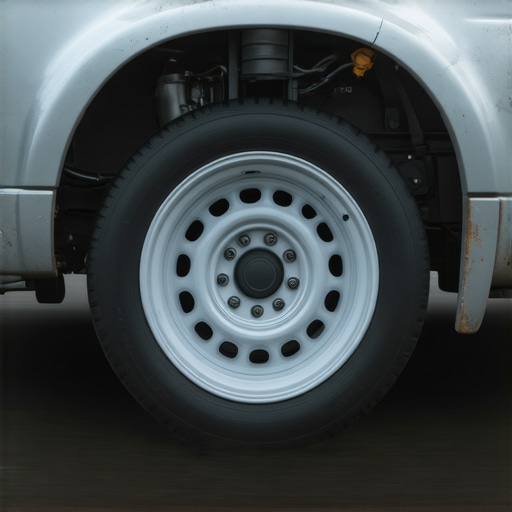
I’ll never forget that jarring moment my old sedan hit a pothole, and instead of the usual bounce, I heard a sharp, metallic clink. My stomach sank. It wasn’t just embarrassing; I realized I was ignoring warning signs about my car’s health. That little sound was my car telling me something was off, and I, like many others, had been dismissing it as minor noise.
Connecting the Dots Between Noise and Safety
If you’ve experienced something similar, you know how unsettling it can be when every bump on the road brings a metallic sound. It’s almost like your car is trying to communicate a secret—something that needs your attention. The truth is, such noises often point to underlying issues that, if left unchecked, could lead to costly repairs or even safety concerns. Recognizing this early can save you money and keep you safe on the road.
Ever Wonder When Noise Becomes a Major Problem?
Early on, I made the mistake of shrugging off that clinking sound, thinking it was just a loose part or a bump in the road. Turns out, that was a rookie move. A review from the ultimate guide to auto repair notes that unusual noises over bumps could indicate worn suspension components or loose parts that, if ignored, could compromise your vehicle’s control. Trust me, catching these signs early is key.
So, today, we’re going to explore what that metallic clink could be, how to identify the real issue, and when it’s time to see a professional. If you’re tired of that mysterious noise turning into a costly surprise, stick around. We’re about to demystify what’s going on beneath your car—and get you back to smooth, silent rides.
Identify the Source of the Noise
When you hear that metallic clink, start by pinpointing where it originates. Park your car on a flat surface, engage the parking brake, and listen carefully while gently bouncing the suspension by pushing down on each corner. If the noise persists, use a flashlight to inspect under your vehicle for loose parts or debris. In my experience, a small loose bracket or a worn suspension component often causes these sounds. Understanding the exact source helps determine your next move, whether a simple adjustment or a professional repair. For complex cases, consult an expert through Collision Repair.
Conduct a Visual and Manual Inspection
Look for any visible signs of wear or damage. Focus on areas like the suspension, brakes, and undercarriage. Wiggle parts gently to check for looseness—if a component moves more than expected, it’s a red flag. Wearing gloves, press and twist different parts to get a feel for any abnormal play. I once found a loose sway bar link after this step, which was causing the clink. Tightening or replacing worn parts here can save money and improve safety. Remember, some issues require specialized tools or expertise, so if in doubt, visit a trusted auto repair shop.
Remove and Replace Worn Components
If you identify a faulty part, remove it carefully. Use appropriate tools to detach bolts and clips—think of it like performing delicate surgery. For example, replacing a worn brake pad or suspension arm involves torque specifications—over-tightening can cause more damage. Use a torque wrench to ensure proper tightness, preventing future issues. I remember struggling initially with a stuck bolt on my own car, but a quick soak with penetrating oil and patience made it manageable. Document your work or take photos for reference. If replacements are beyond your DIY skills, reach out to professionals via trusted auto repair services.
Test Ride and Confirm Fixes
After reassembling the components, take your car for a test drive. Drive over various road conditions, including bumps and turns, to see if the noise returns. Keep an ear out for any new or recurring sounds. If the metallic clink persists, re-inspect the area. Sometimes, a component may need fine-tuning or additional tightening. In my case, adjusting a new sway bar link resolved the noise completely. This step ensures your repair was successful and that your vehicle is safe to drive. For persistent or complex problems, consulting a mechanic is wise—expert diagnostics can prevent future breakdowns. To learn more about long-term vehicle reliability, visit transmission tips.
Most car owners operate under certain assumptions about brake service, car maintenance, transmission care, and collision renewals, but many of these beliefs are either outdated or simply incorrect. As an automotive expert, I want to shed light on some common misconceptions that could lead you astray. Let’s explore these nuanced truths and pitfalls that even seasoned drivers sometimes overlook.
The Danger of Believing All Repairs Are Created Equal
One pervasive myth is that any auto repair shop delivers the same quality of service. In reality, the level of expertise, diagnostic precision, and parts quality can vary dramatically. Trusting a low-cost, non-specialized shop might save money upfront but could cost you more in the long run—think engine damage or safety risks. It’s crucial to research and choose reputable providers like Collision Renewal for complex issues like transmission repairs or collision restorations to ensure longevity and safety.
Common Pitfall: Ignoring Warning Signs Until It’s Too Late
Many drivers delay addressing subtle signs of wear, under the misconception that these issues are trivial. For example, a slight squeal during braking might seem harmless but could be an early sign of brake booster failure or worn brake pads. The misconception that small problems will resolve themselves often leads to more costly repairs or dangerous situations. Regular inspections and understanding the nuances—such as recognizing the difference between a normal brake pad wear sound and a sign of an imminent failure—can save lives and money.
Is Your Transmission Really Beyond Help or Just Misunderstood?
Advanced drivers often think transmission issues are always catastrophic and require complete replacement. However, many transmission problems—like slipping, delayed shifts, or unusual noises—can be fixed with targeted repairs ranging from fluid changes to component replacements. According to maintenance tips for transmission longevity, timely intervention often prevents full overhaul, extending your vehicle’s life significantly. Don’t let myths about repair costs deter you from seeking professional help when needed.
Async Engagement: Avoid Little Traps That Lead to Big Repairs
A classic mistake is neglecting religious maintenance schedules because of the misconception that they are optional or overly expensive. Skipping routine services like fluid replacements, belt checks, and system calibrations—especially with complex components like the transmission—can turn minor issues into major failures. For example, neglecting transmission fluid changes can cause buildup, overheating, and eventual gear failure. Staying proactive with essential maintenance checks is vital for vehicle health.
So, the next time you consider skipping routine service or dismissing warning signs, remember: these nuances can save you thousands and keep you safely on the road. Advanced comprehension of these hidden details ensures smarter choices and longer-lasting vehicles. Have you ever fallen into this trap? Let me know in the comments.
Invest in Quality Diagnostic Equipment
For serious auto repair enthusiasts and professionals, investing in a reliable OBD-II scanner is essential. Personally, I prefer the BlueDriver scanner because it provides comprehensive diagnostics, including real-time data and advanced code definitions. This tool allows me to identify issues before they escalate, saving money and preventing breakdowns. As the industry trends toward more sophisticated vehicle systems, having a high-quality scanner ensures you’re prepared for future challenges.
Use Software for Tracking Repairs and Milestones
An often-overlooked aspect of vehicle maintenance is meticulous record-keeping. I rely on specialized apps like AutoCare or Fuelly to log repairs, part replacements, and routine checks. These tools help me maintain a maintenance schedule, which is vital for components like transmissions or collision repairs where timely interventions extend vehicle lifespan. Staying organized ensures you catch issues early and can inform your mechanic about your vehicle’s history, as detailed in the comprehensive auto repair guide.
Implement Routine Visual Inspections
Nothing replaces the value of a quick visual check before each drive. I regularly inspect belts, hoses, and fluid levels—especially transmission fluid—using a flashlight and clean gloves. This habit is crucial because early signs of wear or leaks can be detected promptly. For example, noticing a slight discoloration or a small leak can prevent a costly transmission rebuild. Pairing these inspections with the use of simple tools like a mirror and a torque wrench keeps everything in check. According to technical documentation from industry standards, maintaining proper torque on critical bolts during repairs enhances long-term reliability.
Prioritize Professional Checks for Complex Systems
While DIY maintenance is rewarding, certain tasks demand professional expertise, particularly transmission repairs or collision restorations. My approach is to use diagnostic tools and visual inspections to identify potential issues, then consult trusted mechanics for complex fixes. Regular maintenance schedules, combined with professional assessments, ensure components like the transmission or suspension are functioning optimally. Later down the line, these practices contribute to a more reliable and longer-lasting vehicle.
How do I maintain my car’s transmission over time?
Regular fluid changes are fundamental—using high-quality synthetic transmission fluid tailored to your vehicle makes a significant difference. Additionally, monitoring shifting behavior and listening for unusual noises can alert you to early problems. I recommend scheduling professional inspections every 30,000 to 50,000 miles to catch wear and tear before they cause costly damage. As vehicle technology continues to evolve, staying informed through trusted sources like industry tips is crucial. Don’t hesitate to employ advanced diagnostic tools or seek expert advice; it’s an investment in your car’s longevity and safety.
By adopting these precise tools and disciplined strategies, you’ll keep your vehicle running smoothly for years to come. Remember, early detection and consistent maintenance are your best allies. Why not start today by updating your diagnostic tools or setting a detailed maintenance schedule? Your car will thank you for it!
,
The Hardest Lessons I Learned About Brake Service and Auto Repairs
One of the most valuable lessons I discovered is that ignoring minor signs, like a subtle squeal or a soft braking feel, can lead to major safety issues. It’s easy to dismiss these as insignificant, but they often signify underlying problems that, if caught early, save money and lives.
Why DIY Can Sometimes Be a Double-Edged Sword
While I love working on my car, I realized that attempting complex repairs without proper tools or knowledge can do more harm than good. Knowing when to trust a professional, like Collision Renewal for collision repairs or transmission work, has been crucial in maintaining my vehicle’s longevity.
False Assurances and the Cost of Complacency
Believing that your car will ‘just make it’ without routine maintenance has been a costly misconception. Regular check-ups, fluid changes, and inspections are investments in safety that prevent unexpected breakdowns, especially in critical systems like the transmission or brakes.
Prioritizing Safety Over Cost Savings
I learned that cutting corners to save money can compromise safety—for example, skipping brake pad replacements or custom suspension inspections. Sometimes, investing a little more upfront with trusted providers ensures peace of mind and long-term savings.
Curated Recommendations for Car Care Confidence
If you want to be proactive about vehicle maintenance, I highly recommend tools like the BlueDriver scanner, which provides comprehensive diagnostics. Also, keeping a detailed log with apps such as Fuelly helps me track repairs and maintenance milestones, ensuring nothing gets overlooked. For information on trustworthy auto repair shops, visiting Collision Renewal’s contact page can be your first step toward lasting vehicle health.
Your Turn to Keep Things Moving Safely
Understanding these lessons can dramatically improve how you care for your car. Remember, early detection and professional intervention are your best allies in avoiding costly repairs and ensuring your safety on the road. Whether it’s tackling a sneaky noise or scheduling regular check-ups, proactive steps now will pay off in smoother, safer drives ahead.