
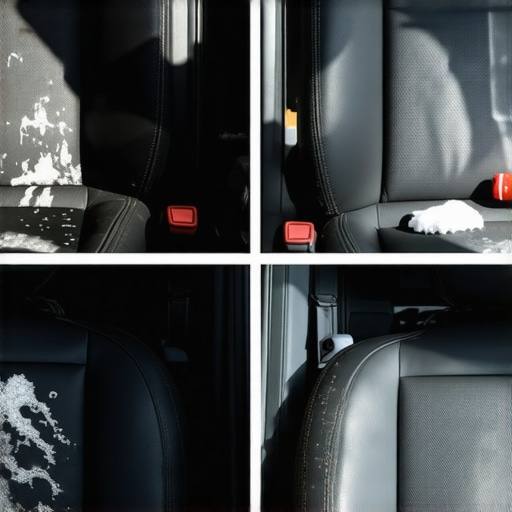
It was a chilly winter morning when I first noticed that stubborn salt stain creeping across the seat cushions of my car. I’d just finished shoveling a snowstorm, feeling proud that I braved the elements, only to find that my car’s interior was paying the price. That light dusting of salt, which had seemed harmless outside, had become an unsightly and overwhelming mess inside, making my car look years older overnight. I remember thinking, “Why is this so hard to clean?” and realizing I needed a better plan.
If you’re like me, salt stains are more than just a cosmetic issue — they’re a threat to your car’s comfort, value, and longevity. Thanks to the’hiver, salt is inevitable, especially if you live in snowy climates. But what many don’t realize is that these stains can cause corrosion if left untreated, potentially leading to expensive repairs down the line.
Today, I want to share the exact method I’ve perfected for removing salt stains from car seats. It’s simple, affordable, and remarkably effective — I promise it works for fabric, leather, or vinyl seats. Whether your car’s interior looks like a winter battleground or you simply want to keep your ride pristine, these tips will help you reclaim your seats.
Why Ignoring Salt Stains Could Cost You More Than You Think
Salt doesn’t just sit on the surface; it can seep into the fibers of your seats, accelerating deterioration and mold growth. According to a study by the American Automobile Association, corrosion caused by salt is responsible for nearly 80% of vehicle-related issues in regions with harsh winters. That’s a huge number, and it highlights the importance of regular maintenance and prompt cleaning. Forgetting about those salt residues might save a few minutes now but could lead to costly repairs if corrosion takes hold.
Have you ever overlooked salt stains and then noticed musty odors or cracking upholstery? If so, you’re not alone. Early on, I made the mistake of just vacuuming the salt away, thinking that was enough. Spoiler alert: it isn’t. That’s why I strongly suggest addressing the issue before it gets worse.
In the next sections, I’ll guide you step-by-step through my proven routine, plus share some tips to prevent salt from ruining your interior again. Because, trust me, your car seats deserve better. Ready to bring your car’s interior back to life? Let’s dive into the cleaning process that transformed my vehicle — and can do the same for yours.
Start with a Thorough Vacuuming
During my initial attempt, I rushed to vacuum the salt stains without considering the deeper fibers. I used a stiff-bristled brush attachment to dislodge loose salt and dirt, focusing on seams and textured areas where salt particles hide. This step is crucial because it prevents scratching the upholstery and prepares the surface for cleaning. Make sure to vacuum slowly and methodically to lift as much salt as possible without pushing it further into the fabric or leather.
Prepare Your Cleaning Solution
Next, I mixed a cleaning solution tailored to my seat type—fabric or leather. For fabric seats, combine equal parts white vinegar and water, which neutralizes salt and dissolves residues. For leather or vinyl, dilute a pH-balanced leather cleaner with water. I remember needing to adjust the vinegar ratio after a trial, avoiding over-saturation, which can damage delicate materials. Use a spray bottle for even application and keep the solution within the recommended concentration to prevent long-term damage.
Test and Apply the Cleaner Carefully
Before tackling the entire seat, I tested the solution on a small, inconspicuous area to check for discoloration or adverse reactions. When satisfied, I lightly spritzed the stained areas, ensuring the cleaner penetrated the fibers rather than just sitting on the surface. I used a microfiber cloth or soft brush to gently work the solution into the fabric or leather, mimicking the way a dentist gently cleans teeth—firm but gentle. This process helps lift embedded salt crystals without damaging the material.

Visualize applying a mist of cleaning solution onto fabric seats, emphasizing gentle, even coverage to avoid oversaturation.
Scrub and Wipe Excess Moisture
After applying the cleaner, I employed a soft-bristled brush or sponge to agitate the area. The goal was to dislodge remaining salt particles stuck deep in the fibers. For fabric seats, I pressed gently to lift salt residues; for leather, I avoided excessive scrubbing to prevent scratching. Once the area was adequately cleaned, I used a dry microfiber cloth to absorb excess moisture, preventing water from seeping into seams or causes of mold. Patience here is essential—rushing can leave behind residual salt or moisture that promotes corrosion.
Rinse and Dry Properly
I then dampened a clean cloth with plain water to rinse off any remaining cleaning solution and salt residues. This step ensures no cleaning agents linger, which could cause discoloration or cracking over time. After wiping, I allowed the seats to air dry completely in a well-ventilated space. For fabric seats, I cracked open windows or used a fan; for leather, I applied a conditioning treatment afterward to restore moisture and flexibility. This thorough drying prevents salt crystals from re-forming or causing corrosion beneath the surface.
Prevent Future Salt Damage
Once the seats were clean, I applied a protective coating—fabric sealant or leather conditioner—to create a barrier against future salt deposits. Regular maintenance, such as quick cleanings after snowy drives, also keeps the interior looking fresh. Remember, early intervention is key; the longer salt sits, the more damage it can cause. For more detailed auto maintenance tips, checking out the Ultimate Guide to Auto Repair can be beneficial.
Many vehicle owners believe they understand the basics of auto service, but there’s often more beneath the surface that can trip up even seasoned DIYers. A common misconception is that changing the transmission fluid is a task that can wait indefinitely. In reality, neglecting this crucial service can lead to costly repairs, as transmission fluid lubricates and cools vital components. According to experts at Collision Renew, regular transmission maintenance is essential for long-term reliability.
Another misleading belief centers around brake pads replacement. Many assume that they’ll know when it’s time to replace them because of squealing sounds. However, brake squeal can sometimes be caused by dust, debris, or wear indicators, not necessarily indicating immediate replacement. Overlooking the signs of a failing brake booster, such as a soft pedal or increased stopping distance, can be dangerous. For a comprehensive understanding, check out this detailed guide.
Let’s talk about the most insidious myth: that all auto repair shops are equal. Many owners think choosing the cheapest repair option is sufficient. But the truth is, shortcuts and subpar parts can jeopardize your safety and lead to repeated repairs. Recognizing quality service requires understanding diagnostic processes and parts sourcing. For context, read about how to identify an honest auto repair shop.
Now, a question for the advanced enthusiast: How do subtle transmission or engine noises reveal underlying issues before they become serious? Recognizing these nuances demands experience and knowledge. According to research from the UCLA Mechanical Engineering Department, early detection of minor symptoms can prevent catastrophic failure, saving vehicle owners thousands and extending vehicle lifespan. Learning to interpret these signals is an investment in your vehicle’s health.
Be vigilant about these hidden nuances and don’t fall for marketing myths that downplay essential maintenance. Have you ever fallen into this trap? Let me know in the comments. For deeper insights and tailored advice, visit our privacy policy or explore the ultimate guide to auto repair to keep your vehicle in top shape.
Prioritize Reliable Equipment for Auto Maintenance
When it comes to maintaining your vehicle, having the right tools can make all the difference. I personally swear by a quality digital multimeter, like the Fluke 115, for diagnosing electrical issues such as battery health or alternator performance. Unlike basic testers, a top-tier multimeter provides precise voltage readings, helping me pinpoint problems quickly and accurately. Additionally, a reputable scan tool such as the Autel MaxiCOM is invaluable for reading and clearing diagnostic trouble codes, saving me trips to the mechanic and providing confidence in my repairs.
For transmission care, a dedicated fluid tester like the CERAMIC PROTECTION TESTER allows me to assess the condition of transmission fluid without costly lab tests. Checking fluid quality regularly helps extend the lifespan of the transmission and prevents sudden failures. Investing in these tools streamlines maintenance and ensures safety long-term.
Leverage Software and Tech for Better Results
Auto repair isn’t just about physical tools. Modern vehicles come with advanced computer systems, and I rely on diagnostic software such as OEM-specific scan apps that connect via OBD-II adapters. For example, the BlueDriver Bluetooth Professional Scan Tool connects to my phone and allows me to monitor live data, customize settings, and perform resets. This ongoing insight helps me spot potential issues early, like subtle shifts in transmission temperatures or sensor responses, before they turn into expensive repairs.
In the future, the trend points toward increased integration of AI-driven diagnostic platforms that can analyze data patterns and suggest maintenance proactively. Staying updated on these technological advances can give you a significant advantage in maintaining your vehicle’s health.
How do I keep my auto tools and software effective over time?
Regular calibration and updates are key. For physical tools like multimeters and scan devices, follow manufacturer instructions for calibration—this ensures your readings remain accurate. Software updates are equally critical; many diagnostic apps release periodic updates to support new vehicle models and features. For instance, keeping your scan tool’s firmware current ensures compatibility with the latest vehicles and systems, which can be crucial when dealing with sophisticated transmission or collision systems. Maintaining these tools properly enables you to catch anomalies—such as early signs of transmission misfires or collision damage—before they escalate into major repairs. To learn more about comprehensive vehicle care, explore essential maintenance practices that help preserve your car’s value.
Don’t just settle for basic checks—invest in high-quality tools and stay current with software updates. This proactive approach ensures you can troubleshoot issues efficiently, saving money and extending your vehicle’s life. For example, routinely testing your transmission fluid with specialized equipment can reveal early signs of wear—like metallic particles or darkening—that often go unnoticed until a costly repair becomes unavoidable. As car technology advances, so should your toolkit and knowledge. Try one of these advanced diagnostic methods today and experience the peace of mind that comes with true control over your vehicle’s health.
Lessons Hidden Beneath the Surface of Repair Myths
One of the biggest realizations I had was that many auto repair misconceptions come from oversimplified advice or outdated beliefs. For instance, I used to think that replacing transmission fluid was only necessary when issues arose, but now I understand that proactive maintenance saves money in the long run. Additionally, I learned that relying solely on visual cues like squealing brakes can be misleading; listening closely and understanding subtle signs makes all the difference. Lastly, I discovered that genuine auto tools and software are investments, not expenses—empowering you to diagnose and address problems early before they escalate into costly repairs.
What I Recommend for Ongoing Auto Maintenance
To stay ahead of potential issues, I trust tools like the Essential Car Service Checks guide, which offers comprehensive routines to extend your vehicle’s lifespan. I also lean on quality diagnostic scanners like BlueDriver, which connects effortlessly to my phone and provides us real-time insights into engine health. For fluid analysis, the Ceramic Protection Tester is a go-to for catching early signs of transmission or coolant trouble. These tools and resources help me maintain a proactive approach, catching problems when they’re still manageable.
Fuel Your Auto Knowledge with Expert Resources
Beyond practical tools, I recommend diving into trusted books and websites that delve into auto repair fundamentals. For example, the Ultimate Guide to Auto Repair is a goldmine for understanding core maintenance principles. For more specific insights, visiting reputable forums or subscribing to updates from Collision Renew keeps me informed about the latest industry advancements. Continuous learning ensures you’re equipped to handle your vehicle’s needs confidently.
The Power of Persistent Action in Car Care
Now, I encourage you to take that first step—inspect, maintain, and treat your vehicle with the care it deserves. Each effort, no matter how small, builds into a robust defense against breakdowns and costly repairs. Think of auto maintenance as an ongoing relationship with your car—nurturing it ensures safety, reliability, and peace of mind. The journey starts with awareness and commitment; your vehicle will thank you for it. Ready to transform your approach to auto care? Share your experiences or questions below, and let’s learn together.