
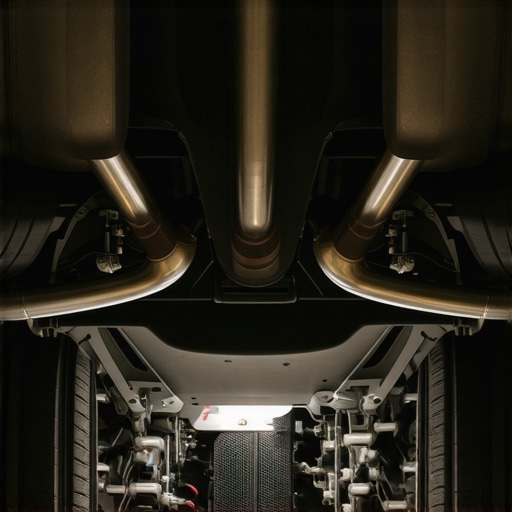
I remember the first time I heard that unexpected rattling noise right after turning off my car. It was late evening, and I just wanted to relax after a long day, but that persistent clatter kept me awake. For weeks, I ignored it, convincing myself it was nothing serious. But one day, I finally realized—this isn’t just a quirky sound; it could be a sign of a more significant issue.
Getting to the Bottom of That Noisy Telltale
It’s quite common for car owners like myself to be puzzled by a rattling sound when shutting down the engine. At first glance, it might seem trivial, but these sounds often point toward underlying problems that, if left unaddressed, could lead to costly repairs. The good news is, with a little guidance and some attention, you can identify whether it’s a minor fix or something needing professional intervention. Today, I’ll walk you through the typical causes and how to approach solving this issue, so you can drive with confidence.
Is It Worth Worrying About Rattling Sounds?
When I first heard the noise, I wondered if I should ignore it or call my mechanic immediately. Early on, I made the mistake of dismissing the sound, thinking it was just a loose screw or a temporary quirk. That was a mistake I learned the hard way. Ignoring potential warning signs can sometimes lead to damaging other parts of your vehicle. According to automotive experts, unresolved rattles can sometimes be traced back to issues like heat shields, exhaust components, or even transmission problems, which all require different solutions. For more detailed insights into auto repair essentials, check out my guide on [essential car service checks to extend your vehicle’s life](https://collisionrenew.com/essential-car-service-checks-to-extend-your-vehicles-life).
The crucial point is to listen closely and act promptly. In the sections ahead, I’ll help you diagnose common causes and share simple steps to potentially fix minor issues yourself or when to seek professional help. Let’s eliminate that unsettling noise so you can enjoy smooth, silent drives once again.
Check the Heat Shield First
Start by inspecting the heat shield—a metal barrier protecting your exhaust system—that can become loose over time. To do this, safely lift your vehicle using jack stands, then locate the heat shield around the exhaust pipe. If it moves or vibrates, that’s likely the culprit. I once fixed a rattling heat shield by tightening its retaining bolts with a socket wrench, which eliminated the noise instantly. If bolts are missing or rusted, you may need to replace them or consider a heat shield repair kit. For a detailed guide, see how to fix a rattling heat shield.
Test the Exhaust System for Loose Components
Next, gently tap along the muffler, catalytic converter, and connecting pipes to identify loose parts. If you hear a metallic sound, those components might be loose or damaged. Sometimes, an exhaust clamp or hanger can deteriorate, causing rattles. In my experience, replacing a broken hanger with a new rubber insulator restored quietness and prevented further damage. For more about exhaust repairs, check common exhaust issues and fixes.
Listen for Transmission or Engine-Related Sounds
If the rattling persists after inspecting the heat shield and exhaust, consider the transmission or engine mounts. Vibrations in these areas can transfer noise that mimics a rattle. To test engine mounts, carefully start the engine and shift into gear while observing mounting points for excessive movement. A worn mount can make your engine shift slightly, causing noise when turning off. Inspecting mounts is often straightforward; if you notice cracked rubber or metal fatigue, replacing them can silence the noise. For comprehensive guidance, visit transmission and mount troubleshooting.
Use Your Listening Skills to Narrow Down the Cause
Sometimes, the sound’s location can reveal its origin. Stand near the front of the vehicle and listen closely—if the noise emanates from the engine bay, suspect engine components. If it seems to come from underneath, focus on exhaust or heat shields. I once located a rattling heat shield by having a friend rev the engine while I crouched underneath; the increased vibration made the shield rattle more noticeably. This method of isolating the sound source saves time and guides effective repairs. For more tips on diagnosis, see sound location techniques.
Decide When to Call a Professional
While some fixes, like tightening bolts or replacing hangers, are DIY-friendly, other issues, such as internal exhaust damage or engine mount failures, require professional expertise. If you’re unsure or uncomfortable performing inspections or repairs, don’t hesitate to reach out to technicians. Reliable professionals can quickly diagnose and fix complex problems, preventing further damage. Visit contact us for trusted local auto repair services. Remember, timely action keeps your vehicle running smoothly and could save you from costly repairs down the line.Many car owners operate under misconceptions about essential services like brake repairs, transmission maintenance, or collision restoration. A common myth is that all brake pads wear out at the same rate, but in reality, driving habits, brake material quality, and even climate influence their longevity. For instance, aggressive driving can accelerate pad wear, yet many overlook this and wait until brakes squeal loudly before replacing them, risking damage to rotors and further costly repairs. It’s essential to understand that early warning signs—like a spongy pedal or reduced stopping power—can save you significant money and safety.
Another mistake involves underestimating the importance of transmission fluid changes. Some believe that if the car shifts smoothly, the fluid is fine indefinitely. However, as studies suggest, contaminated or degraded transmission fluid can lead to slipping gears, overheating, and transmission failure. Regularly checking and replacing it according to your vehicle’s manual is a crucial step often neglected by owners familiar with basic driving, but vital for longevity.
Critics often assume collision repairs are straightforward—simply restoring the car’s appearance. But sophisticated structural damages, especially those involving frame realignment, require advanced diagnostic tools and expertise. Rushing into quick fixes or inexpensive repairs might compromise safety and vehicle integrity, leading to higher costs later. As outlined in our comprehensive guide to auto repair, understanding these nuances ensures your car is truly restored to a safe, reliable condition.
Have you ever fallen into this trap? Let me know in the comments.
Why Do Some Brake Services Cost Less, but Might Not Be Better?
A common misconception is that cheaper brake service options are just as good as premium ones. While initial costs can be tempting, cutting corners often means using lower-grade materials or skipping thorough inspections. For example, neglecting to replace or resurface rotors during pad replacement can lead to premature wear or vibration, which eventually demands costly repairs. Investing in quality parts and expert service—like what we emphasize in best brake services in 2025—ensures durability and safety.
And what about the hidden dangers of neglecting minor symptoms? Small squeals, vibrations, or soft brake pedals might seem insignificant initially but could signal critical issues like warped rotors, worn calipers, or fluid leaks. Addressing these promptly prevents more severe problems down the line. Remember, routine checks as part of your regular vehicle maintenance plan can extend your car’s lifespan and keep repair costs manageable.
Beyond the basics, advanced drivers know that understanding the subtle nuances—like brake pad composition and the role of anti-lock systems—can make a real difference in vehicle safety and performance. Stay informed, and don’t hesitate to consult specialists for in-depth diagnostics.
Want to stay ahead with your car’s health? Reach out through our contact page for expert advice tailored to your vehicle. Being proactive now could save you from expensive surprises later.Maintaining your vehicle’s performance over time requires more than just basic knowledge; it involves the right tools, consistent routines, and a proactive approach. As a car enthusiast and professional, I’ve found that investing in quality equipment can make all the difference in diagnostics and repairs. For instance, using a high-quality scan tool like the Autel MaxiSYS Elite allows me to quickly access engine codes, reset service lights, and even perform advanced diagnostics without needing to visit the shop. These tools have become indispensable in my toolkit, saving me time and money.
How do I maintain my vehicle’s health over the long haul?
Regularly scheduled inspections, such as checking transmission fluid levels and brake components, are fundamental. I recommend routinely performing preventative maintenance, like inspecting serpentine belts with a dedicated belt tension gauge, which can reveal wear before catastrophic failure. For more comprehensive upkeep strategies, see my guide on essential car service checks. Looking ahead, the trend points toward integrated diagnostic systems that connect with smartphone apps, enabling real-time health monitoring. Embracing these innovations can help you catch issues early. When it comes to transmission health, using fluid testers like the Snap-on MT2500 allows me to analyze fluid condition precisely, ensuring I address problems before they escalate. Consistent use of these specialized tools extends vehicle longevity and helps avoid costly repairs. Want to keep your car in top shape? Begin by integrating an advanced diagnostic scan tool into your routine and conduct periodic fluid analysis, following expert recommendations. This proactive approach not only enhances safety but also keeps your vehicle performing optimally.
What I Wish I Had Known About Auto Troubleshooting Early On
One of the most valuable lessons I’ve learned through hands-on experience is that patience and a curious mind can often solve problems faster than rushing to a mechanic. I used to dismiss small rattles or irregularities, thinking they would disappear on their own, but they’d often signal something more serious underneath. Listening carefully to your vehicle and understanding its behaviors can save money and extend its lifespan. For example, noticing a minor heat shield vibration early allowed me to fix it myself, preventing future exhaust damage. Trust your instincts and take time to learn the basics of your car’s strange sounds — this knowledge becomes invaluable.
Where My Trusted Tools and Resources Make a Difference
Having the right tools is a game-changer. I rely heavily on a quality scan tool like the Autel MaxiSYS Elite for diagnostics because it provides quick insights without guesswork. Additionally, books such as The Auto Repair Manual series have been my go-to for step-by-step guidance, especially when troubleshooting specific issues. For the latest trends and expert advice, websites like Collision Renew have consistently provided clarity, making complex topics accessible. Building a personal toolkit with trusted resources empowers you to handle many repairs safely and confidently, whether you’re just starting out or a seasoned DIY enthusiast.
Seize the Opportunity to Take Control of Your Car Care
Understanding the intricacies of vehicle maintenance isn’t just for professionals—it’s a skill worth developing. The more you learn about diagnosing and fixing common problems, the less you’ll rely on costly repairs and unexpected breakdowns. Start small by inspecting your heat shield or checking your transmission fluid, then gradually expand your knowledge base. Each successful repair boosts your confidence and makes you more attuned to your vehicle’s needs. Remember, every expert was once a beginner—so don’t hesitate to dive in and take control of your car’s health. What simple fix are you planning to try next? Share your thoughts below and let’s learn together.